
I still remember the absolute terror I felt the first time I accidentally nipped the quick of my sweet golden retriever’s dog toenails, leaving us both shaking, crying, and completely traumatized by a simple grooming session. That heartbreaking afternoon changed everything for me, forcing our team at Zenpaw to develop a whisper-quiet, painless grooming alternative that transforms scary nail maintenance into a peaceful, stress-free bonding ritual for every pet parent.
Maxpro 3-in-1 Grinder.
Stress-Free Nail Trimming.
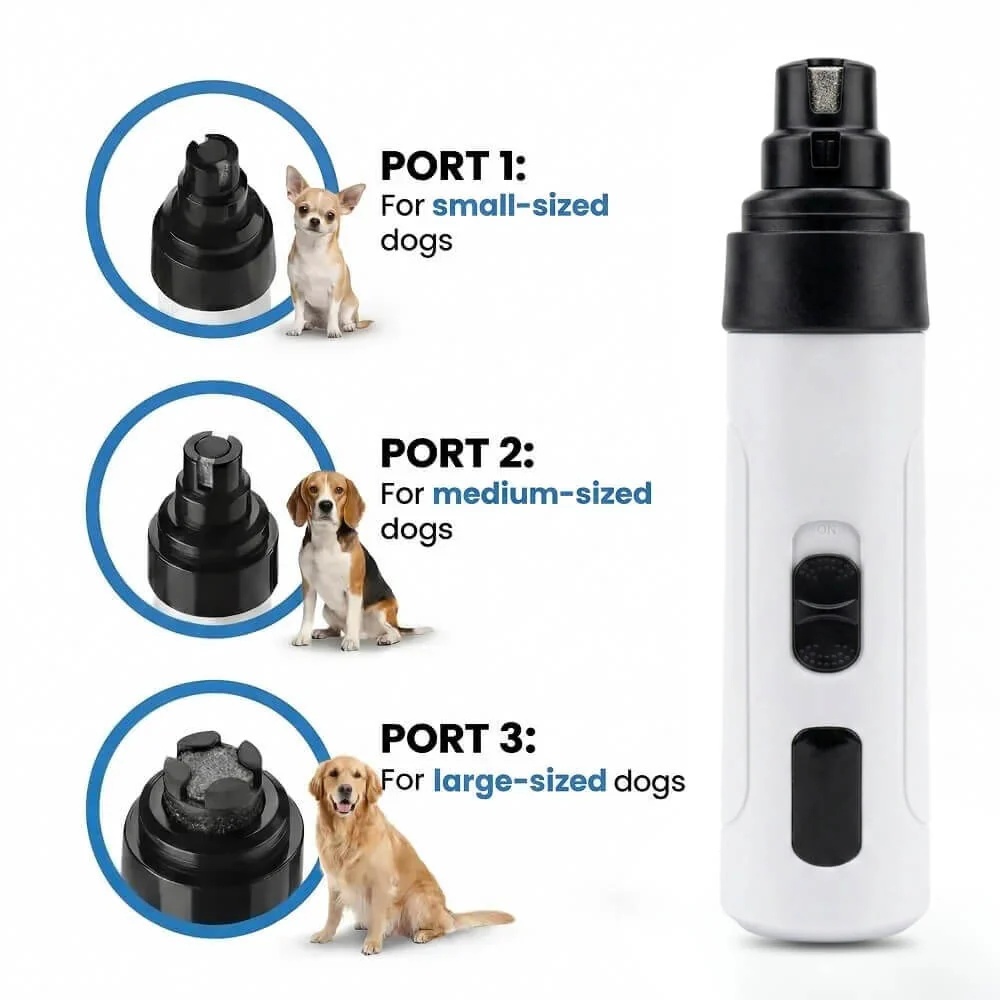
Whisper-quiet DC motor (<40 dB) eliminates fear & discomfort. Features 3 ports, dual speeds, and 7-hour battery life. Safe, precise, and painless.
In This Article
- Why Do My Dog’s Toenails Click? Learn how to read the physical signs of paw discomfort instantly.
- Canine Nail Anatomy Demystified: Understand where the sensitive living quick is positioned.
- The Hidden Pathologies of Neglect: Discover how long claws directly damage skeleton balance.
- A Step-by-Step Desensitization Guide: Transform your anxious pet into a calm grooming partner.
Why Do My Dog’s Toenails Click on the Floor?
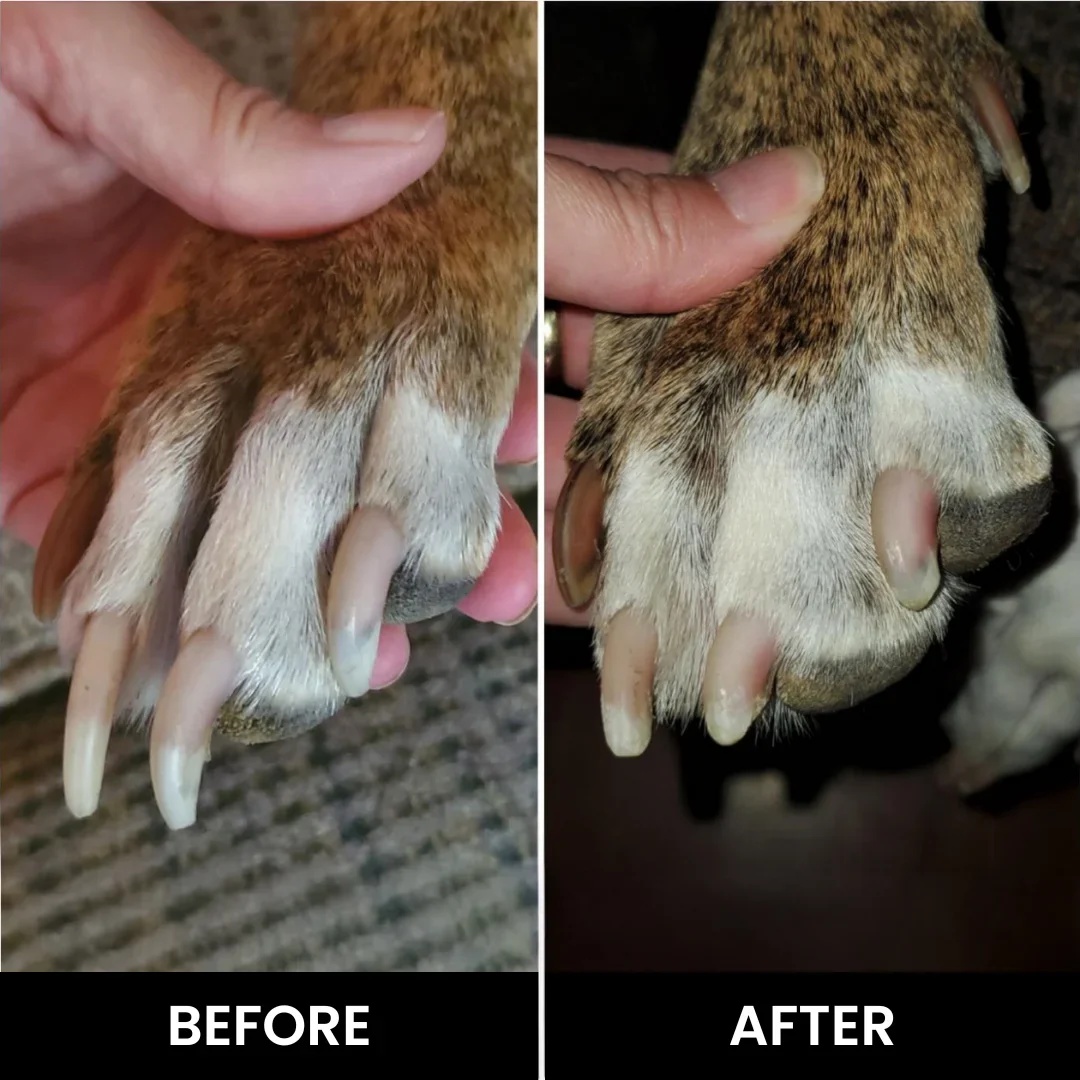
Hearing a rhythmic clicking sound as your dog walks across the kitchen floor is the first clear signal that their claws have grown too long.
This distinct acoustic feedback happens when the hard keratin shell of the dog’s toenails extends past the protective boundaries of the paw pads.
Healthy paws should remain virtually silent during normal indoor movement.
When claws contact hard surfaces, they force the delicate toe joints to bend upward and outward in an unnatural skeletal alignment.
This structural misalignment shifts your dog’s entire center of gravity backward onto their sensitive hindquarters.
Over time, these subtle postural adjustments put immense strain on the wrists, elbows, and shoulder joints.
Pet parents should address this structural shift immediately to prevent chronic muscle soreness and joint wear.
To resolve this structural tension, you must establish a consistent, low-stress trimming schedule at home.
First, evaluate the physical length of each claw while your dog is standing squarely on a flat surface.
You should aim to trim the claw back until it sits just above the level of the paw pad without touching the ground.
Next, secure a reliable tool that allows you to make incremental, controlled reductions rather than rapid, crushing cuts.
Slowly trim small slivers of the nail tip at a time to give the sensitive inner blood vessels room to recede safely.
Keep a natural styptic powder or clean cornstarch nearby to manage any accidental over-trimming instantly.
Repeat this gentle maintenance process every two weeks to gradually encourage the living tissue to pull back.
If you want to handle this safely at home, the Zenpaw Maxpro Grinder provides painless, quiet filing — explore it here.
99-Day 100% Money-Back Guarantee
“Ever since we started using the Zenpaw Maxpro Grinder, it’s been such a peaceful experience. It’s very quiet, and my dog actually relaxes. It’s turned our stressful sessions into quick, quiet grooming times.”
— Sarah M. | ✔ Verified Customer
- ✓ Prevents Infection & Splitting
- ✓ Ideal for All Dog Sizes
- ✓ Low-Vibration Technology
- ✓ Fast 2-7 Days Delivery
Need Support? Call 302-307-1000
Understanding Canine Nail Anatomy: Where is the Quick?
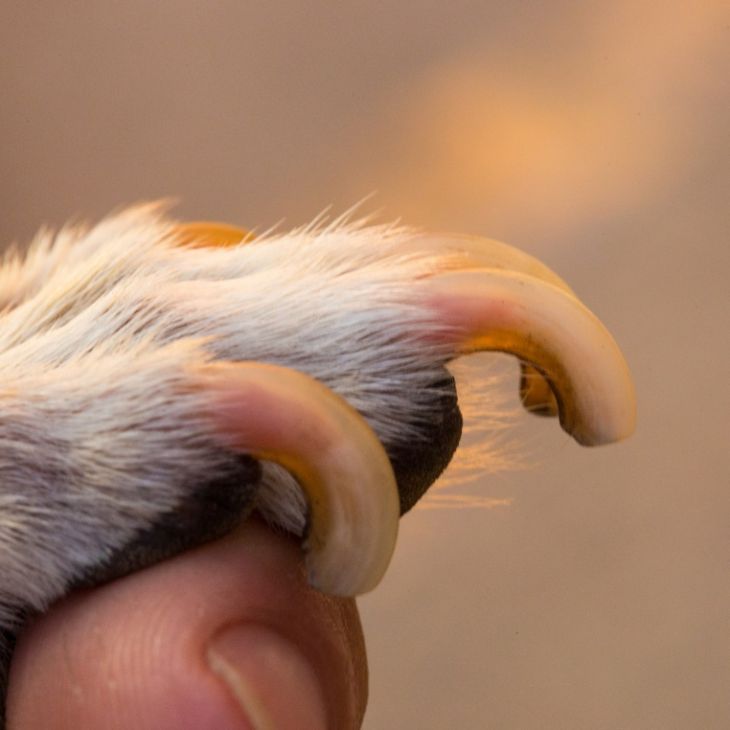
Every single claw on your dog’s foot consists of two distinct primary anatomical layers.
The outer layer is a tough, insensitive shell made of dead keratin protein designed to protect the digit.
Inside this hard outer shell lies the quick of a dog nail, which is a highly sensitive living core.
This delicate inner core contains an intricate network of microscopic blood vessels and hyper-sensitive nerve endings.
When you look at a dog with clear or white claws, this living tissue is easily visible as a soft pink zone.
However, locating this pink zone becomes incredibly challenging on a dark or black dog toenail.
Understanding how short to cut dog nails requires careful observation of the claw’s structural changes.
Cutting directly into this rich vascular tissue causes sudden, sharp pain and immediate bleeding.
This negative experience often creates long-lasting grooming anxiety and fear of future handling in your dog.
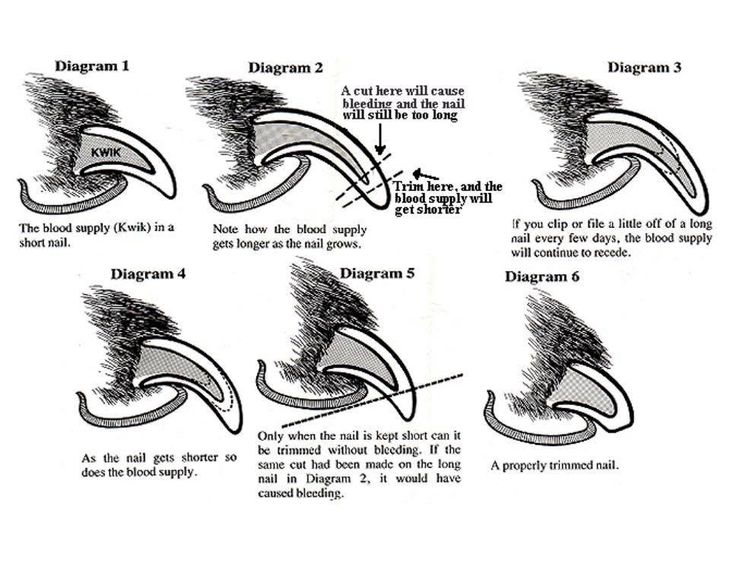
Fortunately, the living tissue is dynamic and reacts to the physical pressure of regular grooming.
If you keep the claws consistently short, the internal blood supply will naturally recede over several weeks.
Conversely, neglecting the claws allows the internal tissue to grow longer, making future maintenance much more difficult.
Using a precision tool like the Zenpaw Maxpro allows you to safely file closer to this zone without causing sudden trauma.
This specialized anatomy is unique to carnivores and requires unique physiological care.
The living tissue inside is directly connected to the skeletal structure of the dog’s toe bone.
Because of this direct bony connection, any trauma to the inner tissue vibrates directly into the skeletal frame.
This explains why dogs react so dramatically to having their claws squeezed or clipped roughly.
The pressure of manual clippers actually pinches the highly sensitive nerves before the blade cut is made.
A high-quality rotary tool avoids this pinching sensation by utilizing continuous abrasive action instead.
The Hidden Pathology of Overgrown Dog Toenails
Ignoring long claws does far more than damage your hardwood floors or snag your favorite rugs.
When a dog toenail grows excessively long, it changes how the foot interacts with the ground.
The constant upward pressure on the toe joints can lead to a condition known as hyperextension.
This constant structural pressure flattens the natural arch of the paw and weakens the entire foot mechanism.
To compensate for this discomfort, your dog will modify their natural gait and walking posture.
They will shift their weight away from the painful toes and onto the sensitive heel pads of the feet.
This abnormal weight distribution places unnecessary, chronic stress on the tendons and ligaments of the lower leg.
Over several months, these postural adjustments can contribute to early-onset arthritis and spinal misalignment.
It is far safer and much more comfortable for your pet to keep their claws short and properly aligned.
Learning how to safely clip dogs nails at home is a vital skill for long-term health maintenance.
Regular maintenance ensures that your dog’s musculoskeletal system remains balanced and pain-free throughout their life.
By preventing this physical strain, you directly support your dog’s mobility and active daily lifestyle.
The physical changes caused by long claws occur slowly over many months.
This gradual progression makes it difficult for owners to spot the early warning signs of skeletal strain.
Eventually, the chronic compensation alters the muscle memory of your dog’s entire body.
The muscles along the spine must work twice as hard to keep your dog balanced during movement.
This excessive muscular workload leads to premature fatigue and chronic body stiffness.
By keeping the claw length short, you allow your dog to move with their natural, fluid athletic posture.
This anatomical alignment is especially critical for aging dogs who are already managing joint stiffness.
Common Canine Claw Diseases and Infections
Canine claws are highly susceptible to various environmental infections and physical injuries.
Yeast infections often develop in the warm, moist crevices surrounding the nailbed of active dogs.
You might notice your dog constantly licking or chewing at their paws due to intense, localized itching.
This excessive moisture fuels fungal growth, leading to red, inflamed, and irritated skin.
In addition to infections, long and brittle claws are highly prone to painful physical splitting.
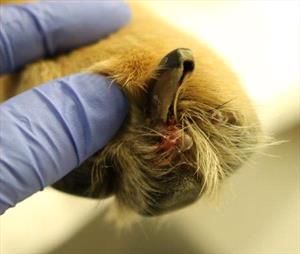
A split claw can expose the sensitive inner tissue, leaving it vulnerable to dangerous bacterial invasion.
If your dog snags a long claw on a carpet or root, the outer shell can rip away entirely.
This traumatic injury causes sudden, heavy bleeding that requires immediate physical intervention.
Knowing how to stop a dog’s bleeding toenail is essential for managing these stressful home emergencies.
Applying gentle pressure with a clean cloth and utilizing styptic compounds can quickly control the blood flow.
Regular filing with a high-quality grinder removes sharp edges and prevents these painful splits from occurring.
By keeping the claw margins smooth and sealed, you dramatically reduce the risk of structural tearing and subsequent infection.
Fungal organisms thrive when the claw bed is compromised by micro-cracks or deep structural splits.
These tiny structural pathways allow dirt and environmental moisture to accumulate deep inside the claw wall.
Once bacteria settle in these hidden areas, they can cause a painful nailbed infection called paronychia.
You may observe swelling, warmth, or a dark discharge near the base of the cuticle area.
Managing these deep infections often requires expensive veterinary visits and prescription antibiotics.
Preventative claw hygiene is the single best way to protect your dog’s feet from these painful pathogens.
Smooth, rounded claws do not harbor debris and dry much faster after outdoor activities.
Step-by-Step Guide to Stress-Free Nail Grinding
Introducing a new grooming tool to an anxious dog requires patience, consistency, and a structured behavioral plan.
You should never rush the process, as early negative experiences can take months to reverse successfully.
Begin by letting your dog investigate the silent grinder while it is turned off.
Place the tool on the floor and reward your dog with high-value treats whenever they sniff it curiously.
Once they associate the physical tool with positive rewards, turn the motor on at its lowest speed setting.
Keep the vibrating tool at a distance, allowing your dog to get used to the quiet hum of the motor.
The whisper-quiet operation of the Zenpaw Maxpro makes this acoustic desensitization step incredibly easy.
Next, gently touch the non-rotating body of the tool to your dog’s paws to get them used to the physical vibration.
Reward your dog immediately after each brief contact to build deep, positive mental associations.
When your dog is completely relaxed, you can begin the actual filing process on a single claw tip.
Hold the paw securely but gently, separating the target toe from the surrounding fur.
Position the grinding head at a precise 45-degree angle to the natural growth line of the claw.
Apply light, brief pressure for no more than two to three seconds at a time to prevent thermal buildup.
Filing in short, controlled bursts ensures the claw remains cool and perfectly comfortable for your pet.
Work your way across each foot slowly, treating your dog generously after completing each claw.
This gradual method is far more humane than using traditional, violent small dog nail clippers that crush the sensitive claw structure.
With consistent practice, your dog will soon learn to sit calmly during their regular grooming sessions.
Always hold the toe firmly at the base of the knuckle to stabilize the joint while grinding.
This physical support minimizes the tickling sensation caused by the high-frequency vibration.
If your dog has long hair on their feet, slide a simple nylon stocking over the paw first.
Poke the claws through the mesh fabric to isolate them cleanly from the surrounding coat.
This simple trick completely prevents the hair from wrapping around the rotating grinding wheel.
Keep your initial training sessions under two minutes to ensure your dog never feels trapped or overwhelmed.
Ending the grooming session on a highly positive note builds long-term trust for future claw maintenance.
Always examine the tip of the claw closely after each brief contact with the grinding wheel.
Look for a small, white, powdery circle on the surface of the nail tip.
As you file deeper, this white circle will gradually transition into a soft, dark spot in the center.
This central dark spot indicates that you are approaching the outer boundary of the living tissue.
You should stop grinding immediately once this distinct central spot becomes visible to avoid causing discomfort.
This visual indicator is your safest guide when managing dark or black claws at home.
Common Pitfalls to Avoid in Canine Nail Care
One of the most frequent mistakes pet parents make is rushing through the nail care process.
Taking too much off at once increases the risk of cutting the living tissue and causing painful injuries.
Another major issue is using dull, outdated traditional clippers that violently pinch and split the claw.
These manual tools apply intense structural pressure, often crushing the keratin shell before cutting through it.
This painful crushing sensation is why many dogs develop an intense phobia of claw care.
In contrast, high-speed rotary tools gently shave away micro-layers of keratin without causing sudden impact.
Furthermore, many pet parents fail to inspect their dog’s dewclaws located higher up on the inside of the leg.
Because these claws do not touch the ground, they never wear down naturally and can easily curl back into the skin.
Regularly checking and grinding these dewclaws prevents painful ingrown wounds and severe infections.
By using a gradual, controlled tool, you eliminate the guesswork and keep your dog perfectly safe.
Always hold your dog’s paw firmly to prevent sudden jerking movements during the filing process.
Establishing a calm, quiet environment before you begin is key to a successful grooming session.
Dog Toenail Care: Frequently Asked Questions
Is the Zenpaw Maxpro Grinder powerful enough for large dogs with thick claws?
Yes, the Zenpaw Maxpro is specifically engineered to handle claws of all thicknesses and sizes safely.
The device features three customized ports designed to match small, medium, and large breeds perfectly.
The heavy-duty brass motor provides consistent torque without slowing down on dense, thick claws.
How long does the battery last on a single charge?
The advanced lithium-ion battery provides up to seven hours of continuous runtime on a single charge.
This extended battery life ensures you can complete multiple stress-free grooming sessions without needing a recharge.
The convenient USB charging port allows you to power up the device easily using any standard adapter.
Which speed setting should I use for my dog?
The Zenpaw Maxpro features dual speed settings to match your dog’s comfort and nail density.
We recommend starting on the low-speed setting to let your dog adapt to the vibration.
You can switch to the high-speed setting for faster, more efficient filing on large, dense claws.
Does the grinding tip get hot during prolonged use?
The grinder utilizes advanced low-heat technology to prevent heat transfer to the nail matrix.
However, we still recommend moving the grinding head between different claws to keep things perfectly cool.
Applying short, light touches of two to three seconds completely eliminates any risk of thermal discomfort.
Can I use this grinder if my dog is extremely terrified of noise?
Absolutely, as this device is specifically designed with an ultra-quiet motor operating below 40 decibels.
This whisper-quiet acoustic profile is much quieter than standard grooming tools, which often terrify sensitive dogs.
The low vibration design also prevents anxious dogs from feeling overwhelmed during physical contact.
How often should I grind my dog’s nails?
For most companion dogs, a thorough grooming session every two weeks is ideal for maintaining proper length.
If you are trying to make a long quick recede, shorter sessions every seven to ten days are highly recommended.
Consistent, minor adjustments are always better than waiting for the claws to become overgrown and uncomfortable.
What should I do if I accidentally cause my dog’s claw to bleed?
First, remain completely calm so you do not project your anxiety onto your sensitive dog.
Gently pack the bleeding claw tip with clean styptic powder, cornstarch, or baking soda.
Apply firm, direct pressure with a clean cloth for up to two full minutes without checking the wound.
Keep your dog calm and inactive for at least thirty minutes to allow a stable clot to form.
Provide a high-value reward immediately to help your dog recover from the brief physical shock.
A Peaceful Path to Perfect Paw Health
Maintaining short, healthy claws is one of the greatest gifts you can give your beloved companion.
Ready to transform nail trimming from a stressful battle into a peaceful bonding experience?
Explore the Zenpaw Maxpro 3-in-1 Grinder today to protect your dog’s paws and joints.
Call our friendly support team at 302-307-1000 for expert advice on safe grooming practices.
Note: Individual results may vary depending on individual dog breeds, nail thickness, and behavioral temperaments. This article is intended for general pet grooming reference purposes only and does not replace professional veterinary advice.