
I remember the absolute dread of holding my sweet retriever as she bared her teeth in pure terror while I tried to use a heavy, rough towel to muzzle dog for nail clipping sessions that always ended in tears and defensive growls. If your home has become an agonizing battlefield during routine paw care, we understand your fear of hurting your pet, which is why Team Zenpaw created a whisper-quiet, painless grooming alternative that restores peace to your bonding time.
Maxpro 3-in-1 Grinder.
Stress-Free Nail Trimming.
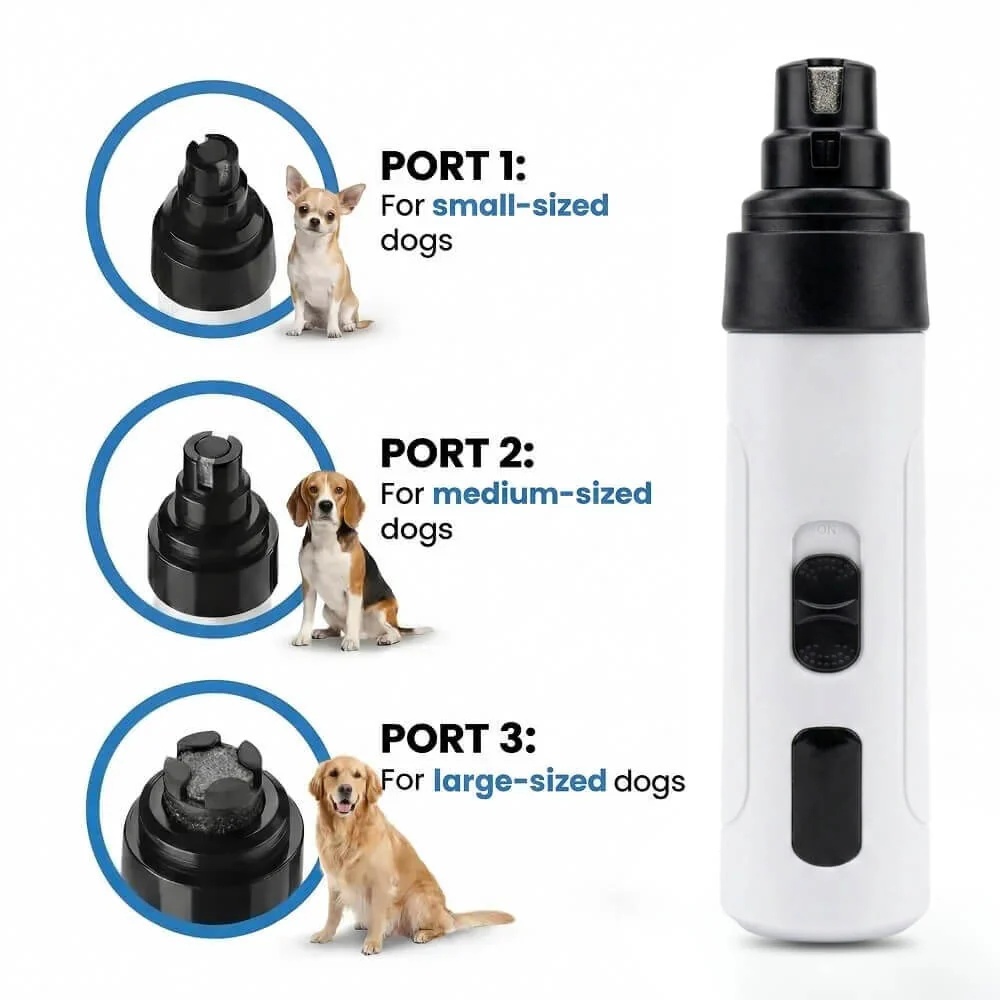
Whisper-quiet DC motor (<40 dB) eliminates fear & discomfort. Features 3 ports, dual speeds, and 7-hour battery life. Safe, precise, and painless.
In This Article
- Choosing the Safe Towel: Understanding the ideal thickness, fiber type, and dimensions to ensure canine safety.
- Managing Anxiety and Aggression: Exploring deep-pressure therapy science and how towel swaddling calms overstimulated dogs.
- Step-by-Step Wrapping Masterclass: Safe folding techniques that prevent escape without restricting breathing.
- Transitioning to Painless Care: Moving away from physical restraints using whisper-quiet, veterinarian-approved rotary tools.
Choosing the Perfect Towel to Muzzle Your Dog for Nail Clipping Safely
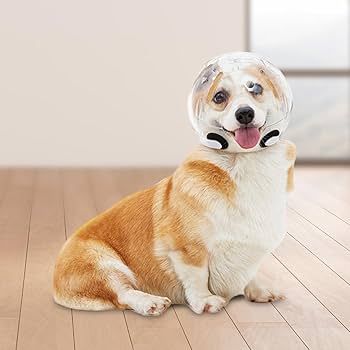
Every dog parent knows the intense anxiety of dealing with sharp, overgrown canine talons.
If your dog starts shaking, whining, or pulling away, the fear of accidentally cutting the quick is incredibly real.
Using a towel to muzzle dog for nail clipping is a time-tested safety technique favored by professional groomers worldwide.
However, using the wrong fabric can quickly cause your pet to overheat, slip, or escape the wrap.
To implement an effective emergency towel muzzle for pet care, you must select a textile with the correct weight, weave, and breathability.
A standard bathroom towel offers the perfect balance of structural stiffness and yielding softness to support a thrashing pet.
Our team at Zenpaw recommends avoiding synthetic fabrics like polyester, which slide against canine fur and fail to hold a secure knot.
Instead, choose 100% natural cotton with a tight loop weave to prevent your dog’s sharp nails from getting caught in loose threads.
For smaller toy breeds, a smaller hand towel is ideal because it does not put excess weight on their delicate skeletal systems.
For medium to large breeds, a full bath sheet or thick beach towel provides the surface area needed to secure their shoulders and hindquarters.
Always make sure the fabric is completely clean, dry, and free of strong chemical scents that could irritate your dog’s sensitive nose.
Using a towel wrap can safely reduce struggling, but it should only serve as a stepping stone toward stress-free, cooperative care.
To help you evaluate the best household textiles, we have analyzed the most common towel materials in the table below.
| Towel Material | Best Suited For | Grooming Safety Rating | Key Risk Factor |
|---|---|---|---|
| 100% Terry Cotton | Medium to Large Breeds | Excellent (Highly Secure) | Retains heat if wrapped too long |
| Waffle Weave Cotton | Nervous or Warm Dogs | Very Good (Breathable) | Stretches slightly under high tension |
| Thick Microfiber | Small Toy Breeds | Moderate (Lightweight) | Slips on silky coats like Yorkies |
| Bamboo Fiber | Dogs with Skin Allergies | Good (Hypoallergenic) | Fewer structural hold points |
Remember that a towel is merely a temporary tool to prevent injury during stressful grooming sessions.
Our goal is to build long-term trust so you never have to physically restrain your companion again.
99-Day 100% Money-Back Guarantee
“Ever since we started using the Zenpaw Maxpro Grinder, it’s been such a peaceful experience. It’s very quiet, and my dog actually relaxes. It’s turned our stressful sessions into quick, quiet grooming times.”
— Sarah M. | ✔ Verified Customer
- ✓ Prevents Infection & Splitting
- ✓ Ideal for All Dog Sizes
- ✓ Low-Vibration Technology
- ✓ Fast 2-7 Days Delivery
Need Support? Call 302-307-1000
The Physiology of Paw Sensitivity and Why Dogs Snap During Grooming
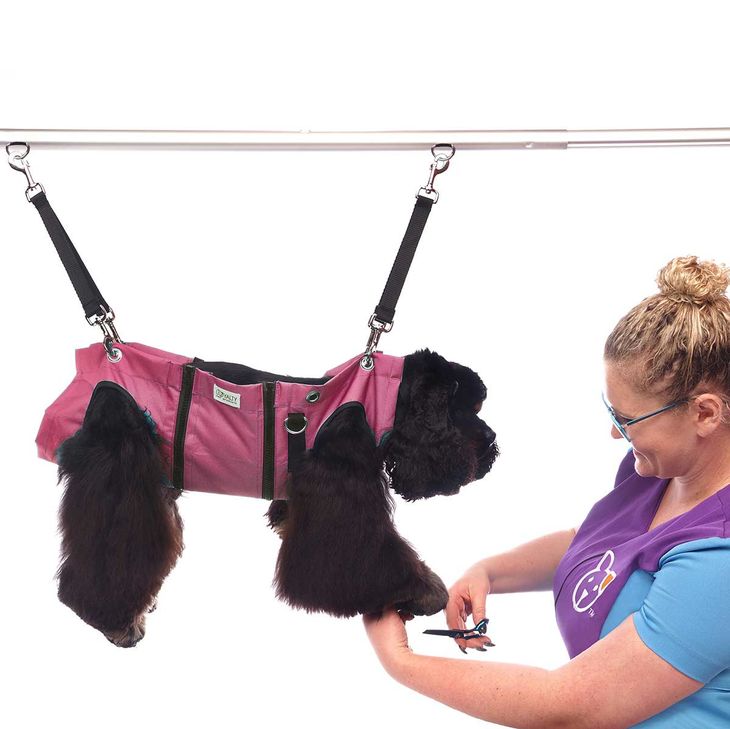
To safely manage an uncooperative pet, we must first understand the canine nervous system.
A dog’s paws contain a incredibly dense network of highly sensitive tactile receptors.
These receptors are designed to feel micro-vibrations, navigate uneven terrain, and protect them from environmental hazards.
When you firmly grab your dog’s toe, you trigger an ancient, involuntary survival reflex.
This fear response is even more severe if your dog has experienced a painful nail-cutting injury in the past.
Many pet parents do not realize that an anxious dog hates nail trim sessions out of raw, primitive fear rather than disobedience.
When they feel trapped or pinned down, their adrenaline levels spike instantly.
This explains why a loving dog tries to bite when cutting nails as a last-resort self-defense measure.
Using a structured wrap to wrap dog in towel to cut nails leverages the physical power of deep-pressure therapy.
Certified veterinary behaviorists state that even, gentle body compression triggers a soothing parasympathetic nervous response.
This deep-pressure contact actively lowers their heart rate and reduces circulating cortisol levels.
However, you must differentiate between a comforting, calming swaddle and a rough, stressful physical restraint.
A safe, calming wrap cradles the skeletal structure, preventing the sudden, dangerous twisting that can sprain delicate joints.
By keeping the paws securely isolated, you can trim the nails efficiently without trigger-points of sudden panic.
Our long-term goal at Zenpaw is to slowly replace this physical barrier with positive associative conditioning.
Understanding Canine Nail Anatomy: Protecting the Sensitive Quick
The anatomy of a dog’s claw is radically different from a flat human fingernail.
The outer shell is composed of a tough, dead layer of structural keratin protein.
Inside this hard outer shell lies the quick, which is a highly vascularized, living bundle of blood vessels and active nerve endings.
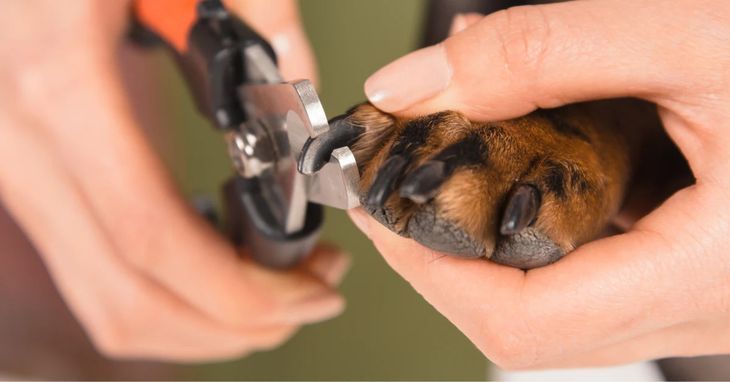
Traditional scissor-style clippers cut nails by applying massive crushing pressure from two opposing metal blades.
This intense crushing action pinches the internal nerves of the quick long before the blade actually cuts through the keratin.
This painful pinch is highly distressing, even if you do not cut deep enough to cause bleeding.
If you hit the quick directly, the resulting sharp pain and rapid bleeding can destroy your dog’s trust for years.
This risk is especially high when trying to shorten dark or black dog nails, where the quick remains completely invisible from the outside.
This is why Team Zenpaw strongly advocates for the use of advanced rotary filing tools over traditional metal clippers.
A high-speed diamond bit grinder files away the tough keratin layer by layer with absolute precision.
This continuous filing process completely eliminates the sudden crushing force that terrifies sensitive dogs.
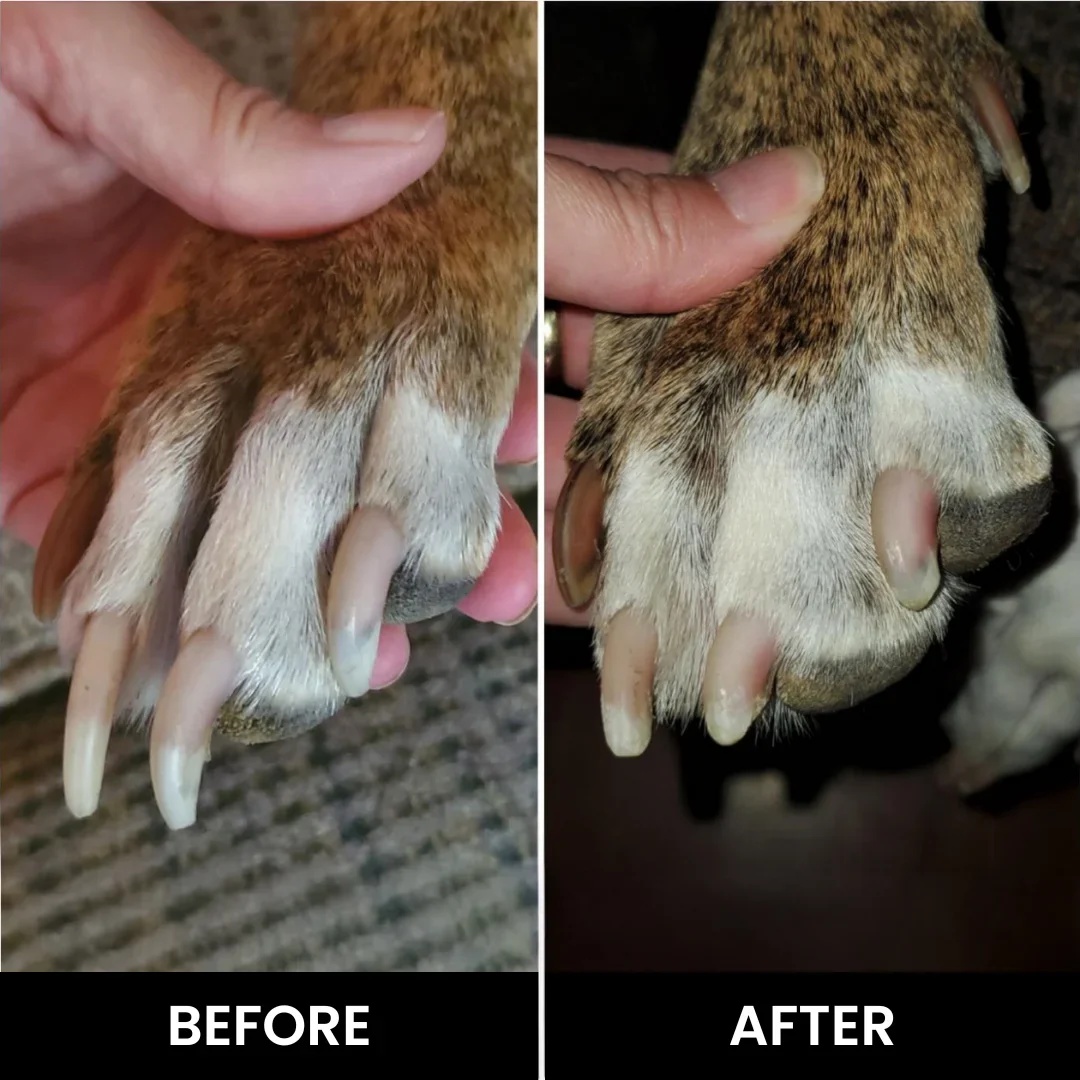
As you grind closer to the live quick, you will see a dry, white chalky circle turn into a soft, dark gray center.
This visual indicator is your signal to stop grinding immediately to prevent any pain or bleeding.
Our veterinarian-approved Zenpaw Maxpro Grinder is specifically designed with a whisper-quiet motor operating under 40 decibels.
This low-noise threshold prevents the high-frequency auditory stress that triggers immediate panic in dogs.
Step-by-Step Guide: Transitioning from Towel Wraps to Calm Grinding
Transitioning an aggressive or highly anxious pet to stress-free nail care requires a structured, step-by-step approach.
We must pair gentle physical security with careful systematic desensitization.
Follow our professional groomer-approved phases to safely transform your routine.
Phase 1: Desensitizing the Paw and Tool Sound
Begin by placing your turned-off grinder on the floor next to your dog’s favorite treats.
Let your dog investigate the tool at their own pace without forcing any contact.
Whenever they sniff or touch the tool, reward them immediately with a high-value treat.
Once they show zero fear, turn the grinder on its lowest speed while keeping it several feet away.
Praise your dog warmly and feed them treats as they listen to the low, gentle hum.
You can learn more advanced behavioral techniques on how to desensitize dog to nail trimming to build deep trust.
Gradually bring the running tool closer over several short, stress-free training sessions.
Touch the vibrating handle of the grinder to their shoulder to show them the movement is completely harmless.
Always move slowly and avoid rushing, as rushing will trigger their defensive survival reflexes.
Phase 2: Mastering the Perfect Towel Wrap Technique
If your dog still struggles, you can use a wrap dog in blanket to cut nails safely and securely.
Lay a thick, clean cotton bath towel flat on an elevated, non-slip surface like a sturdy table.
Gently guide your dog onto the center of the towel, letting them settle into a relaxed lying position.
Fold the rear half of the towel snugly over their hindquarters to prevent them from backing away.
Bring the left flap of the towel over their shoulders, tucking it firmly under their chest.
Pull the right flap of the towel tightly across their back to create a secure, swaddled envelope.
This snug wrap acts as one of the most effective calming dog wraps for grooming because it limits thrashing.
Ensure you can slide two fingers easily under the front collar of the wrap to prevent any restriction on their airway.
Slowly slide one paw out of the swaddle while keeping the rest of their body fully secured.
This is widely considered the best way to hold a dog to trim nails without causing painful shoulder strain.
Never pull their leg outward at an awkward angle, as this can cause immediate joint discomfort.
Phase 3: The 45-Degree Rotary Grinding Angle
Hold the isolated paw firmly but gently, separating the toes with your fingers.
Support each individual toe nail with your thumb to absorb any mild vibration from the tool.
Introduce the Zenpaw Maxpro Grinder and touch the rotating stone to the tip of the nail.
Hold the grinder at a precise 45-degree angle to match the natural growth curve of the claw.
Apply light, brief pulses for no more than two seconds per nail to prevent friction heat.
Filing continuously in one spot can cause a hot, burning sensation on the sensitive quick underneath.
By pulsing the grinder and alternating between claws, you ensure a completely painless trimming session.
Reward your dog with a premium treat after completing each paw to reinforce their calm behavior.
Critical Grooming Pitfalls and How to Overcome Them
Many pet owners make the mistake of rushing through grooming out of sheer exhaustion and stress.
If your how to cut dog nails when they hate it strategy relies on brute force, you will damage the bond with your pet.
Another major danger is using a temporary towel muzzle incorrectly.
A towel muzzle must never restrict a dog’s ability to pant freely.
Dogs do not sweat through their skin and rely entirely on panting to regulate their body temperature.
If you bind their jaws too tightly, you put them at immediate risk of hyperthermia and panic-induced heat stroke.
Only use a loose towel wrap around their muzzle for brief intervals of under two minutes.
If you notice heavy panting, dilated pupils, or blue-tinted gums, release the wrap immediately.
We also strongly warn against using cheap, low-powered rotary tools that stall under light pressure.
When a motor stalls, it creates intense friction heat against the nail instead of cleanly filing the keratin.
The Zenpaw Maxpro features a high-torque, medical-grade DC motor that maintains consistent speed throughout.
This powerful motor prevents stalling, ensuring you can finish the groom quickly and safely.
Frequently Asked Questions About Towel Muzzles and Nail Care
Is wrapping a dog in a towel safe for flat-faced breeds?
Brachycephalic breeds like Pugs, French Bulldogs, and Shih Tzus require extreme caution during physical restraint.
These flat-faced dogs have naturally compromised airways and can easily suffocate under high stress.
Never cover the nose or face of a brachycephalic breed with a towel wrap or emergency muzzle.
For these sensitive dogs, you should focus exclusively on slow, positive reinforcement desensitization techniques.
How can I tell if the towel swaddle is wrapped too tightly?
You should always be able to easily slide two flat fingers under the fabric at any point of the wrap.
Watch your dog’s chest closely to make sure they are taking deep, regular breaths.
If their breathing becomes rapid, shallow, or labored, immediately loosen the towel to allow them to relax.
Keep a close eye on their gums to ensure they remain a vibrant, healthy pink color throughout.
If the gums turn pale, white, or blue, this is an emergency sign of oxygen deprivation and stress.
What if my dog still tries to bite even with the towel wrap?
If your dog continues to snap or thrash violently, they are experiencing level-four grooming panic.
Do not attempt to force the nail trim, as this will only worsen their fear and cause severe psychological trauma.
Release them from the wrap immediately and let them calm down in a quiet room.
You should consult a certified veterinary behaviorist to address their deep-seated grooming phobia safely.
Over time, you can rebuild their confidence using systematic, pressure-free touch training.
Does the Zenpaw Maxpro Grinder work on thick, large breed claws?
Yes, our grinder is equipped with a high-torque motor designed to handle the thickest claws.
It features three distinct ports designed to accommodate small, medium, and large breeds safely.
You can remove the protective collar entirely to expose the full diamond grinding wheel for large dogs.
This open-wheel setting allows you to file down thick, tough keratin quickly and smoothly.
How long does the battery of the Zenpaw Maxpro Grinder last?
The Zenpaw Maxpro features a high-performance lithium-ion battery that provides up to 7 hours of continuous run time.
This long-lasting battery means you do not have to worry about the tool dying during a grooming session.
You can easily recharge the device using any standard USB port or phone charger.
This cordless design gives you full freedom of movement to groom your dog anywhere they feel most comfortable.
How do I keep the diamond grinding wheel clean and hygienic?
You can easily clean the diamond bit using an ordinary rubber pencil eraser.
Simply turn the grinder on and press the eraser gently against the spinning wheel for a few seconds.
This simple trick removes built-up nail dust, keratin oils, and dander instantly.
A clean grinding stone ensures maximum filing efficiency and prevents unnecessary heat buildup.
Conclusion: Restoring Peace to Your Nail Care Routine
We want to help you turn nail trimming from a stressful chore into a peaceful bonding experience.
By choosing the right towel and transitioning to the quiet power of the Zenpaw Maxpro Grinder, you can protect your dog’s paws without fear.
Ready to transform nail trimming from a battle into a breeze? Explore the Zenpaw Maxpro 3-in-1 Grinder. Call: **302-307-1000** — our team can help you advise on the best grooming practices and help with any product questions.