
I still remember the night my sweet golden retriever, Bailey, kept whimpering and licking his paw, and my heart sank when I saw his dog nail bed swollen and raw. It broke my heart to see him suffer from a simple split claw, which is why our team at Zenpaw developed safe, whisper-quiet tools to prevent these painful paw infections entirely.
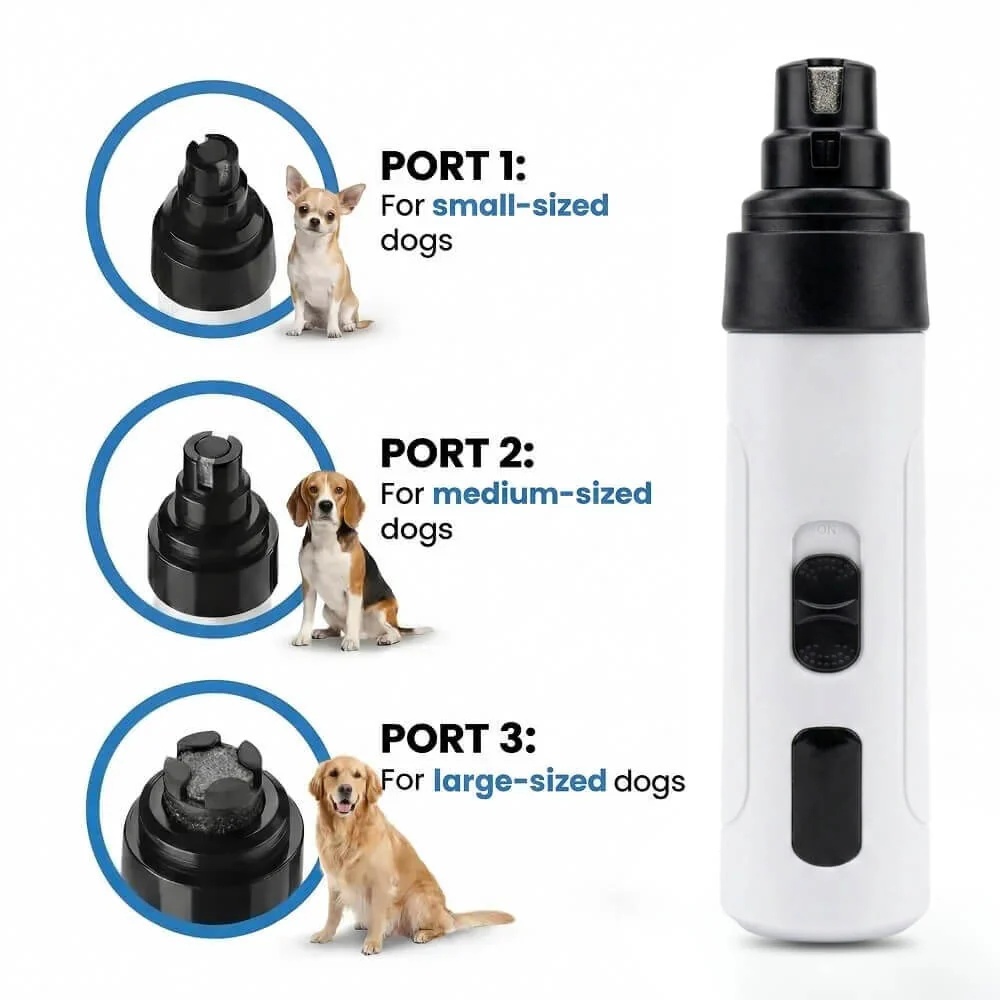
Maxpro 3-in-1 Grinder.
Stress-Free Nail Trimming.
Whisper-quiet DC motor (<40 dB) eliminates fear & discomfort. Features 3 ports, dual speeds, and 7-hour battery life. Safe, precise, and painless.
In This Article
- Understanding Paw Distress: Identifying the underlying causes of a red, swollen, and highly sensitive canine nail bed.
- Pathology of Claw Infections: The critical scientific differences between bacterial paronychia and stubborn yeast overgrowths.
- The Soothing Power of Epsom Salt: Step-by-step master guides for executing therapeutic, anti-inflammatory warm paw soaks.
- Preventative Grinding Protocols: Utilizing advanced whisper-quiet tools to eliminate nail splitting and protect the sensitive quick.
Why is Your Dog’s Nail Bed Red, Swollen, and Sore?
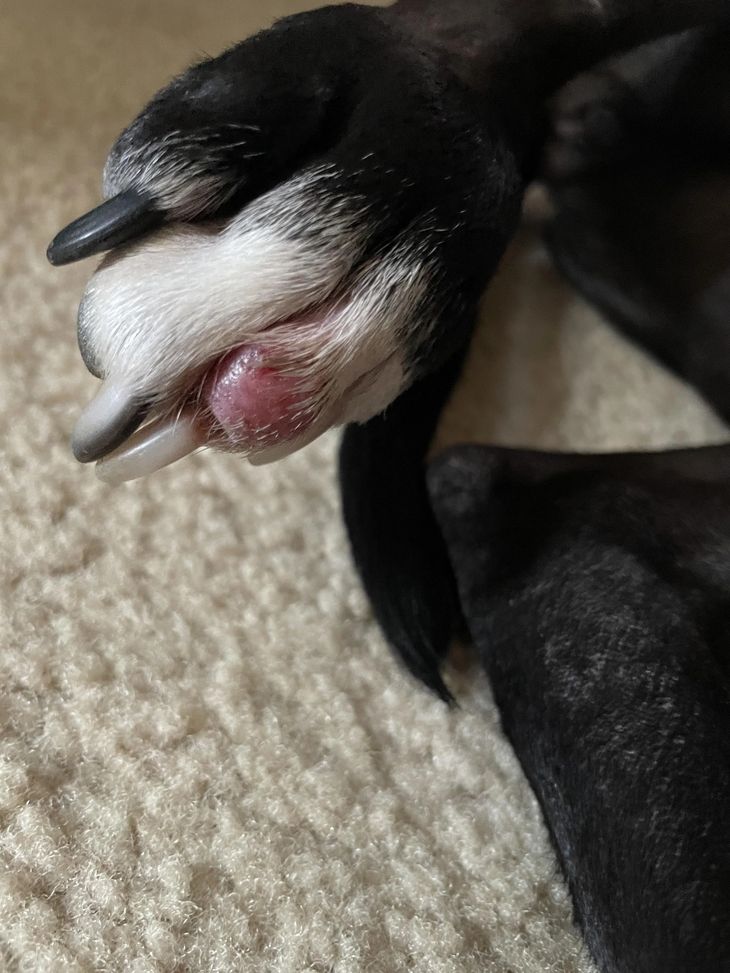
Seeing your furry companion limping or constantly licking at their toes can be incredibly stressful for any loving pet parent.
You might notice a raw, inflamed area right where the claw meets the toe skin, indicating a painful dog nail bed swollen from irritation.
This painful condition is often referred to by professional groomers as a dog nail sore, which makes every single step highly uncomfortable for your pup.
There are several common culprits behind this localized redness and inflammation that you should look out for.
First, a sudden physical trauma is a frequent cause of acute paw distress.
Your dog might have caught their claw on the carpet, on thick outdoor brush, or on a deck gap, resulting in a painful dog nail bed injury.
When the hard outer nail shell is pulled, cracked, or entirely broken, it exposes the sensitive inner tissues to dirt and environmental debris.
Second, routine nail trims gone wrong can tear the delicate cuticle tissue.
Using dull guillotine clippers can easily crush the claw, leading to painful splits that invite microscopic pathogens inside.
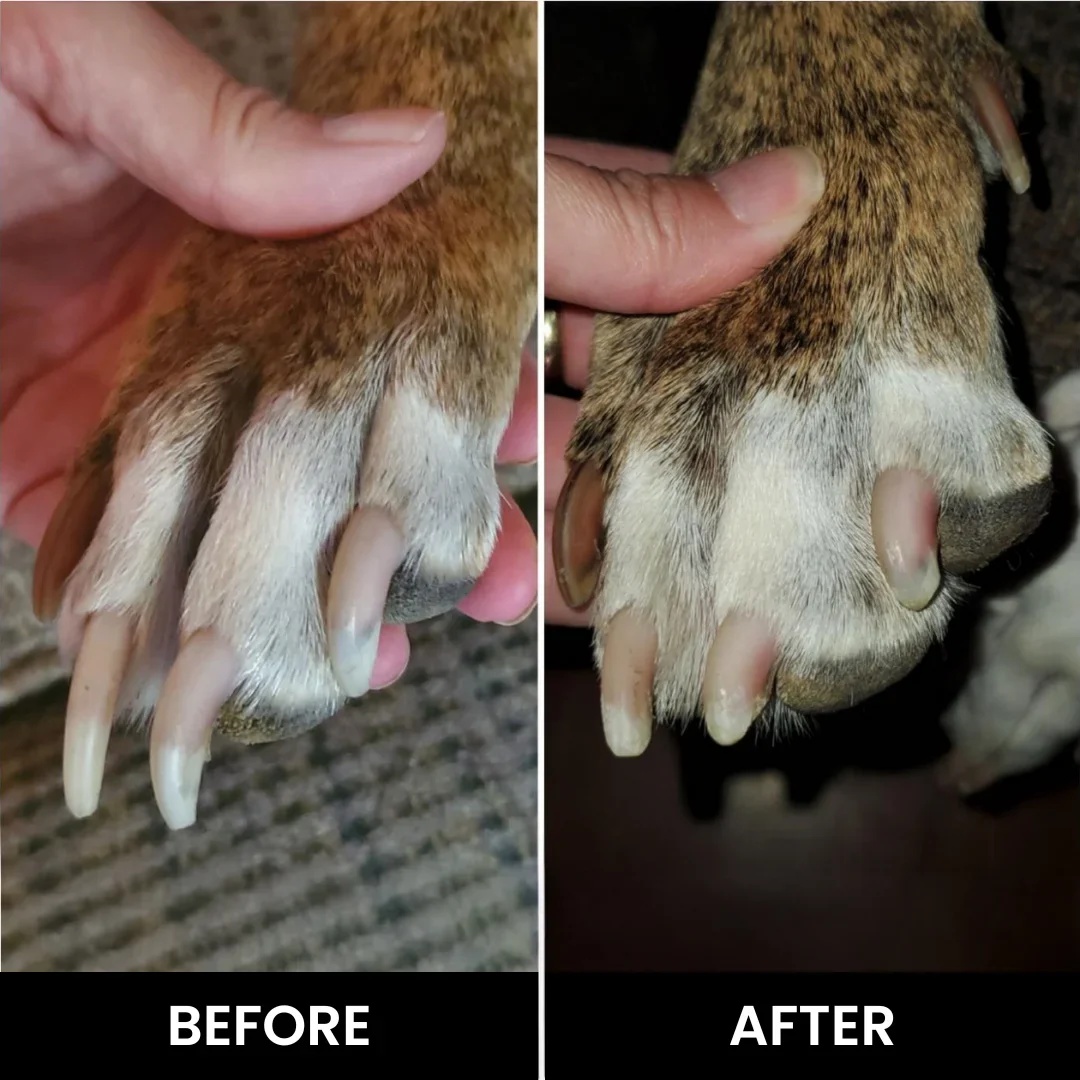
If you are trying to visualize what this painful issue looks like, you can examine these dog nail bed infection pictures to identify similar redness on your pet’s toes.
Third, environmental allergies to grass pollen, mold, or indoor dust can cause intense itching in the paws.
Dogs will chew furiously on their itchy paws to find temporary relief, which introduces moisture and oral bacteria directly into the vulnerable nail folds.
This constant self-trauma quickly breaks down the skin’s natural protective barrier, leading to secondary bacterial invasions.
Understanding these triggers is the very first step toward helping your pet find long-term comfort and healing.
99-Day 100% Money-Back Guarantee
“Ever since we started using the Zenpaw Maxpro Grinder, it’s been such a peaceful experience. It’s very quiet, and my dog actually relaxes. It’s turned our stressful sessions into quick, quiet grooming times.”
— Sarah M. | ✔ Verified Customer
- ✓ Prevents Infection & Splitting
- ✓ Ideal for All Dog Sizes
- ✓ Low-Vibration Technology
- ✓ Fast 2-7 Days Delivery
Need Support? Call 302-307-1000
Understanding the Pathology of Dog Nail Bed Infections
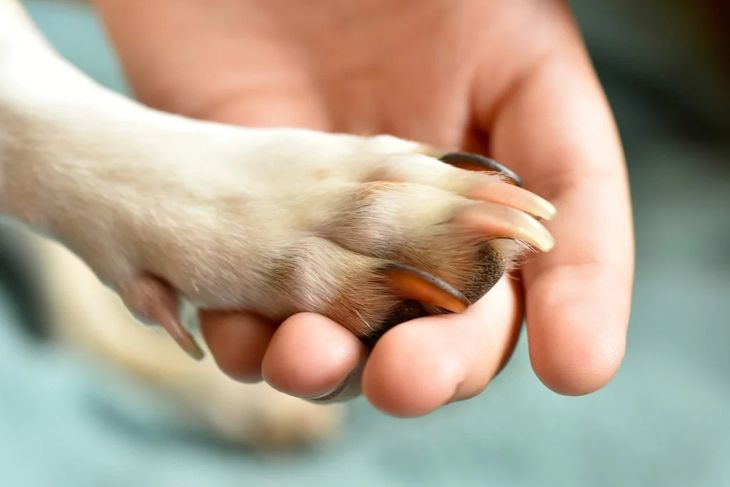
When the protective physical barrier of the canine paw is breached, microscopic pathogens quickly colonize the warm, moist tissue.
A localized dog nail infection can establish itself within a matter of hours after a minor scratch or split claw.
Veterinary scientists classify this specific inflammatory condition of the nail fold as paronychia.
If your dog is suffering from a paronychia dog nail infection, the surrounding tissue will appear puffy, hot to the touch, and highly sensitive.
In many advanced cases, a small amount of pus or clear fluid may seep from the cuticle area under gentle pressure.
This condition requires a careful, targeted paw cuticle inflammation treatment plan to prevent the infection from spreading deeper into the toe bone.
Bacteria like Staphylococcus are naturally present on your dog’s skin and will immediately exploit any open wound.
If left untreated, these bacteria can migrate deep into the nail matrix, causing chronic pain and structural damage to future nail growth.
This is why ignoring minor paw redness can quickly turn a simple grooming oversight into a major veterinary concern.
Our team at Zenpaw emphasizes that early, proactive care is essential to protecting your dog from systemic bacterial issues.
Identifying the precise nature of the inflammation allows you to apply the most effective home therapies before complications arise.
Healthy paws rely on an intact stratum corneum to keep moisture balanced and lock out external environmental microbes.
When this layer is compromised, the canine body triggers an immediate inflammatory response, rushing white blood cells to the area to fight the invaders.
This vascular response is exactly what causes the visible swelling, localized heat, and intense throbbing sensation that your dog is experiencing.
The Battle Between Bacteria and Yeast on Canine Paws
It is crucial to understand that not all paw infections are caused by bacterial invaders.
Yeast organisms, particularly Malassezia, thrive in the dark, humid recesses between your dog’s toes and nail folds.
An overgrowth of these organisms can result in a stubborn dog nail bed yeast infection, which presents unique clinical challenges.
Unlike bacterial infections, a yeast issue typically produces a distinct, sweet corn-chip odor that is hard to miss.
You may also notice a dark, rusty-brown discoloration on the nail plate itself from chronic moisture and licking.
In some cases, a persistent dog nail fungus can also take root, especially if your dog has a compromised immune system.
Fungal spores are incredibly resilient and can survive in the soil, waiting to enter any micro-tears in the cuticle.
Distinguishing between these pathogens is vital because a treatment that kills bacteria will not eliminate a stubborn fungal or yeast overgrowth.
Understanding these biological differences helps you select the correct soothing rinse or topical antiseptic for your pet’s specific paw condition.
Soothing the Inflammation with Epsom Salt Soaks
One of the most highly recommended swollen paw cuticle home remedies is a simple, warm water soak infused with natural Epsom salt.
Epsom salt, or magnesium sulfate, has been used by pet professionals and veterinary experts for decades to draw out deep-seated impurities.
These gentle home remedies for dog nail bed infection work wonders by reducing localized tissue swelling and easing intense throbbing pain.
The high magnesium content helps to soothe irritated nerve endings, while the sulfate assists in flushing out cellular debris.
To prepare a proper therapeutic soak, you will need to dissolve two tablespoons of plain Epsom salt per gallon of warm water.
Ensure the water is comfortably warm, similar to a temperature you would use for a newborn baby’s bath.
Never use hot water, as inflamed dog skin is incredibly sensitive to thermal damage and can easily blister.
Submerge the affected paw in the solution for a duration of ten to fifteen minutes, repeating this process up to three times daily.
You must keep a close eye on your dog during the soak to ensure they do not attempt to drink the salty mixture.
Ingesting Epsom salt can lead to acute gastrointestinal distress, severe diarrhea, or dangerous sodium imbalances in their system.
After the soaking period is complete, gently pat the entire paw dry with a clean, soft microfiber towel.
Moisture is the ultimate enemy of healing, so ensuring the nail folds are completely dry is absolutely critical to preventing further microbial growth.
For highly anxious dogs, you can saturate a clean washcloth in the warm solution and hold it gently against the sore toe instead of submerging the whole foot.
Safe Antiseptic Alternatives and Veterinary Treatments
While natural soaks are excellent for mild irritation, moderate to severe infections require targeted antiseptic interventions.
Diluted chlorhexidine or povidone-iodine solutions can be highly effective at eliminating both bacteria and fungal spores on the paw surface.
Mix these solutions with warm water until they resemble the color of weak tea, then soak the foot for five minutes.
If the tissue remains deep red, continues to ooze yellow pus, or if your dog is completely non-weight-bearing, home remedies will not be enough.
At this stage, you must consult your trusted veterinarian to obtain a prescription antibiotic for dog nail infection clearance.
Oral medications work from the inside out to eradicate deep-seated bacterial populations that topical rinses simply cannot reach.
Your vet may also recommend a topical anti-inflammatory ointment to speed up the healing of the raw cuticle tissue.
Never apply human antibiotic creams like Neosporin to your dog’s paws, as they will immediately lick it off and ingest harmful chemical compounds.
Relying on professional guidance ensures that your pet’s recovery is both swift and completely safe.
How to Prevent Nail Bed Infections with Stress-Free Grooming
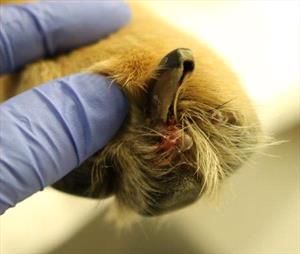
The absolute best way to manage painful nail infections is to prevent them from ever occurring in the first place.
Maintaining a regular, stress-free grooming routine is the cornerstone of keeping your dog’s paws healthy and structurally sound.
Overgrown nails are highly prone to snagging, splitting, and cracking, which creates direct pathways for infectious bacteria to enter the cuticle.
Traditional nail clippers can be incredibly intimidating for both you and your pet because of the sudden, loud crushing force they exert.
This is where introducing a modern, whisper-quiet tool like the Zenpaw Maxpro 3-in-1 Grinder can completely transform your routine.
To begin, you must properly desensitize your dog to the new tool by using positive reinforcement and high-value treats.
Let your dog sniff the grinder while it is turned off, rewarding them immediately with their favorite snack to build a happy association.
Next, turn the grinder on its lowest speed while keeping it at a safe distance, allowing them to get used to the gentle humming sound.
Because the Zenpaw Maxpro operates at an incredibly quiet volume under 40 decibels, most dogs adapt to the sound within just a few sessions.
Once your dog is comfortable, gently hold their paw and press the grinding wheel against a single nail for no more than two seconds at a time.
Always hold the grinder at a precise forty-five-degree angle to mimic the natural wear of the claw as they walk on pavement.
This careful angle prevents you from accidentally grinding into the sensitive quick, ensuring a completely painless experience.
Work slowly, moving from toe to toe, and always praise your dog lavishly throughout the entire process to maintain their confidence.
Why Traditional Clippers Put Your Dog’s Paws at Risk
Many well-meaning dog owners accidentally cause painful claw injuries by relying on outdated grooming tools and rushed techniques.
Traditional guillotine clippers apply an immense amount of lateral pressure to the hard outer shell of the canine claw.
This violent crushing action often causes the nail to split longitudinally, sometimes stretching all the way up into the sensitive live nail bed.
Once a split occurs, dirt, microscopic bacteria, and outdoor moisture get trapped deep inside the newly formed crevice.
This is a primary recipe for developing painful paronychia and chronic, recurring toe infections that require expensive veterinary care.
Another very common mistake is rushing through the grooming process because the dog is struggling or showing signs of high anxiety.
When you are rushed, it is incredibly easy to misjudge the distance and clip directly into the highly vascularized quick.
This mistake results in immediate, heavy bleeding, intense pain, and severe psychological trauma that makes future grooming sessions a battle.
Using a premium rotary grinder allows for gradual, micrometric filing, giving you complete control over how much nail you remove.
This painless, progressive approach eliminates the risk of sudden splits and ensures your dog’s paws remain strong, healthy, and completely free of infection.
Comparing Dog Nail Care Solutions
Based on grooming feedback from over 18,587+ Zenpaw users, we have compared the most common nail maintenance methods below.
| Grooming Method | Nail Splitting Risk | Anxiety Levels | Average Long-Term Cost |
|---|---|---|---|
| Zenpaw Maxpro Grinder | Extremely Low (Gradual Filing) | Minimal (Under 40dB Motor) | Low (One-time Investment) |
| Traditional Metal Clippers | High (Crushes & Splits Nails) | High (Scary Clicking Sounds) | Low (Frequent Replacements) |
| Professional Groomer Visits | Varies by Groomer Tool | High (Travel & Strange Places) | Very High ($40-$80 Monthly) |
Frequently Asked Questions (FAQ)
Conclusion: A Peaceful Path to Paw Wellness
Ready to transform nail trimming from a battle into a breeze? Explore the Zenpaw Maxpro 3-in-1 Grinder. Call: 302-307-1000 — our team can help you advise on the best grooming practices and help with any product questions.