
I still remember the night my golden retriever, Cooper, kept licking his paws raw, and when I looked closer, I was horrified to see his beautiful claws turning a dusty, brittle yellow from a hidden case of dog nail fungus. It broke my heart to see him in pain, and traditional clippers only made him scream, but finding a gentle, quiet way to restore his paw health changed everything for our family.
Maxpro 3-in-1 Grinder.
Stress-Free Nail Trimming.
Whisper-quiet DC motor (<40 dB) eliminates fear & discomfort. Features 3 ports, dual speeds, and 7-hour battery life. Safe, precise, and painless.
In This Article
- Understanding the clinical indicators of fungal infections on dog claws.
- How to spot issues using real visual references and clinical images.
- Expert step-by-step guidance on gentle paw care and recovery plans.
- Anatomical breakdown of dog claws to prevent grooming anxiety and pain.
- Practical desensitization techniques for a completely stress-free nail maintenance routine.
Does Your Pup Have Dog Nail Fungus? Here Is What the Experts Say
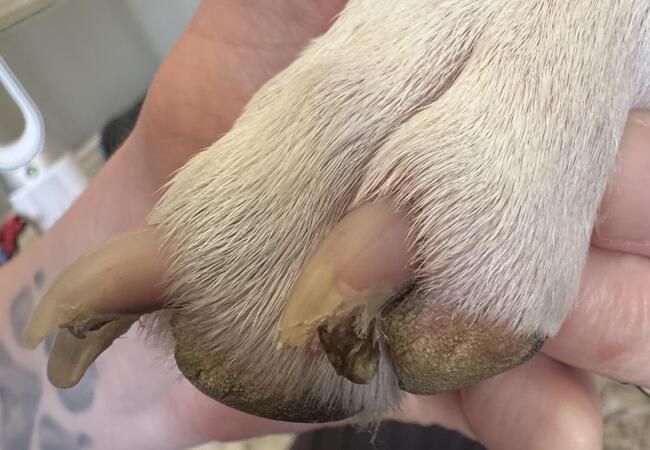
Fungal claw issues represent a common opportunistic health challenge that affects canine paws when yeast or mold strains invade the surrounding tissue.
This condition is frequently observed in domestic dogs that spend excessive time walking through damp grass, mud, or wet environments.
Pet owners typically notice these symptoms developing during the humid summer months when environmental moisture stays trapped between the toes.
The underlying cause is usually an overgrowth of Malassezia yeast, which flourishes when a dog’s immune system or skin barrier is temporarily compromised.
Veterinarians can evaluate this specific condition by performing non-invasive tape lifts or cytological cultures of the affected nail fold.
Addressing this problem early is crucial because chronic inflammation can lead to structural claw damage and severe discomfort.
Fortunately, you can support your dog’s recovery at home by using specialized topical washes and maintaining a consistent grooming routine.
To manage this issue effectively, you should establish a daily routine of cleansing the paws with a safe, diluted antiseptic soak.
Gently dry the entire paw with a clean, soft towel to ensure no standing water remains to feed the fungal overgrowth.
Carefully trim away any peeling, damaged, or brittle nail tips to allow healthy air circulation to reach the compromised tissue.
Avoid using aggressive, crushing tools that can cause micro-fractures in the nail plate and elevate dog nail pain.
If you want to handle this safely at home, the Zenpaw Maxpro Grinder provides painless, quiet filing — explore it here.
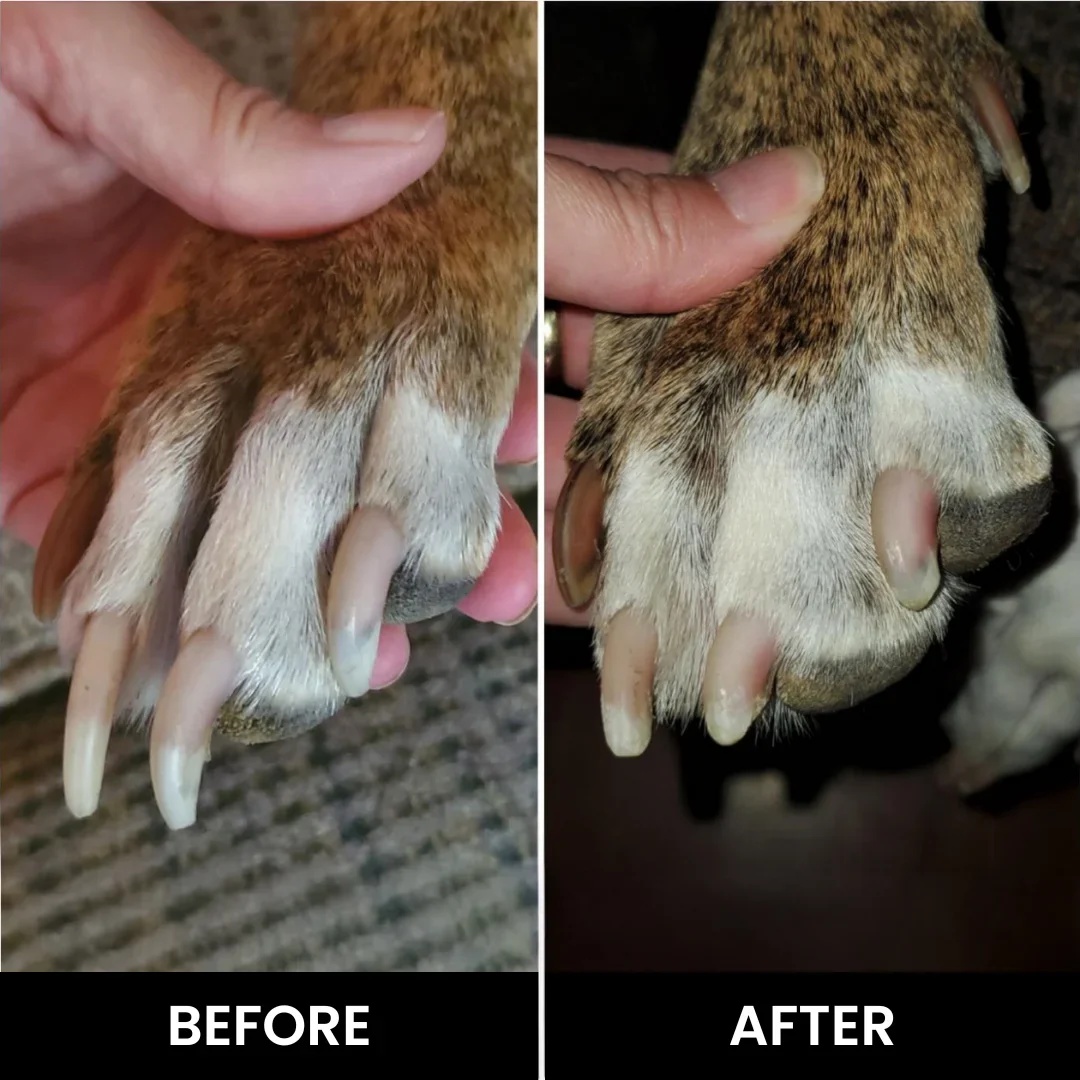
99-Day 100% Money-Back Guarantee
“Ever since we started using the Zenpaw Maxpro Grinder, it’s been such a peaceful experience. It’s very quiet, and my dog actually relaxes. It’s turned our stressful sessions into quick, quiet grooming times.”
— Sarah M. | ✔ Verified Customer
- ✓ Prevents Infection & Splitting
- ✓ Ideal for All Dog Sizes
- ✓ Low-Vibration Technology
- ✓ Fast 2-7 Days Delivery
Need Support? Call 302-307-1000
Identifying the Symptoms: Understanding Dog Nail Fungus Pictures and Images
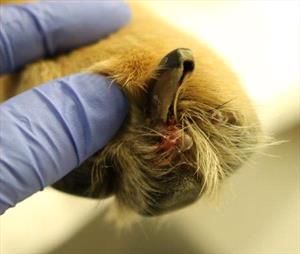
When searching for dog nail fungus pictures online, you will often find claws that display a distinct reddish-brown discoloration at the base.
Healthy canine nails should be smooth, solid, and uniform in color from the root to the tip.
In contrast, dog nail fungus images frequently showcase dry, crumbly, and splitting claw structures.
You might observe a greasy, dark buildup around the cuticle area that emits a sweet, corn-chip-like odor.
The surrounding skin may appear swollen, flaky, or dry due to the localized fungal activity.
Dogs suffering from this condition will constantly lick, chew, or bite at their toes in an attempt to find relief.
This constant moisture from licking unfortunately creates a self-reinforcing cycle that allows the fungus to spread further.
Over time, the outer shell of the claw can become so weak that it flakes off with minimal pressure.
Comparing your pet’s paws to verified visual guides can help you determine if a veterinary consultation is necessary.
Early identification is the key to preventing a simple case of yeast overgrowth from developing into a deeper skeletal infection.
You should also look for signs of splitting along the vertical growth lines of the claw.
These splits can trap dirt, debris, and environmental pathogens, accelerating the deterioration of the nail plate.
Many online galleries of infected paws show dogs with severely distorted claw growth angles.
This distortion happens because the fungal colony disrupts the delicate nail matrix where new keratin is formed.
If your pet’s claws look dry and chalky, they are likely suffering from this progressive structural weakness.
Regularly comparing your dog’s paws to professional clinical references helps catch these changes before they worsen.
We suggest keeping a close eye on any yellowing or scaling near the underside of the claw tip.
This area is particularly vulnerable because it directly contacts damp soil and outdoor surfaces during daily walks.
By understanding what these symptoms look like in real life, you can intervene with protective care much sooner.
Protecting the nail barrier from cracking is your first line of defense against long-term structural damage.
Understanding Paronychia Dog Nail Infection and Nailbed Inflammation
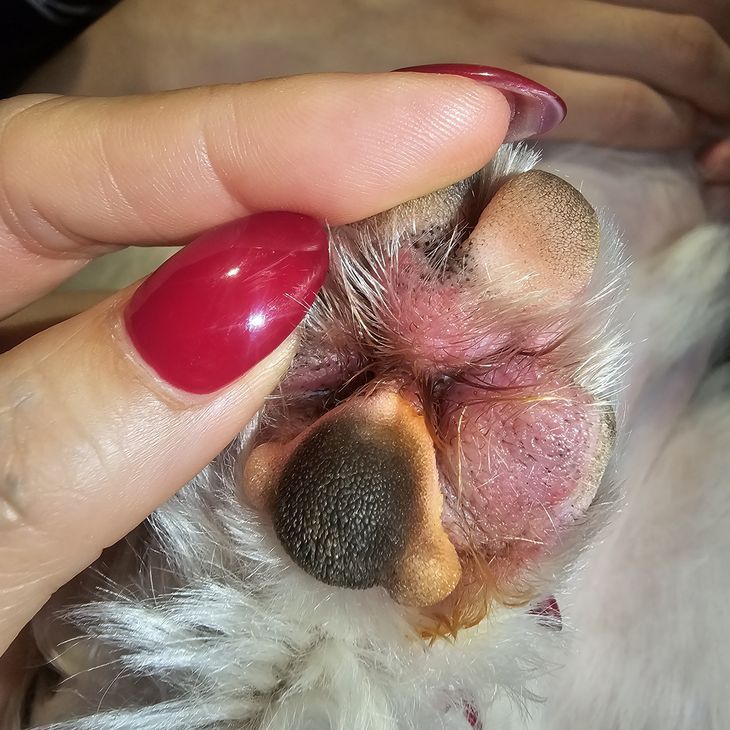
When fungal pathogens penetrate deep into the skin folds surrounding the claw, it can escalate into a condition known as paronychia.
A paronychia dog nail infection is characterized by intense redness, swelling, and sometimes purulent discharge around the nail bed.
According to clinical studies, this secondary inflammatory response occurs when the physical barrier of the cuticle is compromised.
The claw matrix, which produces new nail cells, becomes highly sensitive and painful to the touch.
You must understand that the claw surrounds a highly vascular structure known as the quick.
When paronychia sets in, the quick becomes engorged with blood and extremely prone to bleeding.
Traditional nail trimmers compress this swollen area, causing immense pressure and pain for your companion.
Professional groomers note that using a slow-speed, low-heat grinder is a far gentler option for compromised paws.
By choosing a quiet tool like the Zenpaw Maxpro, you can keep the nails short without placing painful pressure on the swollen nail bed.
Keeping the claw short prevents it from pushing back into the inflamed joint when your dog walks on hard floors.
When a long claw strikes the ground, it forces the entire toe upward, which severely exacerbates the inflammation within the nail bed.
Leading veterinary journals state that maintaining proper claw length is crucial for relieving joint strain and paw discomfort.
Chronic paronychia can eventually cause the nail to separate completely from the underlying bone structure.
This separation is incredibly painful and often requires advanced veterinary intervention to resolve safely.
By keeping the claws filed down gently, you prevent the mechanical pulling forces that lead to nail separation.
A whisper-quiet grinder allows you to perform these vital maintenance steps without triggering a fear response in your dog.
Our team at Zenpaw designed the Maxpro Grinder with these highly sensitive scenarios in mind.
The precision grinding wheel shaves down the nail fabric microscopic layer by microscopic layer, ensuring absolute comfort.
This gentle method protects the inflamed tissues of the nail bed from sudden, painful shocks.
With consistent, stress-free care, you can help your companion recover their mobility and happiness.
Essential Paw Hygiene: Finding a Dog Nail Bed Infection Home Remedy
Keeping your dog’s paws clean is the foundation of managing any localized yeast or bacterial overgrowth.
Many pet parents search for a safe dog nail bed infection home treatment to support their pet’s recovery between veterinary visits.
A highly recommended home care step involves soaking the affected paws in warm water mixed with organic apple cider vinegar.
This simple solution creates an acidic environment on the skin that is highly unfavorable for yeast reproduction.
Alternatively, an over-the-counter chlorhexidine wash can be used to cleanse the area and remove opportunistic bacteria.
It is critical to dry the paw entirely after any soak, as lingering dampness will only encourage further fungal expansion.
Once the paw is clean and dry, you should inspect the claw length to ensure it is not putting pressure on the sensitive toe pad.
Keeping the claws filed down allows the toe pads to make proper contact with the ground, reducing overall joint stress.
Regular maintenance also prevents the nails from snagging on carpets or outdoor debris, which can tear the fragile cuticle.
By combining consistent hygiene with safe grooming tools, you can create a highly protective environment for your pup’s paws.
You can also apply natural, pet-safe coconut oil to the nail folds to soothe dry, irritated skin.
Coconut oil contains lauric acid, which possesses mild natural properties that inhibit fungal development.
Ensure your dog does not immediately lick the oil off, as it needs time to absorb into the skin tissues.
Keeping your dog resting on a clean, dry surface after paw care is highly beneficial for their recovery.
Avoid letting them run through tall, wet grass where new mold spores can easily colonize the freshly cleaned paws.
If you notice any discharge or a foul odor that does not improve, seek advice from your trusted veterinarian.
Home care is excellent for mild cases, but professional veterinary assessment is vital for deep-seated systemic issues.
Our mission is to empower you to handle the everyday grooming aspects of paw hygiene with absolute confidence.
When your dog’s paws are clean, dry, and neatly filed, their overall quality of life improves dramatically.
A proactive approach to paw health is the greatest gift you can give to your loyal canine companion.
How to Keep Infected Claws Short: Step-by-Step Paw Recovery and Grinding Protocol
If your dog hates nail trim sessions, introducing a new tool must be handled with patience and positive reinforcement.
The first step is simply showing the Zenpaw Maxpro Grinder to your pet while offering a high-value snack.
Do not turn the device on initially; let your dog sniff the quiet tool and associate it with rewarding experiences.
Once your dog is comfortable with the physical object, turn the grinder on its lowest speed while keeping it at a distance.
The whisper-quiet motor operates at under 40 decibels, which prevents the sudden panic caused by loud, vibrating store-bought alternatives.
Reward your dog again as they listen to the gentle, low-pitched hum of the motor.
Next, touch the body of the running grinder to your dog’s leg to let them get used to the micro-vibrations.
When you are ready to file the actual claw, make sure you understand how to use dog nail grinder tools properly by holding the rotating head at a 45-degree angle.
Work in very short, two-second intervals on each claw to avoid any heat buildup from friction.
Fungi can weaken the claw, so a gentle touch is essential to keep the nail plate from cracking.
Hold the paw securely but gently, supporting each individual toe as you work.
Gradually file around the outer edges of the nail to round off the sharp corners without approaching the sensitive quick.
After every successful session, celebrate with your companion to build long-term confidence and a positive association.
You should never force your dog to endure a long session if they begin to show signs of stress or fatigue.
Breaking the process down into multiple short sessions over several days is highly effective for anxious pets.
Over time, your dog will realize that the gentle vibration does not cause them any pain or discomfort.
This systematic desensitization process is the gold standard recommended by certified veterinary behaviorists.
By using a predictable, low-noise tool, you eliminate the scary element of surprise from your grooming routine.
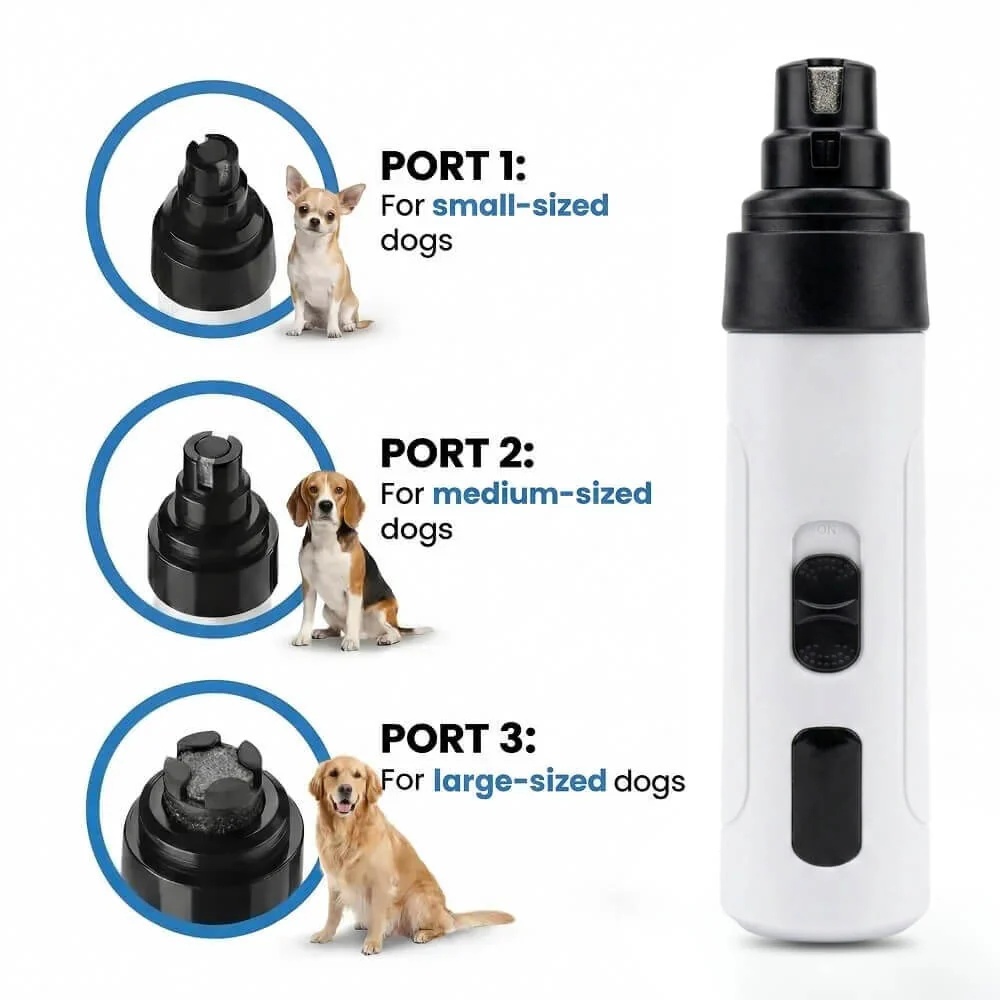
The 3-in-1 design of our grinder allows you to select the perfect port size for your dog’s specific claw dimensions.
This customizable approach ensures a perfect fit, preventing the nail from slipping or vibrating excessively during filing.
Traditional Clippers vs. Safe Grinding for Compromised Claws
Many pet owners make the mistake of using traditional, dull scissor clippers on infected dog claws.
This mechanical crushing action forces the weakened, brittle nail walls to split and shatter, exposing the raw quick.
Splitting the nail also creates tiny crevices where moisture, dirt, and yeast can hide, making the infection harder to clear up.
Rushing through the grooming process is another common error that can lead to accidental bleeding and trauma.
If your dog has ever visited a commercial dog nail salon, they may already have negative associations with quick, forceful trimming.
Using a high-quality grinder allows for gradual, layer-by-layer removal of the claw material.
This incremental approach gives you total control, allowing you to stop filing the moment you see the light dot of the quick appearing.
The Zenpaw Maxpro’s low-heat technology ensures the grinding head remains cool, preventing any painful thermal transfer to the sensitive claw bed.
Taking your time and using a gentle, rhythmic technique keeps both you and your pet relaxed throughout the process.
This slow, safe methodology is the best way to support your dog’s paw health while restoring their trust in grooming.
Traditional clippers also apply sudden, jarring pressure that can terrify dogs with existing paw sensitivity.
A gentle, rotating file card provides a smooth, predictable sensation that does not startle the animal.
You can easily round off any sharp edges that might otherwise catch on outdoor terrain or home carpeting.
This rounding effect prevents painful claw tears that can reopen healing nail beds to new infections.
Shifting to a grinder is a highly proactive step toward preserving the structural integrity of your dog’s paws.
Frequently Asked Questions About Canine Fungal Paw Care
Yes, the Zenpaw Maxpro features three distinct ports designed to accommodate small, medium, and large breeds safely.
The heavy-duty brass spindle provides ample power to file through even the thickest, most stubborn dog claws without stalling.
You can select the largest port and the high-speed setting for maximum efficiency when grooming larger canine companions.
The Zenpaw Maxpro is equipped with a high-capacity lithium-ion battery that delivers up to seven hours of continuous run time.
This exceptional battery life allows you to complete multiple grooming sessions without worrying about losing power mid-trim.
It is easily rechargeable using a standard USB cable, making it convenient to charge anywhere in your home.
We recommend starting on the low-speed setting to introduce the device to highly anxious or sensitive dogs.
The low-speed mode minimizes vibration and noise, allowing your pet to habituate to the sensation gradually.
Once your dog is comfortable, you can switch to the high-speed mode for faster, more efficient filing.
The Zenpaw Maxpro utilizes advanced low-heat technology to prevent the friction surface from overheating.
This prevents the painful thermal burning sensation that cheap, high-friction pet grinders often produce.
We still recommend shifting between different nails every few seconds to keep the claw temperature perfectly comfortable.
We highly recommend waiting until your dog’s paws are completely dry before beginning any grinding session.
Wet claws are much softer and more prone to tearing, which can lead to uneven filing and increased sensitivity.
Filing dry claws allows the grinding wheel to shave away the keratin cleanly and smoothly without creating rough edges.
For healthy dogs, a quick filing session once every two weeks is typically sufficient to maintain ideal claw length.
If your companion is recovering from a nail infection, you may want to file them slightly more often to keep them very short.
Regular, brief sessions are much easier for your dog to tolerate than long, infrequent grooming marathons.
Conclusion
Ready to transform nail trimming from a battle into a breeze? Explore the Zenpaw Maxpro 3-in-1 Grinder. Call: **302-307-1000** — our team can help you advise on the best grooming practices and help with any product questions.
Note: Individual results may vary depending on individual dog breeds, nail thickness, and behavioral temperaments. This article is intended for general pet grooming reference purposes only and does not replace professional veterinary advice.