
I still remember the heart-stopping yelp my sweet pup made when my old, dull clippers slipped, and I realized I had caused a painful cut dog’s nail too short accident that could lead to a serious cut dog nail too short infection. Seeing her bleed made me feel incredibly guilty, which is why we created the Zenpaw Maxpro 3-in-1 Grinder to ensure other pet parents never have to experience that terrible stress.
Maxpro 3-in-1 Grinder.
Stress-Free Nail Trimming.
Whisper-quiet DC motor (<40 dB) eliminates fear & discomfort. Features 3 ports, dual speeds, and 7-hour battery life. Safe, precise, and painless.
In This Article
- Spotting Infection Warning Signs: Learn how to identify symptoms of an infected claw bed early.
- Canine Nail Anatomy: Understand the structure of the quick and how pathogens invade cut blood vessels.
- First-Aid Actions: Learn how to properly stop bleeding and keep the nail clean.
- Preventative Grooming: Discover why a whisper-quiet, dual-speed nail grinder is the safest tool for your dog.
What to Do Immediately to Prevent a Cut Dog Nail Too Short Infection
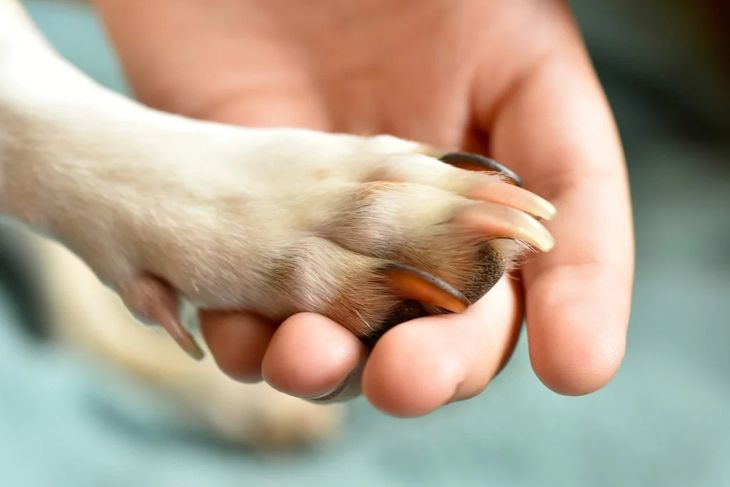
Accidentally cutting into the quick is a stressful experience for both you and your canine companion.
The first step is always to remain calm so your dog does not feed off your nervous energy.
You must immediately act to control the bleeding and protect the vulnerable exposed blood vessels.
Apply styptic powder directly to the bleeding claw using a clean cotton swab.
If you do not have styptic powder in your home grooming kit, cornstarch or baking flour can serve as temporary alternatives.
Apply firm but gentle pressure to the tip of the nail for at least two to three minutes.
For more details on managing this initial emergency, read our guide on how to stop dog nail bleeding.
Once the bleeding stops, keep your dog in a clean, dry indoor environment.
Avoid letting them run outside on dirty soil, grass, or wet pavement for at least twenty-four to forty-eight hours.
This healing window is critical because yard dirt is packed with microscopic pathogens ready to invade the open wound.
You may wonder dog nail cut too short how long to heal before the infection risk fully drops.
Typically, the sensitive outer layer of the quick seals itself within two to three days, but complete regrowth takes several weeks.
During this initial healing phase, inspect the paw daily under a bright light.
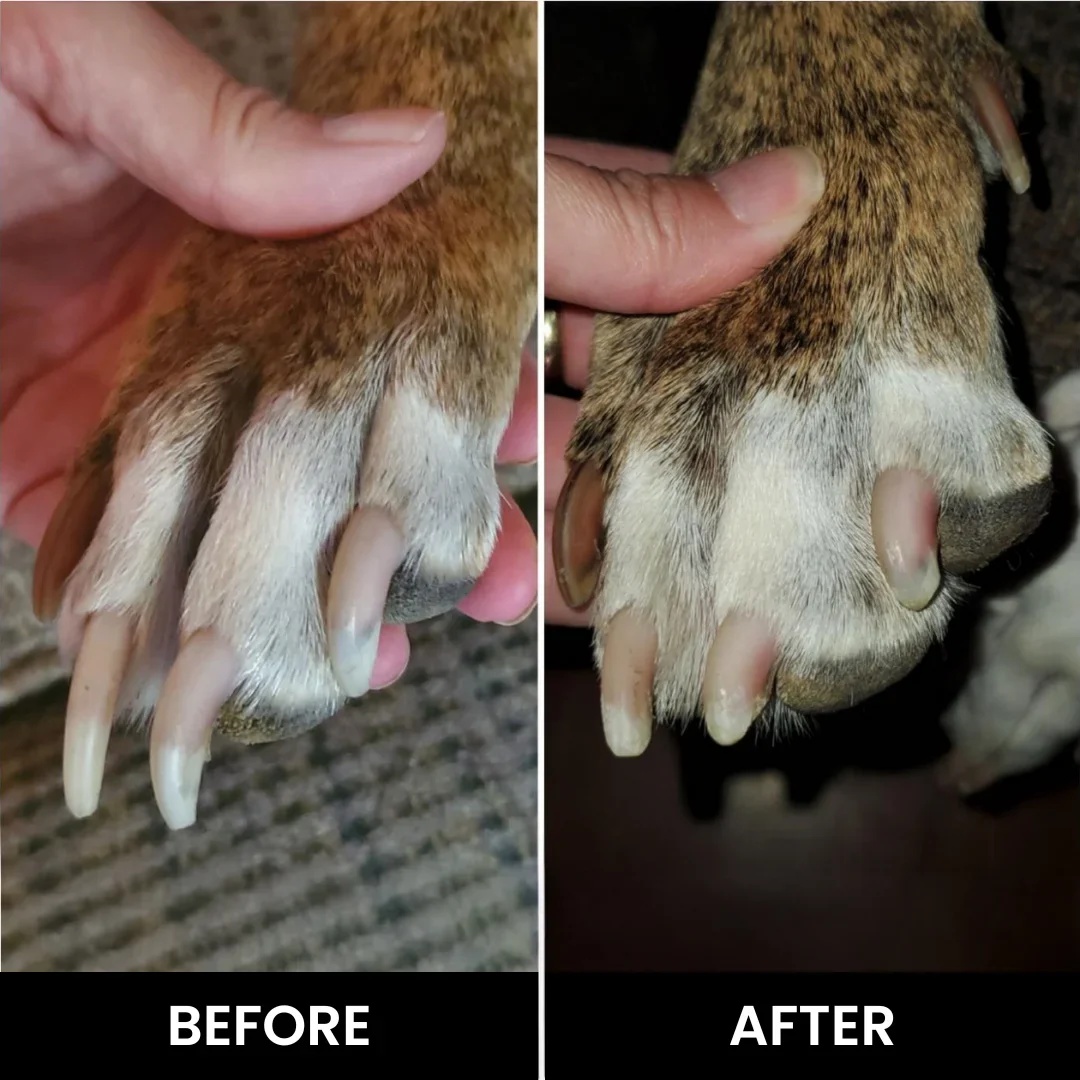
Using a precise tool like the Zenpaw Maxpro 3-in-1 Grinder prevents these stressful accidents entirely by slowly filing the nail rather than cutting it blindly.
99-Day 100% Money-Back Guarantee
“Ever since we started using the Zenpaw Maxpro Grinder, it’s been such a peaceful experience. It’s very quiet, and my dog actually relaxes. It’s turned our stressful sessions into quick, quiet grooming times.”
— Sarah M. | ✔ Verified Customer
- ✓ Prevents Infection & Splitting
- ✓ Ideal for All Dog Sizes
- ✓ Low-Vibration Technology
- ✓ Fast 2-7 Days Delivery
Need Support? Call 302-307-1000
Infected Nail Bed Symptoms: How to Spot the Warning Signs
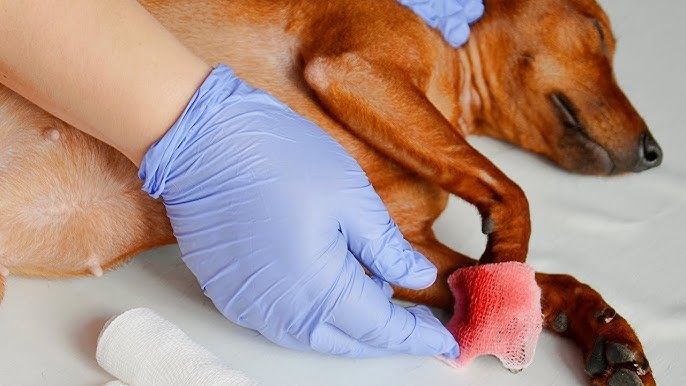
Recognizing the early symptoms of a dog nail infection is critical for prompt and successful care.
When bacteria enter the delicate tissue, the body responds with a local inflammatory reaction.
You will first observe localized redness and swelling concentrated right around the cuticle of the affected toe.
A dog nail bed swollen and warm to the touch is a primary clinical warning sign.
Your dog will likely show intense behavioral changes, such as constant licking or chewing at the sore paw.
This licking behavior is their instinctual attempt to soothe the throbbing, painful pressure built up inside the claw.
You may notice limping, holding the paw off the ground, or resisting any physical touch to that leg.
As the bacterial infection progresses, you might observe a clear, yellow, or greenish discharge weeping from the cuticle margin.
A foul, sweet, or musty odor coming directly from the toe indicates active bacterial colonization.
The nail itself may start to look dull, discolored, or structurally brittle at the base.
In severe, advanced cases, the localized swelling can travel up the toe joint and affect the entire paw.
If left without professional care, your pet may develop systemic signs of illness like lethargy, loss of appetite, or a low-grade fever.
Understanding these progressive symptoms helps you intervene before the problem spreads into deeper tissues.
Can a Dog’s Nail Get Infected if Cut Too Short? The Pathology of Cut Quick Bacterial Risk
To understand how a cut quick bacterial risk turns into a serious medical issue, we must look at canine nail anatomy.
Unlike human nails, a dog’s claw contains a central vascular core known as the quick.
This quick consists of a highly sensitive nerve bundle and a direct supply of blood vessels.
The hard outer shell of the nail is made of keratin, which acts as a protective shield for this vascular core.
When you use traditional clippers, the blade often squeezes and crushes the hard keratin shell before cutting through.
This crushing action can split the nail vertically, exposing the sensitive quick even if you did not cut directly into it.
If the clipper blade cuts too high, it slices directly through the blood vessels, leaving them wide open.
According to veterinary guides, this open wound provides a direct highway for environmental bacteria to enter the body.
Common bacteria found in backyard dirt, such as Staphylococcus and Streptococcus, can quickly colonize the raw, moist tissue.
Once inside, these microbes multiply rapidly in the warm, enclosed space under the remaining nail shell.
This can lead to a condition called paronychia, which is a painful bacterial infection of the tissue surrounding the claw.
Using a high-quality grinder allows for a slow, controlled grooming process that reduces the risk of exposing this delicate inner tissue.
Professional Dog Nail Injury Treatment Protocols
If you suspect an active infection, consulting your family veterinarian is the safest and most reliable course of action.
A professional assessment is essential to determine the severity of the claw tissue damage.
For mild, early-stage inflammation, your vet may recommend simple home remedies for dog nail bed infection care.
This often includes soaking the affected paw in warm water mixed with unscented Epsom salts for ten minutes, two to three times a day.
Epsom salt soaks help draw out fluid, soothe throbbing pressure, and keep the outer tissues clean.
However, you should never attempt to squeeze, pop, or drain any visible pus from your dog’s swollen toe yourself.
If the infection has taken hold in the deeper tissues, a professional veterinary prescription is typically required.
Your vet may prescribe a targeted topical or oral antibiotic for dog nail infection management.
It is vital to complete the entire course of prescribed antibiotics, even if the toe looks completely healed after a few days.
Stopping the medication early can lead to a return of the infection with stronger, antibiotic-resistant bacteria.
The veterinarian may also apply a protective, breathable wrap to shield the healing claw from outdoor dirt.
For a detailed breakdown of medical steps, explore our resource on dog nail injury treatment.
Never apply human pain relievers, creams, or antibiotic ointments to your dog’s paws without explicit instructions from your vet.
Many common human over-the-counter medications are highly toxic to dogs if licked and swallowed.
Step-by-Step Guide to Safe Nail Grooming and Stress-Free Desensitization
Transitioning your dog from traditional clippers to a quiet grinder requires patience, positive reinforcement, and the right approach.
The goal is to build a calm, cooperative relationship where your pet feels safe and comfortable during grooming sessions.
First, introduce your dog to the visual appearance of the Zenpaw Maxpro Grinder while it is completely turned off.
Place the grinder on the floor and let your dog sniff it, immediately rewarding them with high-value treats and praise.
Repeat this step several times over two days until your dog shows happy, positive anticipation when they see the device.
Next, turn the grinder on its lowest speed setting while keeping it several feet away from your pet.
The whisper-quiet motor of the Zenpaw Maxpro operates under 40 decibels, which is much quieter than typical, loud groomer tools.
Reward your dog simply for remaining relaxed while hearing the low, soothing hum of the motor.
Once they are comfortable with the sound, gently touch the body of the vibrating grinder to their leg or shoulder for a brief second.
Do not attempt to grind the nails yet; simply help them get used to the physical sensation of the mild vibration.
When you are ready to trim, hold your dog’s paw firmly but gently in your hand, supporting the individual toe you plan to groom.
Approach the tip of the claw at a precise 45-degree angle to match the natural curve of the nail.
Apply the grinding wheel to the nail tip for only two to three seconds at a time to prevent any friction heat from building up.
Move systematically from nail to nail, rewarding your dog with a small treat after completing each paw.
This gradual, positive method helps ensure your pet remains happy, calm, and cooperative for every future grooming session.
Overcoming Grooming Risks: Why Traditional Clippers Fail
Traditional guillotine or scissor-style clippers have been the standard grooming tool for decades, but they carry significant risks.
These manual tools rely on brute force to crush and sever the tough keratin structure of the dog’s nail.
This crushing pressure often causes the nail to fracture, splinter, or split longitudinally along the natural grain.
A split nail exposes the sensitive inner quick to dirt, water, and harmful bacteria even if you did not cut the nail too short.
Additionally, clippers make it incredibly difficult to see the delicate quick, especially on dogs with dark or black nails.
You are forced to make a single, blind guess, which often leads to painful mistakes, bleeding, and subsequent infection risks.
In contrast, the Zenpaw Maxpro Grinder uses a high-speed diamond bit wheel to gently file down the nail layer by layer.
This micro-shaving action allows you to see the changing color of the nail tip as you approach the quick.
On dark nails, a small dark dot will appear in the center of the cut surface when you are getting close to the nerve bundle.
This clear visual warning tells you exactly when to stop, preventing any painful bleeding or tissue injury.
Furthermore, the smooth, rounded finish left by a grinder prevents the nail from snagging, cracking, or splitting on carpets and outdoor surfaces.
Switching to a modern, quiet grinding tool protects your dog’s physical health and transforms grooming into a peaceful bonding experience.
Frequently Asked Questions (FAQ)
Is the Zenpaw Grinder safe for large dogs with thick nails?
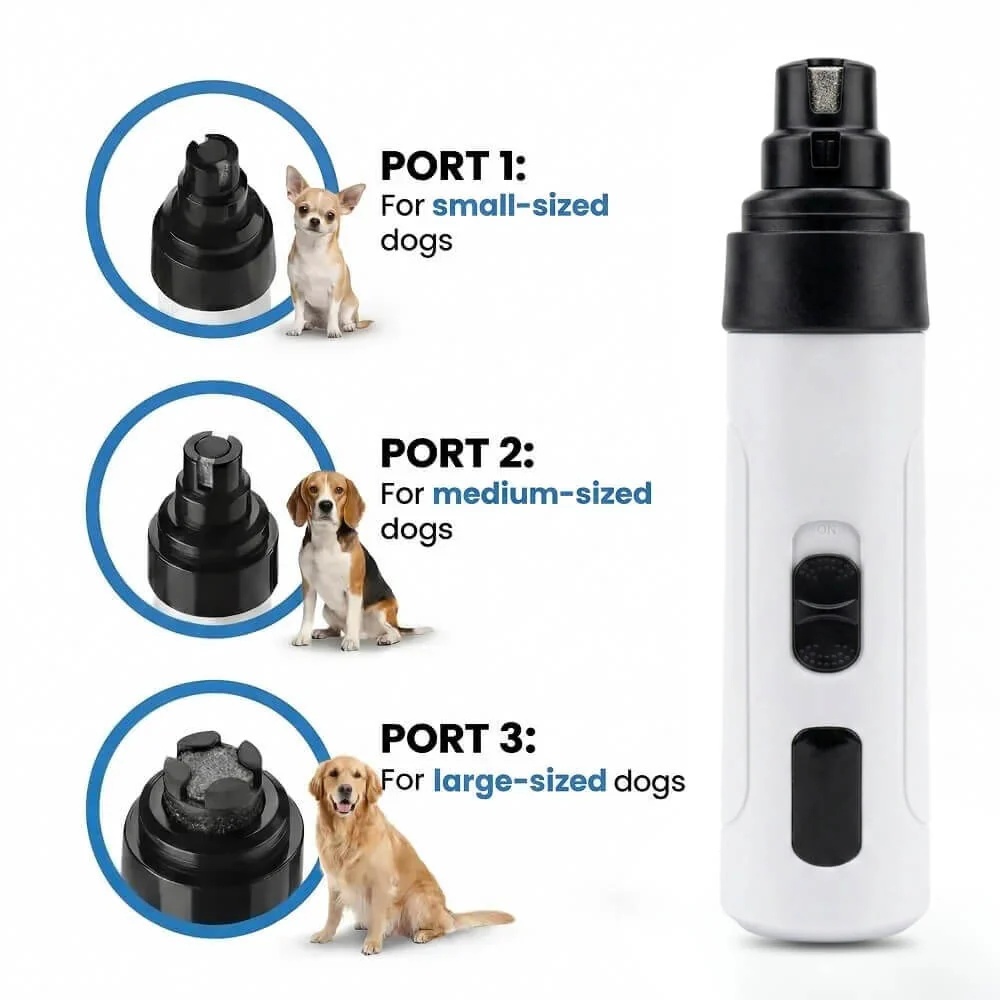
Yes, the Zenpaw Maxpro is fully optimized to handle nails of all shapes, sizes, and thicknesses.
It features three separate grooming ports designed to accommodate small, medium, and large dog breeds safely.
The high-efficiency brass motor provides steady, powerful rotation to file down thick claws smoothly without stalling or stopping.
How long does the battery last on a single charge?
The Zenpaw Maxpro features a long-lasting, rechargeable lithium-ion battery that provides up to seven hours of continuous run time.
It can be easily recharged using the included universal USB cable, allowing you to plug it into any laptop, wall adapter, or power bank.
This long battery life means you can complete multiple grooming sessions without worrying about the device running out of power mid-trim.
Which speed setting is best for anxious puppies?
We recommend starting with the lowest speed setting when introducing a young puppy or an anxious dog to the grinder.
The low speed produces the quietest sound and the mildest vibration, helping your pet stay relaxed and calm.
Once your pup is completely desensitized to the tool, you can switch to the higher speed setting for faster, more efficient filing.
Does the grinding tip get hot during use?
The Zenpaw Maxpro uses advanced low-heat technology to minimize friction and prevent the grinding wheel from heating up.
To ensure absolute safety, you should always apply the grinder to the nail in short, gentle bursts of two to three seconds.
This technique allows any mild heat to dissipate instantly, ensuring your dog feels only a comfortable, vibration-free sensation.
Conclusion
Protecting your dog’s paws from painful infections starts with choosing safer, more precise grooming tools.
Ready to transform nail trimming from a battle into a breeze?
Explore the Zenpaw Maxpro 3-in-1 Grinder today.
Call 302-307-1000 — our team can help you advise on the best grooming practices and help with any product questions.
Note: Individual results may vary depending on individual dog breeds, nail thickness, and behavioral temperaments. This article is intended for general pet grooming reference purposes only and does not replace professional veterinary advice.