
I still remember the sheer panic when I accidentally nicked my golden retriever’s quick, watching bright red drops stain the carpet while my heart pounded with guilt. Like so many pet parents, I desperately searched if can a dog bleed out from a nail while trying to soothe his whimpers. That terrifying experience drove our team at Zenpaw to design a safer, stress-free way to maintain claws without the constant anxiety of sharp clippers.
Maxpro 3-in-1 Grinder.
Stress-Free Nail Trimming.
Whisper-quiet DC motor (<40 dB) eliminates fear & discomfort. Features 3 ports, dual speeds, and 7-hour battery life. Safe, precise, and painless.
In This Article
- Physiological Realities: Discover if claw bleeding is physically capable of causing fatal blood loss.
- Canine Nail Anatomy: Learn how to easily identify the highly sensitive vascular quick.
- Emergency Markers: Understand when a bleeding claw demands immediate veterinary attention.
- Stress-Free Solutions: Learn how to transition your pet to a peaceful, vibration-free grooming routine.
Can a Dog Bleed Out From a Nail? Demystifying the Fatal Risks of Claw Injuries
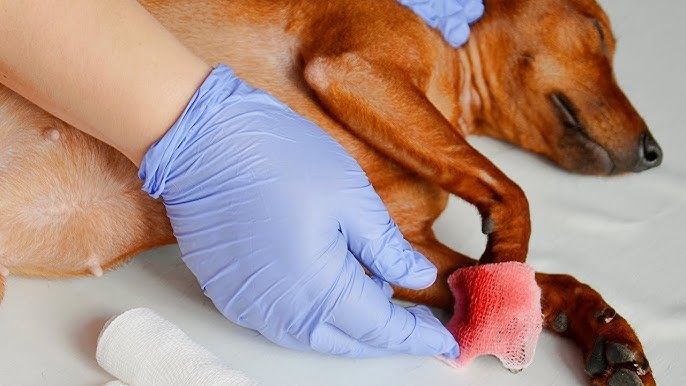
Many pet owners experience absolute terror when a claw begins to drip blood.
You might see bright red splatters on your tile floor during grooming.
Your immediate, terrifying thought is whether your beloved companion could lose a fatal amount of blood.
The short, reassuring answer is no, a healthy dog will not bleed out from a standard cut nail.
The blood vessels running inside the canine claw are relatively small in diameter.
A healthy canine body possesses robust, natural clotting mechanisms that spring into action immediately.
These mechanisms seal the broken vessel within minutes to protect the vascular system.
However, the situation changes if your pet suffers from an underlying health condition.
Certain dog breeds are genetically predisposed to clotting disorders like Von Willebrand’s disease.
Dogs with these severe blood disorders cannot form normal clots to seal damaged blood vessels.
For these specific pets, a simple nail injury can turn into a serious, prolonged bleeding episode.
Additionally, the constant movement of your dog can easily disrupt a fresh clot.
If your dog continues to run, jump, or scratch, the bleeding will start all over again.
This repetitive bleeding makes the minor injury look much worse than it actually is.
Over several hours, a small toy breed dog can lose a concerning percentage of its total blood volume.
This real risk is why knowing how to handle dog nail trauma is vital for every pet owner.
You must stay calm so your dog does not feed off your nervous energy.
An elevated heart rate in your dog will actually pump more blood out of the wound.
By understanding the physiological realities, you can act with confidence and precision.
Most nail bleeds look like a crime scene but are easily manageable with basic first aid.
Our goal at Team Zenpaw is to help you prevent these stressful blood spills entirely.
99-Day 100% Money-Back Guarantee
“Ever since we started using the Zenpaw Maxpro Grinder, it’s been such a peaceful experience. It’s very quiet, and my dog actually relaxes. It’s turned our stressful sessions into quick, quiet grooming times.”
— Sarah M. | ✔ Verified Customer
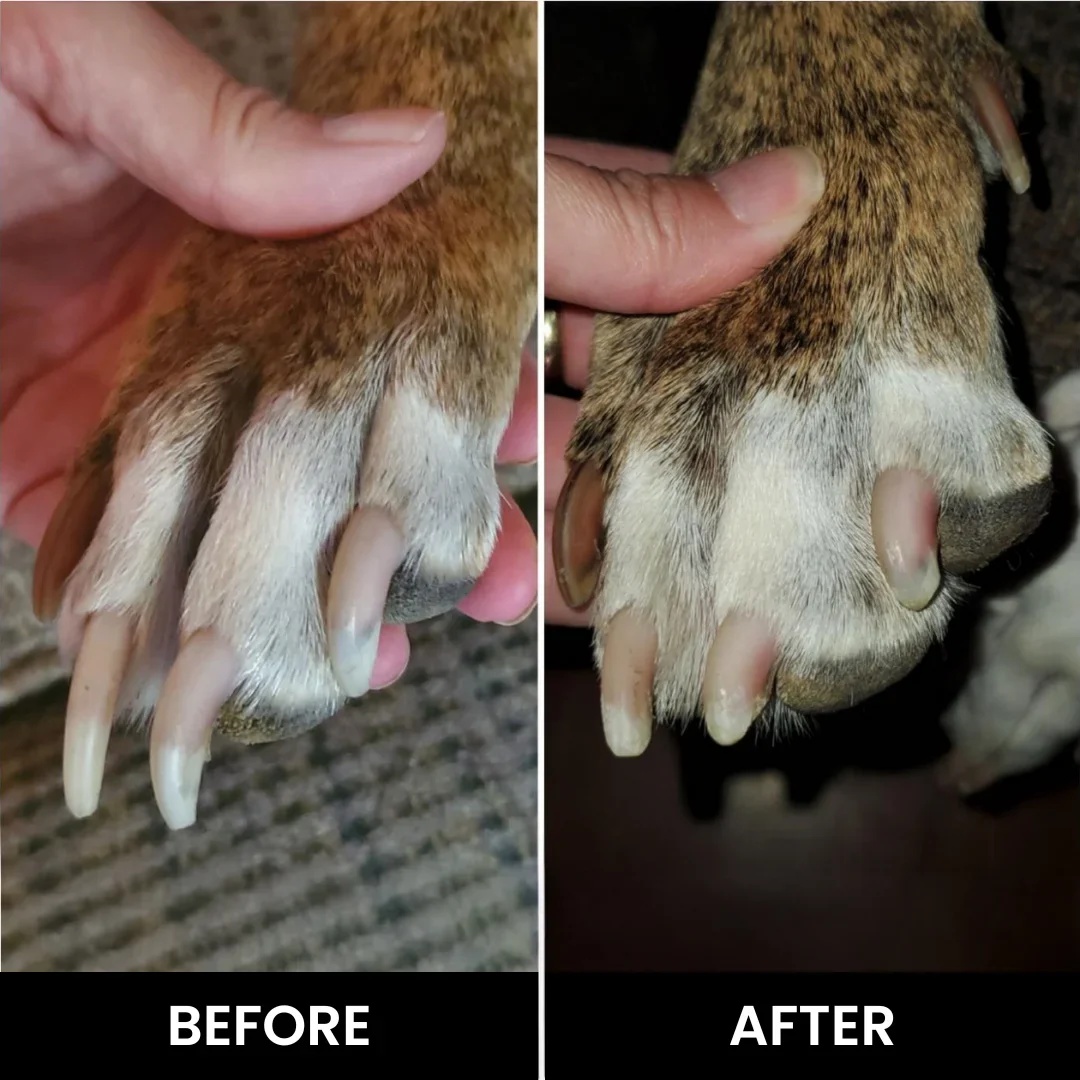
- ✓ Prevents Infection & Splitting
- ✓ Ideal for All Dog Sizes
- ✓ Low-Vibration Technology
- ✓ Fast 2-7 Days Delivery
Need Support? Call 302-307-1000
Understanding Canine Nail Anatomy: Where is the Quick?
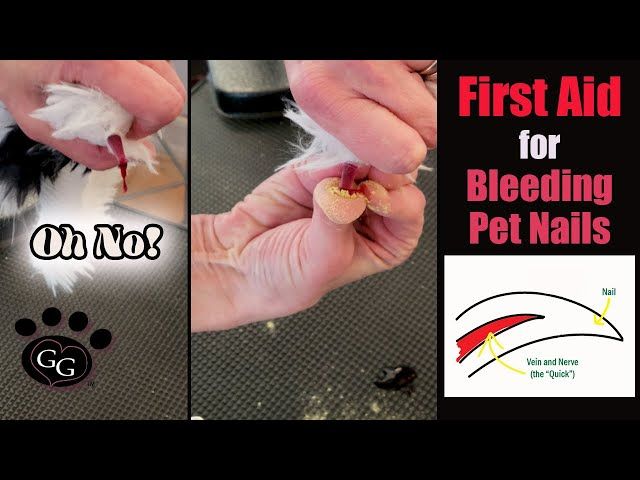
To groom claws safely, you must understand the inner structure of your dog’s paw.
The canine claw consists of two main parts: the hard outer shell and the inner vascular core.
This inner core of blood vessels and nerves is universally known as the quick.
The quick contains a highly sensitive nerve ending and a rich supply of arterial blood.
When you clip a claw too short, you slice directly into these living, sensitive tissues.
This mistake leaves the highly sensitive dog nail quick exposed to the environment.
The result is sudden, sharp pain that can break your pet’s trust in you.
Your dog will likely yip, pull their paw away, or even try to hide under furniture.
For dogs with white or clear nails, identifying the quick is quite straightforward.
You will see a faint pink tube running down the center of the translucent nail shell.
However, dark or black nails present a much more difficult challenge for pet owners.
The dark pigment completely hides the pink blood vessel from your external view.
Traditional clippers force you to make a blind cut, which drastically increases the risk of injury.
This blind cutting is why so many dog parents live in constant fear of grooming day.
Using a high-quality grinder allows you to file the nail down slowly and safely.
You can inspect the tip of the nail after each brief touch of the grinding wheel.
As you get close to the quick, you will see a small dark dot appear in the center.
This visual cue is your safety signal to stop grinding immediately.
Having a container of styptic powder for dogs nails nearby provides excellent peace of mind.
This powder works fast to constrict blood vessels and stop any accidental bleeding.
Understanding anatomy transforms you from a nervous amateur into a confident groomer.
Claw Bleeding Crises: When is it a True Emergency?
While most minor nicks can be easily resolved at home, some cases require professional help.
You must know when to transition from home care to an emergency veterinary clinic.
The first major warning sign is continuous, heavy bleeding that lasts longer than twenty minutes.
If you have applied steady pressure and clotting agents but the blood continues to flow, call your vet.
This persistent flow suggests the clotting process is failing or a larger vessel is damaged.
The second critical sign is extreme lethargy, dizziness, or weakness in your dog.
If your dog refuses to stand, appears unsteady, or has pale, cold gums, seek immediate help.
Pale pink or white gums indicate a dangerous drop in blood pressure and poor oxygen delivery.
This condition is a clear sign of cardiovascular shock from blood loss.
A deep split that extends all the way into the hairless skin of the paw pad also requires a vet.
These complex structural breaks are incredibly painful for your dog to walk on.
They cannot heal properly with simple home bandages or styptic powders alone.
A veterinarian must examine the paw to prevent a deep, painful bone infection from developing.
They can provide prescription pain relief and sterile wraps to support a safe recovery.
Every delay in seeking professional dog nail injury treatment increases the risk of bacterial contamination.
Remember that dirt and debris from your yard can easily enter an open nail wound.
This contamination can lead to severe swelling, tissue damage, and lameness within just a few days.
Protect your pet’s mobility by recognizing these key emergency signs early.
We always advise playing it safe whenever blood is involved.
How to Safely Groom and Stop Minor Claw Bleeding at Home
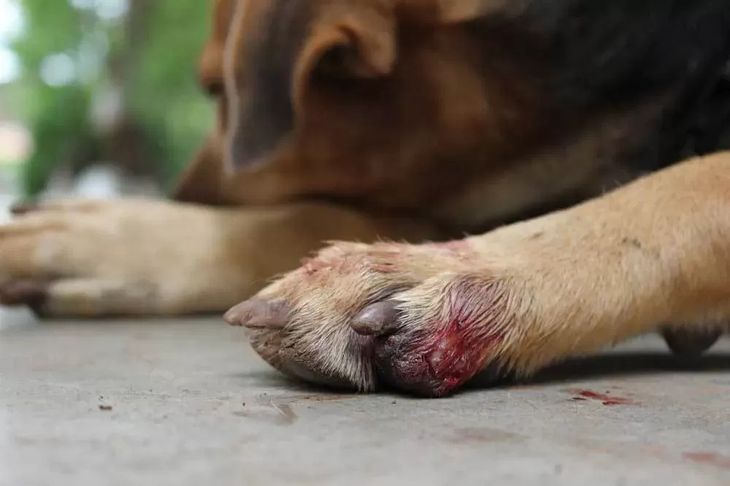
If you accidentally cut the quick, you must execute a systematic plan immediately.
First, remain entirely quiet, calm, and composed to keep your pet relaxed.
Speak to your dog in a soft, reassuring voice to lower their heart rate.
Immediately apply firm, direct pressure to the tip of the bleeding claw.
Use a clean piece of sterile gauze or a fresh paper towel.
Hold this pressure continuously for at least two full minutes without checking the wound.
Peeking too early will break the fragile micro-clot that is trying to form.
If you do not have styptic powder, you can use a common dog nail bleeding remedy.
Cornstarch or baking flour can serve as temporary clotting agents in a pinch.
Pack the dry powder directly onto the tip of the bleeding nail.
Press it firmly into the wound to encourage fast coagulation and sealing.
If the dog nail bleeding wont stop after several attempts, try using specialized tools.
Professional groomers often rely on silver nitrate for cut dog nails to quickly cauterize stubborn wounds.
Once the bleeding finally stops, keep your dog calm and resting on a comfortable bed.
Prevent them from running on hard surfaces or licking the injured paw for several hours.
To avoid this entire stressful cycle, transition your dog to a modern grinding tool.
Our whisper-quiet Zenpaw Maxpro Grinder runs under forty decibels to prevent fear.
To use it, hold your dog’s paw securely but gently in your hand.
Touch the rotating head to the tip of the nail at a precise forty-five-degree angle.
Use short, gentle touches lasting only one to two seconds each to prevent heat.
This technique prevents any thermal heat buildup on the sensitive quick tissue.
Slowly shape the claw into a smooth, rounded edge that will not snag on carpets.
This gradual process eliminates the crushing pressure and pain of old-fashioned clippers.
By making grooming comfortable, you can build a strong bond of trust with your pet.
You will learn how to stop dog nail bleeding forever by avoiding the blade entirely.
Overcoming Risks and the Danger of Traditional Clippers
Many pet owners make the mistake of using old, dull guillotine-style clippers.
These outdated tools do not cut cleanly through the tough nail material.
Instead, they crush the sensitive structural fibers of the claw.
This crushing force causes painful micro-fractures along the entire nail shaft.
These tiny cracks allow water, dirt, and bacteria to seep inside the nail structure.
Over time, these fractures can lead to splitting and deep pain when your dog walks.
Rushing the grooming process is another common mistake that leads to bloody injuries.
If you try to trim all twenty claws in one fast session, your dog will likely panic.
Grooming should be a patient, step-by-step experience filled with positive reinforcement.
Introduce the sound of the grinder while offering high-value treats to build a positive association.
Let your dog sniff the device while it is turned off and praise their curiosity.
Slowly work up to touching the vibrating handle to their leg before moving to the paws.
Only proceed to the actual nails once your dog is fully relaxed and trusting.
The Zenpaw Maxpro is designed to support this patient, loving approach.
Its dual speeds let you start on a gentle setting to ease into the process.
You can easily control how much nail you remove with each gentle touch.
This precision protects your pet’s paw health and keeps grooming day peaceful.
Grooming Tool Comparison
| Feature | Traditional Clippers | Cheap Loud Grinders | Zenpaw Maxpro Grinder |
|---|---|---|---|
| Noise Level | Silent but scary snaps | Extremely loud (>70dB) | Whisper-quiet (<40dB) |
| Injury Risk | High (Blind cutting) | Moderate (Vibration slip) | Low (Gradual filing) |
| Structural Damage | High (Crushes & splits claw) | Moderate (Heat buildup) | None (Smooth rounded edge) |
| Stress Factor | High (Creates fear) | High (Terrifies sensitive dogs) | Extremely Low (Calm bonding) |
Frequently Asked Questions
Is the Zenpaw Grinder safe for large dogs?
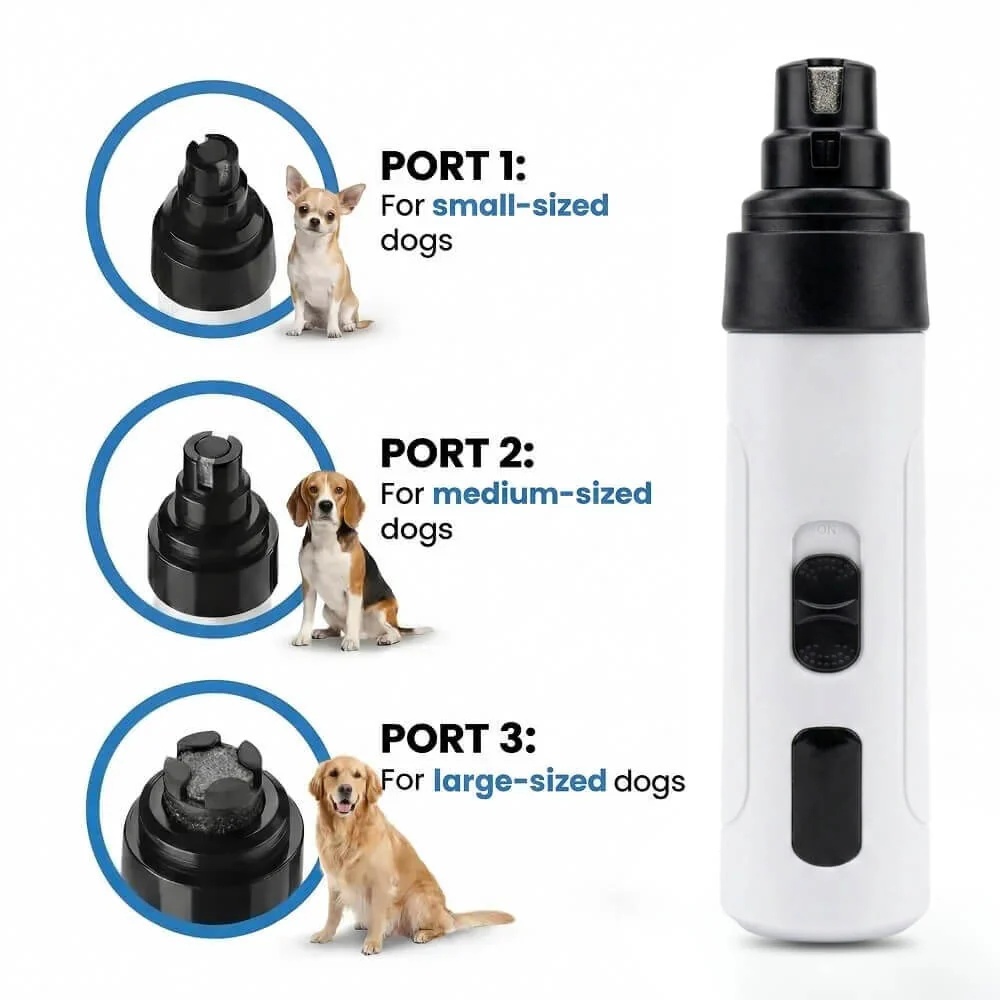
Yes, the Zenpaw Maxpro features three distinct grooming ports designed for all dog sizes.
The small port is perfect for cats and tiny puppies with delicate claws.
The medium port fits average-sized canine nails perfectly for controlled grooming.
For large breeds with thick claws, you can remove the entire protective cap.
This exposed wheel allows you to shape large, heavy nails quickly and efficiently.
How long does the battery last on a single charge?
The advanced internal battery provides up to seven hours of continuous run time.
It is easily rechargeable using a standard USB cable for ultimate convenience.
This long battery life means you can complete multiple grooming sessions without recharging.
You do not have to worry about the motor dying in the middle of a session.
Which speed setting is best for my anxious dog?
We recommend starting on the low speed setting for all anxious pets.
This setting minimizes both sound and vibration to keep your pet calm.
It allows your dog to get used to the physical sensation of the grinding wheel.
Once your dog is comfortable, you can switch to the high speed setting for faster results.
Always match the speed to your dog’s unique comfort level and claw thickness.
Does the grinding wheel get hot during use?
Our grinder utilizes advanced low-heat technology to prevent burning the claw.
However, holding any grinding wheel on a nail too long can create friction heat.
To avoid heat, use the touch-and-lift method during your grooming sessions.
Only apply the wheel to the nail for two seconds at a time.
Move between different claws to allow each nail to cool naturally.
This simple method ensures a painless and completely safe experience for your companion.
Conclusion
Ready to transform nail trimming from a battle into a breeze? Explore the Zenpaw Maxpro 3-in-1 Grinder. Call: 302-307-1000 — our team can help you advise on the best grooming practices and help with any product questions.
Note: Individual results may vary depending on individual dog breeds, nail thickness, and behavioral temperaments. This article is intended for general pet grooming reference purposes only and does not replace professional veterinary advice.