
I still remember the absolute panic I felt when I accidentally nicked my golden retriever’s quick, leaving us both shaken as blood dripped onto the carpet. In that frantic moment, reaching for cornstarch for dog nail bleeding saved the day by instantly stopping the flow. It was that scary experience that led our team at Zenpaw to design the Maxpro Grinder, ensuring pet parents never have to face that bloody grooming anxiety ever again.
Maxpro 3-in-1 Grinder.
Stress-Free Nail Trimming.
Whisper-quiet DC motor (<40 dB) eliminates fear & discomfort. Features 3 ports, dual speeds, and 7-hour battery life. Safe, precise, and painless.
In This Article
- Step-by-Step Tutorial: Learn exactly how to apply cornstarch paste to stop bleeding fast.
- Anatomy Insights: Understand where the quick lies to minimize dog nail pain.
- Home Remedies vs. Styptic Powder: Discover how household items compare to commercial products.
- Preventative Grooming: Learn how to transition safely to stress-free grinding techniques.
How to Stop Dog Nail Bleeding Fast with Cornstarch: A Step-by-Step Guide

Accidentally cutting your dog’s quick can feel like a nightmare because canine claws are highly vascularized.
Fortunately, cornstarch for dog nails is a highly effective, natural, and non-toxic coagulant that you probably already have in your kitchen pantry.
Before you begin the clotting process, gather all your supplies nearby to keep the workspace calm and organized.
Prerequisites / What You’ll Need
You will need standard culinary-grade cornstarch, a small clean bowl, a few drops of clean water, cotton swabs, and a clean paper towel.
Make sure you also have high-value treats on hand to reward your dog and help lower their stress levels during the application.
-
Step 1: Restrain and Calm Your Dog
First, you must remain incredibly calm because your dog will immediately feed off your anxious energy.
Gently secure your dog in a comfortable position, ideally with their paw resting flat in your hand.
Speak to your pet in a low, soothing, and reassuring voice to lower their heart rate.
Have a family member offer high-value treats to distract them from the injury site.
Ensure you have a firm but gentle grip on the affected limb to prevent sudden jerks.
-
Step 2: Prepare the Cornstarch Paste
Pour a small tablespoon of dry cornstarch into a clean, small container.
Add a few drops of cool water to the powder to create a thick, clay-like paste.
The paste should have a dense consistency so that it clings firmly to the damaged claw without running off.
If you do not have water nearby, you can use dry cornstarch powder directly, though a paste forms a more stable seal.
Keep the mixture within arm’s reach so you can apply it immediately before the dog tries to pull away.
-
Step 3: Apply the Paste with Moderate Pressure
Gently press a generous amount of the prepared cornstarch paste directly onto the bleeding tip of the nail.
Use a clean cotton swab or your clean fingertip to pack the paste firmly against the exposed blood vessel.
Maintain consistent, moderate pressure on the tip of the nail for at least two minutes.
Avoid rubbing or wiping the nail, as this can dislodge any natural clotting agents starting to form.
The pressure helps restrict blood flow while the starch molecules absorb moisture to construct a physical plug.
-
Step 4: Keep the Paw Still and Check the Clot
Continue holding your dog’s paw quietly to prevent them from walking, shaking, or licking the area.
After two full minutes of steady pressure, carefully release your grip to inspect the claw.
If blood continues to seep through, pack an additional layer of dry cornstarch directly onto the wet paste.
Apply pressure for another two minutes until the bleeding has completely halted.
Once a dry, pale crust forms over the wound, the active bleeding has been safely contained.
-
Step 5: Clean Up and Reward Your Brave Pup
Leave the dried cornstarch plug on the nail intact, as removing it prematurely will cause the wound to reopen.
Gently wipe away any loose, dry powder from the surrounding fur and paw pads using a damp paper towel.
Keep your dog resting on a comfortable bed for the next thirty minutes to protect the fragile seal.
Shower your canine companion with praise and their favorite treats to build a positive association.
Monitor the paw closely over the next few hours to ensure no physical activity breaks the protective crust.
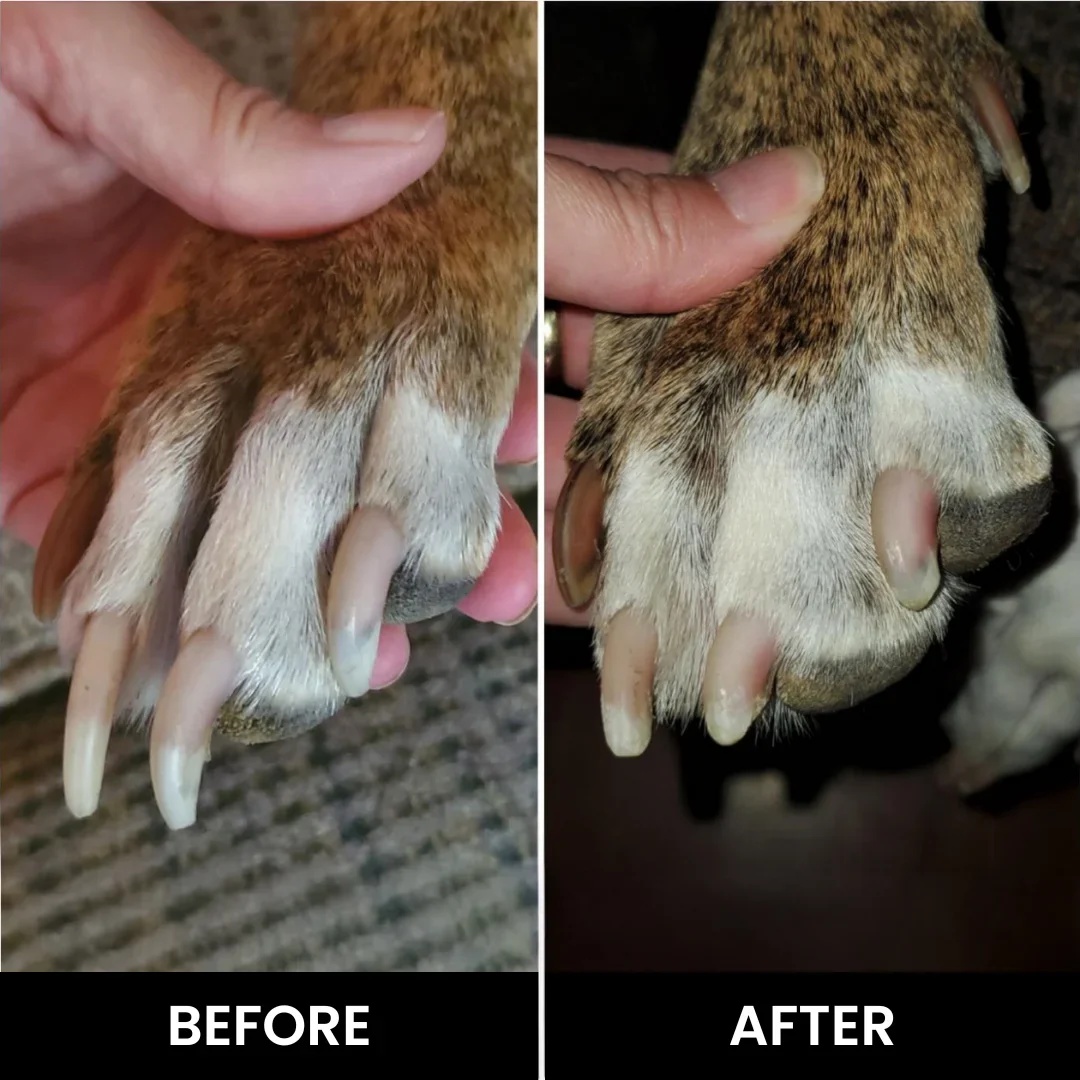
While mastering the use of cornstarch for dogs nails is an essential emergency skill, prevention is always the best approach.
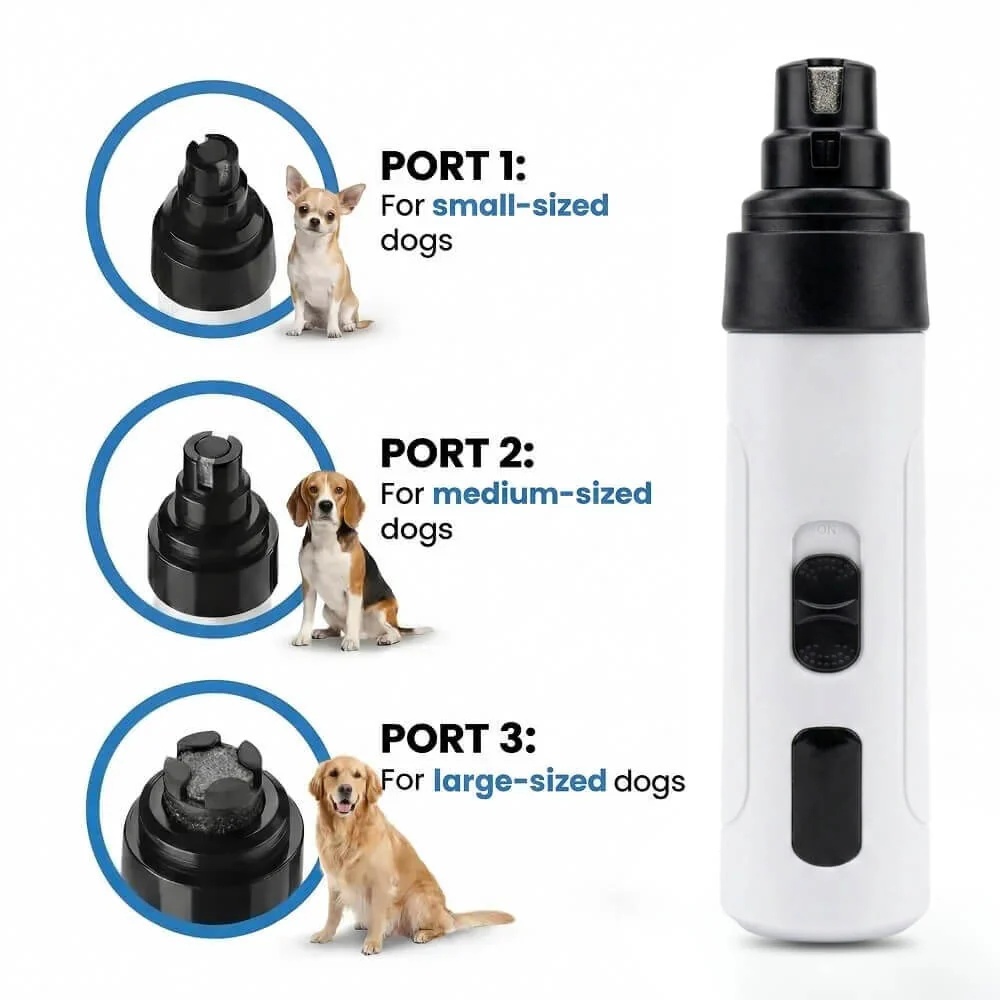
Our team at Zenpaw designed the Maxpro 3-in-1 Grinder to eliminate the risk of clipping injuries entirely.
By slowly and safely filing down the nail with our advanced whisper-quiet motor, you can avoid the quick altogether and enjoy stress-free grooming sessions.
To learn more about safe nail maintenance, read our comprehensive guide on how to use dog nail grinder tools safely at home.
99-Day 100% Money-Back Guarantee
“Ever since we started using the Zenpaw Maxpro Grinder, it’s been such a peaceful experience. It’s very quiet, and my dog actually relaxes. It’s turned our stressful sessions into quick, quiet grooming times.”
— Sarah M. | ✔ Verified Customer
- ✓ Prevents Infection & Splitting
- ✓ Ideal for All Dog Sizes
- ✓ Low-Vibration Technology
- ✓ Fast 2-7 Days Delivery
Need Support? Call 302-307-1000
Understanding Canine Nail Anatomy: Where is the Quick?
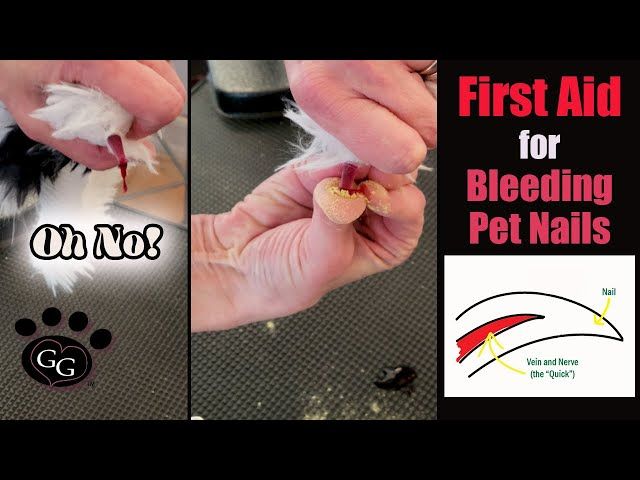
To safely maintain your dog’s paws, you must understand the underlying biological structures within their claws.
The canine nail consists of a tough, outer keratin shell designed to protect the delicate tissues buried inside.
The interior living core of the nail is known as the quick, which contains an intricate network of blood vessels and nerves.
When you cut too far into the nail, you puncture this highly sensitive zone and cause immediate dog nail pain.
Because the quick is directly supplied by major capillaries, even a minor nick can result in surprisingly heavy bleeding.
On light-colored claws, the quick appears as a soft pink shadow that is relatively easy to spot and avoid.
However, black or dark nails conceal this vascular pathway completely, making traditional clippers highly risky to use.
Our professional grooming specialists advise using a gradual filing method to slowly approach the quick without ever breaching its outer membrane.
Cornstarch vs. Styptic Powder: Which Is Better for Bleeding Dog Claws?
When an accidental injury occurs, choosing between kitchen staples and commercial remedies is a common dilemma.
Professional groomers frequently rely on chemical coagulants, while pet parents prefer gentle, household alternatives.
Let’s examine how using cornstarch on bleeding dog claws compares directly to professional styptic powder.
| Feature / Benefit | Cornstarch Paste | Styptic Powder |
|---|---|---|
| Primary Mechanism | Physical moisture absorption & natural clotting support | Chemical vasoconstriction & tissue contraction |
| Pain / Sensation | Completely painless and soothing | Causes a sharp, brief stinging sensation |
| Toxicity & Safety | 100% edible and safe if licked | Can cause mild stomach upset if ingested |
| Availability | Found in almost every home kitchen pantry | Requires a trip to a pet supply store |
Commercial styptic powders contain active chemical agents like ferric subliming compounds or aluminum sulfate.
These ingredients rapidly constrict local blood vessels to stop bleeding in seconds, but they cause a distinct stinging sensation.
This sharp pinch can make an already frightened dog react defensively, making future grooming sessions much harder.
In contrast, cornstarch absorbs the blood to form an artificial outer scab without causing any burning or irritation.
Furthermore, since dogs naturally lick their wounds, cornstarch offers a safe, chemical-free alternative that won’t upset their stomach.
Identifying and Preventing Canine Nail Bed Infections at Home
An exposed nail quick is essentially an open wound, making it vulnerable to environmental dirt and pathogens.
Protecting this sensitive area immediately after stopping the bleeding is crucial to prevent secondary health issues.
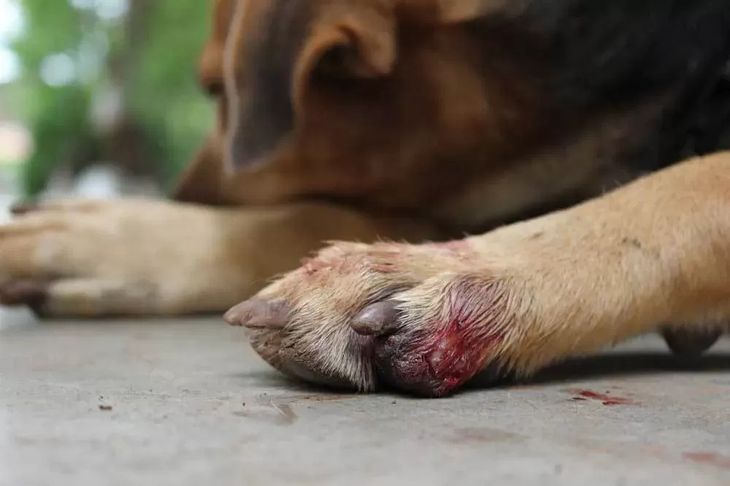
Unmanaged moisture and microscopic debris can easily slip under the damaged keratin shell, leading to a stubborn dog nail fungus.
If bacteria manage to penetrate the nail bed, they can cause a highly painful bacterial infection.
Signs of a developing issue include persistent licking of the paw, swelling around the toe joint, and a foul odor.
To protect your pet, administer a soothing dog nail bed infection home treatment like a warm Epsom salt soak once the wound has fully closed.
Ensure the paw is kept clean and dry, and avoid walking your dog on muddy or dusty paths for at least forty-eight hours.
If the redness spreads or you notice discharge, consult your trusted family veterinarian for proper support.
How to Safely Grind Dog Nails with Zenpaw Maxpro to Prevent Bleeding
Transitioning from traditional scissor clippers to a high-precision grinder is the most effective way to protect your dog’s paws.
Grinding allows you to wear down the nail gradually, giving you complete control over how close you get to the living tissue.
With the right technique and a low-stress approach, you can easily maintain your dog’s paws without any accidental slips.
Step-by-Step Desensitization Protocol
Introduce the Zenpaw Maxpro Grinder to your dog slowly over several days before attempting to trim their nails.
Start by letting your dog sniff the turned-off device, rewarding them with high-value treats to build positive associations.
Next, turn on the grinder to let them get used to the quiet hum, which operates at a whisper-soft level under forty decibels.
Gently touch the vibrating handle to your dog’s paw pads so they can get comfortable with the physical sensation without any grinding.
Once your dog remains completely relaxed, you can begin filing a single nail tip, rewarding them generously after each step.
Executing the Perfect 45-Degree Angle
Hold your dog’s paw firmly but gently, separating the target toe from the surrounding fur to clear your view.
Approach the tip of the claw with the grinder positioned at a precise forty-five-degree angle.
Apply the grinding wheel in brief, light touches lasting no longer than two to three seconds at a time.
This quick-touch method prevents heat from building up on the nail, ensuring a completely comfortable and painless experience.
As you file, look closely at the center of the cut nail tip for a small, pale gray or dark circle.
This spot indicates the start of the protective quick boundary and is your signal to stop grinding immediately.
If you want to master this professional technique, explore our step-by-step guide on how to use dog nail grinder tools safely at home.
The Hidden Dangers of Traditional Clippers and How to Avoid Them
Many pet parents rely on scissor-style or guillotine clippers without realizing the hidden physical stress they cause.
These spring-loaded tools work by crushing the thick keratin wall of the nail with massive pressure before cutting through.
This sharp crushing force squeezes the internal nerve endings, causing sudden discomfort even if you don’t nick the quick.
Furthermore, dull clippers can easily split, crack, or splinter the claw, leaving it vulnerable to snags and tears.
These negative experiences can quickly make your dog fearful of grooming, turning basic paw care into a highly stressful battle.
Many owners end up taking their pets to an expensive local dog nail salon simply because they are afraid of hurting them at home.
Switching to the Zenpaw Maxpro Grinder eliminates these worries by gently shaving away the nail fiber by fiber.
This smooth, non-invasive method keeps the claw perfectly rounded, smooth, and free of sharp edges that could catch on carpets.
Frequently Asked Questions
Conclusion
Caring for your dog’s paws should be a peaceful bonding experience rather than a stressful chore.
By keeping cornstarch nearby and switching to the Zenpaw Maxpro Grinder, you can easily protect your dog’s quick from painful grooming injuries.
Ready to transform nail trimming from a battle into a breeze? Explore the Zenpaw Maxpro 3-in-1 Grinder. Call: 302-307-1000 — our team can help you advise on the best grooming practices and help with any product questions.