As a professional groomer, I still remember the heartbreak of watching my rescue retriever, Max, start limping on his morning walks because of severe dog nail pain. I realized his nails had grown so long they were forcing his toes upward and misaligning his joints, a painful reality that we quickly solved at home using the whisper-quiet Zenpaw Maxpro 3-in-1 Grinder to safely and painlessly restore his natural, happy stride.
Maxpro 3-in-1 Grinder.
Stress-Free Nail Trimming.
Whisper-quiet DC motor (<40 dB) eliminates fear & discomfort. Features 3 ports, dual speeds, and 7-hour battery life. Safe, precise, and painless.
In This Article
- Why long claws cause skeletal misalignment and severe limping
- How to identify a swollen nail bed and localized paw sores
- The exact canine claw anatomy and the danger of clipper trauma
- Practical desensitization techniques for highly anxious pets
Can Overgrown Claws Really Cause Your Dog to Limp?
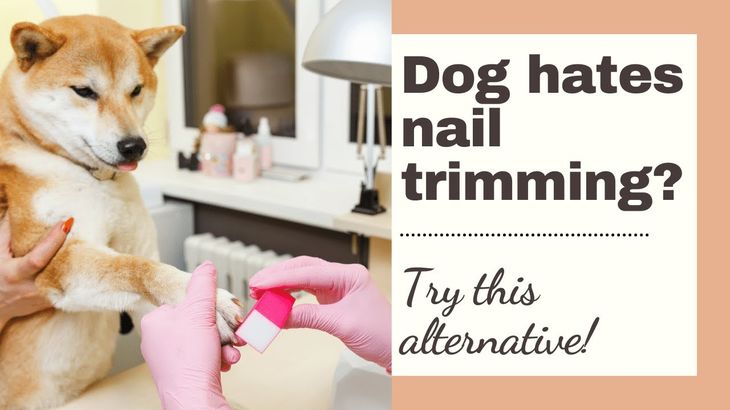
Every single day, active dogs of all breeds experience sudden lameness and joint stiffness when their claws grow too long.
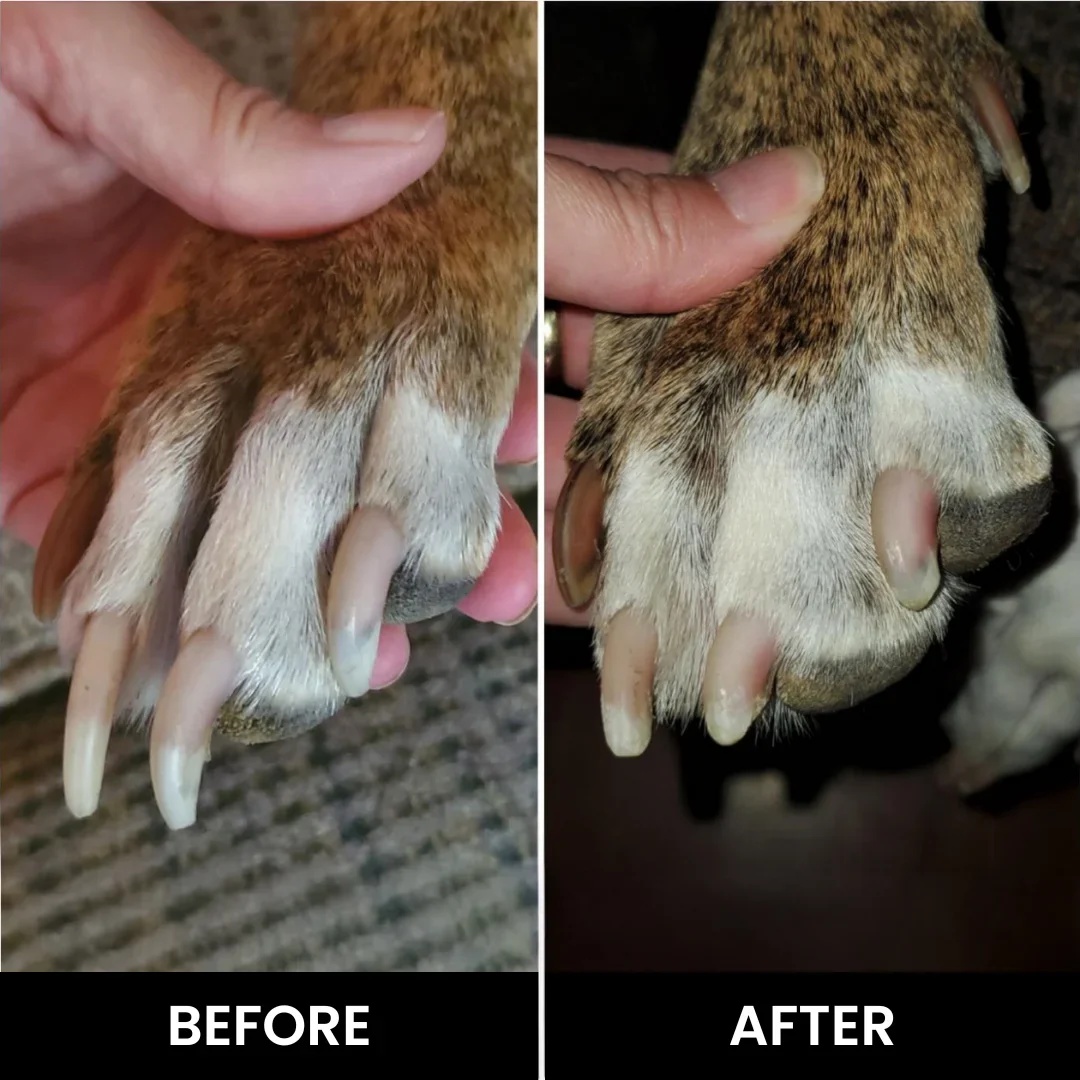
Dog nail pain occurs because overgrown nails continuously press upward into the sensitive nail bed whenever your dog walks on hard floors.
When these nails constantly touch the ground, they push the toe bones out of their natural alignment, causing severe soreness.
This skeletal shift happens gradually, forcing your dog to compensate by shifting their weight backward onto their hind legs.
If your dog starts limping, it means the pressure has caused localized inflammation around the nerves of the quick.
You can easily identify this issue by listening for a clicking sound on hardwood floors or observing your pet licking their paws.
To resolve this painful condition at home, you need to shorten the nails gradually to allow the internal quick to recede safely.
If you want to handle this safely at home, the Zenpaw Maxpro Grinder provides painless, quiet filing — explore it here.
99-Day 100% Money-Back Guarantee
“Ever since we started using the Zenpaw Maxpro Grinder, it’s been such a peaceful experience. It’s very quiet, and my dog actually relaxes. It’s turned our stressful sessions into quick, quiet grooming times.”
— Sarah M. | ✔ Verified Customer
- ✓ Prevents Infection & Splitting
- ✓ Ideal for All Dog Sizes
- ✓ Low-Vibration Technology
- ✓ Fast 2-7 Days Delivery
Need Support? Call 302-307-1000
Understanding Canine Claw Anatomy: The Hidden Source of Dog Nail Pain
Canine claws are not like human fingernails.
They are directly attached to the distal phalanx, which is the last bone in your dog’s toe.
Inside each nail lies a highly sensitive bundle of nerves and blood vessels known as the quick.
The outer shell of the claw consists of hard, dead keratin that protects this inner living tissue.
When you take your pet to a professional dog nail salon, the primary goal is always to avoid cutting this delicate quick.
If the nails grow too long, the quick grows along with them.
This means you cannot simply cut the nail back to a normal length in one session without causing intense bleeding and agony.
When the nail bed becomes compacted by constant ground impact, you will notice the dog nail bed swollen and inflamed.
This swelling puts direct pressure on the digital nerves, leading to acute dog nail pain.
Your dog will begin to protect the sore paw by limping or holding it off the ground.
Over time, the constant pressure of a long nail forces the toe to splay outward.
This splaying alters the mechanical forces acting on the wrist, elbow, and shoulder joints.
Many veterinarians warn that chronic joint degeneration and early-onset arthritis can stem from this seemingly minor issue.
This is why regular nail maintenance is a fundamental pillar of canine orthopedic health.
Why Overgrown Claws Alter Your Dog’s Skeletal Alignment
To understand why dog nails too long limping occurs, you must look at your dog’s posture.
Dogs are digitigrades, which means they are designed to walk on their toes rather than their heels.
When a dog’s nails are of a healthy length, they do not touch the ground when the dog is standing on a flat surface.
If you can hear your dog click-clacking across the tile floor, their nails are already too long.
This constant contact forces the toes to tilt upward, shifting the dog’s entire weight-bearing center.
The dog must compensate by flattening their paws and leaning backward.
This unnatural posture places immense strain on the Achilles tendon and the metatarsal joints.
You might notice your dog struggle to stand up from a resting position.
They may also show a sudden reluctance to jump onto the couch or climb stairs.
In active breeds, this biomechanical compensation can lead to severe muscle fatigue and spinal misalignment.
The longer the nails remain untrimmed, the more permanent this postural damage becomes.
Using a safe and precise tool is essential to reverse this progressive joint stress.
Identifying the Symptoms of Severe Paw and Nail Soreness
Recognizing the signs of paw pain early can prevent severe infections.
A painful dog nail sore can develop quickly if an overgrown claw splits or cracks.
One of the first behavioral changes you will observe is obsessive paw licking or chewing.
Dogs use their saliva to soothe raw, irritated tissues around the nail cuticle.
If you try to touch their paws, they may pull away, whine, or even growl defensively.
This reaction is a clear indicator that your dog is dealing with active, throbbing discomfort.
You should also look for localized redness, warmth, or a discharge of pus around the base of the claw.
A swollen nail bed is a veterinary emergency that often requires antibiotic intervention.
Left untreated, a localized nail bed infection can spread directly to the underlying bone.
This condition, known as osteomyelitis, is incredibly painful and difficult to treat.
Regularly checking your dog’s paws under bright light is the best way to catch these issues early.
Step-by-Step Desensitization: Transitioning to Stress-Free Grinding
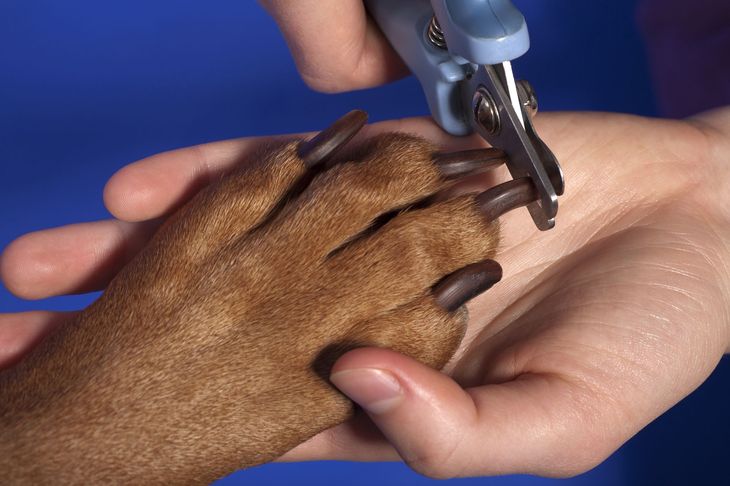
If your dog hates nail trim sessions, you are not alone.
Many dogs develop severe grooming phobias after having their quick accidentally cut by traditional clippers.
To rebuild trust, you must implement a gradual, positive desensitization protocol.
Start by simply leaving your new Zenpaw Maxpro Grinder on the floor next to your dog’s favorite treats.
Allow them to sniff the device while it is turned off, rewarding them for any curious behavior.
Once they are comfortable with its physical presence, turn the grinder on its lowest speed.
The Zenpaw Maxpro features a whisper-quiet motor operating at under 40 decibels.
This ultra-low sound output is crucial because loud, high-pitched motors easily trigger a dog’s fight-or-flight response.
Let your dog listen to the quiet hum while feeding them high-value rewards like peanut butter or cheese.
If your dog is highly reactive, you may want to use a comfortable dog muzzle for nail trimming during the initial training phases.
A muzzle provides safety for you while keeping the experience structured and calm.
Next, touch the handle of the vibrating grinder to your dog’s shoulder or leg to get them used to the physical sensation.
Never rush this process, as building a positive association is key to long-term grooming success.
Only when your dog remains completely relaxed should you attempt to touch the grinding head to a nail.
Hold the grinder at a steady 45-degree angle to the tip of the claw.
Apply light, brief pressure for no more than two to three seconds per nail.
This prevents frictional heat from building up and causing discomfort to the sensitive quick.
You can learn more about the exact mechanics in our comprehensive guide on how to use dog nail grinder.
The Risks of Clipper Trauma: Why Traditional Tools Cause Harm
Many pet parents wonder, will a dog limp if nail cut too short during a groom?
The answer is a definitive yes.
When a nail is cut too deeply, it slices directly through the highly vascularized quick.
This results in sudden, profuse bleeding and a sharp, burning pain that can last for several days.
A dog nail cut too short limping is a direct result of this localized nerve trauma.
Every time the injured toe touches the ground, it sends a jolt of pain through their paw.
Traditional metal clippers exacerbate this risk because they act like a guillotine.
They exert massive pressure, crushing and cracking the hard keratin outer shell of the nail before slicing through it.
This crushing action can split the nail vertically, exposing the delicate nail bed to dirt and bacteria.
Even if you do not cut the quick, the sheer pressure of clippers can cause micro-fractures in the claw.
This is why finding the safe dog nail clippers or transitioning to a gentle grinding tool is so important.
The Zenpaw Maxpro Grinder avoids this crushing force entirely by gently shaving away the nail fiber by fiber.
This gradual filing process gives you complete control, allowing you to stop the moment you see the pale dot of the quick.
Recovery Timeline: Caring for an Injured or Bleeding Dog Nail
If you have accidentally cut your dog’s nail too short, immediate first aid is essential.
First, apply styptic powder directly to the bleeding tip with a clean cotton swab.
If you do not have styptic powder at home, you can use cornstarch or baking flour as a temporary alternative.
Apply firm, steady pressure for at least two minutes until the bleeding stops completely.
Keep your dog resting on a clean, dry surface to prevent dirt from entering the fresh wound.
Avoid letting them run on grass or muddy ground for at least twenty-four to forty-eight hours.
A superficial quick injury usually heals within three to five days as a new layer of protective keratin begins to form.
During this recovery window, your dog may continue to limp slightly as the raw nerve endings desensitize.
If the limping persists beyond three days, or if you notice a foul odor, consult your veterinarian.
They can prescribe localized anti-inflammatory ointments or oral antibiotics if a secondary infection has developed.
Once the claw has fully healed, you can safely resume grooming using a low-vibration grinding tool.
Comparing Nail Care Methods: Clippers vs. Grinders vs. Professional Salons
To help you make the best decision for your pet, let’s look at how different grooming methods compare.
| Grooming Method | Safety & Quick Prevention | Anxiety & Noise Levels | Long-Term Cost |
|---|---|---|---|
| Traditional Metal Clippers | Low – High risk of crushing and cutting the quick | High – Loud snapping sounds cause panic | Low – One-time purchase |
| Professional Grooming Salon | Medium – Handled by experts but still stressful | High – Unfamiliar environment and barking dogs | High – $30 to $60 per monthly visit |
| Zenpaw Maxpro Grinder | Excellent – Shaves nail gradually with full control | Minimal – Whisper-quiet motor under 40dB | Very Low – One-time investment with free shipping |
As you can see, home grinding offers the best balance of safety, cost-effectiveness, and stress reduction for both you and your dog.
Frequently Asked Questions About Dog Nail Pain
Is the Zenpaw Maxpro Grinder safe for very large or thick nails?
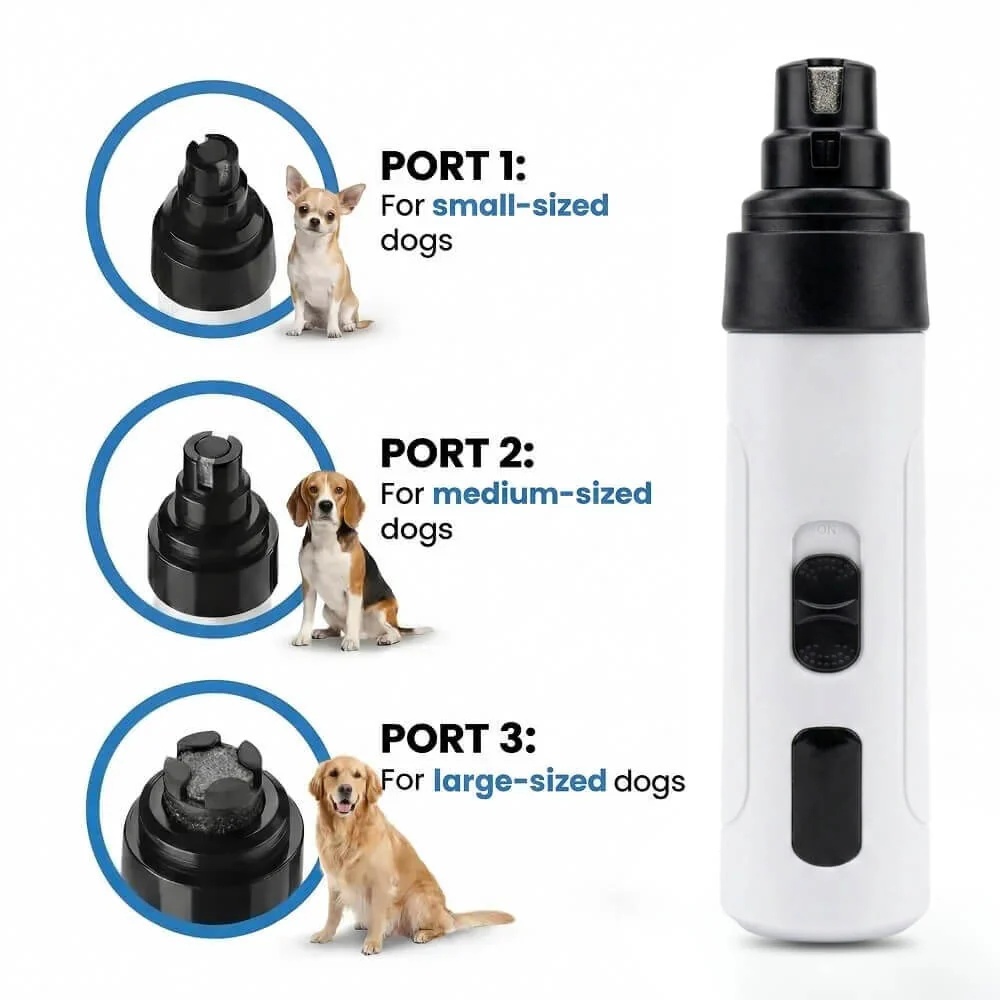
Yes, it is designed with three distinct ports and two adjustable speeds to handle all dog sizes.
The high-speed setting easily files down the thick, dense claws of large breeds like Mastiffs and Great Danes.
The protective cap features different openings to safely guide small, medium, or large claws against the diamond bit.
This ensures the nail remains stable, preventing slips and protecting the surrounding paw pads.
How long does the battery last on a single charge?
The Zenpaw Maxpro features an advanced lithium-ion battery that provides up to seven hours of continuous use.
This long-lasting battery life means you can complete multiple grooming sessions without worrying about losing power.
The device is easily rechargeable using any standard USB port or charging block.
A full recharge takes approximately two hours, making it highly convenient for busy pet parents.
Which speed setting should I use for an anxious dog?
For anxious dogs, we always recommend starting on the lowest speed setting.
The low speed minimizes vibration and noise, helping your dog remain calm and cooperative.
As your dog becomes accustomed to the gentle humming sound, you can transition to the high-speed setting.
The high speed is perfect for fast, efficient filing once your dog is fully desensitized.
Does the grinding tip get hot during use?
No, the Zenpaw Maxpro is engineered with low-heat technology to prevent friction-based discomfort.
Traditional rotary tools can overheat rapidly, causing pain to the sensitive nerves inside the quick.
Our specialized diamond drum bit dissipates heat efficiently, keeping the nail cool during grooming.
We still recommend moving from nail to nail to ensure no single claw experiences prolonged friction.
What should I do if my dog’s nail bed is swollen?
A swollen nail bed requires immediate inspection for cracks, splints, or embedded foreign objects like thorns.
You can gently soak the affected paw in warm water mixed with Epsom salts for ten minutes.
This helps draw out inflammation and soothe raw, irritated tissues.
If the swelling does not subside within twenty-four hours, or if your dog is limping heavily, consult your vet.
A Pain-Free Stride for Your Best Friend
Ready to transform nail trimming from a battle into a breeze?
Explore the Zenpaw Maxpro 3-in-1 Grinder.
Call: 302-307-1000 — our team can help you advise on the best grooming practices and help with any product questions.
*Note: Individual results may vary depending on individual dog breeds, nail thickness, and behavioral temperaments. This article is intended for general pet grooming reference purposes only and does not replace professional veterinary advice.*