
I still remember the sheer panic of nicking my dog’s quick during a routine trim, watching that bright red bead of blood form while my poor pup whined in confusion, sending me on a frantic search to compare cornstarch vs styptic powder dog nails to find the absolute safest, fastest way to stop the bleeding and restore peace to our grooming sessions.
Maxpro 3-in-1 Grinder.
Stress-Free Nail Trimming.
Whisper-quiet DC motor (<40 dB) eliminates fear & discomfort. Features 3 ports, dual speeds, and 7-hour battery life. Safe, precise, and painless.
In This Article
- Choosing the Best Clotting Agent: A direct evaluation of kitchen remedies versus medical formulations.
- The Science of Coagulation: Understanding vasoconstriction versus simple physical absorption.
- Canine Nail Anatomy: How to avoid cutting the vascular quick altogether.
- Preventative Grooming Techniques: Transitioning from crushing clippers to painless, controlled grinding.
- Emergency Protocols: A step-by-step master plan to manage accidental nail bleeds at home.
Choosing Between Cornstarch vs Styptic Powder Dog Nails Clotting

Every pet owner dreads the sharp yelp of a dog whose nail has been cut too short.
When this grooming accident occurs, you need a highly reliable dog nail bleeding remedy immediately.
The primary debate for home groomers centers on whether to use a common pantry staple or a specialized commercial product.
Kitchen cornstarch acts as a purely physical barrier to seal the damaged blood vessels.
In contrast, professional-grade styptic formulations rely on active chemical astringents to force rapid blood coagulation.
While both methods can successfully stop a bleed, they differ significantly in speed, chemical behavior, and safety.
Understanding these differences will help you choose the best bleeding clotting agent dogs require during tense emergency moments.
Using cornstarch for dog nail bleeding is an incredibly gentle, pain-free approach for highly sensitive or nervous animals.
However, commercial styptic powder for dogs nails remains the undisputed gold standard for professional pet groomers due to its rapid action.
To eliminate the stress of these bleeding emergencies entirely, pet parents are shifting toward safe, preventative tools like the Zenpaw Maxpro 3-in-1 Grinder.
Comparing Physical Absorbency and Chemical Coagulation
Cornstarch stops bleeding by rapidly absorbing the liquid portion of the blood to create a dense, localized plug.
This physical paste blocks the escape of blood cells while the body’s natural internal clotting factors slowly activate.
Styptic powder operates on a completely different physiological level by utilizing active chemical agents like ferric subsulfate or aluminum ammonium sulfate.
These active mineral compounds cause immediate vasoconstriction, forcing the severed blood vessels to rapidly shrink and close.
This chemical reaction stops bleeding in seconds, making it vastly superior for severe, high-pressure bleeds.
However, this chemical contraction causes a sharp, temporary stinging sensation that can startle highly anxious dogs.
Cornstarch does not cause any stinging or discomfort upon application, making it a very comforting choice for gentle touch-ups.
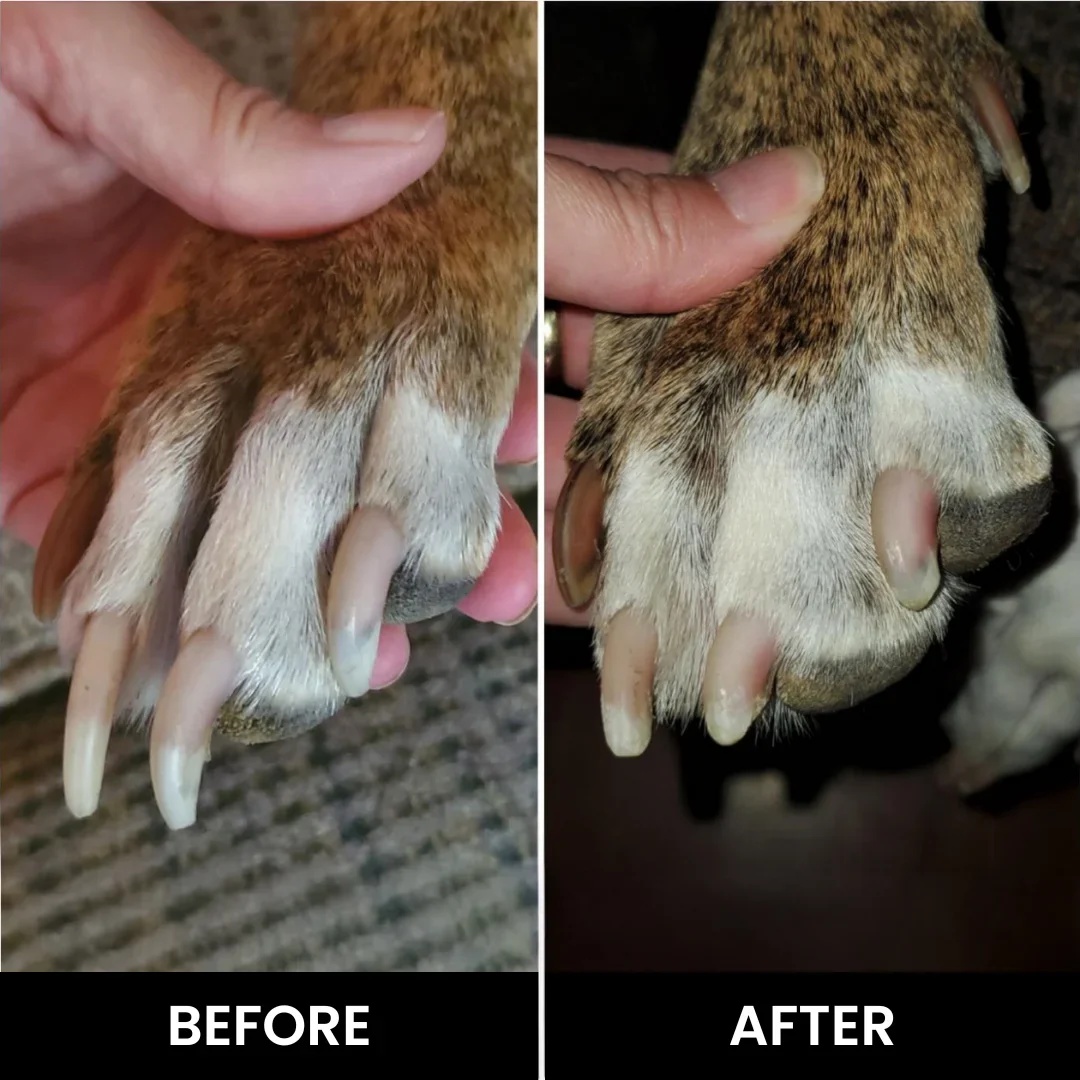
99-Day 100% Money-Back Guarantee
“Ever since we started using the Zenpaw Maxpro Grinder, it’s been such a peaceful experience. It’s very quiet, and my dog actually relaxes. It’s turned our stressful sessions into quick, quiet grooming times.”
— Sarah M. | ✔ Verified Customer
- ✓ Prevents Infection & Splitting
- ✓ Ideal for All Dog Sizes
- ✓ Low-Vibration Technology
- ✓ Fast 2-7 Days Delivery
Need Support? Call 302-307-1000
The Science of Styptic Powder Versus Cornstarch
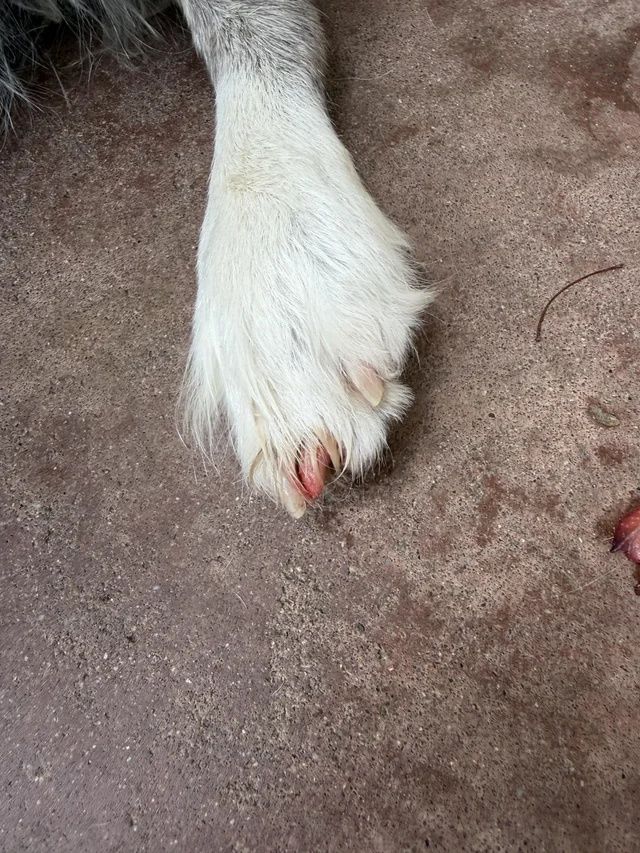
To understand the debate between styptic powder versus cornstarch, we must look directly at the physiological process of canine hemostasis.
When you accidentally nick the vascular quick of a dog’s claw, you rupture highly pressurized microcapillaries.
Styptic powder contains powerful, fast-acting minerals that interact directly with blood proteins to initiate an immediate chemical precipitate.
This rapid precipitation blocks the damaged vessel walls far quicker than the animal’s natural clotting cascade can react.
Most commercial styptic formulas also integrate mild topical anesthetics, like benzocaine, to help soothe the intense sting of vasoconstriction.
Cornstarch lacks these advanced chemical agents, serving purely as a safe, dry, non-toxic physical plug.
Because cornstarch contains no active chemical compounds, it will never irritate damaged tissue or cause allergic reactions.
This makes kitchen cornstarch an incredibly safe, risk-free choice for household pets prone to severe skin sensitivities.
However, because it lacks active blood-coagulating agents, cornstarch requires much firmer, longer physical pressure to stop a heavy bleed.
This prolonged pressure can be difficult to maintain if your dog is actively pulling away in fear.
The ultimate goal is to avoid these stressful emergencies entirely by adopting safe, low-vibration grooming tools.
Chemical Coagulation vs. Physical Starch Barriers
When you apply styptic powder, the aluminum and iron salts act as immediate protein denaturants.
They rapidly draw water out of the surrounding cells, causing the surrounding tissues to contract and seal.
This process is highly effective but can cause a sudden, uncomfortable burning sensation that dogs find startling.
On the other hand, cornstarch relies entirely on its high capacity for mechanical moisture absorption.
It slowly thickens the escaping blood into a sticky, dense paste that physically blocks the open vessel.
While cornstarch takes longer to work, it provides a completely pain-free application that keeps anxious dogs calm.
| Functional Feature | Kitchen Cornstarch | Styptic Powder |
|---|---|---|
| Clotting Mechanism | Physical absorption and paste formation | Chemical vasoconstriction & protein precipitation |
| Speed of Action | Slower (requires 2 to 5 minutes of continuous pressure) | Ultra-fast (usually stops bleeding in under 30 seconds) |
| Pain/Sting Index | 100% Pain-free and non-irritating | Moderate stinging sensation upon initial contact |
| Risk of Toxicity | Zero risk (fully edible and digestive-safe) | Low to moderate risk if large quantities are ingested |
| Antiseptic Benefits | None (requires post-bleed cleaning to prevent infection) | Often contains sub-sulfates that help prevent infection |
Preventing the Bleed: Gentle Grinding vs Traditional Clippers
The easiest way to manage a bleeding nail emergency is to prevent it from ever happening in the first place.
Traditional scissor-style clippers work by applying tremendous mechanical force to crush the entire claw structure.
This violent crushing action frequently causes the nail to split, crack, and break unevenly.
For owners of dogs with dark or black nails, clippers make finding the vascular quick nearly impossible.
This guessing game often leads to painful mistakes that leave both the owner and the dog deeply traumatized.
A precision-engineered rotating grinder offers a significantly safer, stress-free alternative for home grooming.
By slowly filing away the nail tip millimeter by millimeter, you can easily monitor the nail’s cross-section.
As you approach the quick, you will see a small, dark circle or soft pink spot appear at the center.
This clear visual cue tells you exactly when to stop grinding before you ever touch a blood vessel.
This gradual, controlled filing technique completely eliminates the risk of painful structural nail splits.
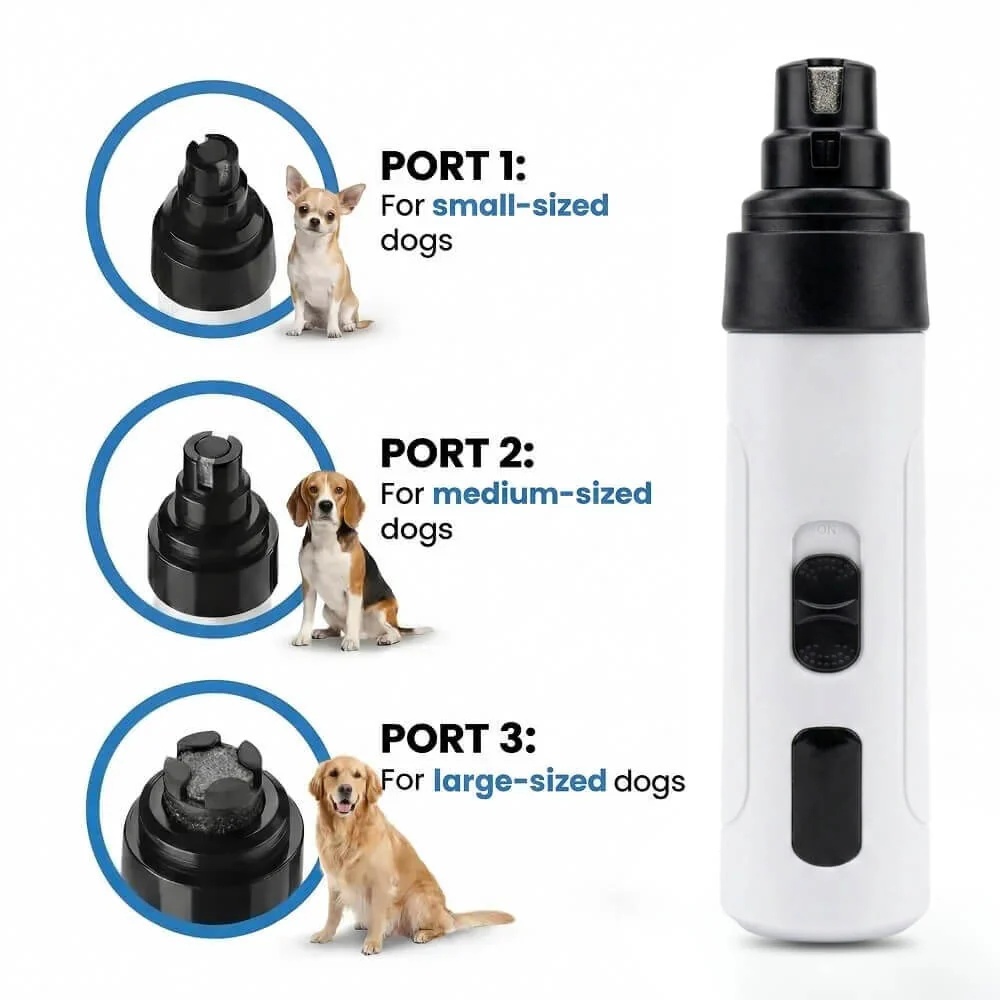
The Zenpaw Maxpro 3-in-1 Grinder is designed specifically to make this preventative process smooth and stress-free.
It utilizes an ultra-quiet DC motor that runs at under 40 decibels to keep sound-sensitive dogs completely relaxed.
With its long-lasting 7-hour battery life and multi-port safety cover, it provides professional-grade precision at home.
Anatomy of the Canine Nail and the Quick
A dog’s claw consists of a tough outer shell made of keratin and a highly sensitive inner core called the quick.
The quick is packed with active blood vessels and highly sensitive nerve endings that connect directly to the toe bone.
When traditional clippers pinch and crush this area, they stimulate these nerves, causing sharp pain even if you don’t cut the quick.
By shifting to a modern rotary grinder, you can gently file around the quick without putting painful pressure on the nerve bundle.
This allows the vascular quick to naturally recede over time, making future trimming sessions much easier and safer.
Emergency Clotting Powder Choices Pet Nails: Step-by-Step Stop Bleeding Guide
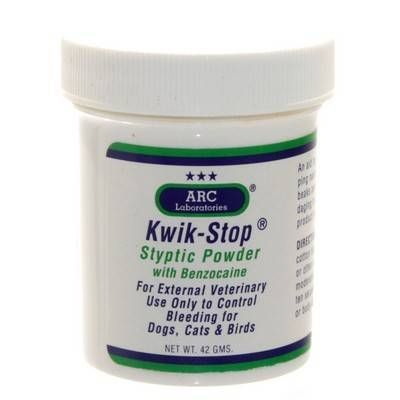
Accidents can happen to even the most careful groomers, making a clear emergency plan absolutely vital.
If you accidentally cut the quick, your very first priority is to remain completely calm.
Dogs are incredibly sensitive to their owners’ emotions and will feed off any signs of panic or stress.
Speak to your pet in a soft, soothing voice while gently holding their paw to limit sudden movement.
If you are using styptic powder, pour a small amount directly into the container’s lid or onto a clean paper towel.
Moisten a clean cotton swab, dip it generously into the powder, and press it firmly against the bleeding nail tip.
Hold this steady, direct pressure against the open vessel for at least thirty consecutive seconds without letting go.
For kitchen cornstarch, mix the powder with a few drops of clean water to create a thick, dough-like paste.
Pack this dense paste tightly around the bleeding nail tip, applying steady pressure for two to five minutes.
Once the bleeding has stopped, keep your dog calm and resting for at least thirty minutes to let the clot fully cure.
Avoid letting them run, dig, or play on rough surfaces, as this can easily break the fresh clot and restart the bleed.
If you need to know how to stop dog nail bleeding in a pinch, having these steps memorized is incredibly helpful.
Understanding these how to get a dogs toe nail to stop bleeding protocols ensures you are always prepared for grooming slip-ups.
For more severe cases, some veterinary clinics also use specialized silver nitrate for cut dog nails to quickly cauterize the wound.
However, silver nitrate sticks can cause notable chemical stinging and require highly precise, professional handling.
This makes a gentle home grinding routine the absolute best way to avoid these stressful situations entirely.
Alternative Household Clotting Methods
If you do not have cornstarch or styptic powder on hand, you can use plain white baking flour as a temporary alternative.
Baking flour works similarly to cornstarch by absorbing fluid and forming a dry, protective physical scab.
You can also gently press the bleeding nail tip directly into a clean, dry bar of unscented soap.
The soap shavings will pack inside the nail cavity, creating a temporary mechanical plug to stop the blood flow.
While these emergency hacks work well in a pinch, they do not replace the rapid clotting power of a dedicated dog nail blood stopper.
Building a Stress-Free Grooming Routine at Home
Transitioning your dog to a stress-free grooming routine requires patience, consistency, and the right tools.
Start by introducing your dog to your new rotary grinder without actually touching their paws.
Turn the device on and let them listen to the quiet hum while offering their favorite high-value treats.
This positive association helps desensitize their nervous system to the sound and vibration of the tool.
Next, gently touch the body of the running grinder to their leg or shoulder so they get used to the physical vibration.
When they remain calm and relaxed, reward them immediately with praise and tasty treats.
Only progress to filing the nails once your dog shows absolutely no signs of fear or resistance.
When you begin grinding, hold the tool at a comfortable 45-degree angle relative to the nail’s growth path.
Apply light, brief pressure for no more than two to three seconds per nail at any given time.
This quick, pulsing technique prevents frictional heat from building up on the sensitive nail bed.
If your dog becomes restless, take a short break and try again later rather than forcing the issue.
With consistent, gentle practice, your dog will learn that nail trimming is a safe, painless, and rewarding experience.
Frequently Asked Questions (FAQ)
Is the Zenpaw Grinder safe for large dogs with thick nails?
Yes, the Zenpaw Maxpro Grinder is equipped with a powerful, high-torque motor and three safety ports designed to accommodate dogs of all sizes.
The small and medium ports are perfect for delicate puppy claws, while the wide open port easily handles thick, stubborn nails on larger breeds.
How long does the battery last on a single charge?
The Zenpaw Maxpro features a high-capacity, USB-rechargeable battery that provides up to 7 hours of continuous use on a single charge.
This long-lasting performance means you can easily complete multiple grooming sessions without worrying about the battery dying mid-trim.
Which speed setting is best for anxious dogs?
We recommend starting on the low speed setting to introduce your anxious dog to the grinder’s gentle sound and minimal vibration.
Once your dog is comfortable, you can switch to the high-speed setting for faster, more efficient filing on thicker nails.
Does the grinding wheel get hot during use?
The Zenpaw Maxpro utilizes advanced cool-running brass spindle technology to prevent frictional heat build-up during grooming.
We still recommend using short, 2-to-3-second pulses on each nail to ensure maximum comfort and safety for your pet.
What is the safest clotting agent if my dog licks their paws?
Kitchen cornstarch is 100% non-toxic, organic, and fully edible, making it the safest choice for dogs that tend to lick their paws after grooming.
While styptic powder is highly effective, it contains mineral salts that can cause mild stomach upset if ingested in large quantities.
Conclusion
Choosing between cornstarch and styptic powder comes down to balancing speed against your dog’s comfort and sensitivity.
Ready to transform nail trimming from a battle into a breeze?
Explore the Zenpaw Maxpro 3-in-1 Grinder.
Call: 302-307-1000 — our team can help you advise on the best grooming practices and help with any product questions.
Note: Individual results may vary depending on individual dog breeds, nail thickness, and behavioral temperaments. This article is intended for general pet grooming reference purposes only and does not replace professional veterinary advice.