
Maxpro 3-in-1 Grinder.
Stress-Free Nail Trimming.
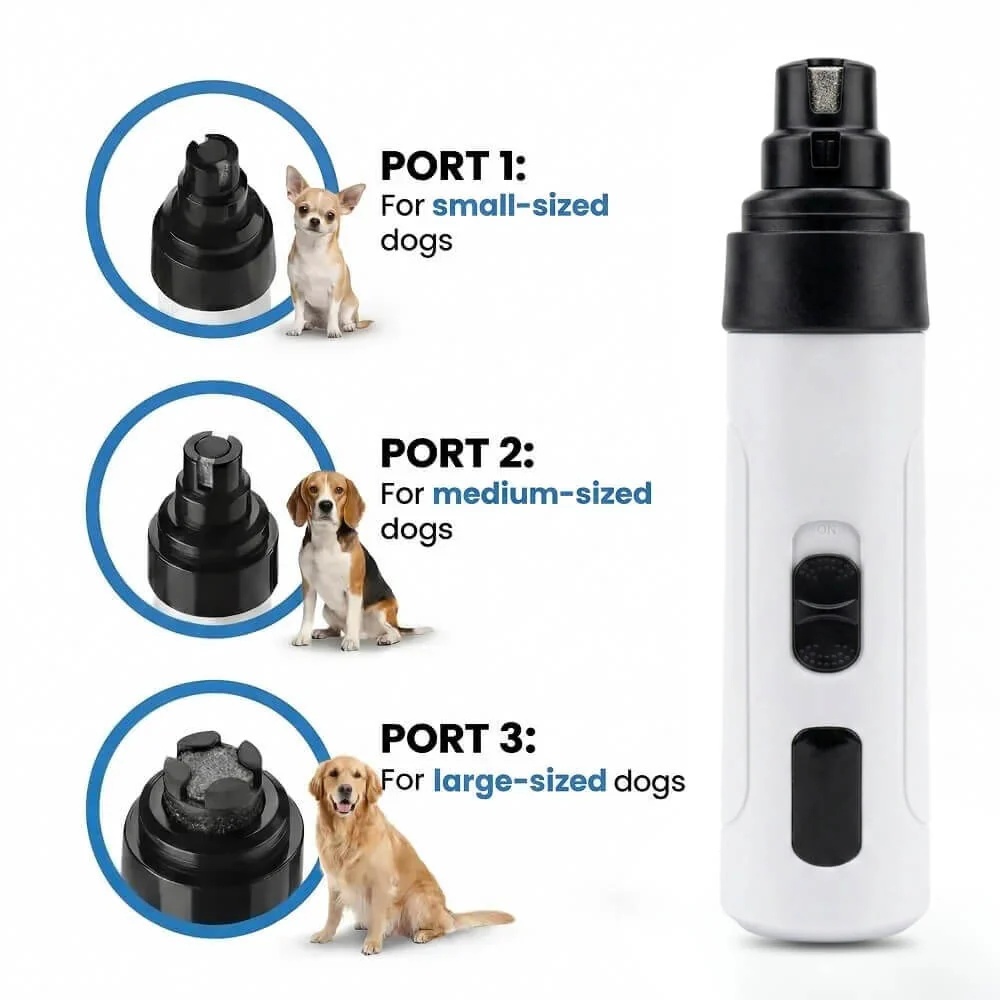
Whisper-quiet DC motor (<40 dB) eliminates fear & discomfort. Features 3 ports, dual speeds, and 7-hour battery life. Safe, precise, and painless.
In This Article
- Canine Nail Anatomy: Learn where the delicate quick is hidden and how to recognize its boundaries.
- Pathology of Nail Infections: Understand how environmental pathogens turn a minor trim mistake into painful swelling.
- Immediate Injury First Aid: Practical, immediate steps to stop the bleeding and sanitize an exposed claw sheath safely.
- Safe Grooming Alternatives: Why professional-grade, low-vibration grinding prevents injuries and reduces canine anxiety.
Can a Cut Dog Nail Too Short Cause a Paw Infection?
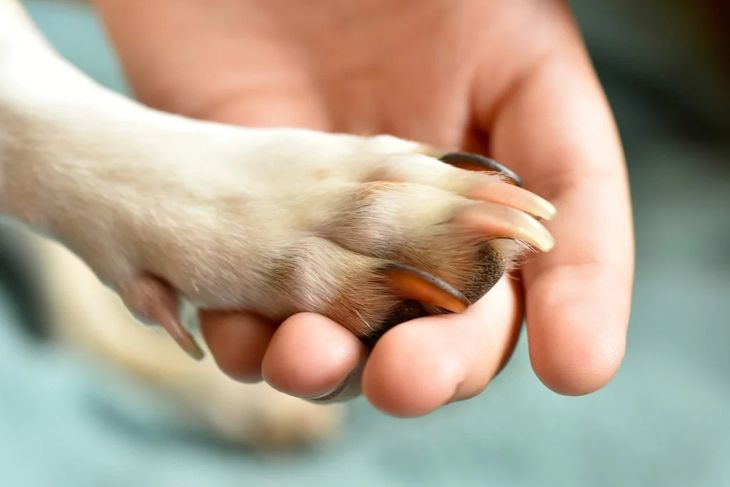
When a pet owner accidentally cuts a dog’s claw past the safety margin, they expose the delicate vascular core known as the quick, which directly invites opportunistic environmental pathogens to cause a painful cut dog nail too short infection. This vulnerable opening allows fecal material, yard bacteria, and surface dirt to penetrate the protective keratin sheath within seconds. If left unmanaged, the localized microflora can multiply rapidly inside the warm, moist crevices of the nail bed, escalating from a minor clipping injury into a severe case of bacterial paronychia. To prevent this painful condition, you must instantly stop the bleeding, clean the area thoroughly, and shield the raw claw from outside contaminants. By using a controlled, progressive tool like the Zenpaw Maxpro Grinder, you can avoid these unexpected quick injuries entirely while maintaining clean, smooth nail edges.
If you are currently dealing with an over-clipped nail, the most critical step is to manage the immediate bleeding and seal the open pathway against harmful environmental microbes. Gently pack the tip of the bleeding claw with styptic powder, clean cornstarch, or baking flour, applying firm pressure with a clean cloth for up to three minutes until a secure clot forms. Once the bleeding has stopped completely, clean the surrounding paw pads with a highly diluted, pet-safe antiseptic wash to clear away any lingering bacteria without disturbing the new clot. Keep your canine companion resting indoors on clean, dry flooring for the next twenty-four hours, checking the injured nail bed twice daily for signs of fluid discharge, warmth, or persistent swelling. If you want to handle this safely at home, the Zenpaw Maxpro Grinder provides painless, quiet filing — explore it here.
99-Day 100% Money-Back Guarantee
“Ever since we started using the Zenpaw Maxpro Grinder, it’s been such a peaceful experience. It’s very quiet, and my dog actually relaxes. It’s turned our stressful sessions into quick, quiet grooming times.”
— Sarah M. | ✔ Verified Customer
- ✓ Prevents Infection & Splitting
- ✓ Ideal for All Dog Sizes
- ✓ Low-Vibration Technology
- ✓ Fast 2-7 Days Delivery
Need Support? Call 302-307-1000
Understanding Canine Nail Anatomy: Where Is the Quick?

A dog’s claw is not a simple, inert piece of keratin like a human fingernail.
Instead, it is a living, highly vascular extension of the distal phalanx bone.
The outer layer consists of a hard, protective sheath made of compacted alpha-keratin.
Inside this shell lies the quick, a sensitive core packed with active blood vessels and dense nerve endings.
When you clip too deep, you slice directly into these live nerve pathways and blood capillaries.
This sudden trauma causes immediate, sharp pain and significant bleeding for your pet.
The classic pressure from traditional clippers can even crush the nail bed before the cut is made.
Using a high-quality hand tool like the safari dog nail clippers can reduce some crushing forces, but manual clipping still demands absolute precision.
If a dog flinches or pulls away during the trim, the risk of over-clipping rises dramatically.
According to the American Kennel Club (AKC), nails that grow too long can cause the quick to elongate, making future manual trims much more difficult to complete safely.
Our team at Zenpaw recommends a gradual, heat-free filing process to safely shorten claws.
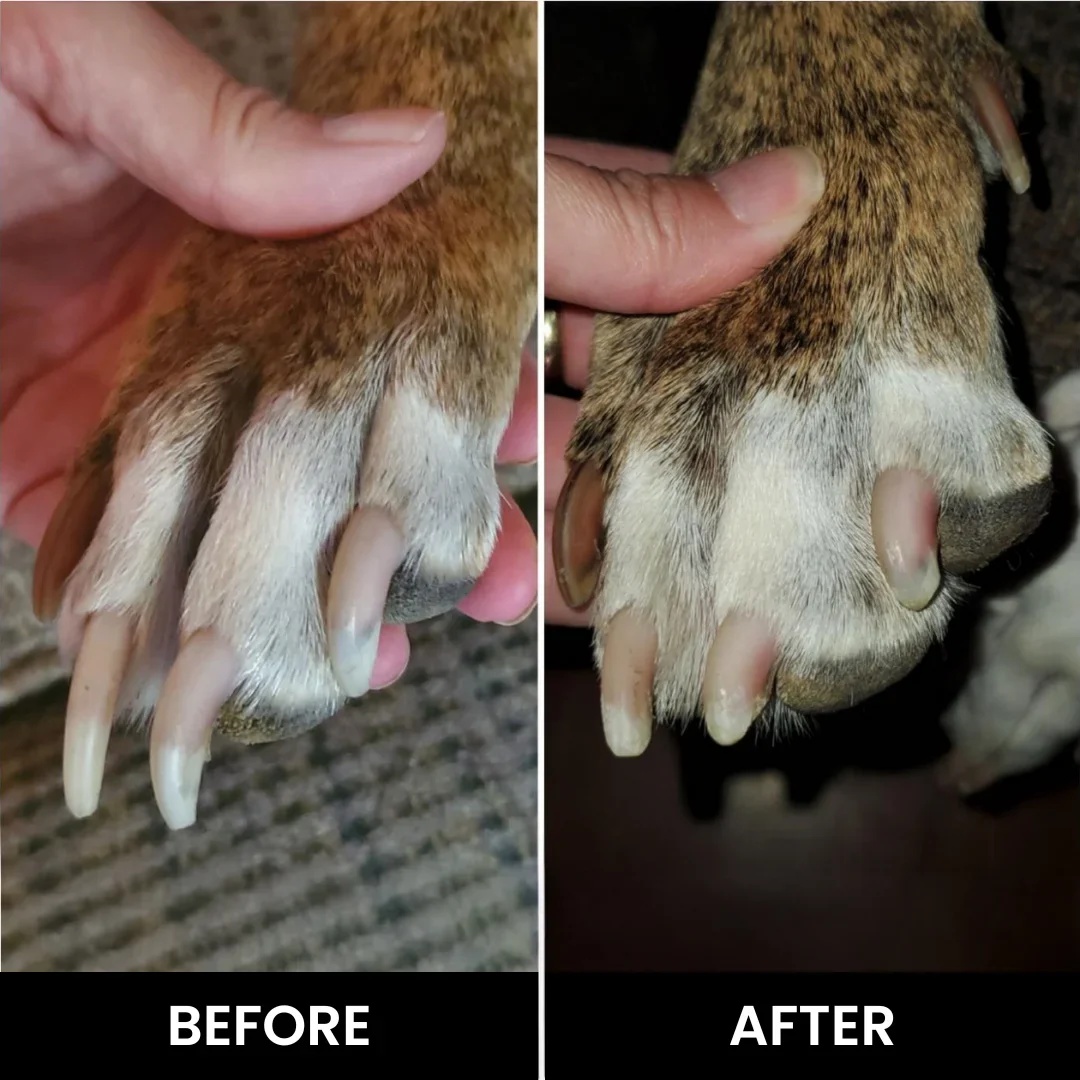
This progressive approach gently coaxes the long quick to recede over several consecutive sessions.
The Science of Pathogenic Infiltration: How Infections Develop
An infection from deep nail cut typically begins the moment the protective outer keratin layer is breached.
Once exposed, the damp and raw quick is highly vulnerable to microscopic invaders.
Common environmental bacteria, such as Staphylococcus and Streptococcus, can instantly cling to the open tissue.
When your dog walks outside, their paws contact damp grass, garden soil, and yard runoff containing these pathogens.
These microflora thrive in the warm, dark spaces around the base of the canine claw.
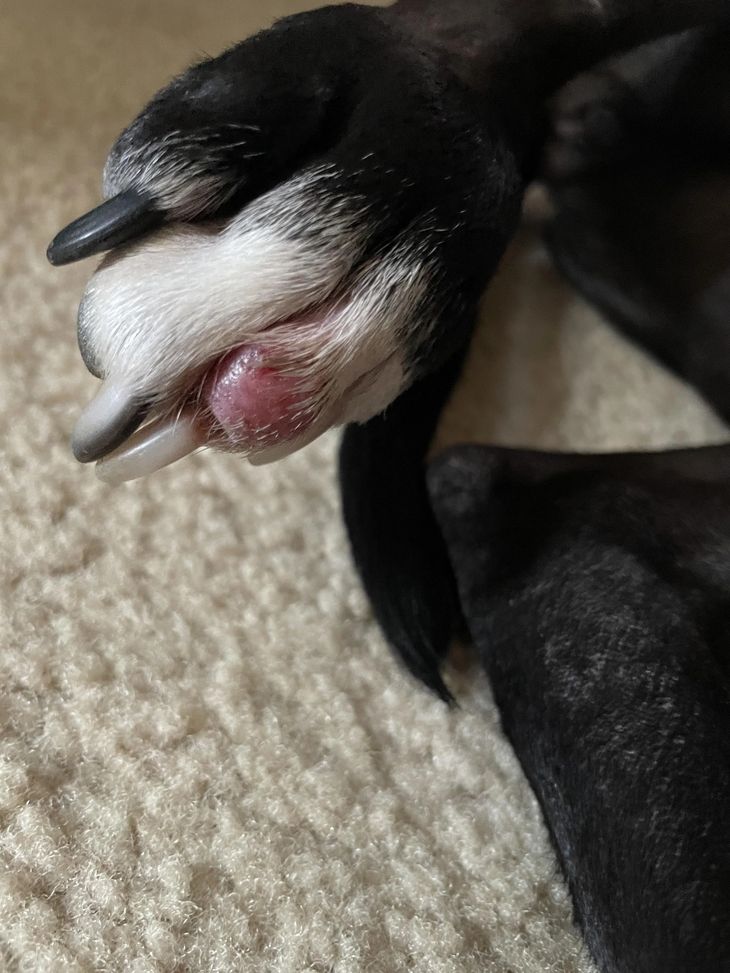
As bacteria multiply, they trigger an inflammatory response that leads to a condition known as paronychia.
The body rushes white blood cells to the area, causing noticeable heat, swelling, and redness.
If the infection is left unmanaged, the pathogens can spread up the toe into the joint or the bone.
This deeper bone infection, called osteomyelitis, is a complex medical condition that requires extensive veterinary care.
This is why preventing the initial quick injury is the safest way to maintain paw health.
For heavy, extra-thick claws on larger breeds, using the best nail clippers for extra large dogs to rough out the length is helpful, but you should finish with a quiet rotary file to keep the quick completely safe.
Recognizing the Warning Signs of an Infected Nail Bed
To protect your pet, you must know how to identify early signs of a developing can a dog’s nail get infected if cut too short complication.
The most common initial sign is repetitive licking or chewing at a single paw.
Dogs instinctively clean wounds with their saliva, but this habit introduces harmful oral bacteria into the sensitive, open quick.
You may also notice your dog limping, favoring a leg, or hesitating to walk on hard surfaces.
Upon close physical inspection, the skin surrounding the base of the claw will appear swollen, tight, and deep red.
A healthy canine nail bed should always be dry and free from any unusual discharge.
An infected nail bed may ooze a cloudy, yellowish fluid, clear plasma, or dark blood.
You might also notice a strong, unpleasant smell coming directly from the injured toe.
The area will feel noticeably hot to the touch compared to the other healthy paws.
Your dog may pull their leg away, whine, or growl if you attempt to touch the sore spot.
If any of these signs appear, you should reach out to your veterinary team for a proper checkup.
Using a low-vibration grinder is a great way to prevent these painful nail bed injuries from ever happening.
Immediate First Aid for an Over-Clipped Dog Nail
Even with careful attention, home grooming mishaps can occasionally happen.
If you accidentally clip a claw too short, your first priority is to stay calm and focused.
A rapid heartbeat from an anxious owner will increase the dog’s blood pressure, which can make the nail bleed more.
Immediately apply a clean pinch of styptic powder directly to the bleeding claw tip.
If you do not have styptic powder at home, you can substitute clean cornstarch or baking flour.
Press the powder firmly onto the tip using a clean paper towel, holding it in place for several minutes.
Avoid wiping or picking at the tip afterward, as you could easily break the fragile clot.
Restrict your dog to quiet, indoor activities to allow the damaged tissue time to settle.
Keep them off wet lawns, mud, and dirty carpets for at least twenty-four hours after the injury.
Do not use harsh human antiseptics, alcohol, or burning sprays, which can cause intense stinging.
If the bleeding does not stop after twenty minutes of steady pressure, contact your local clinic.
Using a reliable tool like the millers forge nail clipper helps with control, but transitioning to a quiet grinder offers the best protection for your dog’s paws.
Step-by-Step Prevention: Safe Trimming with the Zenpaw Maxpro Grinder
Transitioning your dog to a high-quality grinder requires a slow, positive approach to build their confidence.
Many dogs are afraid of grooming because they associate it with the painful pinch of old, dull clippers.
Start by showing your dog the turned-off Zenpaw Maxpro Grinder, rewarding their curiosity with a high-value treat.
Once they are comfortable with the tool, turn on the whisper-quiet motor while keeping it a short distance away.
Because the motor runs under forty decibels, it will not startle or upset sensitive canine ears.
Offer their favorite treats while the quiet motor hums so they learn to associate the sound with good things.
Gently touch the body of the vibrating grinder to your dog’s shoulder or leg to get them used to the feeling.
When you are ready to file the nails, hold your dog’s paw firmly but gently in your palm.
Position the grinding head at a precise forty-five-degree angle against the tip of the claw.
Touch the rotary head to the nail for just two to three seconds at a time.
This quick, tapping technique prevents frictional heat from building up and causing your pet discomfort.
Take your time and work on only one or two claws per day to keep the grooming session stress-free.
Compared to louder options like the dremel pawcontrol dog nail grinder, our ultra-quiet model helps anxious dogs stay calm.
With a patient approach, you can easily turn a difficult chore into a relaxing, positive habit for your pet.
How to Safely Grind Dark and Black Dog Nails
Trimming dark or black claws can be one of the most intimidating parts of grooming a pet at home.
Unlike clear claws, the pink quick inside a dark nail is completely hidden from view.
This makes using standard clippers a guessing game that often leads to painful, accidental cuts.
With the Zenpaw Maxpro, you can safely file down very thin layers of the nail with complete control.
Look directly at the cut edge or tip of the claw as you work.
When you begin, the center of the dark nail will look dry, chalky, and white.
As you file closer to the quick, this powdery texture will slowly disappear.
You will soon see a small, dark, moist-looking circle appear right in the center of the nail tip.
This dark spot is the outermost protective sheath of the living quick.
Once you spot this dark, round center, you must stop grinding immediately.
This careful, gradual method ensures you never have to worry about a sudden, painful injury again.
If you are comparing grinders, the casfuy dog nail grinder is a common option, but our whisper-quiet design and low vibration provide a smoother, more comfortable experience for anxious pets.
The Physical Danger of Squeezing and Cracking Claws
Traditional clippers rely on sharp metal blades that squeeze and pinch the nail to cut through it.
This crushing force puts substantial pressure on the sensitive nail bed, even if you stay far away from the quick.
Dull blades can cause the keratin sheath to crack, splinter, or peel all the way up to the toe joint.
These tiny cracks leave raw spaces where dirt and outdoor bacteria can easily collect and grow.
In addition, the loud, sudden snapping sound of clippers can startle your dog, causing them to flinch mid-cut.
This sudden movement is the main reason behind deep, painful cuts and long-lasting grooming fear.
Rotary files, by contrast, gently shave away the excess nail without putting any painful pressure on the toe.
The Zenpaw Maxpro features specialized low-heat technology to keep the spinning head cool and comfortable against the claw.
This smooth, quiet design makes home nail care a safe, stress-free routine for dogs of all sizes.
Frequently Asked Questions
Ready for Safe, Stress-Free Paw Care?
Ready to transform nail trimming from a battle into a breeze? Explore the Zenpaw Maxpro 3-in-1 Grinder. Call: **302-307-1000** — our team can help you advise on the best grooming practices and help with any product questions.