
I still remember the night my golden retriever, Max, was clicking his nails loudly across the hardwood floor, and in a moment of sheer desperation, I reached into my garage toolbox for a pair of rusty wire cutters. It was a terrible mistake that left us both stressed, but thankfully, that painful lesson led our team at Zenpaw to develop a much safer, gentler way to care for our dogs’ sensitive paws with the help of safe, whisper-quiet tools.
Maxpro 3-in-1 Grinder.
Stress-Free Nail Trimming.
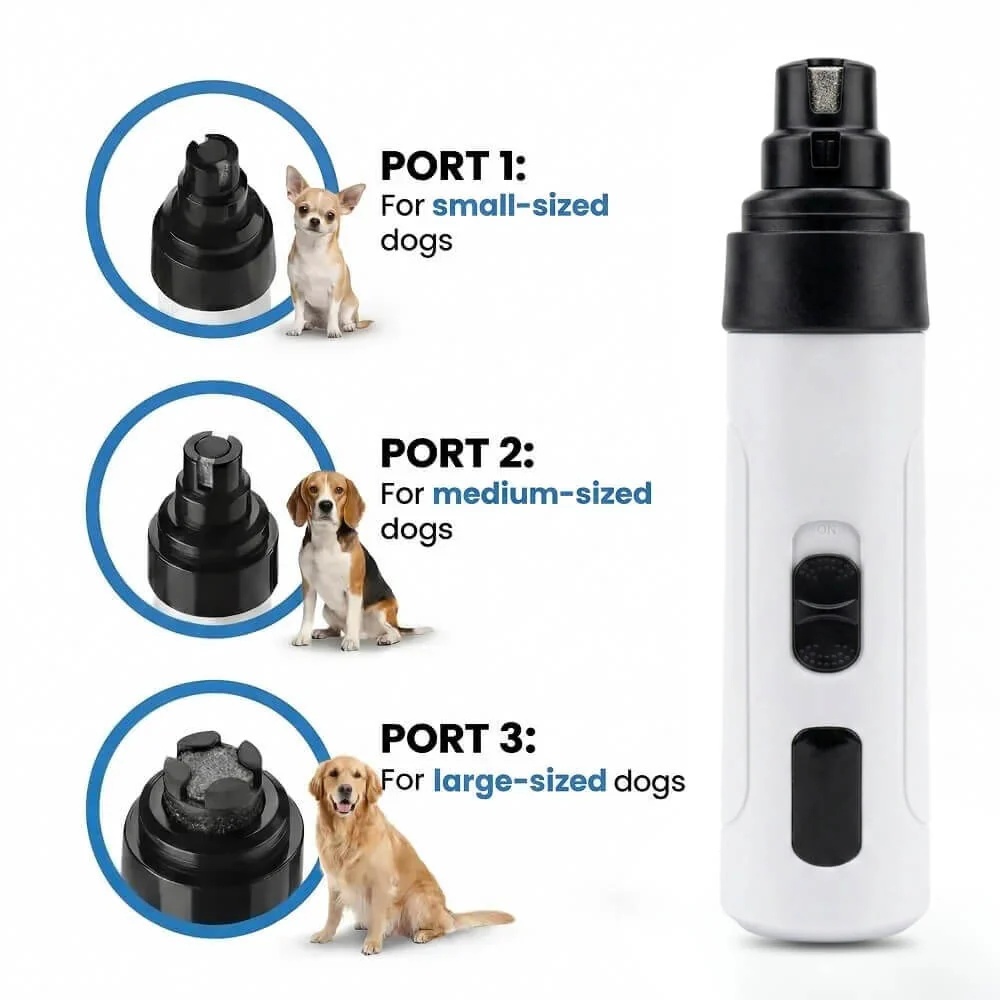
Whisper-quiet DC motor (<40 dB) eliminates fear & discomfort. Features 3 ports, dual speeds, and 7-hour battery life. Safe, precise, and painless.
In This Article
- Why Hardware Tools Do Not Belong Near Your Dog’s Paws: Discover the structural differences between industrial tools and professional groomer devices.
- The Mechanics of Squeezing vs. Slicing: Learn why hardware items shatter fragile claws instead of cutting them cleanly.
- The Painful Anatomy of the Quick: Find out why proper angles and visibility are essential to prevent severe bleeding.
- Safe, Low-Stress Grooming Alternatives: Step-by-step guides on how to use low-vibration pet tools safely.
Can You Cut Dog Nails with Wire Cutters? The Professional Verdict
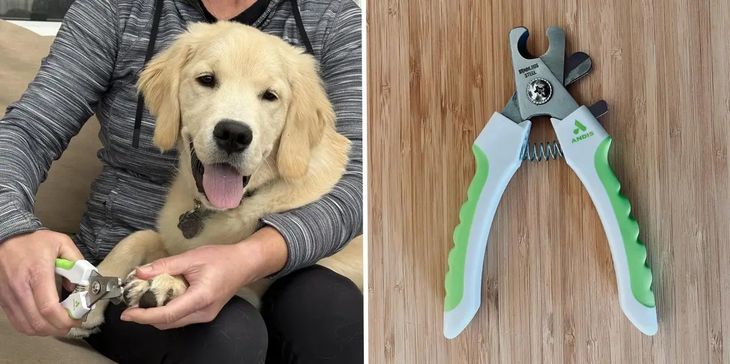
You should absolutely never use hardware wire cutters, linesman pliers, or standard household tools to trim your canine companion’s claws.
These heavy-duty construction tools are engineered exclusively to cut through cold metal, copper wire, and rigid plastic.
Unlike human fingernails or soft copper wire, a dog’s claw has a highly complex, curved structure with a living, blood-rich core inside.
When you squeeze industrial tools onto this curved surface, the blunt lateral pressure completely crushes the sensitive nail structure.
This sudden impact shatters the outer keratin shell and puts immense pressure directly onto the delicate nerve endings.
Professional groomers and veterinary behaviorists agree that using non-pet tools leads to immediate pain, bleeding, and long-term behavioral trauma.
If you want to handle this safely at home, the Zenpaw Maxpro Grinder provides painless, quiet filing — explore it here.
The safest way to handle overgrown canine nails at home is to ditch the toolbox and implement a gradual, positive-reinforcement grooming routine.
You should first gather specialized pet grooming gear, styptic powder, and high-value treats to create a calm environment.
If you do not have proper pet clippers or a low-vibration grinder on hand, you must wait until you can acquire safe tools.
While you wait, gently handle your dog’s paws daily to build positive association and reduce touch sensitivity.
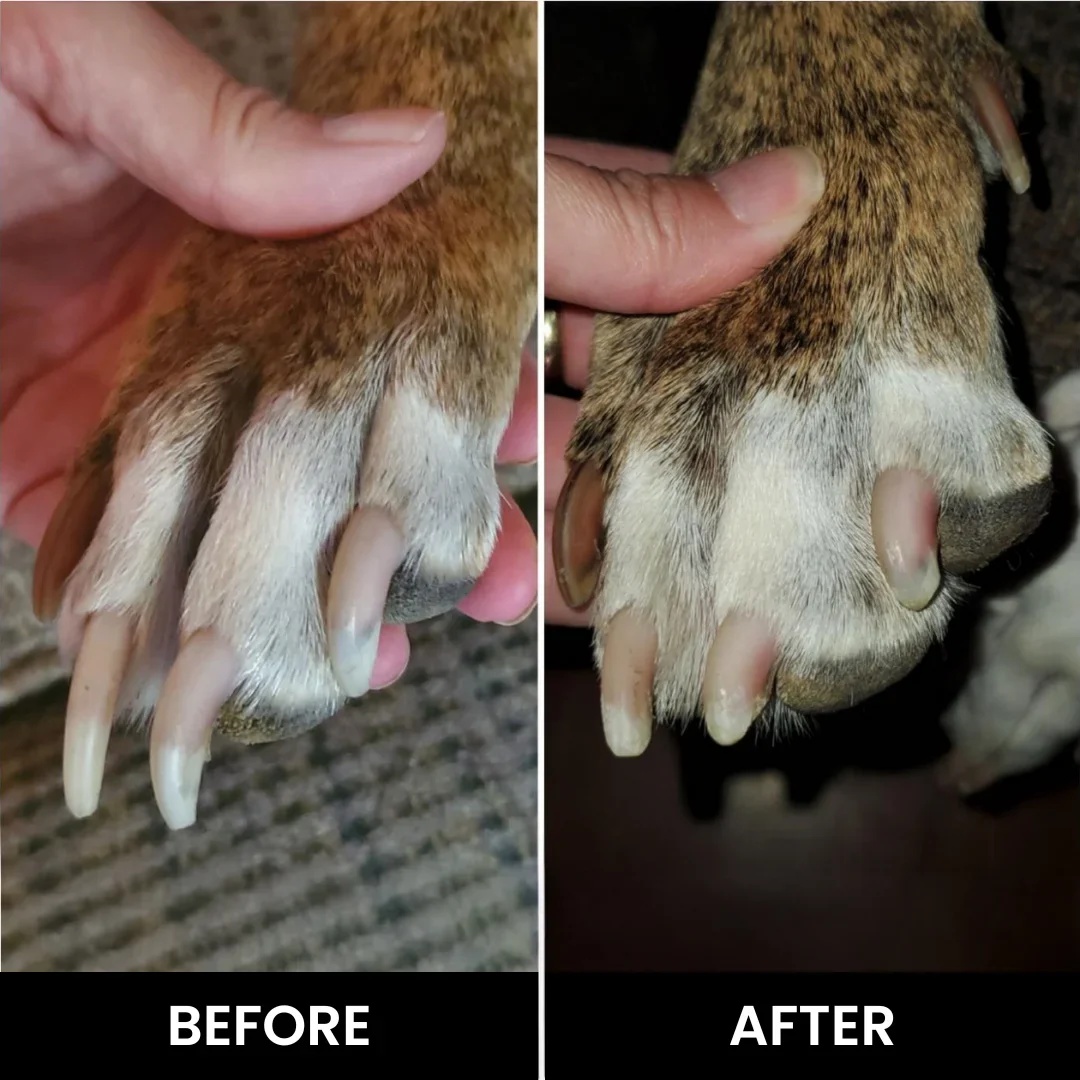
Once you have a quiet, dedicated pet tool, you can slowly remove tiny layers of the nail tip at a 45-degree angle.
This incremental method ensures you never breach the sensitive quick or cause painful splitting.
99-Day 100% Money-Back Guarantee
“Ever since we started using the Zenpaw Maxpro Grinder, it’s been such a peaceful experience. It’s very quiet, and my dog actually relaxes. It’s turned our stressful sessions into quick, quiet grooming times.”
— Sarah M. | ✔ Verified Customer
- ✓ Prevents Infection & Splitting
- ✓ Ideal for All Dog Sizes
- ✓ Low-Vibration Technology
- ✓ Fast 2-7 Days Delivery
Need Support? Call 302-307-1000
The Biology of Canine Nails: Slicing vs. Crushing Forces
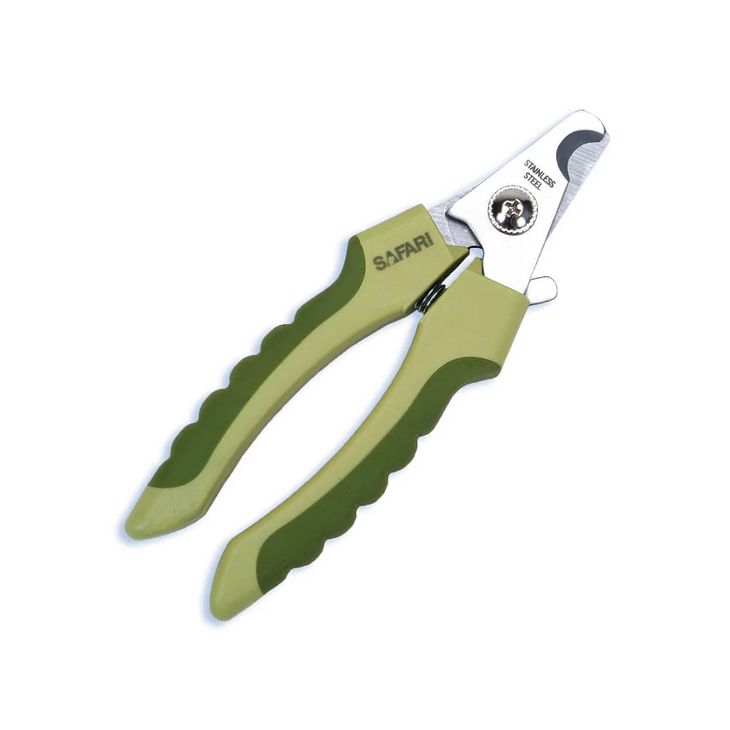
To understand why hardware tools are dangerous, we must examine the biological makeup of a dog’s claw.
The outer layer consists of a hard protein called keratin, which grows in a protective, downward-curving sheath.
Deep inside this protective sheath lies the quick, a highly sensitive bundle of blood vessels and nerves.
Standard pet clippers use bypass blades that slide past each other to cleanly slice through this tough keratin.
In contrast, using linesman pliers to cut dog nails creates a devastating crushing force from both sides.
Hardware pliers do not have slicing blades; instead, they have blunt, flat jaws designed to grip or pinch.
Squeezing these flat metal jaws against a round, hollow nail shell causes the entire structure to collapse inward.
This blunt-force trauma can actually tear the nail away from the delicate nail bed.
The resulting structural damage often explains why do my dogs nails split when i cut them.
This pain is intense and can make your dog terrified of any future paw contact.
When you use industrial tools, the physical shockwave travels directly up the bone of the toe.
This localized impact can micro-fracture the underlying keratin matrix and cause chronic discomfort.
Canine claws are fundamentally different from human nails because they are directly connected to the distal phalanx bone.
Any trauma experienced by the claw is felt deeply within the skeletal structure of your dog’s leg.
This is why high-vibration power tools or squeezing implements are so physically damaging to their long-term structural health.
A clean cut must always be achieved through razor-sharp slicing action, never blunt-force constriction.
Severe Physical Risks: Infection, Splitting, and Bleeding
When a dog’s nail splits or shatters from improper tools, the damage rarely stops at the tip.
A jagged, split nail will easily snag on carpets, grass, or blankets as your dog walks.
This snagging can rip the remaining nail completely off the toe, causing agonizing pain and profuse bleeding.
If you accidentally cut into the living tissue, you must know how to stop dog toenail bleeding immediately.
An open wound on a dog’s paw is highly susceptible to bacteria from dirt, mud, and household floors.
Once bacteria enter the compromised nail bed, a painful, throbbing infection can quickly develop.
Owners then have to seek costly veterinary care and research home remedies for dog nail bed infection to relieve their pet’s suffering.
These painful infections can cause lameness, swelling, and extreme lethargy in your beloved pet.
You can completely avoid these medical emergencies by using tools designed specifically for canine claw density.
A deep split can also reach all the way up into the cuticle line, exposing the raw bone tip.
Once this structural barrier is broken, pathogens can travel into the bloodstream, creating systemic health problems.
Furthermore, standard wire cutters do not allow you to see the color change that warns you of the approaching quick.
This lack of visibility makes it almost impossible to avoid cutting into the living nerves of dark-colored nails.
Even a single accidental cut can cause your dog to lose trust in the entire grooming process.
Maintaining a smooth, uncompromised nail surface is the first line of defense against painful environmental debris.
The Psychological Impact: Preventing Lifelong Grooming Anxiety
The physical pain of a crushed nail is only half of the problem.
Dogs have excellent associative memory, meaning they quickly connect objects with specific sensations.
If you use intimidating garage tools, your dog will associate the sight of the toolbox with sudden, intense pain.
This negative association can trigger severe grooming anxiety and aggressive defensive behaviors.
In extreme cases, an owner might have to resort to using a dog muzzle for nail trimming to keep everyone safe.
Some dogs display passive resistance, such as when a dog plays dead when cutting nails to escape the situation.
This level of stress turns a routine grooming chore into a dangerous, multi-person struggle.
The mental toll of this constant anxiety can cause your pet to become generally fearful of being handled.
They may begin to hide under furniture or growl whenever you touch their paws during normal play.
This chronic fear makes simple vet exams and basic paw cleaning a stressful ordeal for everyone involved.
By using using pliers to cut dog nails, you are conditioning your dog to view you as a source of pain.
Replacing this fear with a sense of safety requires patience, time, and gentle grooming instruments.
Quiet, low-vibration devices help shift the dog’s focus from survival mode back into a calm state of relaxation.
With consistent, positive rewards, you can rebuild their confidence and make paw care a peaceful bonding time.
Transitioning to the Zenpaw Maxpro: A Stress-Free Plan
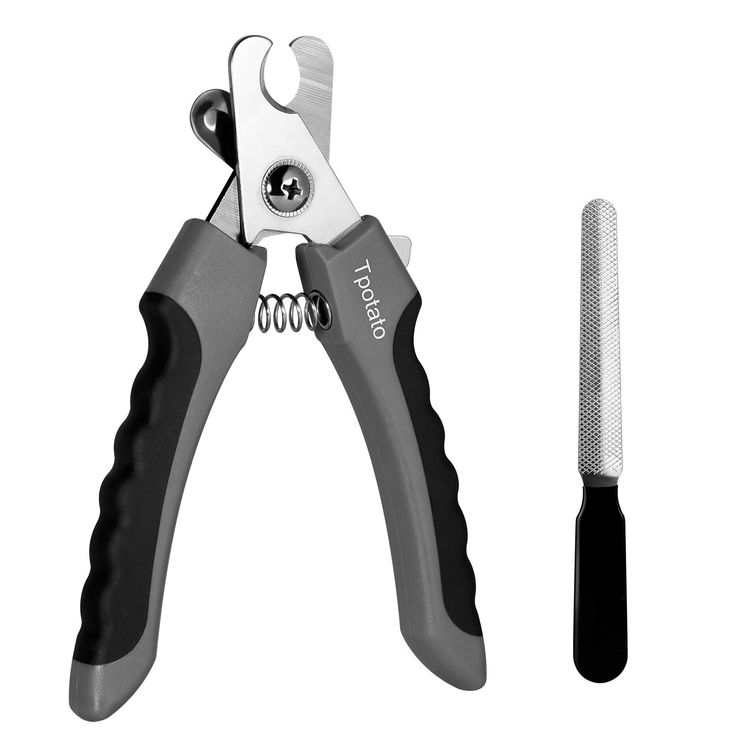
Moving away from traumatic hardware tools requires a gentle, systematic approach to desensitization.
We designed the Zenpaw Maxpro Grinder with a whisper-quiet motor operating under 40 decibels to prevent noise startle.
To start, place the turned-off grinder on the floor and let your dog sniff it while feeding them high-value treats.
Once they are comfortable with its physical presence, turn the grinder on its lowest speed setting at a distance.
Reward your dog with praise and treats simply for remaining calm while hearing the faint hum.
Next, gently touch the vibrating body of the grinder to your dog’s shoulder or leg to get them used to the sensation.
Never rush this process, as building confidence is much more important than a fast trim.
When you are ready to trim, hold the paw securely but gently, separating the target toe from the rest.
Apply the grinding wheel to the nail tip at a precise 45-degree angle.
Use brief, light touches of two to three seconds per nail to prevent heat buildup from friction.
The dual-speed settings of the Maxpro allow you to control the speed based on your dog’s comfort and nail density.
This gradual filing method lets you easily see the safe, light-colored center before you reach the sensitive quick.
As the grinder works, it smoothly files away the sharp edges, leaving a rounded, safe finish.
This design makes it perfect for maintaining even the most challenging dark or thick nails.
By making the grooming process quiet and predictable, your dog will slowly learn to relax during paw care sessions.
How Traditional Clippers Fail and Why Grinding Wins
Many pet owners rely on cheap, guillotine-style clippers that they purchase at local supermarkets.
Unfortunately, these clippers often have dull, poorly aligned blades that crush the nail instead of slicing it.
This crushing action causes microscopic cracks throughout the nail shaft, leading to painful future splits.
Squeezing a dull clipper also exerts sudden pressure on the quick, making your dog flinch even if you do not cut the tissue.
A high-quality nail grinder completely eliminates this sudden, jarring impact.
Instead of a violent chop, the rotating grinding wheel gently files away the nail in microscopic increments.
This smooth, rotary action leaves a perfectly rounded edge that will not snag on furniture or scratch your skin.
Grinding also allows you to safely work around dark or black nails where the quick is completely invisible from the outside.
Our team at Zenpaw recommends grinding a tiny bit of the tip weekly to keep the quick naturally receded.
This frequent, light maintenance prevents the quick from growing too long and makes grooming sessions much shorter.
Over time, consistent grinding actually encourages the living tissue of the quick to pull back deeper into the toe.
This allows you to keep your dog’s nails at a healthy, short length without ever risking pain or bleeding.
It is the ultimate solution for owners who are nervous about using sharp blades on their beloved pets.
Hardware Tools vs. Specialized Grooming Tools
| Feature Comparison | Wire Cutters / Hardware Tools | Standard Pet Clippers | Zenpaw Maxpro Grinder |
|---|---|---|---|
| Primary Function | Cutting cold metal and copper wires | Trimming soft keratin structures | Micro-precision nail smoothing |
| Impact on Claw | Crushes, shatters, and micro-fractures | Slices with variable blunt pressure | Frictionless, painless filing action |
| Noise Level | Silent but physically alarming snaps | Loud popping sound that startles dogs | Whisper-quiet motor (<40 decibels) |
| Risk of Bleeding | Extremely high (no visual safety) | Moderate to high (easy to over-clip) | Virtually zero (gradual precision control) |
| Finish Quality | Sharp, jagged, split edges | Rough, uneven edges that snag easily | Perfectly smooth, rounded tips |
FAQ: Safer Grooming Choices for Anxious Dogs
For larger breeds with very thick claws, you can use the wide, open-side port on the high-speed setting.
The powerful motor easily files down dense keratin without slowing down or stalling under pressure.
You can easily recharge it using any standard USB port, making it highly portable for travel or outdoor grooming.
The long battery life means you rarely have to worry about the device dying mid-session.
However, the Zenpaw Maxpro uses advanced low-heat brass wheels that dissipate heat much faster than cheap sand bands.
To prevent discomfort, simply use quick, light taps and move from nail to nail rather than holding it continuously on one claw.
Dogs that walk frequently on hard concrete surfaces may naturally wear down their claws, requiring less frequent trims.
If you can hear a clicking sound as your dog walks across hard floors, their nails are too long and require attention.
Conclusion
Ready to transform nail trimming from a battle into a breeze? Explore the Zenpaw Maxpro 3-in-1 Grinder. Call: **302-307-1000** — our team can help you advise on the best grooming practices and help with any product questions.