I still remember the absolute panic when my retriever Cooper let out a sharp yelp after catching his foot on our rug, leaving his nail sitting at a terrifying, crooked angle. That painful night taught me how fragile canine toes are, prompting us to design stress-free grooming tools like the Zenpaw Maxpro Grinder to support our pets’ delicate paw health without the dread. If your companion is currently limping or guarding their foot, they may be dealing with a painful dog dislocated toe nail, which requires calm, immediate steps to manage safely.
Maxpro 3-in-1 Grinder.
Stress-Free Nail Trimming.
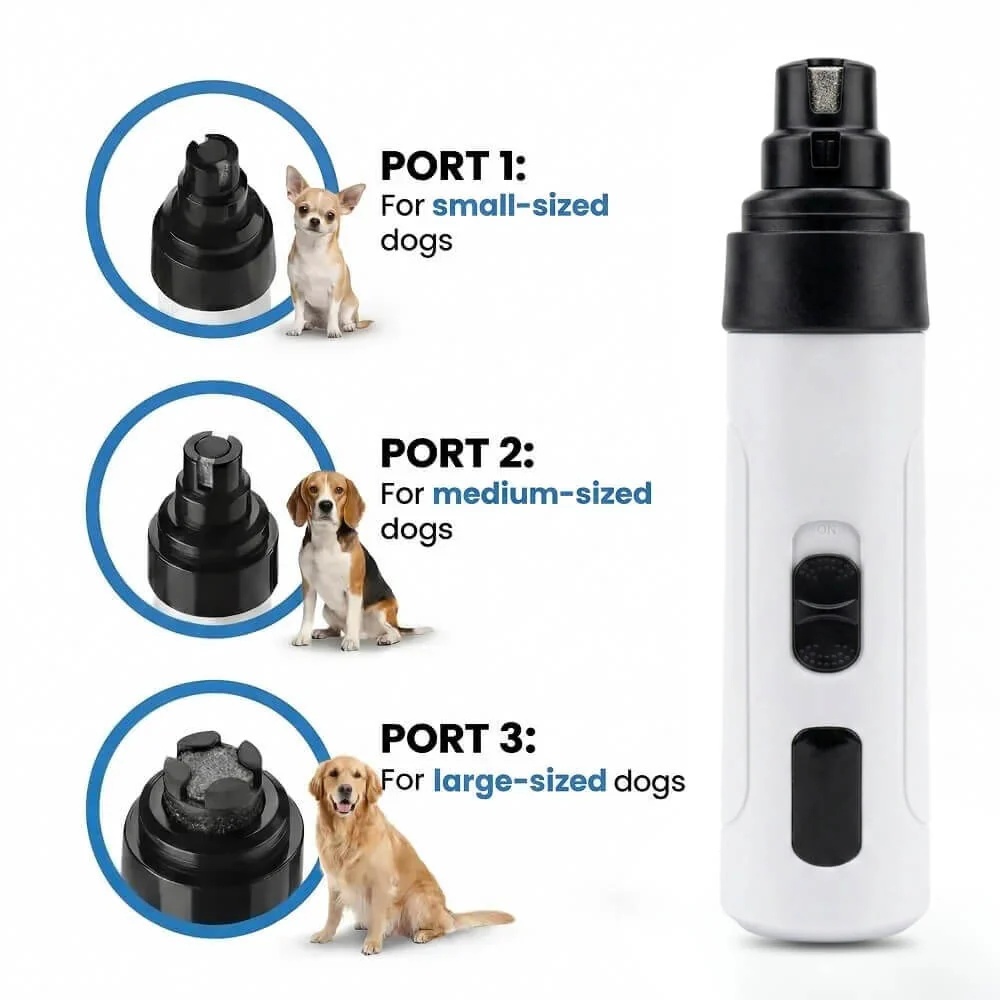
Whisper-quiet DC motor (<40 dB) eliminates fear & discomfort. Features 3 ports, dual speeds, and 7-hour battery life. Safe, precise, and painless.
In This Article
- First Aid Protocol: Learn the exact steps to stabilize a dislocated nail joint safely.
- Canine Anatomy: Understand the skeletal structure of your dog’s toe and joint matrix.
- Symptom Identification: Discover physical and behavioral signs of digital joint displacement.
- Safe Grooming Guides: Master desensitization methods to prevent future paw trauma.
What is a Dog Dislocated Toe Nail and Does At-Home Care Work?
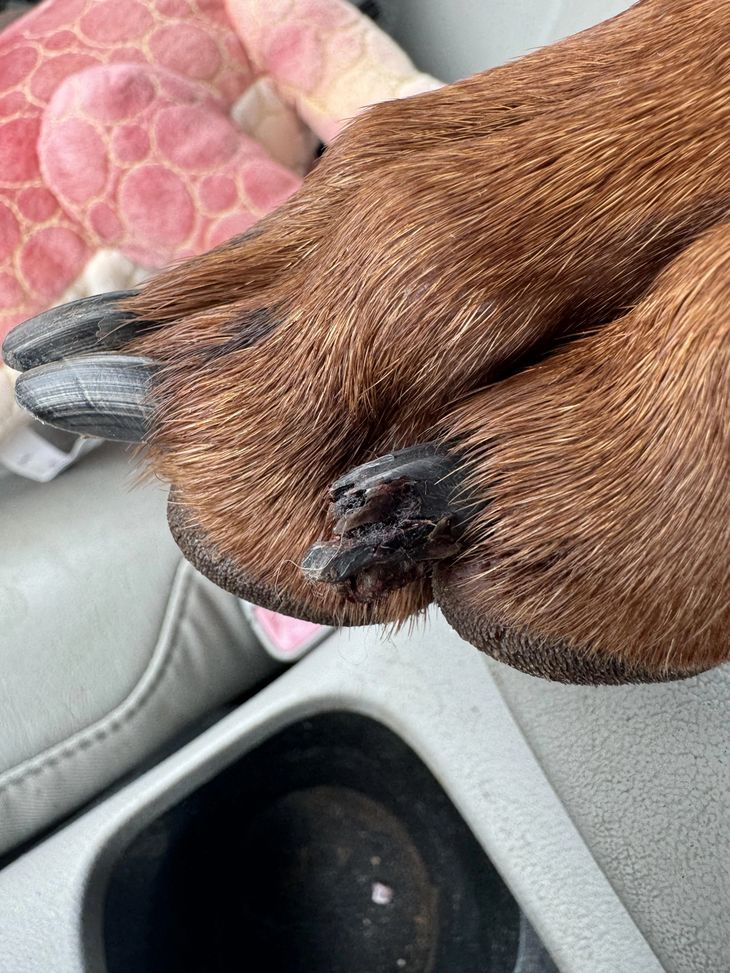
A dislocated claw joint in dogs occurs when sudden trauma forces the delicate skeletal structures of the toe completely out of their normal alignment. This injury commonly happens when active dogs run fast across heavy rugs, leap off elevated furniture, or catch their claws in wire crates or outdoor brush. The sudden impact stretches or tears the supportive joint capsule and ligaments, causing the nail to sit at an unnatural, crooked angle. This injury is profoundly painful because it directly impacts the sensitive nerves surrounding the bones, causing your dog to limp, whine, or aggressively protect their paw. As a pet parent, you must realize that while minor nail splits can be carefully monitored, a true structural dislocation is a medical issue that requires a vet’s intervention.
To care for this injury safely at home before reaching the vet, you must first keep your dog completely calm and still to prevent further joint damage. Gently muzzle your pet if they show signs of aggression, as intense pain can cause even the sweetest dogs to bite defensively. Carefully flush the injured paw with clean, lukewarm water or a mild antiseptic solution to wash away any trapped dirt. Wrap the entire foot in a soft, supportive bandage to immobilize the joint, and prevent your dog from licking or chewing the wound. Never try to forcefully snap the crooked toe back into place yourself, as you could easily fracture the delicate bones. Once the acute joint injury is professionally addressed, keeping the nails neatly trimmed with the Zenpaw Maxpro Grinder provides a painless, quiet filing experience that helps prevent future snags — explore it here.
99-Day 100% Money-Back Guarantee
“Ever since we started using the Zenpaw Maxpro Grinder, it’s been such a peaceful experience. It’s very quiet, and my dog actually relaxes. It’s turned our stressful sessions into quick, quiet grooming times.”
— Sarah M. | ✔ Verified Customer
- ✓ Prevents Infection & Splitting
- ✓ Ideal for All Dog Sizes
- ✓ Low-Vibration Technology
- ✓ Fast 2-7 Days Delivery
Need Support? Call 302-307-1000
Anatomy of Canine Paws and the Mechanics of a Dislocated Claw Joint

A dog’s paw is a highly complex, beautifully engineered structure designed to absorb continuous impact forces.
Each individual toe consists of three tiny digital bones called the phalanges.
The hard outer claw grows directly from the third phalanx, which represents the skeletal tip of the toe.
A delicate system of strong ligaments, tendons, and connective tissues keeps these joints aligned perfectly.
When an unexpected twisting force acts on the claw, these supportive ligaments can stretch or tear completely.
This structural failure allows the joint to slip out of its protective anatomical socket.
A dog dislocated toenail is far more severe and painful than a simple cracked nail tip.
This is because the joint displacement directly compresses the complex network of nerve endings within the paw.
You might also observe active dog nail bleeding at the base if the surrounding blood vessels have ruptured.
Understanding this anatomy is why you should never try to manually pull or pop the toe back into place at home.
Rough, untrained manipulation can easily fracture the tiny phalangeal bones of the toe.
It can also cause permanent, irreversible nerve damage to your pet’s paw pad.
Over time, an untreated joint displacement will lead to chronic, painful arthritis in the foot.
This structural arthritis makes walking painful and uncomfortable for your dog for the rest of their life.
With correct professional care, you can rest assured that do dogs toenails grow back healthily once the underlying joint is stabilized.
Our team at Zenpaw is committed to helping you keep claws short so they never snag on objects again.
The Crucial Role of the Quick and Nail Matrix
The quick is the living, highly vascularized core of your dog’s outer claw sheath.
It contains an incredibly rich supply of blood vessels and microscopic nerve receptors.
When a digital joint is dislocated, the quick is often twisted, stretched, or severely compressed.
This intense compression causes a sharp, throbbing pain that makes dogs guard their paws aggressively.
If the delicate nail matrix at the base of the toe is damaged, future nail growth will be compromised.
This structural damage can cause the new claw to grow back at odd, unnatural angles.
Deformed claws are significantly more vulnerable to experiencing recurring snags and subsequent dislocations.
Using blunt, heavy clippers on a healing paw is a recipe for sudden reinjury.
The heavy crushing force of old-fashioned clippers can easily split the healing nail plate down to the bone.
A whisper-quiet, low-vibration grinder allows you to file away length gently without putting pressure on the recovering joint.
Recognizing Symptoms: When Your Dog’s Paw Injury Needs Help
Dogs are incredibly resilient animals that instinctively hide physical pain to mask vulnerability.
However, a dislocated claw joint in dogs produces very clear, visible physical signs of distress.
The most immediate symptom you will notice is sudden, severe limping or holding the affected leg off the ground.
Your dog may also begin to lick, bite, or chew at the injured toe continuously to soothe the throbbing pain.
If you look closely, you will see the injured claw pointing in a crooked, completely unnatural direction.
The surrounding toe joint will rapidly become swollen, hot to the touch, and intensely sensitive to any contact.
Always approach the paw with immense caution, as high pain levels can cause even gentle dogs to snap or growl.
In some situations, you might notice that your dog’s claws look dry, flaky, or unusually brittle.
If your pet suffers from weak nails, you should discuss brittle dog nails thyroid connections with your veterinarian.
Endocrine imbalances can weaken the overall structural integrity of the outer claw sheath.
This underlying weakness makes your dog far more vulnerable to painful splits and joint dislocations.
If you observe chronic crusting, discharge, or black debris around the nail bed, look at dog nail bed yeast infection pictures for comparison.
Fungal and bacterial organisms thrive easily in the warm, compromised tissues of an injured nail pocket.
An untreated infection can quickly migrate up the toe bone, leading to a deep bone infection called osteomyelitis.
This severe disease often requires surgical amputation of the toe to protect the rest of the limb.
This is why having your vet evaluate any abnormal toe joint immediately is so critical for your dog’s long-term wellness.
Professional Diagnosis and Vet Realignment Protocols
Your veterinarian will start by performing a very gentle, comprehensive orthopedic exam of the affected limb.
They will highly recommend taking digital X-rays to check for tiny hairline fractures in the toe bones.
This is extremely important because a joint dislocation is often accompanied by an avulsion fracture.
Once fractures are ruled out, the vet will administer a safe sedative or a local nerve block.
They will then perform a precise closed reduction to slide the dislocated joint back into its correct socket.
Following successful realignment, the foot is typically wrapped in a supportive splint for one to two weeks.
This structural immobilization allows the stretched ligaments and joint capsules to heal and tighten properly.
Your vet will also prescribe pet-safe anti-inflammatory medications to manage acute pain and swelling.
Never administer human pain medications like ibuprofen or acetaminophen, as they are highly toxic to dogs.
With structured crate rest and professional support, most dogs make a complete, uneventful recovery within four to six weeks.
How to Safely Maintain Injured Paws: Practical Application Guide
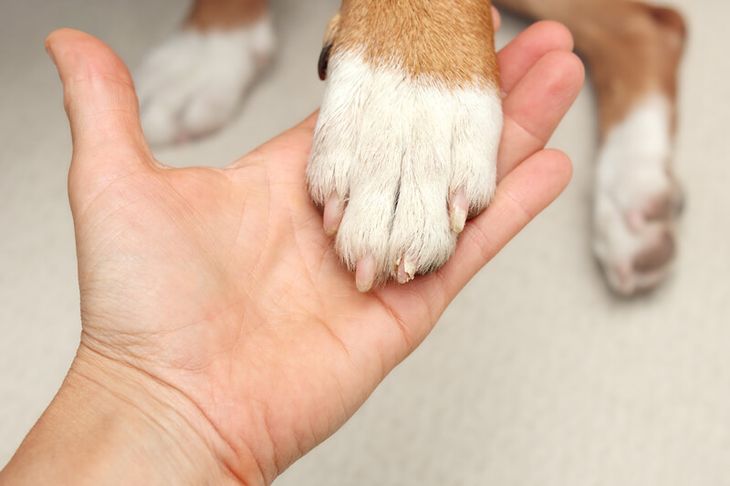
Once your veterinarian officially confirms that the toe joint has healed, regular paw maintenance is absolutely vital.
Keeping your dog’s claws short and smooth is the single most effective way to prevent another traumatic joint injury.
However, because of the painful injury, your dog may now be highly protective and fearful of paw handling.
To overcome this fear, you must implement a patient, highly rewarding desensitization training plan.
The goal is to teach your dog that having their paws touched leads to positive, happy experiences.
Begin by touching your dog’s leg gently while simultaneously feeding them a high-value treat like fresh chicken.
Gradually work your way down the leg until you can lightly hold the healed toe for just one second.
Never rush this training process, as pushing past your dog’s comfort level will set your progress back significantly.
If your dog has solid dark claws, study how to cut black dog nails using flashlight techniques to find the quick.
Shining a strong light behind the dark claw helps you visualize the shadow of the quick to avoid cutting it.
For the safest, most stress-free experience, we recommend transitioning away from noisy, sharp metal clippers completely.
The Zenpaw Maxpro Grinder is specifically designed to file away sharp nail edges quietly, gently, and without pain.
The Step-by-Step Desensitization Protocol
Begin by introducing the grinding tool to your dog while it is turned completely off.
Allow your dog to sniff the device naturally, rewarding their curiosity with delicious treats.
Next, turn the grinder on its lowest speed while keeping it several feet away from your pet.
This allows your dog to become accustomed to the soft humming sound without feeling threatened or scared.
Because the Zenpaw Maxpro operates under forty decibels, most dogs relax and accept the sound very quickly.
Once your dog remains calm, touch the handle of the vibrating tool to their shoulder or back leg.
This simple step allows them to feel the mild physical vibration on a non-sensitive area of their body first.
Slowly guide the tool down to the paw, praising them continuously for calm, relaxed body language.
When you are ready to file the claw, hold your dog’s paw securely and angle the grinder at forty-five degrees.
Apply gentle, pulsing pressure to the edge of the nail for no more than two seconds at a time.
Filing in brief, gentle pulses prevents friction heat from building up on the sensitive nail tissue.
Repeat this process for each toe, taking frequent playful breaks to ensure the experience remains fun and positive.
Overcoming Risks and Common Mistakes in Canine Paw Care
The single most common mistake pet parents make is continuing to use dull, outdated scissor-style clippers.
These traditional tools work by applying massive, blunt crushing pressure to the entire circular nail plate.
This intense pressure can easily crack dry claws, causing them to split deeply into the live quick.
For a dog recovering from a dislocated joint, this sudden squeezing force can easily cause a painful reinjury.
Another major mistake is rushing through the grooming session because you or your dog are feeling stressed.
Rushing makes you highly likely to slip, accidentally cutting the quick and causing heavy bleeding and fear.
A single painful grooming slip-up can make a dog terrified of paw care for years to come.
We also see many pet owners completely overlook the dewclaws located on the inner sides of the front legs.
Because dewclaws never touch the ground, they do not wear down naturally and can easily curl back into the skin.
These long, curved dewclaws are highly prone to snagging on fabrics and causing severe joint dislocations.
By switching to a high-quality electric grinder, you eliminate these dangerous physical risks entirely.
The gradual, precise filing of a diamond bit wheel gives you absolute control over every millimeter of nail removed.
This microscopic control ensures you never pinch the nail plate or put unnecessary pressure on fragile joint capsules.
Frequently Asked Questions About Dog Toe Nail Dislocations and Safe Grooming
Is the Zenpaw Grinder safe and powerful enough for large dog breeds?
Yes, the Zenpaw Maxpro Grinder is highly effective and completely safe for dogs of all sizes and breeds.
It features three custom safety ports designed to accommodate small, medium, and very large claws safely.
The powerful high-torque motor files down thick, dense nails effortlessly without slowing down or stopping.
How long does the grinder battery last on a single charge?
Our advanced lithium-ion battery provides up to seven hours of continuous, reliable grooming power.
This exceptionally long run time allows you to groom multiple pets thoroughly without worrying about a dead battery.
The device is fully rechargeable via a standard USB cable, making it incredibly convenient to charge anywhere.
Which speed setting is best to use for an anxious dog?
We always recommend starting on the lowest speed setting when introducing the tool to an anxious pet.
The low speed minimizes both sound and physical vibration, helping your dog remain calm and cooperative.
Once your pet is comfortable, you can easily switch to the higher speed setting for faster, more efficient filing.
Does the grinding head get hot during extended use?
The Zenpaw Maxpro features specialized low-heat technology to prevent the grinding tip from overheating.
To ensure complete safety, we always advise filing each nail in brief, two-second intervals.
This simple pulsing technique prevents friction heat from building up on your dog’s sensitive nail bed.
How long does a dislocated claw joint take to heal?
On average, a dislocated claw joint takes between four to six weeks to heal completely under veterinary care.
This healing timeline depends on the severity of the ligament tear and how well the joint is kept immobilized.
Restricting your dog’s high-impact activity during this recovery window is absolutely essential for a full cure.
Can a dislocated toe joint heal on its own without a vet?
No, a true dislocated joint will not heal correctly on its own and requires professional medical realignment.
Leaving the joint out of alignment causes chronic pain, severe swelling, and permanent bone deformities.
Seeking immediate professional help prevents debilitating arthritis and dangerous bone infections in the paw.
Conclusion: Keep Your Dog’s Paws Safe and Happy
Caring for your dog’s dislocated claw requires patience and safe grooming tools. Keeping claws short is your best defense against future joint trauma. Ready to transform nail trimming from a battle into a breeze? Explore the Zenpaw Maxpro 3-in-1 Grinder. Call: **302-307-1000** — our team can advise on the best grooming practices.