
I still remember the sudden, sharp yelp from my golden retriever, Buster, when his dog nail cracked right down to the sensitive pink quick. Seeing him in pain while trying to trim the sharp, split edge with loud, crushing clippers was absolutely heart-wrenching. That stressful day inspired us at Team Zenpaw to create a gentler, pain-free way to maintain dog paws, ensuring you never have to face that panic again.
Maxpro 3-in-1 Grinder.
Stress-Free Nail Trimming.
Whisper-quiet DC motor (<40 dB) eliminates fear & discomfort. Features 3 ports, dual speeds, and 7-hour battery life. Safe, precise, and painless.
In This Article
- Emergency Paw Care: How to stop bleeding and cleanse a cracked nail immediately at home.
- Canine Nail Anatomy: Locating the highly sensitive quick to prevent further injury.
- Behavioral Desensitization: Professional techniques to calm dogs that are terrified of nail tools.
- Painless Maintenance: Utilizing whisper-quiet grinders to replace structural-damaging traditional clippers.
Does a Cracked Dog Nail Need Immediate Home Care? Here Is What Experts Say
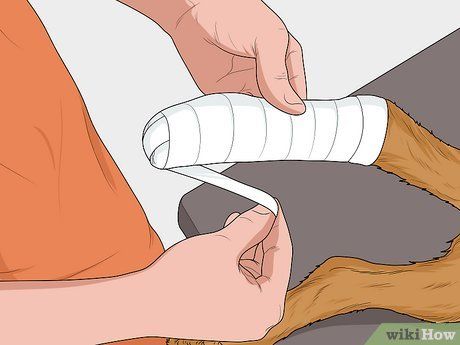
When your dog nail cracked, it creates an immediate gateway for pain, bacteria, and infection that demands prompt action from any dedicated pet parent. According to the American Kennel Club (AKC), a split or broken claw exposes the highly sensitive quick, which is packed with blood vessels and delicate nerve endings that cause sharp pain with every single step. This common injury usually happens when long nails snag on carpets, outdoor terrain, or deck boards, or when dull traditional clippers crush the nail sheath rather than slicing it cleanly. Knowing who should care for it depends entirely on the severity of the split; while a minor hairline crack near the tip can easily be managed at home by a calm owner, a deep vertical split that bleeds heavily or reaches the nail bed requires professional evaluation. By immediately stabilizing the paw, cleaning the area with mild antiseptic, and keeping the dog calm, you can prevent dangerous infections and long-term joint imbalances caused by the dog altering its gait to avoid the pain.
To resolve a painful cracked nail quickly at home, you should first stop any bleeding using styptic powder, cornstarch, or clean gauze pressed firmly against the nail tip for several minutes. Once the bleeding ceases, gently wash the affected paw with warm water and a dog-safe antiseptic soap to eliminate debris, and then trim away any completely loose, dangling nail pieces using a precise, clean cutting tool. Wrap the paw in a light, non-stick bandage to keep it clean and prevent your dog from licking the wound, which can introduce harmful oral bacteria into the exposed tissues. Over the next few days, monitor the paw closely for signs of infection such as swelling, redness, discharge, or continuous limping, and allow the nail to grow out naturally while protecting it from rough surfaces. If you want to handle this safely at home, the Zenpaw Maxpro Grinder provides painless, quiet filing — explore it here.
99-Day 100% Money-Back Guarantee
“Ever since we started using the Zenpaw Maxpro Grinder, it’s been such a peaceful experience. It’s very quiet, and my dog actually relaxes. It’s turned our stressful sessions into quick, quiet grooming times.”
— Sarah M. | ✔ Verified Customer
- ✓ Prevents Infection & Splitting
- ✓ Ideal for All Dog Sizes
- ✓ Low-Vibration Technology
- ✓ Fast 2-7 Days Delivery
Need Support? Call 302-307-1000
Understanding Canine Nail Anatomy: Why Do Cracked Dog Nails Happen?
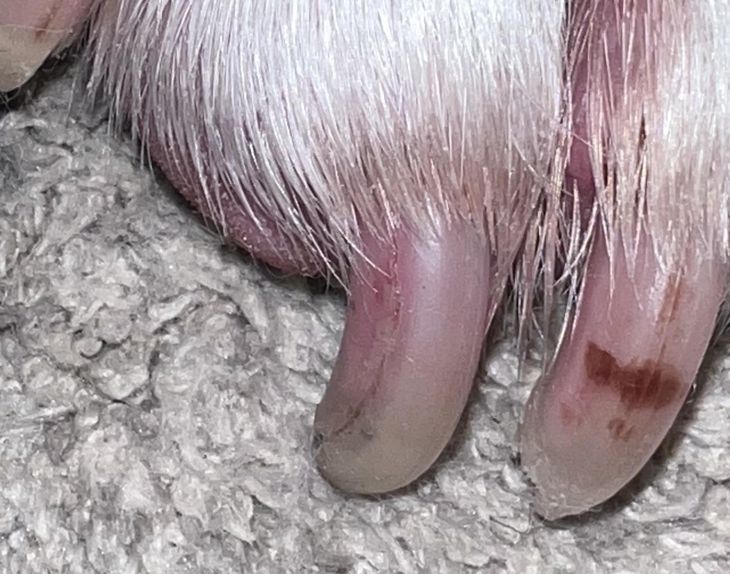
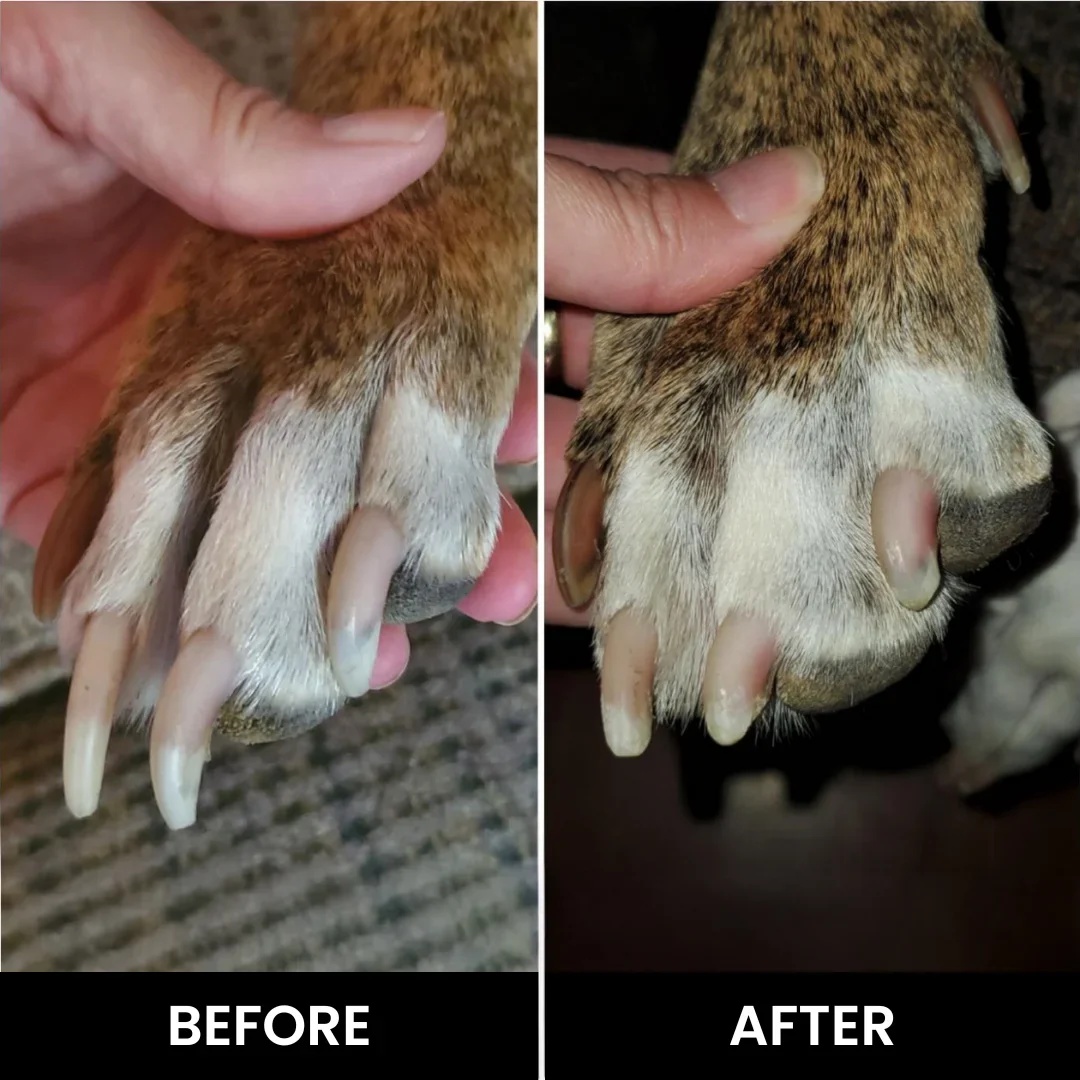
Canine claws are complex anatomical structures made of a tough outer layer of keratin surrounding live tissue.
This outer layer is called the nail sheath, and its primary purpose is to protect the delicate inner quick.
The canine nail is a highly adapted biological structure designed to provide traction during high-speed chases and digging.
Keratin, the fibrous structural protein that forms the outer sheath, is incredibly strong yet lacks flexibility.
When you notice cracked dog nails, it means the outer keratin barrier has compromised.
This structural failure can occur due to repetitive impact on hard surfaces like asphalt or concrete.
When nails dry out due to low humidity in winter or frequent swimming in chlorinated pools, the keratin becomes highly brittle.
This brittle state means the claw can easily shatter when your dog transitions from soft grass to hard stone surfaces.
Active dogs who love to run, dig, or play fetch are particularly prone to micro-fractures in their claws.
Over time, these micro-fractures grow into larger, visible splits that can compromise the entire claw.
Additionally, dietary deficiencies can weaken the quality of the keratin produced by your dog’s body.
A lack of essential fatty acids or zinc can lead to dry, brittle claws that crack under minimal pressure.
Grooming tools play a critical role in either maintaining or destroying this structural integrity.
For example, traditional guillotine style dog nail clippers exert high pressure on the sides of the nail.
This intense physical force often crushes the dry keratin rather than cutting it cleanly.
This crushing motion leaves microscopic splinter lines that eventually split open when the dog walks.
Transitioning to a high-quality nail grinder helps eliminate this risk entirely by filing the nail down smoothly.
The Anatomy of the Quick: Protecting the Sensitive Nerve Center
Inside the hard outer shell of the claw lies the most critical area: the quick.
The dog toenail quick is a living, highly sensitive bundle of nerves and blood vessels.
The vascular system within the quick is directly supplied by the digital arteries running down each toe.
This direct arterial connection is why even a tiny nick to the quick can result in surprisingly heavy bleeding.
Because the nerves are so closely integrated with the blood vessels, the pain from a split nail is felt immediately and intensely.
This intense discomfort can cause your dog to react defensively, growling or pulling away when you try to examine the paw.
It is directly connected to the bone of the toe, making any injury to this area incredibly painful.
When a nail cracks deep enough to expose the quick, your dog will experience sharp, throbbing pain.
This raw, exposed tissue acts like an open wound, making it highly susceptible to environmental contaminants.
Bacteria from dirt, grass, and household floors can easily enter the bloodstream through the damaged quick.
Left untreated, a bacterial infection can travel up the nail bed and invade the toe joint itself.
In extreme cases, this deep bone infection can lead to a complete dog lost nail or even require surgical amputation.
This is why swift, hygienic cracked dog nail care is absolutely essential for your pet’s safety.
Our team at Zenpaw recommends inspecting your dog’s nails weekly to catch early hairline splits before they reach the quick.
To help you identify the severity of your dog’s injury, we have compiled an assessment guide below.
This table outlines different types of splits and the proper protocols to handle them safely at home.
| Split Type | Severity & Description | Recommended Action |
|---|---|---|
| Hairline Tip Crack | A minor vertical or horizontal line at the outer tip. The quick is safely covered and there is no pain or bleeding. | Safe to manage at home. Use a quiet, gentle rotary tool to file away the split edge before it expands. |
| Horizontal Split | A crack running parallel to the paw pad. A piece of the outer shell is loose or wobbly, but the quick is mostly intact. | Carefully trim away the completely loose piece. File down the remaining rough edges to prevent catching. |
| Deep Vertical Crack | A severe split running straight up into the nail bed. The quick is exposed, bleeding is heavy, and the dog is limping. | Stop the bleeding immediately. Cleanse the wound, apply a protective wrap, and consult your veterinarian. |
By understanding these differences, you can avoid unnecessary panic and provide targeted care immediately.
Always remember that your main goal is to protect the raw quick from further trauma and bacteria.
Step-by-Step Practical Care: How to Care for a Cracked Dog Nail at Home Safely

Caring for a cracked nail requires a calm environment, patient handling, and the right sterile supplies.
If your dog is highly anxious, take frequent breaks and reward them with their favorite treats throughout the process.
Follow this precise step-by-step clinical protocol to administer proper care at home:
- Stop the Bleeding: Apply direct pressure to the bleeding nail with a clean piece of gauze or a paper towel for several minutes. If the bleeding persists, apply a generous layer of styptic powder or cornstarch to the raw tip to trigger rapid clotting.
- Cleanse and Disinfect: Gently wash the injured paw with cool water to rinse away any trapped dirt or outdoor debris. Cleanse the entire nail using a diluted, dog-safe antiseptic solution or mild soap to prevent bacterial growth.
- Assess and Trim: Inspect the nail carefully under a bright light source. If a small piece of the outer shell is completely loose and hanging, clip it away using a sanitized, sharp pet nail clipper to stop it from ripping further.
- Smooth the Edges: Use a specialized rotary tool to file away the remaining sharp, jagged borders of the split keratin sheath. This prevents the claw from snagging on household blankets or outdoor turf.
- Apply a Protective Wrap: Cover the treated nail with a sterile, non-stick pad. Wrap the paw securely with self-adhering bandage wrap to protect the raw quick from dirt while letting the tissue breathe.
Make sure to check the bandage daily for any signs of moisture, foul odor, or excessive swelling of the toes.
If the bandage gets wet, change it immediately to avoid trapping moisture, which creates a breeding ground for bacteria.
The Science of Desensitization: Managing a Dog that Won’t Let You Cut Nails
Many pet owners struggle to provide care because their pets have developed severe grooming anxiety.
Knowing what to do when dog wont let you cut nails is key to restoring peace during grooming sessions.
Dogs remember past painful experiences, especially if they have been “quicked” by traditional metal clippers.
To overcome this fear, you must use a gradual desensitization protocol based on positive reinforcement.
Start by placing your quiet grooming tool on the floor near your dog without turning it on.
Reward your dog with highly appealing treats every time they walk near or sniff the tool.
After a few days, turn the device on at its lowest speed while keeping it several feet away from them.
Continue feeding treats to create a strong positive association with the soft humming sound of the motor.
The Zenpaw Maxpro is specifically engineered to operate under 40 decibels, making it the quietest nail grinder for dogs available.
This ultra-low noise output prevents the sudden panic and flight response that loud grooming tools trigger.
Once your dog is comfortable with the sound, touch the vibrating body of the grinder to their leg for a second.
Deliver a treat immediately and praise them warmly for remaining calm.
Slowly progress to touching the grinding head to their nail for a fraction of a second at a time.
With patience and consistency, your dog will learn that nail care is a safe, painless, and rewarding experience.
Recognizing the Signs of Infection: When to Consult a Veterinarian
Even with proper home care, a cracked claw can sometimes develop a painful infection.
As a responsible pet owner, you must monitor the injured paw closely for several days after the incident.
The first major warning sign of an infection is persistent or worsening redness around the nail bed.
If you notice the skin at the base of the nail swelling or turning warm to the touch, bacteria may have taken root.
Another clear indicator of infection is the presence of yellow, green, or cloudy discharge oozing from the nail sheath.
This discharge is often accompanied by a strong, foul odor coming directly from the affected paw.
Your dog may also show noticeable behavioral changes, such as constantly licking or biting at the bandage.
They may refuse to put any weight on that leg, resulting in a persistent, pronounced limp.
In more severe cases, an untreated infection can cause systemic symptoms like lethargy, loss of appetite, or a fever.
If you observe any of these warning signs, you should contact a licensed veterinarian immediately.
A vet can safely prescribe a course of oral antibiotics or anti-inflammatory medications to resolve the infection.
They can also evaluate whether the remaining nail structure needs to be surgically trimmed or removed under sedation.
Never attempt to squeeze, drain, or apply human-grade pain relief medications to an infected dog claw.
Many human over-the-counter ointments contain chemicals that are highly toxic to dogs if licked and swallowed.
Overcoming Risks: Why Traditional Clippers Can Worsen a Split Dog Claw
One of the most dangerous mistakes pet parents make is trying to clip a cracked nail with dull, low-quality clippers.
Traditional scissor-style or guillotine clippers apply tremendous crushing force across the entire nail structure.
If the nail is already weakened by a vertical split, this heavy crushing force can easily shatter the remaining keratin.
This sudden, violent splintering can tear the delicate quick beneath, leading to immediate bleeding and severe pain.
Furthermore, clippers offer very little precision when you are trying to cut around an irregular, jagged break.
Rushing the process with a struggling pet almost always guarantees a painful grooming accident.
By contrast, the Zenpaw Maxpro Grinder allows for incredibly gradual, precise, and painless filing.
You can gently smooth out a cracked edge micrometer by micrometer without applying any crushing forces to the toe.
This controlled filing process gives you complete peace of mind, even when handling highly sensitive black nails.
It transforms a highly stressful, painful grooming chore into a smooth, controlled bonding session with your pet.
Long-Term Prevention: How to Keep Your Dog’s Nails Strong and Split-Free
Preventing cracked claws in the first place is always the best strategy for your pet’s comfort.
The most common cause of nail splits is simply allowing the claws to grow too long.
When a dog’s claw is too long, it continuously collides with the ground as they walk or run.
This continuous impact forces the nail upward, creating immense stress on the nail bed and the toe joints.
Over time, this unnatural pressure causes the nail sheath to wear thin and develop micro-cracks.
Regular grooming sessions every two to three weeks keep the nails at a safe, functional length.
Short claws do not touch the ground when your dog stands, eliminating the risk of impact-induced splitting.
Another critical factor in paw health is providing proper nutrition to support keratin development.
Ensure your dog’s diet is rich in high-quality proteins, zinc, biotin, and omega-3 fatty acids.
These vital nutrients strengthen the cellular structure of the claw sheath, making it highly resilient to damage.
Additionally, you should inspect your dog’s paws regularly after they run on rough or rocky terrain.
Catching a small chip early allows you to file it smooth before it turns into a painful vertical fracture.
Using the Zenpaw Maxpro Grinder makes this routine inspection and maintenance incredibly easy and stress-free.
Frequently Asked Questions About Cracked Dog Nail Care
Here are the most common questions pet parents ask about handling a dog nail cracked situation at home.
Is the Zenpaw Grinder safe for large dogs with thick nails?
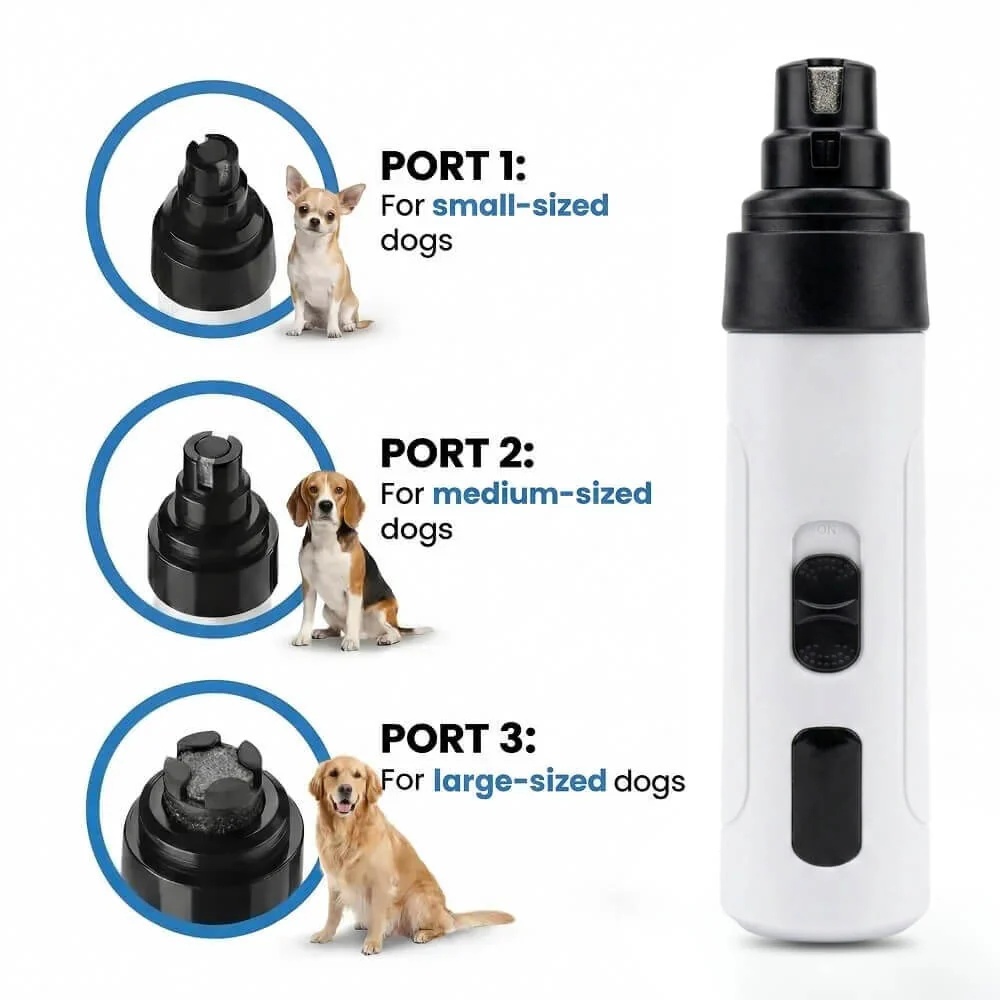
Yes, the Zenpaw Maxpro is fully equipped with three distinct ports designed to accommodate pets of all sizes.
The small and medium ports are perfect for cats and smaller dog breeds with delicate claws.
The wide-open port is engineered to handle the thickest, toughest nails of giant breeds like Great Danes or Mastiffs.
Our high-performance brass motor delivers powerful, consistent torque that files dense keratin without stalling or slowing down.
How long does the battery last on a single charge?
Our premium rechargeable battery offers up to seven hours of continuous runtime on a single full charge.
This exceptional battery life is significantly longer than most standard, cheap grinders on the market.
You can easily charge the device using any standard USB port, making it highly convenient for home or travel use.
A battery indicator light ensures you always know when it is time for a quick top-off before your next grooming session.
Which speed setting is best for handling a split nail?
For weakened, cracked, or highly sensitive nails, we always recommend starting on the low-speed setting.
The lower speed gives you maximum control and allows you to file the jagged edges with absolute precision.
Once the crack is completely smoothed out, you can transition to the high-speed setting for general nail trimming.
Having dual speeds ensures you can customize the grooming experience to match your dog’s unique sensitivity level.
Does the grinding head get hot and burn the dog’s paw?
Unlike cheap rotary tools that generate intense, painful friction heat, the Zenpaw Maxpro uses a specialized diamond bit.
This advanced diamond bit design ensures extremely low-heat operation, even during extended grooming sessions.
To guarantee absolute safety, we still recommend filing each nail in short bursts of two to three seconds at a time.
This simple technique prevents any heat buildup and keeps your dog completely comfortable throughout the process.
Conclusion: Restore Peace to Your Pet’s Grooming Routine
A cracked nail is painful, but home care does not have to be scary.
With the right quiet tools, you can maintain healthy paws easily.
Ready to transform nail trimming into a bonding experience?
Explore the Zenpaw Maxpro 3-in-1 Grinder today.
Call: 302-307-1000 for product support and grooming advice.
Note: Individual results may vary depending on individual dog breeds, nail thickness, and behavioral temperaments. This article is intended for general pet grooming reference purposes only and does not replace professional veterinary advice.