
I remember the pure panic in my dog’s eyes every time I brought out the heavy metal nail clippers, a stressful routine that always ended in tears, struggles, and the constant fear of cutting the sensitive quick. If you are tired of this exhausting battle, introducing a high-quality dog nail scratch board with treats into your routine can instantly turn a terrifying chore into an incredibly fun, cooperative game that keeps your dog’s paws healthy and smooth.
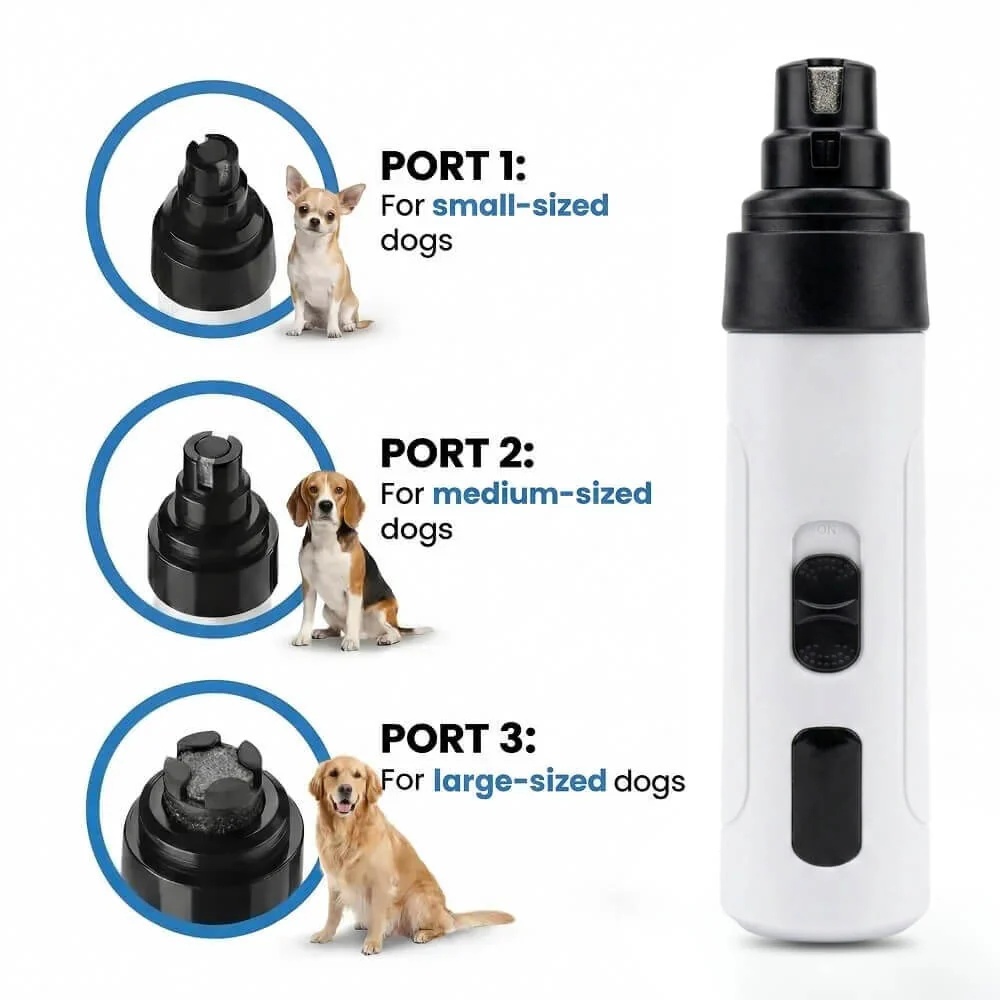
Maxpro 3-in-1 Grinder.
Stress-Free Nail Trimming.
Whisper-quiet DC motor (<40 dB) eliminates fear & discomfort. Features 3 ports, dual speeds, and 7-hour battery life. Safe, precise, and painless.
In This Article
- Top Market Options Reviewed: We analyze the best scratch boards available for purchase today.
- Canine Nail Anatomy: Learn why traditional clippers cause pain and how filing protects the quick.
- The Psychology of Food Motivation: Discover the science of stress-free cooperative veterinary care.
- Step-by-Step Training Guides: Master the process of teaching your dog to scratch voluntarily.
- Pro Groomer Insights: Transitioning from simple scratch boards to professional low-vibration grinding.
The 3 Best Dog Nail Scratch Boards with Treats: Ranked & Reviewed
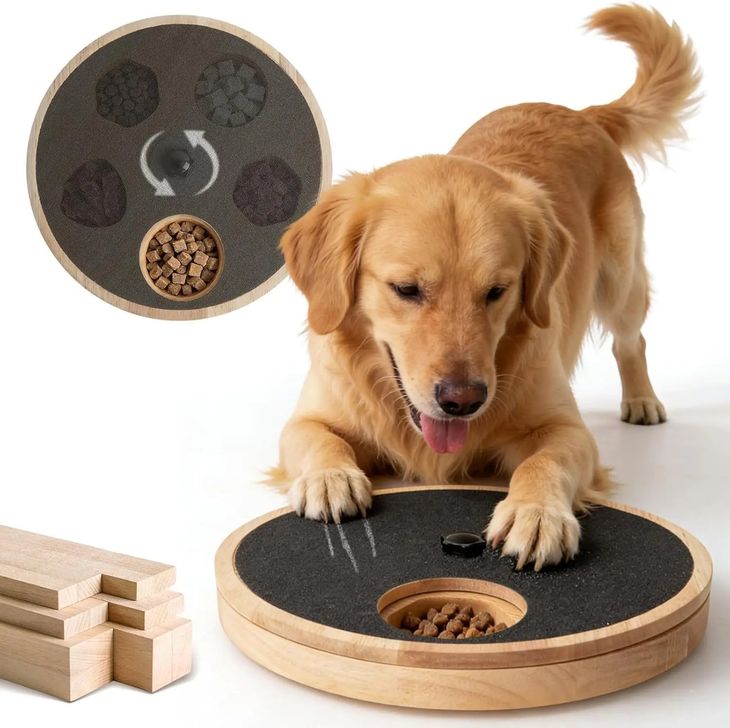
Finding the right tool for paw health requires looking at durability, ease of use, and sensory design.
We have researched and tested three of the most popular scratch boards with integrated snack chambers on the market.
Each option targets a different type of canine behavior, from eager diggers to cautious puppies.
1. The CozyPaw Wooden Scratch Box with Treat Drawer
This sturdy wooden box features a built-in drawer where you can place high-value rewards.
Your dog scratches the sandpaper lid to get your attention, and you slide the drawer open to reward them.
It is highly durable and works wonders for medium to large breeds who love to dig naturally.
However, the sandpaper can wear down quickly with heavy use, and it does not help with the tricky dewclaws or rear paws.
While this box is an excellent sensory toy, if your dog is terrified of sandpaper noise, a whisper-quiet electric option like the Zenpaw Maxpro Grinder might be a smoother long-term alternative.
2. The SlopeStyle Flat Dog Nail File Board with Treats
This flat, angled board can be propped up on your couch or held at a steep 45-degree angle.
It has a small hidden snack compartment at the top to keep your dog’s attention focused upward.
The ergonomic slope allows dogs to use natural downward scratching motions to file their front claws easily.
It is lightweight, portable, and perfect for small to medium dogs who prefer a simpler setup.
The main limitation is that the angle must be held manually by the owner, which can become awkward during longer training sessions.
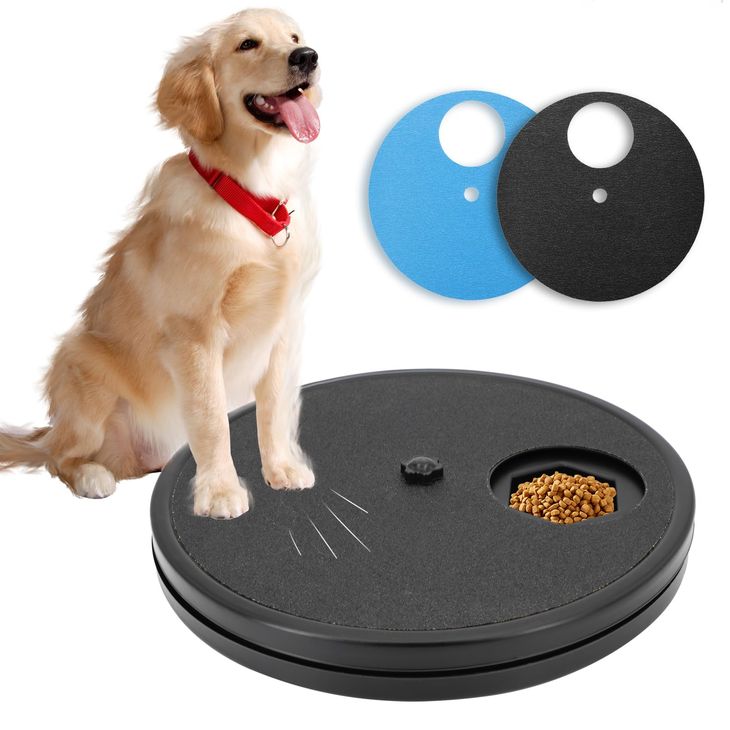
3. The PawPlay Interactive Digging Toy Scratch Box
This round plastic toy combines puzzle-solving with daily nail maintenance.
It features a textured sandpaper surface with sliding compartments that only open when scratched at the right angle.
This makes it incredibly engaging for highly intelligent breeds like Border Collies or Poodles.
Unfortunately, the lightweight plastic base can slide around on sleek hardwood floors during intense play.
If you find your dog getting frustrated with the sliding puzzle, transitioning to a stable, handheld tool will save your sanity.
| Product Name | Grooming Method | Dewclaw Friendly | Noise Level | Stress Level |
|---|---|---|---|---|
| CozyPaw Wooden Box | Manual Sandpaper Scratching | ✗ No | Medium (Scratching Sound) | Very Low |
| SlopeStyle Flat Board | Manual Sloped Scraping | ✗ No | Medium (Scratching Sound) | Low |
| PawPlay Interactive Toy | Puzzle Scratching | ✗ No | High (Plastic Rattle) | Medium |
| Zenpaw Maxpro Grinder | Whisper-Quiet Electric Filing | ✓ Yes (All Claws) | Ultra-Quiet (<40dB) | Zero (Stress-Free) |
If you want a complete paw care solution that easily reaches every claw including the dewclaws, click below to learn more about the Zenpaw Maxpro Grinder.
Explore the Zenpaw Maxpro Grinder Today
99-Day 100% Money-Back Guarantee
“Ever since we started using the Zenpaw Maxpro Grinder, it’s been such a peaceful experience. It’s very quiet, and my dog actually relaxes. It’s turned our stressful sessions into quick, quiet grooming times.”
— Sarah M. | ✔ Verified Customer
- ✓ Prevents Infection & Splitting
- ✓ Ideal for All Dog Sizes
- ✓ Low-Vibration Technology
- ✓ Fast 2-7 Days Delivery
Need Support? Call 302-307-1000
Anatomy of the Canine Claw: Why Traditional Trimming Causes Fear
To understand why so many dogs panic when they see clippers, we must look at the biological structure of their claws.
Unlike human nails, which are flat and lack blood vessels, a dog’s claw is a complex, living extension of the toe bone.
Inside every claw runs a highly sensitive bundle of blood vessels and nerves known as the quick.
Traditional scissor-style clippers use brute force to crush the outer shell of the nail before slicing through it.
This violent pinching sensation causes sudden pressure on the delicate nerve endings, even if you do not cut the quick itself.
If you accidentally slice directly into the quick, it causes immediate, sharp pain and heavy bleeding that leaves a lasting psychological scar.
Over time, this repeated physical discomfort can turn a sweet family pet into a defensive groomer’s nightmare.
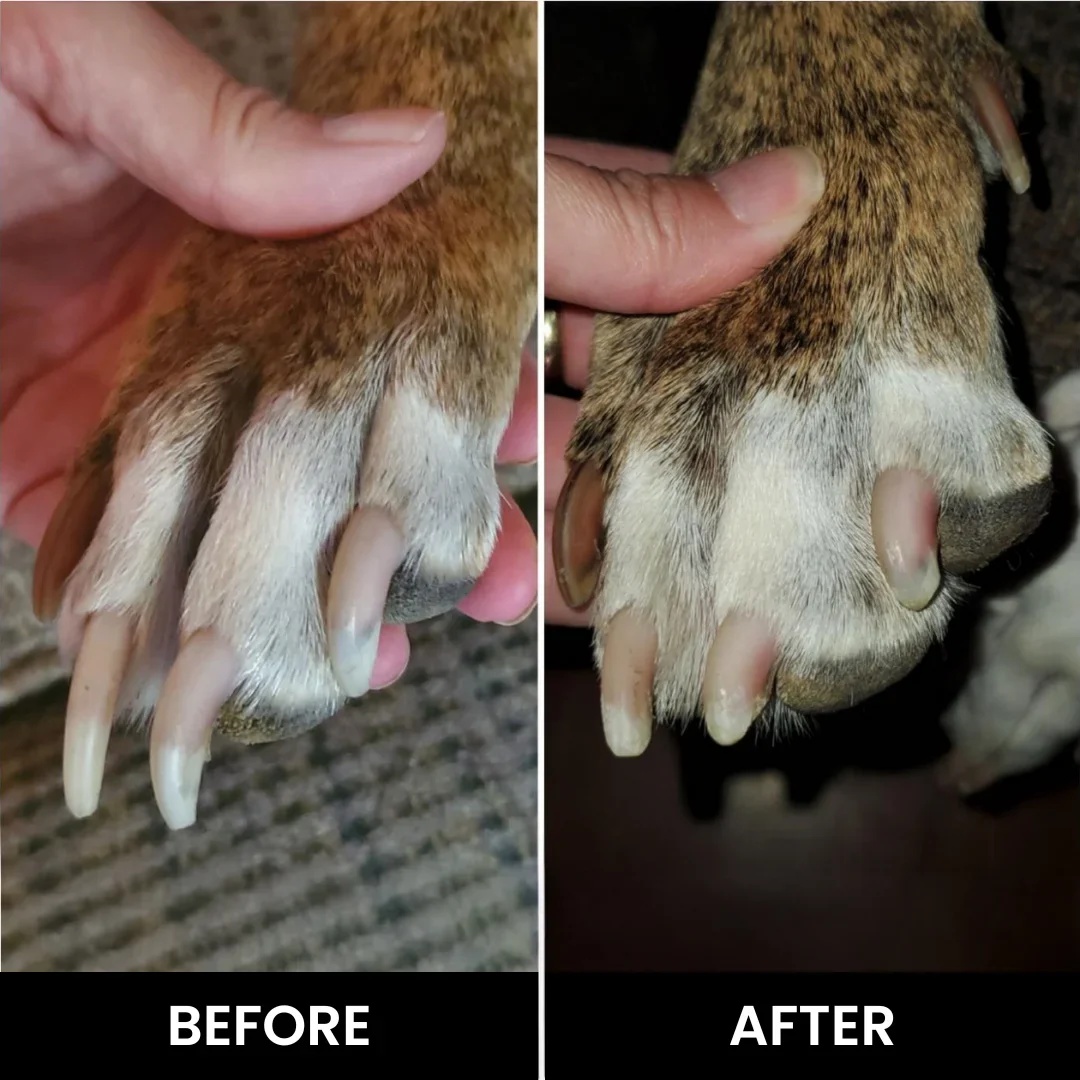
When nails are left unmanaged, they can easily split, crack, or curve back into the sensitive paw pad.
These deep cracks create perfect breeding grounds for harmful bacteria and fungal pathogens to enter.
If left uncleaned, a minor split can develop into a painful case requiring a dog nail bed yeast infection treatment to heal properly.
In severe cases, the entire toe joint can become inflamed, leading to a condition known as a paronychia dog nail infection, which causes severe limping and requires expensive veterinary care.
By shifting to a slow, controlled filing technique like a scratch board or a precision grinder, you gently smooth the nail tip layer by layer.
This gradual filing safely coaxes the quick to recede over time, preventing structural splitting and protecting your dog’s long-term mobility.
The Psychology of Cooperative Care: How Food Motivation Replaces Grooming Anxiety
Cooperative care is a revolutionary veterinary approach focused on giving animals active choice and control during grooming procedures.
When you force a dog into a tight hold to cut their nails, you trigger their primitive fight-or-flight survival instincts.
Some well-meaning owners attempt using a dog swaddle for nail trimming to keep their anxious pets securely restrained during grooming.
While swaddling can temporarily calm a puppy, physical restraint can occasionally increase long-term anxiety if the dog feels trapped and helpless.
By contrast, using a dog nail file board with treats shifts the balance of power entirely back to your dog.
The dog willingly initiates the scratching motion because they associate the rough texture of the board with delicious treats.
This process is rooted in classical conditioning, the same scientific principle discovered by Ivan Pavlov.
We are actively rewriting the emotional association of nail filing from a terrifying threat to a rewarding, high-value game.
When your dog realizes they can stop the session at any moment by walking away, their baseline cortisol levels drop significantly.
They begin to participate in their own hygiene care with enthusiasm, wagging their tails instead of hiding under the kitchen table.
A high-quality scratch board for dog nails with treats acts as an excellent bridge to build confidence in nervous rescues.
Once your pet learns that paw manipulation leads to positive outcomes, introducing an electric grinder becomes incredibly easy.
The key is keeping sessions short, highly rewarding, and completely voluntary from start to finish.
How to Train Your Dog to Use a Treat-Dispensing Scratch Board
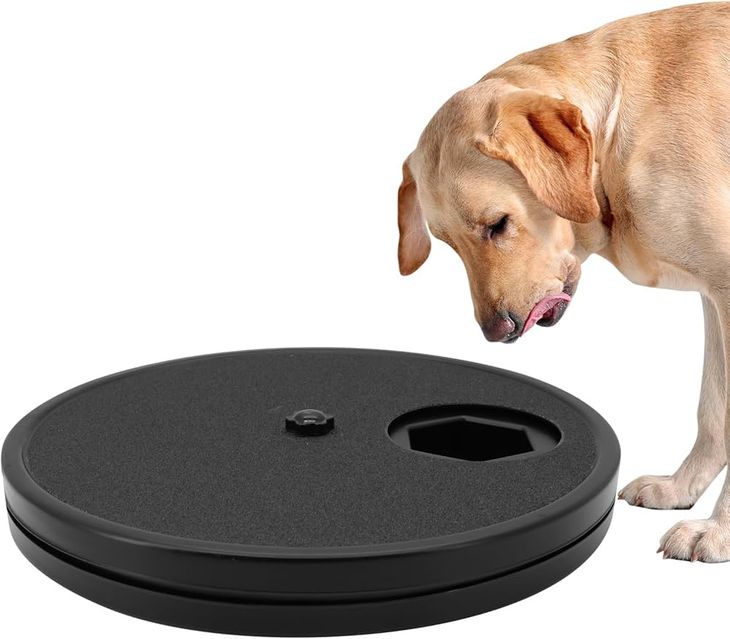
Teaching your canine companion to use a dog nail file treat box is a highly rewarding training process that requires patience and consistency.
You should never force your dog’s paws onto the rough sandpaper surface, as this can trigger immediate defensive avoidance.
Instead, we will use a shaping technique to reward incremental steps toward the ultimate goal of voluntary scratching.
Start by placing the scratch board flat on the floor in a neutral, open room with no other distractions around.
Allow your dog to sniff the board naturally, and the very millisecond their nose touches the surface, mark the behavior and reward them.
Next, hold a high-value snack directly over the sandpaper to encourage them to take a step forward onto the board.
As soon as a single paw makes physical contact with the rough surface, praise them enthusiastically and deliver a treat.
To encourage active scratching, hide a fragrant treat inside the designated compartment or slide it under the edge of the board.
Your dog will naturally try to dig at the source of the scent, scraping their claws against the sandpaper in the process.
The moment they execute a distinct scratching motion, mark it with a clicker or a verbal “Yes!” and open the treat chamber.
If you want a fun outdoor DIY alternative, you can also build a custom dog sandbox to file nails by burying toys in a sandy play area.
Keep these initial training sessions to a maximum of three to five minutes to prevent paw pad irritation.
As your dog becomes a pro at using the board, you can gradually transition them to a precision motorized tool.
The whisper-quiet vibration of the Zenpaw Maxpro Grinder will feel like a natural next step after they master manual scratch boards.
Common Pitfalls of Scratch Boards and How to Handle Tricky Dewclaws
While treat-dispensing scratch boards are incredible training aids, they do have a few clear physical limitations you must keep in mind.
First, scratch boards are almost exclusively designed to file down the front two middle claws of the paws.
Because of how a dog’s anatomy is structured, they rarely use their rear legs to perform scraping movements on flat surfaces.
This means your dog’s back nails will continue to grow long, sharp, and potentially hazardous to your floors and furniture.
If you find that their rear claws remain too sharp, you might consider using temporary dog nail covers for hardwood floors to protect your home while working on grooming.
Furthermore, scratch boards completely fail to address the dewclaw, which is the higher thumb-like claw located on the inside of the wrist.
Since the dewclaw never touches the ground or the flat board, it can easily curl around and pierce the skin if ignored.
To solve this gap in paw care, a quiet, low-vibration electric nail grinder is absolutely essential for every pet parent’s toolkit.
Using a grinder allows you to manually shape every single claw, including those hard-to-reach dewclaws, with total precision and control.
A specialized tool like the Zenpaw Maxpro features a whisper-quiet motor under 40dB that won’t startle your freshly desensitized pup.
You can use the positive food association built from the scratch board training to easily introduce the quiet hum of the grinder.
This combined approach ensures all eighteen claws stay smooth, short, and perfectly healthy without any stressful physical restraint.
Frequently Asked Questions About Dog Scratch Boards and Nail Grinding
Is sandpaper safe for my dog’s sensitive paw pads?
Yes, sandpaper is highly safe when used correctly and in moderation under supervised training conditions.
However, if your dog scratches too aggressively or for too long, they can easily scrape the soft skin of their paw pads.
Always inspect the pads after each short session for any signs of redness, wear, or raw spots.
We recommend starting with a finer grit sandpaper and limiting active scraping sessions to under five minutes per day.
Can I teach an older, stubborn dog to use a scratch board?
Absolutely, senior dogs can easily learn to love scratch boards because the process relies on positive food motivation.
In fact, older dogs with joint stiffness often prefer scratch boards over clippers because they do not have to hold their joints at awkward angles.
Just ensure you keep the board at a comfortable, low slope to prevent any extra strain on their hips and shoulders.
What should I do if my dog ignores the hidden treat compartment?
If your dog is not interested, try switching to a much higher-value, aromatic treat like freeze-dried liver, cheese, or hot dog bits.
You can also smear a small amount of dog-safe peanut butter directly onto the wood frame just above the sandpaper area.
This keeps their focus glued to the board, encouraging them to step forward and naturally scratch the surface.
How often does the sandpaper grit need to be replaced on a scratch board?
For a single dog, high-quality adhesive sandpaper sheets will typically last between two to four months before losing their texture.
You will know it is time to replace the sheet when the surface feels smooth to the touch and no longer files the nails effectively.
Always use self-adhesive, heavy-duty sandpaper designed for wood or metal to ensure it stays securely in place.
Conclusion
Transforming your dog’s grooming routine into a peaceful, stress-free bonding experience is completely within your reach.
By blending the fun, food-motivated cooperative care of a scratch board with the complete precision of the Zenpaw Maxpro Grinder, you can easily maintain healthy, smooth paws for life.
Ready to experience safe, whisper-quiet grooming at home?
Explore the Zenpaw Maxpro 3-in-1 Grinder today or reach out directly to our friendly customer wellness support team at 302-307-1000 for expert advice.
Note: Individual results may vary depending on individual dog breeds, nail thickness, and behavioral temperaments. This article is intended for general pet grooming reference purposes only and does not replace professional veterinary advice.