
I still remember the absolute panic when my golden retriever, Max, let out a sharp yowl after catching his paw on the deck. I looked down to see blood and realized my poor boy had a nasty dog tore nail off injury. Dealing with a torn claw is incredibly stressful for any pet parent. Fortunately, we designed the Zenpaw Maxpro Grinder to make safe, quiet paw maintenance a reality, helping you avoid these scary nail emergencies altogether.
Maxpro 3-in-1 Grinder.
Stress-Free Nail Trimming.
Whisper-quiet DC motor (<40 dB) eliminates fear & discomfort. Features 3 ports, dual speeds, and 7-hour battery life. Safe, precise, and painless.
In This Article
- First Aid Protocol for a Torn Nail Emergency
- The Anatomy of Canine Claws and the Quick
- Step-by-Step Recovery and Infection Prevention
- Safe Desensitization and Painless Grooming Techniques
What Should You Do When Your Dog Tore Nail Off? Expert First Aid and Home Care Solutions
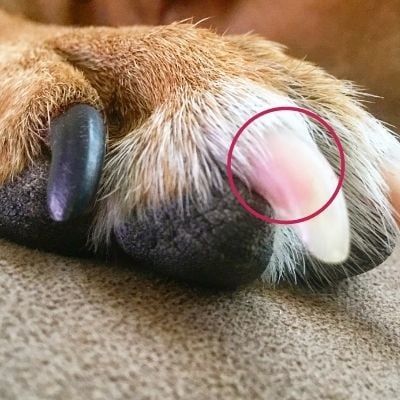
When your active canine companion suffers from a painful torn nail, knowing how to react immediately can prevent severe discomfort and stop dangerous infections.
This distressing injury typically happens when a dog’s long claw gets snagged on carpets, upholstery, or outdoor wooden decks during vigorous play.
Whether your dog has a partially split claw or a dog lost toenail completely, the highly sensitive blood vessels and nerve endings in the quick become fully exposed to dirt and bacteria.
As a dedicated pet parent, you must act as the primary caregiver to stabilize the wound and calm your anxious pet at home.
You should address the injury immediately in a clean, quiet area of your home to prevent your dog from tracking blood or introducing outdoor contaminants to the open nailbed.
By understanding how to stop a dogs nail from bleeding at home, you can manage the initial bleeding safely using simple household items.
We recommend applying gentle, steady pressure with a clean towel and utilizing styptic powder to promote rapid clotting.
To handle a torn nail successfully, you should follow a simple, structured first aid process right away.
First, secure your dog gently using a helper to keep them still and prevent accidental biting due to sudden pain.
Second, apply firm, continuous pressure to the bleeding area for at least five minutes using a clean cloth or sterile gauze pad.
Third, apply styptic powder, cornstarch, or baking flour directly to the raw, exposed quick if the bleeding persists.
Fourth, gently wash the affected paw with lukewarm water to remove dirt and apply a pet-safe antiseptic solution to support recovery.
Fifth, loosely wrap the paw in a clean bandage to keep the bare nailbed completely dry and protected from licking.
If you want to handle this safely at home and prevent future tears, the Zenpaw Maxpro Grinder provides painless, quiet filing — explore it here.
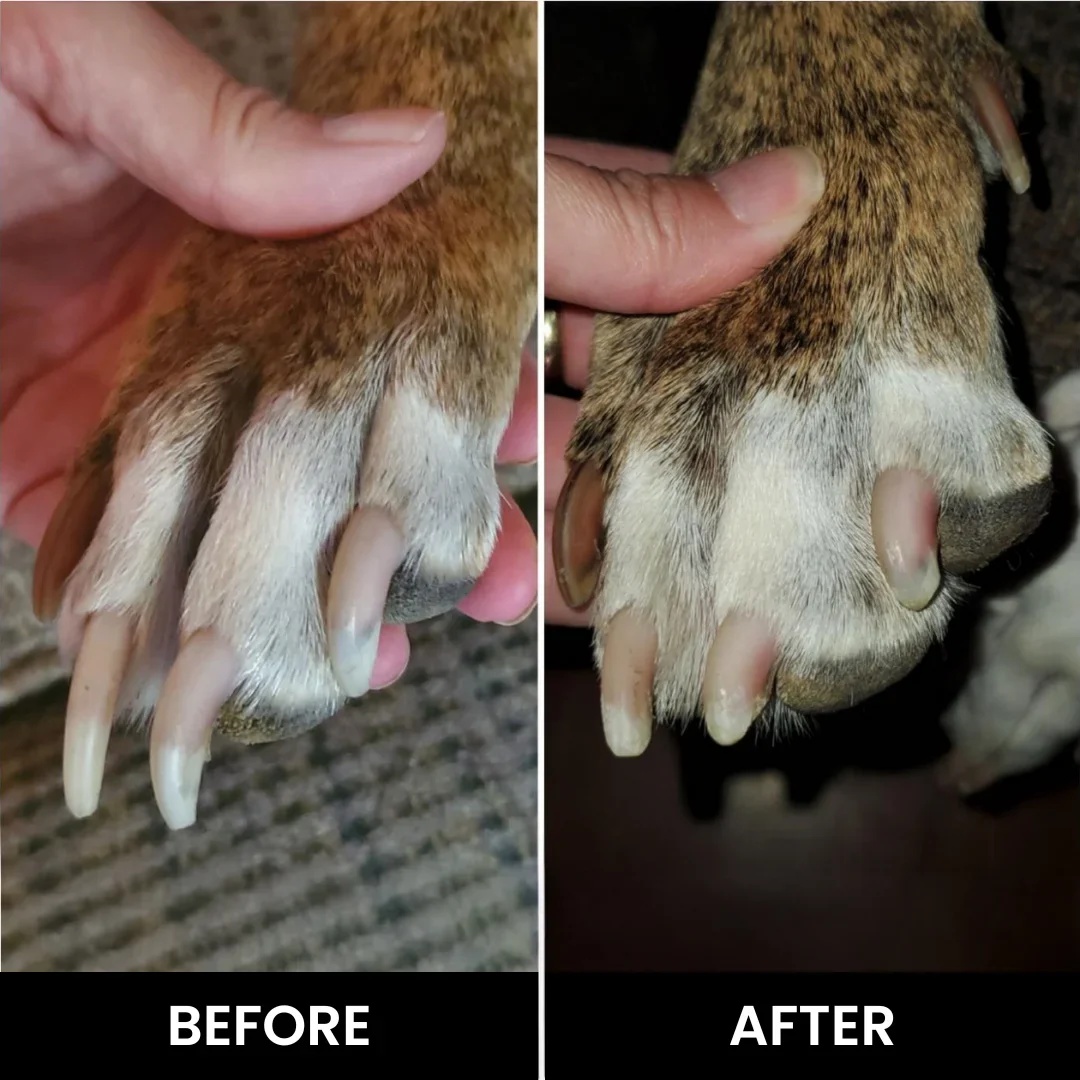
99-Day 100% Money-Back Guarantee
“Ever since we started using the Zenpaw Maxpro Grinder, it’s been such a peaceful experience. It’s very quiet, and my dog actually relaxes. It’s turned our stressful sessions into quick, quiet grooming times.”
— Sarah M. | ✔ Verified Customer
- ✓ Prevents Infection & Splitting
- ✓ Ideal for All Dog Sizes
- ✓ Low-Vibration Technology
- ✓ Fast 2-7 Days Delivery
Need Support? Call 302-307-1000
The Anatomy of Canine Nail Trauma: Why Broken Nails Bleed Heavily

Understanding the Quick and the Keratin Shell
The outer layer of a dog’s nail is a tough, protective shield composed of structural keratin.
Inside this protective keratin layer sits the quick, which contains an intricate network of blood vessels and highly sensitive nerves.
Unlike human nails, canine claws are directly attached to the distal phalanx bone of the toe.
This direct attachment means that any trauma to the nail translates immediately to bone-level pressure and pain.
When you understand how to safely clip a dog’s nails, you can easily avoid damaging this delicate vascular core.
If a nail is cut or torn too deep, it can cause the cut dog’s toenails bleeding phenomenon, which is incredibly startling to witness.
The bleeding is often profuse because the blood vessels within the quick are pressurized.
This anatomical design explains why even a minor snag can look like a major medical emergency in a matter of seconds.
Regular maintenance causes this sensitive blood vessel network to naturally recede back toward the toe.
However, when nail care is neglected, the quick grows longer and closer to the tip of the claw.
This overgrowth makes the nail far more susceptible to painful cracking and tearing during daily activities.
Why a Dog Lost Toenail Leads to Severe Discomfort
When a dog lost toenail or experiences a deep tear, the raw nerves are instantly exposed to the open air.
This exposure causes a sharp, burning sensation that makes walking incredibly uncomfortable.
You will likely notice your dog limping, holding their injured paw in the air, or whimpering when trying to stand.
A dog lost nail injury will also trigger a strong instinctual grooming response.
Your pet will continuously lick and chew at the injured toe in a desperate attempt to soothe the throbbing pain.
However, this constant licking introduces harmful bacteria from their saliva directly into the open wound.
Over time, this moisture can lead to a secondary bacterial infection of the nailbed, known clinically as paronychia.
Keeping the bare claw dry and wrapped in clean bandages is essential to disrupt this cycle of self-trauma.
By managing the pain and protecting the site, you allow the surrounding tissue to begin its natural recovery process.
We always suggest observing your dog’s behavioral signals closely to assess the level of discomfort they are experiencing.
When a Dog Claw Fell Off Completely: Assessing the Damage
When a dog claw fell off completely, the entire outer keratin shell is ripped away from the underlying tissue.
This leaves the sensitive pink quick entirely bare, raw, and unprotected.
In many cases, the nail may still be hanging by a tiny thread of tissue, causing excruciating pain whenever it wiggles.
If the nail is completely gone, the immediate focus must shift to protective home care and clean bandaging.
However, if a piece of the broken claw is still loosely attached, it must be removed to allow a new nail to grow back properly.
Attempting to pull a dangling nail at home can cause extreme pain and potential bone damage if done incorrectly.
We highly recommend consulting a veterinary professional to safely remove any hanging nail fragments under mild sedation.
A clean, complete break is actually much easier to manage and heal than a ragged, partially torn nail.
Understanding these anatomical differences helps you determine if a veterinary visit is necessary or if home management is sufficient.
Once the initial trauma is stabilized, you can focus on long-term prevention using gentle grooming techniques.
How to Identify If a Torn Nail is Infected
Monitoring the healing process closely over the next several days is crucial to catch complications early.
An infected nailbed can cause localized swelling, excessive warmth to the touch, and persistent redness around the toe.
You might also notice a foul-smelling discharge or pus oozing from under the remaining nail shell.
If your dog continues to limp or cry out in pain after forty-eight hours, an infection may be developing.
Lethargy, loss of appetite, or a sudden fever are also systemic indicators that require prompt veterinary attention.
Gently cleansing the paw with a diluted chlorhexidine solution can help keep bacterial populations under control at home.
However, if these signs of infection persist, your vet may need to prescribe oral antibiotics to support recovery.
Preventing Future Tears: The Zenpaw Method for Stress-Free Nail Care
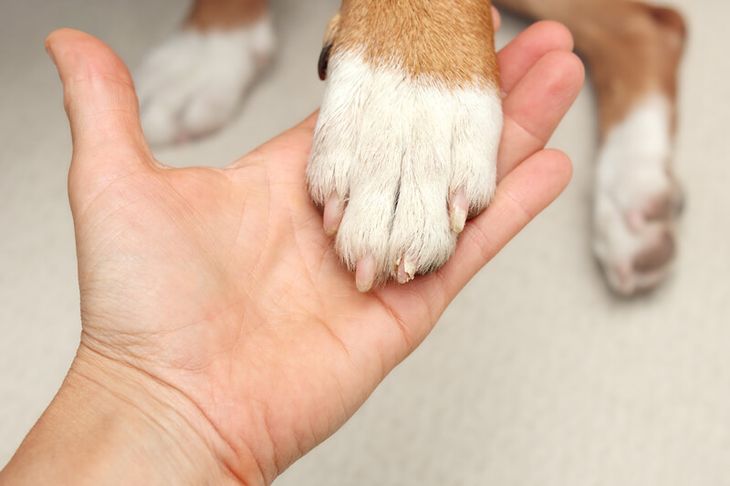
Step-by-Step Desensitization for Paw-Sensitive Dogs
Introducing a new grooming tool to an anxious dog requires patience, consistency, and positive reinforcement.
Our professional grooming experts at Team Zenpaw recommend a five-day progressive desensitization protocol.
On the first day, simply show your dog the Zenpaw Maxpro Grinder while offering high-value treats to build a positive association.
On the second day, turn the grinder on at a distance so they can hear the whisper-quiet motor operating under forty decibels.
On the third day, touch the body of the vibrating grinder gently to their shoulder or leg to get them used to the physical sensation.
On the fourth day, bring the grinder closer and briefly touch the rotating head to a single nail for just one second.
On the fifth day, you can begin clipping dogs nails at home by gradually filing down the sharp edges of each claw.
This step-by-step approach ensures your dog remains completely relaxed and stress-free throughout the entire grooming session.
Over time, your dog will learn that nail care is a safe, rewarding bonding experience rather than a frightening chore.
How to Hold and Angle Your Zenpaw Grinder Safely
Proper technique is key to achieving a smooth, rounded finish without causing friction or heat discomfort.
You should hold your dog’s paw firmly but gently, separating the target toe from the surrounding fur.
Position the Zenpaw Maxpro Grinder at a precise forty-five-degree angle relative to the natural curve of the nail.
Apply light, brief pressure for no more than two to three seconds at a time to prevent heat build-up on the nail.
Instead of grinding continuously, use short, sweeping strokes to gradually file away the excess keratin shell.
This controlled approach makes it much easier to spot the dark circle of the quick before any bleeding can occur.
If you are transitioning away from traditional tools, finding the best pet nail clippers can help you make a safe and informed decision.
However, many pet parents prefer the gradual control of a grinder to eliminate the risk of sudden, painful cuts.
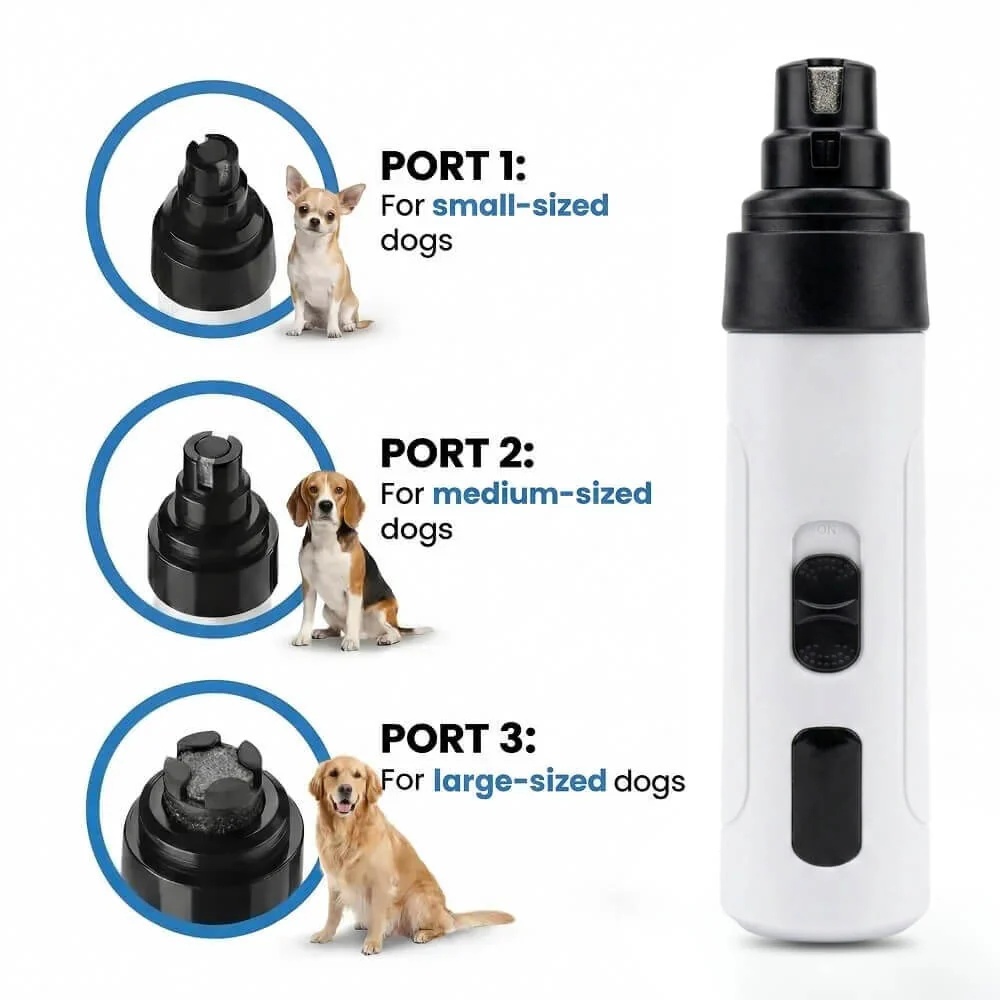
The Zenpaw Maxpro features three unique ports to accommodate small, medium, and large breeds with absolute precision.
By selecting the correct port and speed, you can customize the grooming experience to suit your dog’s specific needs.
Proper Bandaging Protocol: Preventing Too-Tight Wraps
Applying a bandage incorrectly is a common mistake that can lead to restricted blood flow and tissue damage.
To wrap the paw safely, you should first place a small piece of clean, non-stick sterile gauze directly over the injured claw.
Next, place thin cotton padding or clean gauze strips between your dog’s toes to prevent moisture buildup and skin friction.
Slowly wrap a self-adhering veterinary wrap around the paw, starting from the toes and moving upward toward the wrist joint.
Ensure the wrap is snug enough to stay in place but loose enough that you can easily slip two fingers under the edge.
If the bandage is too tight, it can cut off circulation, causing the paw to swell and leading to serious complications.
We recommend removing the bandage completely every twelve to twenty-four hours to inspect the wound and let the skin breathe.
If the wrap becomes wet or dirty at any point, replace it immediately with clean, dry materials to protect the bare nailbed.
Nutritional Support for Stronger Canine Nails
Just like humans, a dog’s nail strength is heavily influenced by their overall nutrition and metabolic health.
If your dog frequently suffers from brittle, splitting, or peeling nails, they may benefit from targeted dietary adjustments.
Essential fatty acids, such as Omega-3 and Omega-6, play a crucial role in maintaining healthy skin, fur, and claw keratin.
You can introduce high-quality wild-caught salmon oil or flaxseed supplements to their daily meals to promote strong nail growth.
Biotin, a vital B-vitamin, is also highly recommended by canine wellness experts to improve the density of the nail shell.
Zinc is another essential mineral that supports cellular repair and keratin synthesis within the growing nailbed.
Before adding any new supplements to your dog’s diet, we suggest consulting with your family veterinarian to find the right dosage.
Combining a nutrient-rich diet with regular filing ensures your dog’s claws remain resilient against everyday snags and tears.
The Hazards of Traditional Clippers: Why Grinding is Safer
One of the most frequent mistakes pet parents make is using dull, outdated clippers to manage split or damaged claws.
These traditional clippers exert massive crushing force, which can shatter the weakened keratin shell and worsen the tear.
This violent pressure can squeeze the sensitive nerve endings in the quick, causing sudden, sharp pain.
Another common error is rushing the grooming process when a dog becomes restless or uncooperative.
Trying to complete all four paws in a single session can overwhelm an anxious dog and lead to accidental injuries.
Instead, we suggest breaking the grooming process into smaller, manageable sessions over several days.
The Zenpaw Maxpro Grinder is engineered with a powerful yet whisper-quiet motor that operates below forty decibels.
This ultra-quiet design prevents the high-frequency vibration and loud noise that typically triggers canine panic.
Furthermore, our advanced low-heat grinding technology ensures the nail remains cool and comfortable during filing.
By taking your time and using the right tools, you can easily maintain your dog’s paw health without stress or pain.
Frequently Asked Questions
Yes, the Zenpaw Maxpro Grinder is highly effective and completely safe for dogs of all sizes.
It features a powerful motor with adjustable speed settings and three distinct ports designed to handle varying nail thicknesses.
The largest port is perfectly sized to accommodate the thick, tough claws of large breeds like Labradors and German Shepherds.
You can use the high-speed setting to file down thick nails efficiently without causing any discomfort.
Our grinder is equipped with a high-capacity lithium-ion battery that delivers up to seven hours of continuous run time.
This long-lasting battery life ensures you can complete multiple grooming sessions without needing to recharge.
The device is fully USB-rechargeable, making it incredibly convenient to charge using a phone adapter, laptop, or power bank.
A complete charge cycle takes approximately three hours, keeping your tool ready whenever your dog needs a trim.
We recommend starting with the lowest speed setting when introducing the grinder to an anxious or paw-sensitive dog.
The low-speed mode minimizes vibration and sound, helping your pet stay calm and comfortable during the initial sessions.
Once your dog becomes fully desensitized to the tool, you can transition to the higher speed setting for faster filing.
Always observe your dog’s body language to ensure they remain relaxed before increasing the operating speed.
No, the Zenpaw Maxpro is engineered with advanced low-heat technology to prevent uncomfortable temperature build-up.
Traditional high-speed rotary tools can generate significant friction, which can heat up the nail and cause sudden pain.
Our custom diamond-bit grinding wheel dissipates heat quickly to keep the nail cool and comfortable.
We still recommend limiting continuous contact on any single nail to two or three seconds to ensure absolute safety.
If a torn nail gets dirty, you must clean the area immediately to prevent harmful bacteria from entering the open wound.
Gently flush the injured paw with lukewarm water or a mild, pet-safe antiseptic solution to wash away debris.
Avoid using harsh household soaps or alcohol, which can cause intense stinging on the raw, exposed quick.
Once the area is completely dry, apply a clean bandage and monitor the toe closely for any signs of swelling or redness.
A Peaceful Approach to Lifelong Paw Wellness
Taking care of a torn nail requires swift first aid, gentle protection, and consistent preventive grooming.
Ready to transform nail trimming from a battle into a breeze?
Explore the Zenpaw Maxpro 3-in-1 Grinder.
Call: 302-307-1000 — our team can help you advise on the best grooming practices and help with any product questions.
Note: Individual results may vary depending on individual dog breeds, nail thickness, and behavioral temperaments. This article is intended for general pet grooming reference purposes only and does not replace professional veterinary advice.