
Maxpro 3-in-1 Grinder.
Stress-Free Nail Trimming.
Whisper-quiet DC motor (<40 dB) eliminates fear & discomfort. Features 3 ports, dual speeds, and 7-hour battery life. Safe, precise, and painless.
In This Article
- The Puppy Nail Timeline: Discovering the ideal window to introduce grooming tools to your young dog.
- Understanding Claw Anatomy: Mapping the delicate “quick” to prevent pain, bleeding, and long-term fear.
- Desensitization Steps: Real expert methods to build a lifetime of calm, stress-free paw handling.
- Grinding vs. Clipping: Why modern pet parents are leaving traditional, painful clippers behind.
The Essential Timeline: When to Start Trimming Dog Nails
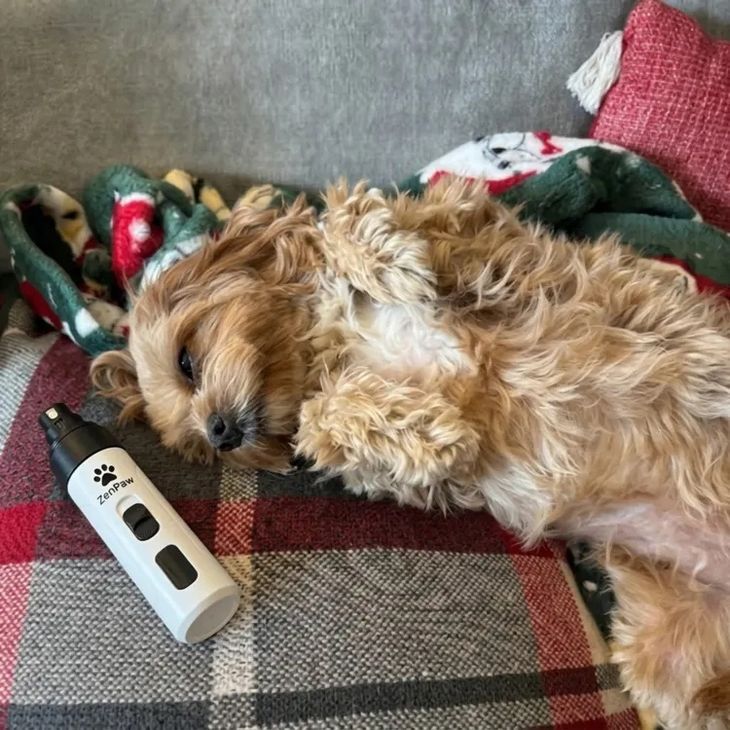
Welcoming a new puppy into your home brings an abundance of joy, sharp teeth, and incredibly needle-like claws.
Many new pet parents wonder about the absolute best time to start maintaining these tiny, sharp claws.
The short answer to the question of when to start trimming dog nails is: as early as possible.
In fact, reputable breeders often begin lightly handling puppy paws and trimming nail tips when the puppies are only two to three weeks old.
When your new companion arrives home—typically around eight weeks of age—you should immediately establish a structured puppy claw trimming timeline.
Waiting too long to start this process is a very common mistake that can lead to lifelong grooming anxiety for your dog.
During the early development phases, a puppy’s brain is highly adaptable, making it the perfect golden window for positive sensory conditioning.
If you delay the first trim until they are six months old, they may perceive the grooming tools as scary threats rather than normal life elements.
Your primary goal during the first few weeks is not necessarily to remove massive amounts of nail length.
Instead, you are trying to teach your young dog that having their paws held and touched is completely safe and deeply rewarding.
To maintain short claws and keep the sensitive inner quick from growing too long, you must understand how often to trim dog nails.
For rapid-growing puppies, a tiny, microscopic micro-trim every single week is much better than a major, stressful cut once a month.
By utilizing a slow, consistent routine, you ensure that the sensitive vascular tissue remains retracted and safe from accidental injuries.
Our team at Zenpaw designed the Zenpaw Maxpro 3-in-1 Grinder to align perfectly with this developmental timeline, offering a gentle, whisper-quiet motor that registers below 40 decibels to protect sensitive young ears.
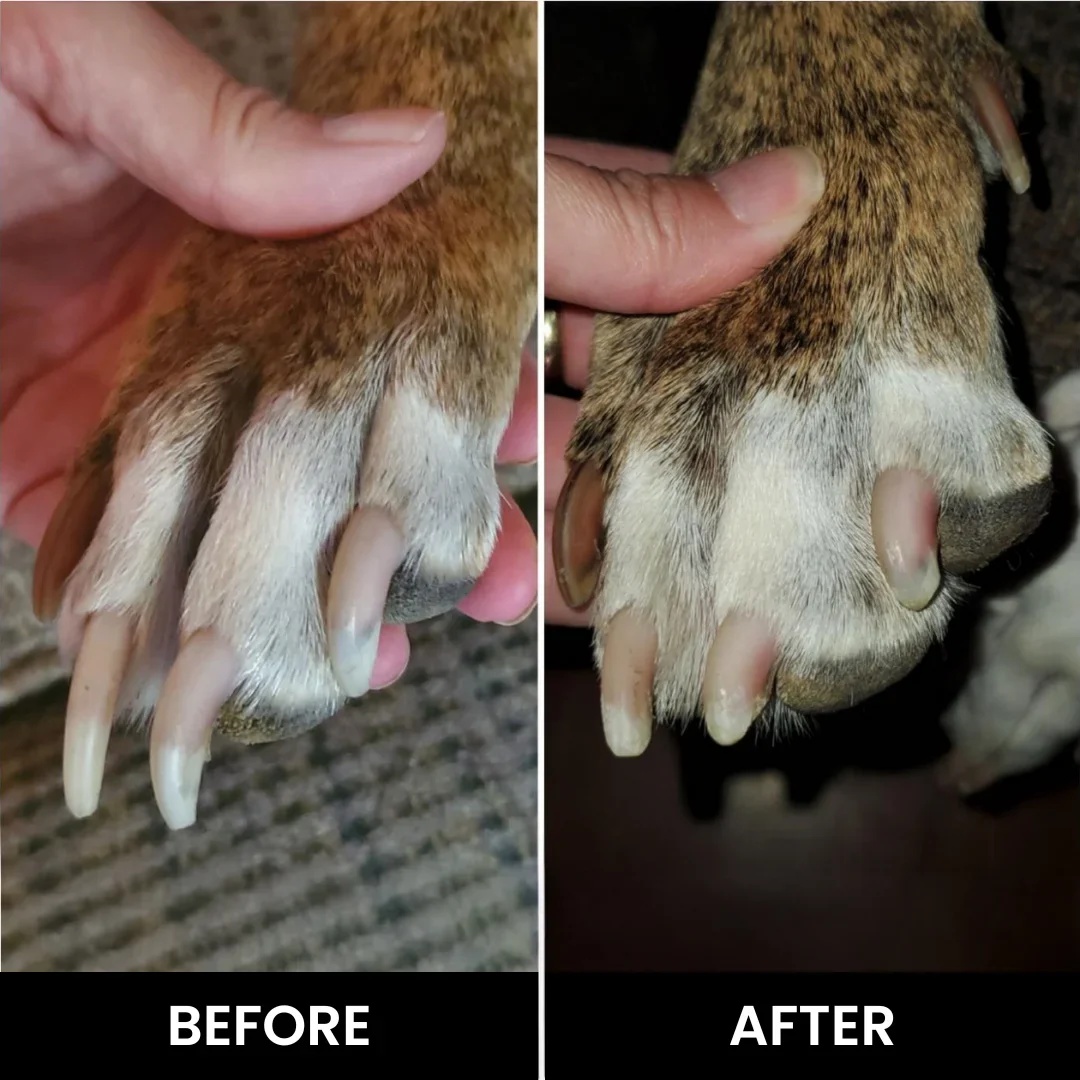
99-Day 100% Money-Back Guarantee
“Ever since we started using the Zenpaw Maxpro Grinder, it’s been such a peaceful experience. It’s very quiet, and my dog actually relaxes. It’s turned our stressful sessions into quick, quiet grooming times.”
— Sarah M. | ✔ Verified Customer
- ✓ Prevents Infection & Splitting
- ✓ Ideal for All Dog Sizes
- ✓ Low-Vibration Technology
- ✓ Fast 2-7 Days Delivery
Need Support? Call 302-307-1000
Understanding Canine Nail Anatomy: Where is the Quick?
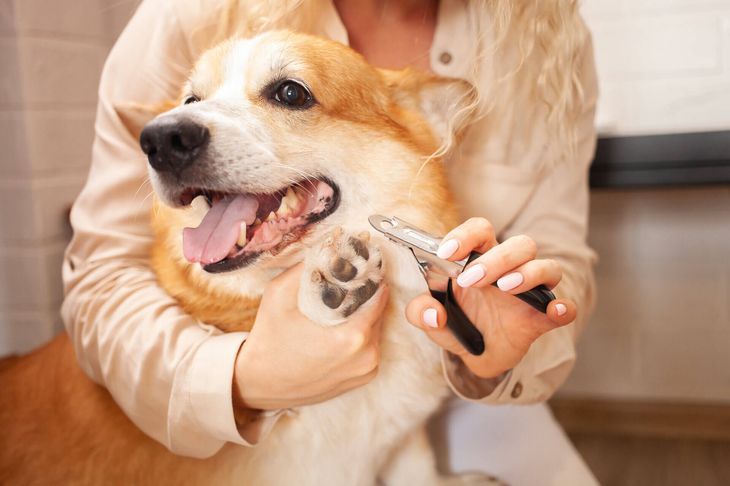
Before you even touch your puppy’s paws, you must understand the unique internal anatomy of a canine claw.
Every single dog nail consists of a hard, outer keratin shell designed to protect a highly sensitive inner core.
This highly sensitive inner core is called the quick, which contains active blood vessels and specialized nerve endings.
If you nick this area, it causes sharp, immediate pain and notable bleeding, which can create a massive setback in your dog’s training.
Many owners who are eager to learn how to cut puppy dog nails accidentally rush this step and cause bleeding.
With very young puppies, the claws are relatively soft, translucent, and easily visible.
Under bright, direct light, you can easily spot the quick as a soft, pinkish tube running down the center of each clear nail.
Your ultimate grooming goal is to trim or grind only the excess, transparent keratin tip, stopping at least two millimeters away from that pink line.
Using traditional, dull scissors or cheap puppy nail clippers can squeeze the entire nail structure violently.
This sudden pressure can pinch the nerve endings of the quick, even if you do not cut deep enough to cause actual bleeding.
That pinching sensation is often the primary reason puppies begin pulling their feet away and crying during groomings.
By utilizing a slow-spinning, professional diamond bit grinder, you gently shave away micro-layers of the keratin shell.
This advanced filing technique completely eliminates the blunt, crushing pressure associated with traditional blade clippers.
It also allows you to watch the tip of the nail change texture as you approach the quick, giving you ample warning to stop safely.
Our veterinary advisors emphasize that keeping the nails short from puppyhood prevents the quick from growing excessively long.
If nails are neglected, the quick actually stretches further down the claw, making future trims increasingly difficult and painful.
How to Safely Groom Dark Puppy Claws Without Pain
Trimming light-colored nails is relatively straightforward, but dealing with solid black puppy claws can feel incredibly intimidating.
On a dark nail, the pink, vascular quick is completely hidden from view, making it impossible to see from the outside.
If you try to clip a dark nail blindly with standard guillotine shears, you are essentially playing a stressful game of chance.
Fortunately, learning how to trim dog nails with a grinder removes this uncertainty entirely.
When you grind a dark claw, you must work in very brief, two-second increments while looking directly at the cut surface of the tip.
At the start of the session, the center of the dark nail will look dry, powdery, and solid white or grey.
As you gently shave away layers, you will soon notice a small, dark circle forming in the absolute center of the powdery white surface.
This dark, moist-looking dot is the protective outer layer of the quick, signaling that you must stop grinding immediately.
Using this incremental filing method is widely considered the best way to trim dog’s nails without causing painful accidents.
It offers unparalleled control, allowing you to round off sharp edges that would otherwise scratch your skin or ruin wood floors.
Additionally, the Zenpaw Maxpro features two distinct speed settings, giving you the ability to use a low, gentle speed for precise detailing on delicate dark claws.
If you happen to get slightly too close to the quick, the gentle friction of the grinder cauterizes the tip slightly, reducing discomfort.
By taking your time and examining the nail tip after every pass, you can confidently groom black claws with absolute precision.
Step-by-Step Desensitization: Introducing the Grinder

To ensure your dog remains relaxed during grooming for the next fifteen years, you must execute a proper desensitization protocol.
The secret is to pair the presence of the grooming tool with high-value treats, such as small bits of roasted chicken or peanut butter.
Follow this simple, professional grooming template over the course of seven to ten days to guarantee success:
-
Phase 1: Tool Familiarization (Days 1-2):
Place the turned-off grinder on the living room floor and scatter delicious treats around it, letting your puppy explore it at their own pace. -
Phase 2: Sound Conditioning (Days 3-4):
Hold the grinder a few feet away from your puppy, turn the motor on its lowest speed, and immediately feed your dog tasty treats for several seconds. -
Phase 3: Paw Handling & Vibrations (Days 5-6):
With the motor turned off, touch the body of the grinder gently to your puppy’s paws while offering steady praise and continuous rewards. -
Phase 4: Direct Vibration Contact (Day 7):
Turn the grinder on, gently press the vibrating plastic handle—not the spinning wheel—against your dog’s leg to get them used to the physical sensation. -
Phase 5: The First Micro-Trim (Day 8+):
Gently hold a single claw, stabilize the toe, and touch the spinning diamond bit to the tip of the nail for exactly one second, then reward immediately.
During this training process, you must master the proper physical grinding technique to ensure maximum safety.
Always hold the grinder at a steady 45-degree angle relative to the natural growth direction of the canine claw.
Never hold the spinning grinding wheel against a single nail for more than two or three consecutive seconds at a time.
Friction naturally creates heat, and if the nail gets too warm, it can cause sudden discomfort to the delicate nerves inside.
Instead, work in brief, gentle taps, moving systematically from one toe to the next to allow each nail to cool down.
This systematic, low-vibration method is the gold standard for successful how to desensitize dog to nail trimming protocols.
By transforming the entire experience into a fun, cooperative game, your puppy will actually begin to look forward to grooming sessions.
This positive early conditioning represents the absolute foundation of modern, stress-free dog grooming nail trimming practices.
Traditional Clippers vs. Modern Nail Grinders
For decades, heavy metal scissor clippers were the only real option available for home pet grooming.
Unfortunately, these traditional tools carry significant risks, especially for inexperienced owners or highly squirmy puppies.
If your puppy moves suddenly while a metal blade is clamped over their toe, you can easily slice directly through the quick.
This painful mistake often results in heavy bleeding, frantic cleanups, and a complete loss of trust between you and your companion.
Furthermore, traditional scissor clippers often crush the brittle keratin layers of older or thicker canine claws.
This crushing action can cause the nail to painful splinter, crack, or split vertically, which can lead to deep, painful infections.
Modern diamond-bit nail grinders, like the Zenpaw Maxpro, bypass these structural risks entirely by filing the claw away gradually.
The gradual shaving action ensures that you have complete, microscopic control over every millimeter of keratin you remove.
It also leaves the tip of the nail incredibly smooth, preventing snagged carpets and painful scratches on your legs.
| Grooming Feature | Zenpaw Maxpro Grinder | Traditional Metal Clippers |
|---|---|---|
| Risk of Bleeding | Extremely Low (Gradual Shaving) | High (Blind, Fast Cuts) |
| Nail Tip Texture | Perfect Cross-Cut Smooth | Sharp, Jagged, Splintered |
| Noise & Vibration | Whisper-Quiet (<40dB) | Loud, Sudden Metal Snap |
| Anxiety Levels | Minimal (Gentle Conditioning) | Very High (Crushing Sensation) |
As detailed above, moving away from outdated, stressful tools is the easiest way to protect your puppy’s physical and emotional well-being.
Frequently Asked Questions About Puppy Nail Care
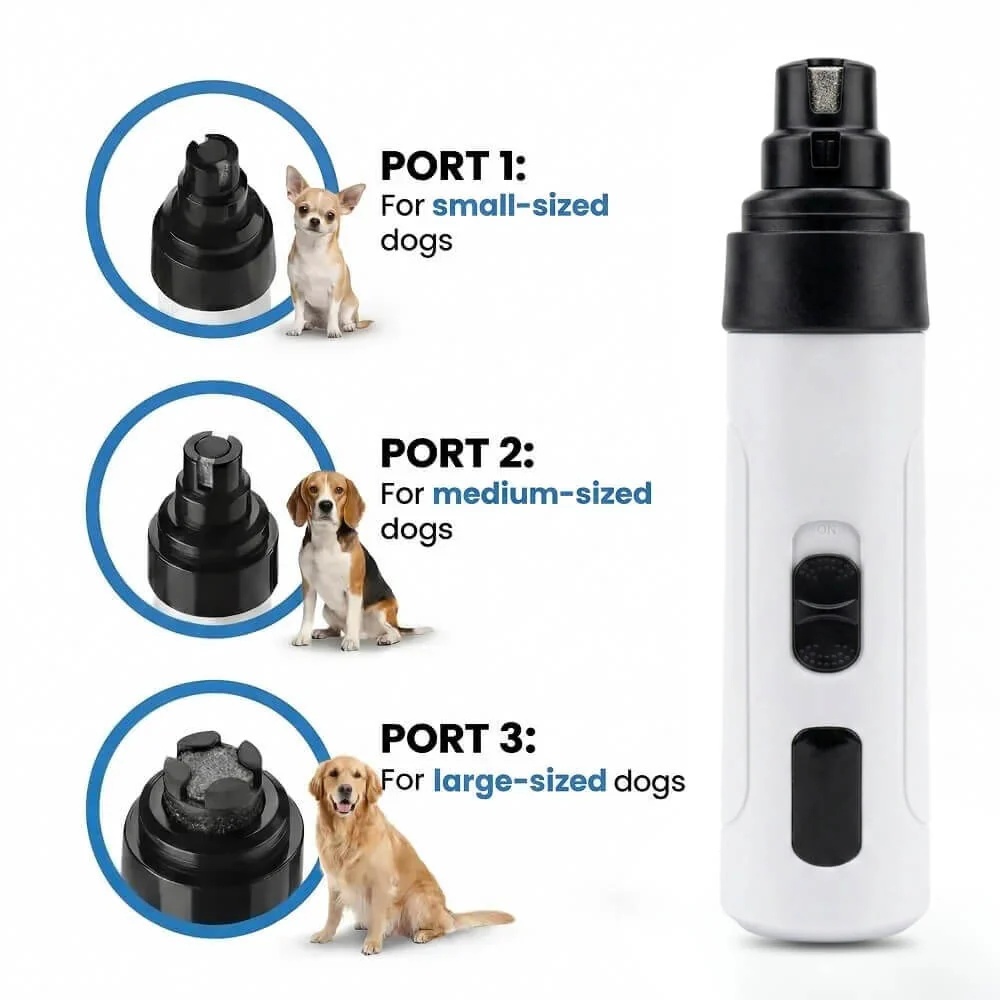
A Lifetime of Peaceful Grooming
Taking the time to introduce your puppy to paw care during their early weeks sets them up for a lifetime of happy, relaxed grooming.
By utilizing positive reinforcement, working slowly, and picking the right quiet tool, you ensure that claw maintenance never turns into a stressful battle.
Ready to transform nail trimming from a battle into a breeze?
Explore the Zenpaw Maxpro 3-in-1 Grinder.
Call us at 302-307-1000—our team is always here to advise you on proper grooming practices and answer any product questions.