
I remember the pure panic I felt the night I tried to trim my anxious spaniel’s overgrown claws with my own metallic nail cutters, only to hear a sickening crack that left us both stressed, crying, and completely defeated. If you are wondering, can you use regular nail clippers on a dog, you are not alone in seeking a gentler, pain-free alternative for your dog’s vital paw health.
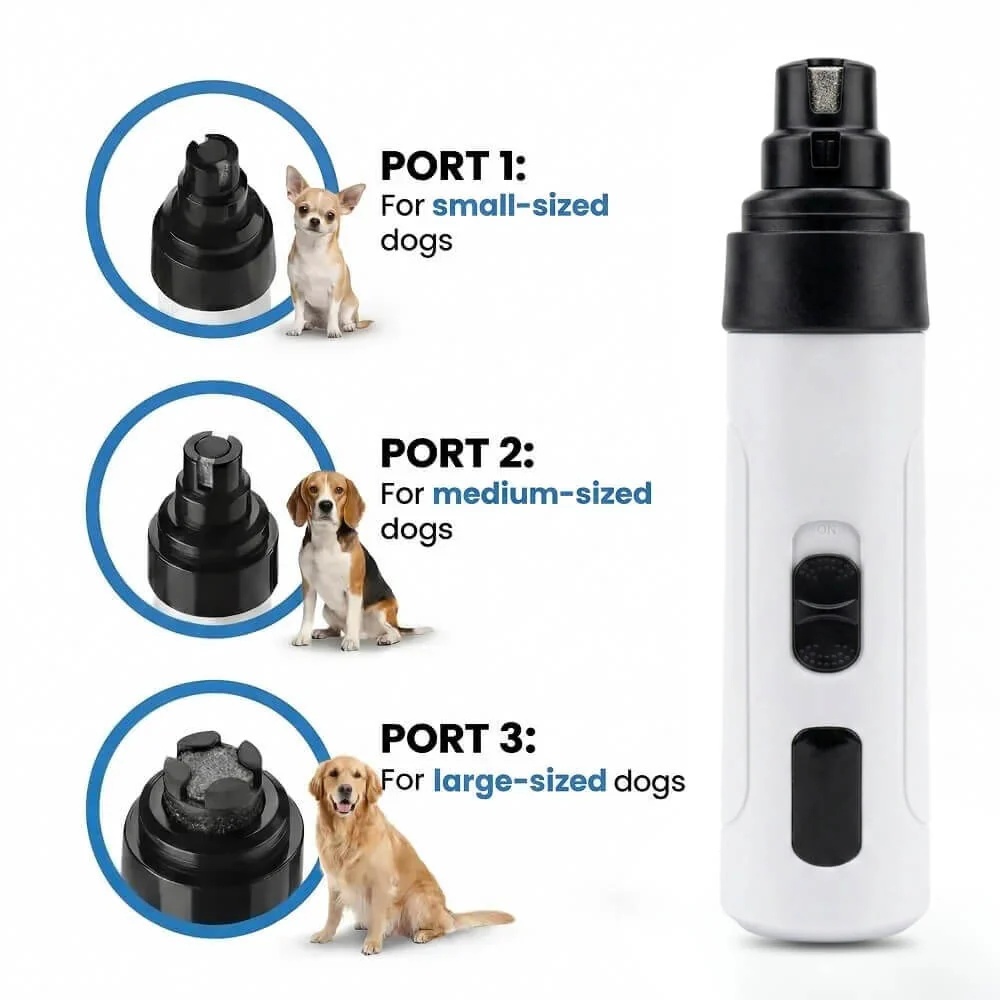
Maxpro 3-in-1 Grinder.
Stress-Free Nail Trimming.
Whisper-quiet DC motor (<40 dB) eliminates fear & discomfort. Features 3 ports, dual speeds, and 7-hour battery life. Safe, precise, and painless.
In This Article
- Canine Nail Anatomy: Why dog claws differ fundamentally from human nails.
- The Risks of Regular Clippers: How flat blades split, crush, and damage rounded claws.
- Safe Alternatives: Comprehensive steps to transition your dog to a stress-free grinder.
- Emergency Protocols: What to do if you accidentally cut the quick.
Can You Use Regular Nail Clippers on a Dog Safely? Here is the Verdict
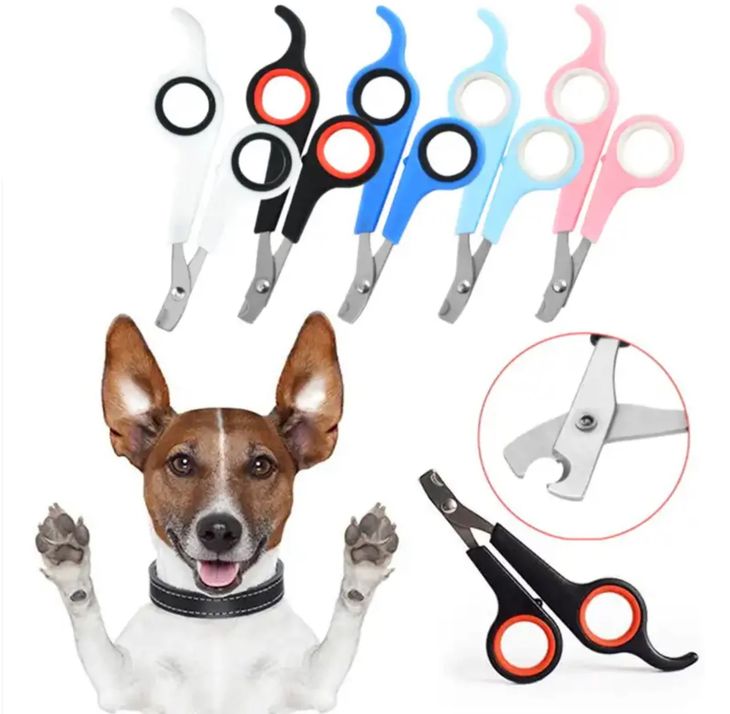
Using regular human nail clippers on a dog is highly discouraged by professional groomers and veterinarians because it is rarely safe for their rounded, thick claws.
Human nail clippers are designed with flat or slightly curved blades meant for flat, thin human fingernails, whereas dog claws are thick, cylindrical, and highly pressurized structures.
When you attempt to use human nail clippers on dogs, the flat blades squeeze the rounded nail from opposite sides, exerting massive crushing force rather than a clean, swift cut.
According to guidelines from the American Kennel Club, this crushing action easily shatters the hard outer keratin shell, leading to painful splits, fraying, and exposed nerve endings.
Furthermore, because human clippers obstruct your view of the nailbed, you are highly likely to cut too close to the quick, causing immediate pain and heavy bleeding.
If you must trim a tiny puppy’s paper-thin nails in an absolute emergency, you can technically use regular nail clippers, but you must exercise extreme caution.
First, ensure the human clipper is sharp, clean, and sterilized with rubbing alcohol to prevent introducing bacteria to the claw tip.
Second, only clip the microscopic, needle-sharp tip of the claw, taking off less than a millimeter to avoid the sensitive inner blood vessels.
Third, make the cut from the side of the nail rather than the top and bottom to minimize the crushing pressure on the cylindrical nail structure.
Never attempt to use these tools on adult dogs, medium-to-large breeds, or thick, dark claws, as the strength of the nail will easily bend or ruin the human clipper blade.
If you want to handle this safely at home, the Zenpaw Maxpro Grinder provides painless, quiet filing — explore it here.
99-Day 100% Money-Back Guarantee
“Ever since we started using the Zenpaw Maxpro Grinder, it’s been such a peaceful experience. It’s very quiet, and my dog actually relaxes. It’s turned our stressful sessions into quick, quiet grooming times.”
— Sarah M. | ✔ Verified Customer
- ✓ Prevents Infection & Splitting
- ✓ Ideal for All Dog Sizes
- ✓ Low-Vibration Technology
- ✓ Fast 2-7 Days Delivery
Need Support? Call 302-307-1000
Understanding Canine Nail Anatomy: Where is the Quick?
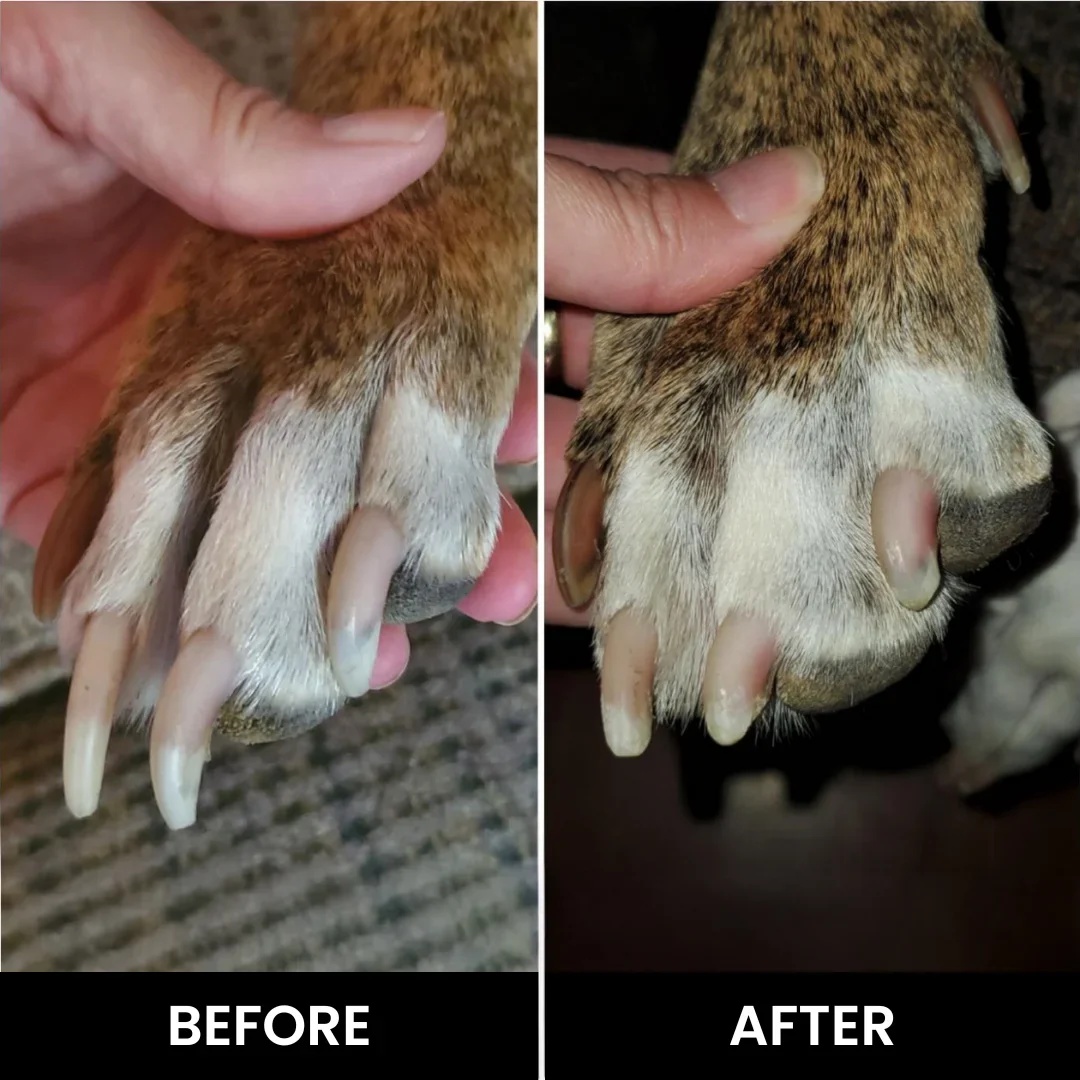
To safely trim your pet’s claws, you must first master the delicate inner workings of canine nail anatomy.
Unlike human nails, which grow in flat sheets over the skin, a dog’s claw is a living, three-dimensional extension of the last digit.
Inside the hard, outer shell of keratin lies the quick, a highly vascularized zone packed with active blood vessels and nerves.
If you cut into the quick, your dog will experience a sharp, sudden flash of pain and the wound will bleed heavily.
This painful experience is the number one reason many dogs develop deep-seated phobias of nail grooming tools over time.
Understanding what happens if you never cut your dog’s nails highlights why routine care is so important.
Left untrimmed, the quick grows longer and longer alongside the nail, making it incredibly difficult to trim the claw back to a healthy length.
Overgrown claws curl backward, altering how your dog’s paws contact the ground, which leads to joint strain, skeletal issues, and severe discomfort.
To prevent this, some pet parents try using a dog nail scratch box to let their pets file down their own nails through natural scratching play.
While scratch boxes are highly effective for front paws, they do not help shorten dewclaws or rear claws, meaning manual maintenance is still required.
By learning where the quick is and utilizing a safe, slow-working tool, you can maintain short, healthy nails without ever causing pain.
The Science of Desensitizing Your Dog to Nail Tools
Most dogs resist nail trimmings because they associate the process with physical pressure, restraint, and previous pain.
To reverse this fear, certified veterinary behaviorists recommend using a systematic desensitization and counter-conditioning program.
Start by presenting your new grooming tool to your dog while it is completely turned off and stationary on the floor.
Allow your dog to approach and sniff the tool at their own pace, rewarding every touch with a high-value treat like chicken or peanut butter.
Next, turn on your nail grinder at its lowest speed while holding it several feet away, letting them hear the gentle hum without touching them.
Feed them delicious treats while the motor runs, helping them associate the low sound with positive, rewarding experiences.
Slowly decrease the distance between the running tool and your dog over several daily sessions, keeping their body language completely relaxed.
Once they are comfortable, touch the vibrating body of the grinder to their leg or shoulder to get them used to the physical sensation.
Finally, gently hold one of their toes and press the grinding wheel against a single nail for just one short second before offering a reward.
This gradual process ensures your pet never feels overwhelmed, transforming a stressful chore into a peaceful, cooperative bonding routine.
How to Safely Grind Black Dog Nails Without Bleeding
Trimming dark or black canine claws is notoriously difficult because the dark pigment completely hides the inner pink quick.
Many pet owners struggle to find the boundary line, leading to accidental cuts, bleeding, and heightened grooming anxiety.
Fortunately, you can learn how to cut black dog nails using flashlight techniques to illuminate the hidden quick.
By pressing a bright LED flashlight directly against the side of the dark claw, you can sometimes see the opaque shadow of the quick inside.
However, if your dog’s nails are completely solid black and dense, a high-quality pet nail grinder is your safest grooming alternative.
Instead of making one blind, high-risk cut, a grinder allows you to gently shave away microscopic layers of the nail step by step.
As you grind the tip, look directly at the exposed circular cross-section of the nail head-on after each brief pass.
At first, you will see a dry, chalky, white powdery circle, which indicates you are safely in the dead keratin zone.
As you approach the quick, the center of the circle will turn into a small, dark, moist, or jelly-like dot.
This dark circle is the inner pulp that immediately surrounds the quick, signaling that you must stop grinding immediately to avoid pain.
Using this incremental approach guarantees that you will never clip too close or cause your beloved companion to bleed.
Step-by-Step Practical Application Guide
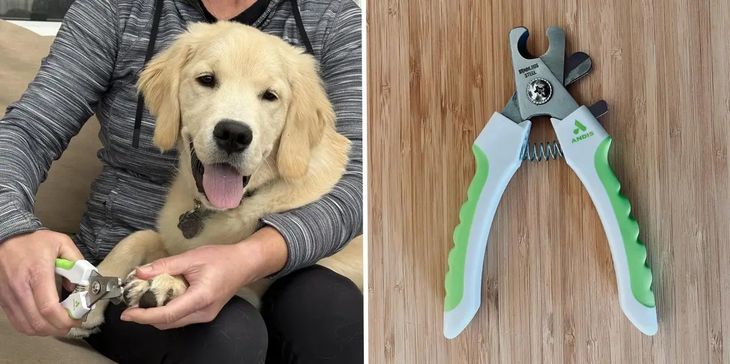
Grooming your dog’s nails at home does not have to be a stressful battle if you follow a structured, professional protocol.
Prepare a quiet, distraction-free room where your pet feels relaxed, and gather all your tools before bringing your dog inside.
Position yourself comfortably, gently taking one of your dog’s paws and supporting it securely with your non-dominant hand.
Use your thumb to gently push down on the base of the toe pad to extend the claw outward, separating it from the surrounding fur.
If your dog has long feathers on their legs, wrap a thin sock or stocking over the paw to keep long hairs away from the spinning wheel.
Hold your Zenpaw Maxpro Grinder firmly and approach the nail tip at a precise 45-degree angle to create a smooth, natural finish.
Apply the grinding wheel with light, steady pressure for no more than two consecutive seconds to prevent heat buildup on the nail.
Friction from spinning grinding heads can get surprisingly hot, which causes physical discomfort even if you are far from the quick.
Work in brief, repetitive taps, moving between different toes to let each individual claw cool down before working on it again.
Once the length is reduced, use the grinder to gently round off the sharp outer edges, preventing them from catching on your carpets.
Always praise your pet enthusiastically and feed them high-quality treats throughout the session to reinforce their calm behavior.
Overcoming Risks and Common Grooming Mistakes
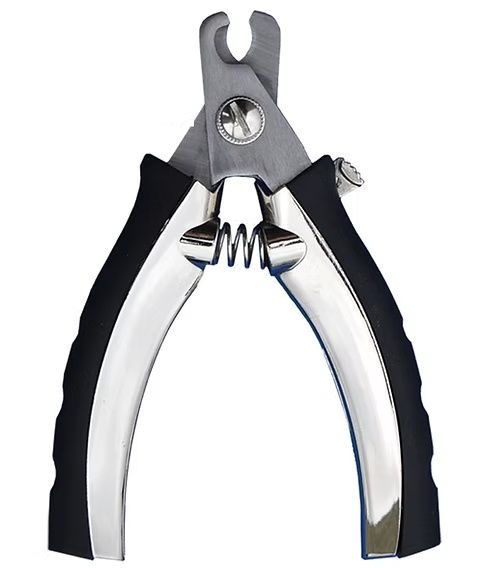
One of the most common grooming mistakes is using cheap, dull metal scissor clippers that crush rather than slice.
Dull blades squeeze the live claw with immense force, causing painful micro-fractures along the entire length of the nail.
These hairline splits allow dirt and environmental bacteria to seep deep into the delicate inner nail plate.
If you look at early stage infected dog nails pictures, you will see how easily minor damage can escalate.
Infections cause intense swelling, painful throbbing, constant paw licking, and can eventually spread to the underlying toe bones.
To protect your dog, always choose high-quality grinding bits that smoothly file the claw without causing fractures or splintering.
In the rare event that you grind too far and nick the quick, do not panic, as dogs quickly sense their owner’s anxiety.
Keep a container of styptic powder, cornstarch, or baking soda right next to your grooming station for quick access.
Press a small pinch of the clotting powder directly onto the bleeding tip of the nail and hold it firmly with clean gauze for sixty seconds.
If the bleeding continues or if the nail is torn, you will need to apply a clean dog nail bandage to protect the area.
Wrapping the paw securely prevents dirt from entering the fresh wound while it heals over the next few days.
Using a quiet, precise pet grinder dramatically reduces these risks, giving you total control over the entire grooming process.
| Grooming Method | Safety & Comfort Level | Best Suited For |
|---|---|---|
| Human Nail Clippers | Very Low (Risk of crushing & splitting) | Only tiny puppies in an emergency |
| Scissor/Guillotine Clippers | Moderate (Risk of cutting the quick blindly) | Experienced owners with light-colored nails |
| Zenpaw Maxpro Grinder | High (Safe, painless, gradual filing) | Anxious dogs, black nails, and all breed sizes |
Frequently Asked Questions (FAQ)
Is the Zenpaw Grinder safe for large dogs?
Yes, the Zenpaw Maxpro Grinder is highly versatile.
It features three distinct ports designed to accommodate small, medium, and large breeds.
The powerful dual-speed motor can easily file down the thickest claws of large dogs.
How long does the battery last?
The advanced rechargeable battery lasts up to seven hours on a single charge.
This gives you plenty of time to complete multiple grooming sessions without interruption.
It charges conveniently using any standard USB cable.
Which speed is best for anxious pets?
We highly recommend starting on the low-speed setting.
The low speed produces the quietest sound and minimal vibration.
This is perfect for introducing anxious dogs to the tool.
You can increase the speed as your dog becomes more comfortable.
Does the grinding head get too hot?
The Zenpaw Maxpro utilizes advanced low-heat technology.
The high-quality brass bit minimizes friction-based heat generation.
However, we still recommend only touching the nail for two to three seconds at a time for maximum comfort.
Ready to Experience Stress-Free Grooming?
Ready to transform nail trimming from a battle into a breeze?
Explore the Zenpaw Maxpro 3-in-1 Grinder.
Call: 302-307-1000 — our team can help you advise on the best grooming practices and help with any product questions.