
I remember sitting on my bathroom floor, my hands shaking as I held my terrified toy poodle, desperately trying to use those stiff scissor style dog nail clippers without causing pain. That familiar sinking feeling of anxiety took over both of us, making me realize our beloved pets deserve a much gentler approach to claw maintenance. At Team Zenpaw, we believe that proper paw health should be a peaceful, healing bonding moment rather than a stressful weekly battle.
Maxpro 3-in-1 Grinder.
Stress-Free Nail Trimming.
Whisper-quiet DC motor (<40 dB) eliminates fear & discomfort. Features 3 ports, dual speeds, and 7-hour battery life. Safe, precise, and painless.
In This Article
- The Best Scissor Style Dog Nail Clippers: A comparative review of the top physical options on the market.
- Understanding Canine Nail Anatomy: A detailed scientific look inside the living layers of your dog’s paws.
- The Science of Desensitization: Professional behavioral tips to eliminate grooming anxiety at home.
- Step-by-Step Practical Application Guide: How to trim or grind claws perfectly without causing any structural damage.
The Best Scissor Style Dog Nail Clippers for Small Breeds: Ranked & Reviewed
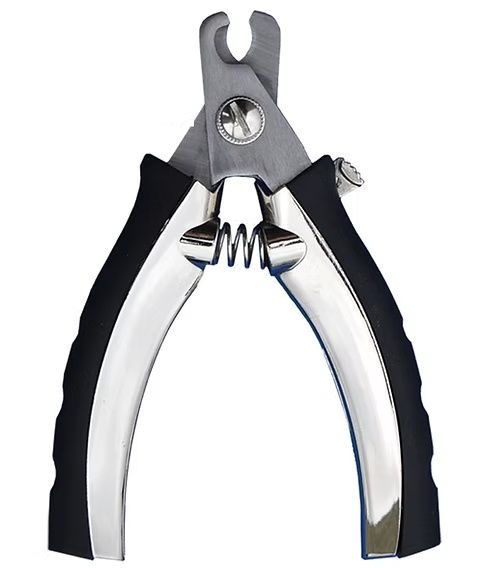
Finding the perfect tool for tiny paws is always a challenge for dedicated pet parents.
Many owners start their grooming journey by looking for traditional dog nail clippers scissor style devices.
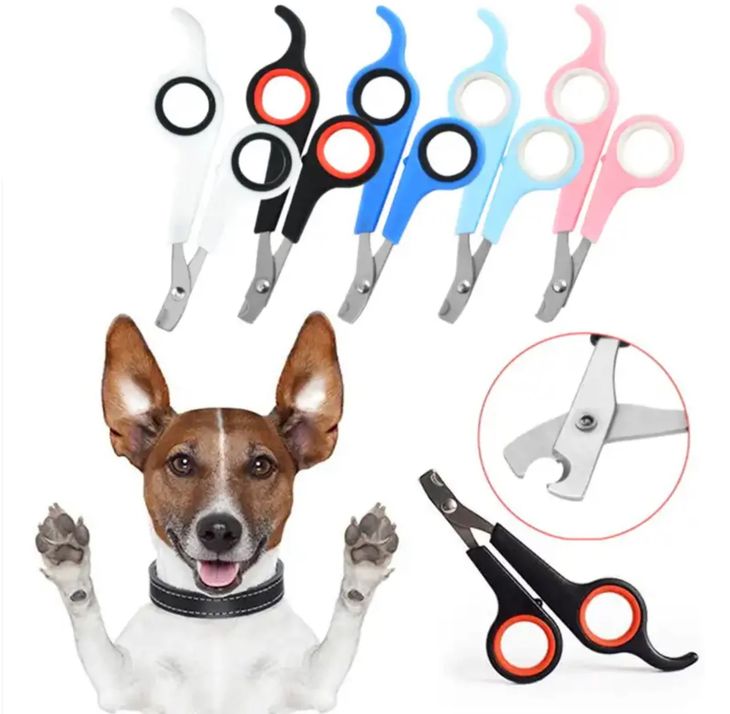
These manual tools resemble household scissors but feature curved indentations designed to cradle tiny, delicate claws.
When shopping, you might search for high-quality scissors style dog clippers to achieve a clean cut.
However, using scissors for pet claws requires a high level of precision and absolute stability from your furry companion.
We have tested and analyzed the top market options to help you make an informed choice for your dog’s paw health.
1. Safari Professional Stainless Steel Pet Clipper
This classic scissor design features durable stainless steel blades designed to grip small claws effectively.
It fits comfortably in smaller hands, allowing for decent control during quick grooming sessions.
However, the mechanical action of squeezing still exerts significant crushing pressure on the nail bed.
If your canine companion is terrified of sudden pinching sensations, this physical force can trigger an immediate panic response.
A whisper-quiet alternative like the Zenpaw Maxpro Grinder avoids this harsh crushing force completely by filing the claw smoothly.
2. Shiny Pet Dog Nail Clippers
This compact manual trimmer is widely known for its uniquely angled blades and ergonomic handle design.
It excels at trimming thin, paper-like claws on very cooperative toy breeds and young puppies.
Unfortunately, these delicate blades can dull quickly after only a few months of routine grooming.
Dull blades often lead to splitting, tearing, and ragged nail edges that easily catch on household rugs.
Using a progressive rotary filing tool prevents these jagged splits from forming in the first place.
3. gonicc Professional Pet Dog Nail Clippers
This option features an adjustable safety guard designed to prevent cutting past the vascular quick.
The spring-loaded scissor action reduces hand strain for owners during extended home grooming routines.
However, the physical safety guard can easily slip out of position on highly energetic or squirming pets.
It also obstructs your view of dark nails, making accurate visual alignment almost impossible.
For complete safety and visibility, choosing a modern, multi-port rotary filing tool remains the superior strategy.
Comparison of Top Grooming Options
To help you decide, let us look at how these manual clippers compare directly to our stress-free filing technology.
| Tool Name | Main Feature | Noise & Vibration | Splitting & Pain Risk | Warranty Support |
|---|---|---|---|---|
| Safari Professional | Stainless Steel Blades | Silent (No Motor) | Medium (Crushing Force) | Limited 1 Year |
| Shiny Pet Clipper | Angled Head Design | Silent (No Motor) | High (Blades Dull Fast) | Lifetime Replacement |
| gonicc Professional | Physical Safety Stop | Silent (No Motor) | Medium (Blocks Visuals) | Limited Lifetime |
| Zenpaw Maxpro Grinder | Whisper-Quiet (<40dB) | Virtually Silent | Zero (Smooth Filing) | 99-Day Money-Back |
If you are ready to move away from the stress of manual blades, you can explore the Zenpaw Maxpro 3-in-1 Grinder today.
99-Day 100% Money-Back Guarantee
“Ever since we started using the Zenpaw Maxpro Grinder, it’s been such a peaceful experience. It’s very quiet, and my dog actually relaxes. It’s turned our stressful sessions into quick, quiet grooming times.”
— Sarah M. | ✔ Verified Customer
- ✓ Prevents Infection & Splitting
- ✓ Ideal for All Dog Sizes
- ✓ Low-Vibration Technology
- ✓ Fast 2-7 Days Delivery
Need Support? Call 302-307-1000
Understanding Canine Nail Anatomy: Demystifying the Quick
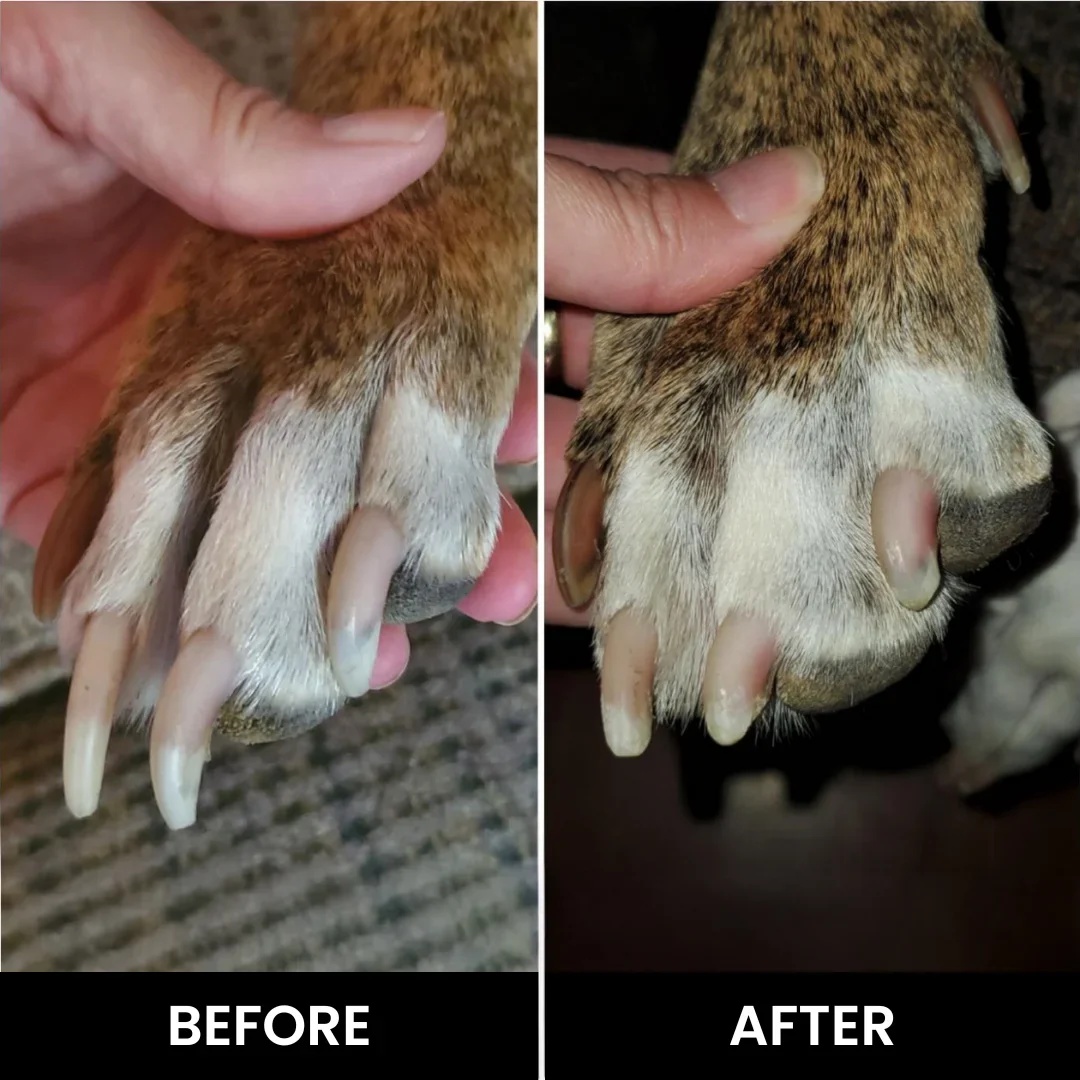
To keep your canine companion safe during grooming, you must first understand the biological structures inside their paws.
Many pet parents mistakenly treat their dog’s claws like human fingernails, assuming they are entirely dead tissue.
In reality, canine claws are complex living structures that require highly specialized care.
To protect your pet, you must know what are dog nails made of before attempting any trimming.
A dog’s claw consists of a hard outer shell of keratin enclosing a highly vascular living center called the quick.
This quick contains active blood vessels and sensitive nerve endings that register intense pain when damaged.
If you slice directly into this living center with sharp manual clippers, it results in immediate bleeding and severe discomfort.
For many dogs, a single painful pinch can trigger a lifelong fear of having their paws touched.
This is why slow, progressive grooming methods are highly recommended by canine health professionals.
The Intense Challenge of Trimming Dark Claws
Trimming light-colored nails is relatively straightforward because the pink-colored quick is clearly visible through the outer keratin.
However, clipping black dog nails presents a serious challenge for even experienced owners.
Melanin pigments within dark claws completely block light, hiding the sensitive blood supply from view.
Using traditional clippers on dark claws is often a stressful guessing game with a high risk of injury.
A rotary file allows you to shave off microscopic layers of keratin while watching for a central chalky circle to appear.
As you approach the quick, the core of the nail changes from dusty white to a soft, dark indicator spot.
This visual cue tells you exactly when to stop before causing any pain or bleeding.
By using this gradual method, you protect your pet from the physical trauma of accidental quicking.
Why Conventional Crushing Tools Can Cause Structural Damage
Many well-meaning owners do not realize that standard scissor-style clippers actually crush the nail before cutting it.
The intense squeezing force required to slice through hard keratin often causes the nail to split or shatter.
Using low-quality, blunt steel trimmers can result in long-term structural micro-fractures in the paw.
This is why investing in premium, ergonomically designed eco friendly dog nail clippers is highly beneficial.
These specialized tools are engineered to cut cleanly while minimizing mechanical stress on the nail bed.
When manual blades become dull, they apply uneven pressure that pinches the sensitive nerves around the toe bones.
This squeezing action is highly uncomfortable for your pet, even if you manage to avoid cutting the quick.
By switching to a modern rotary file, you eliminate these high-pressure mechanical forces completely.
Your dog’s paws remain strong, healthy, and completely free of painful micro-splits.
Managing Overgrown Nails and the Receding Quick
When grooming is neglected, the living quick slowly grows longer inside the expanding nail.
If you try to trim an overgrown claw back to its normal length all at once, you will inevitably cause bleeding.
To safely shorten overgrown claws, you must encourage the vascular supply to recede naturally.
This biological retreat is achieved by filing off tiny amounts of keratin every seven to ten days.
As the outer tip is gently reduced, the internal blood supply naturally retreats toward the paw bed.
This progressive schedule is almost impossible to maintain safely with harsh manual scissor-style trimmers.
A whisper-quiet file lets you perform frequent, comfortable touch-ups without causing anxiety or pain.
Over a few months, your pet’s nails will safely return to a healthy, quiet walking length.
The Behavioral Science of Dog Grooming Anxiety
Most dogs do not resist paw grooming because they are stubborn or disobedient.
Instead, they are reacting to intense sensory triggers and a lack of cooperative control during the process.
To solve grooming resistance, we must understand the psychological triggers behind their natural fear.
Dogs possess highly sensitive hearing and can easily detect high-frequency mechanical vibrations.
When a loud, buzzing tool approaches their body, it triggers a sudden “fight or flight” survival response.
Furthermore, holding a dog’s paw tightly mimics the predatory restraint behaviors found in nature.
This combination of sensory overload and physical confinement creates a highly stressful state of panic.
By applying modern behavioral science, we can systematically replace this fear with positive, happy associations.
The Role of Noise and Vibration in Grooming Stress
Most commercial nail grinders on the market utilize cheap, high-vibration motors that emit loud, high-pitched whines.
These harsh noises can easily exceed seventy decibels, which is highly alarming for sensitive canine ears.
This is why Team Zenpaw engineered our advanced motor to operate at a whisper-quiet level under forty decibels.
A quiet motor prevents the initial adrenaline surge, allowing your pet to remain completely relaxed.
Low physical vibration is equally important because intense shaking feels ticklish or irritating on a dog’s toes.
When a grooming tool feels gentle and quiet, the dog is much more willing to cooperate.
This structural refinement changes the entire behavioral dynamic of your home grooming sessions.
Implementing Systematic Desensitization at Home
Desensitization is the process of gradually exposing your dog to a grooming trigger at a very low, non-threatening level.
You should never rush this training or force your dog to endure a full grooming session immediately.
Start by simply placing the turned-off tool near your dog while feeding them high-value treats.
Once your pet associates the sight of the device with positive rewards, you can turn it on at a distance.
Let your dog listen to the quiet hum while continuing to offer their favorite snacks.
Next, gently touch the vibrating body of the running device to your dog’s shoulder to get them used to the feeling.
Only progress to touching the paw once your pet shows absolutely no signs of tension or retreat.
This positive reinforcement method builds deep trust and permanently eliminates grooming fear.
Step-by-Step Practical Application Guide
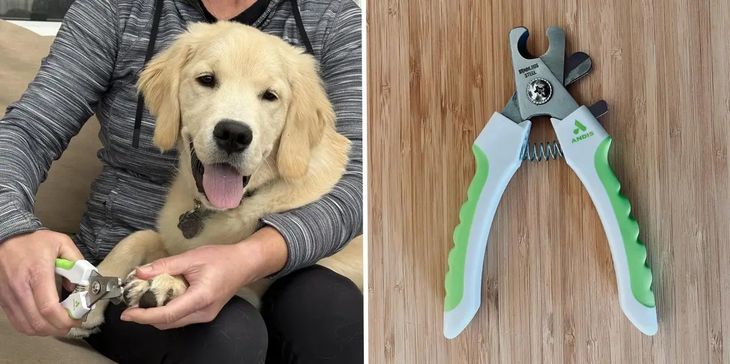
Performing a home grooming session does not have to be a stressful physical battle.
With the right preparation and technique, you can easily maintain your dog’s claws in minutes.
First, select a quiet, well-lit room in your home where your dog feels completely safe and comfortable.
Gather all your essential supplies, including your high-value treats and your whisper-quiet filing tool.
Sit in a relaxed position on the floor or place your small dog on a secure, non-slip table.
Hold your dog’s paw gently but firmly, isolating a single toe between your thumb and forefinger.
This supportive grip prevents sudden movements and ensures total safety during the grooming process.
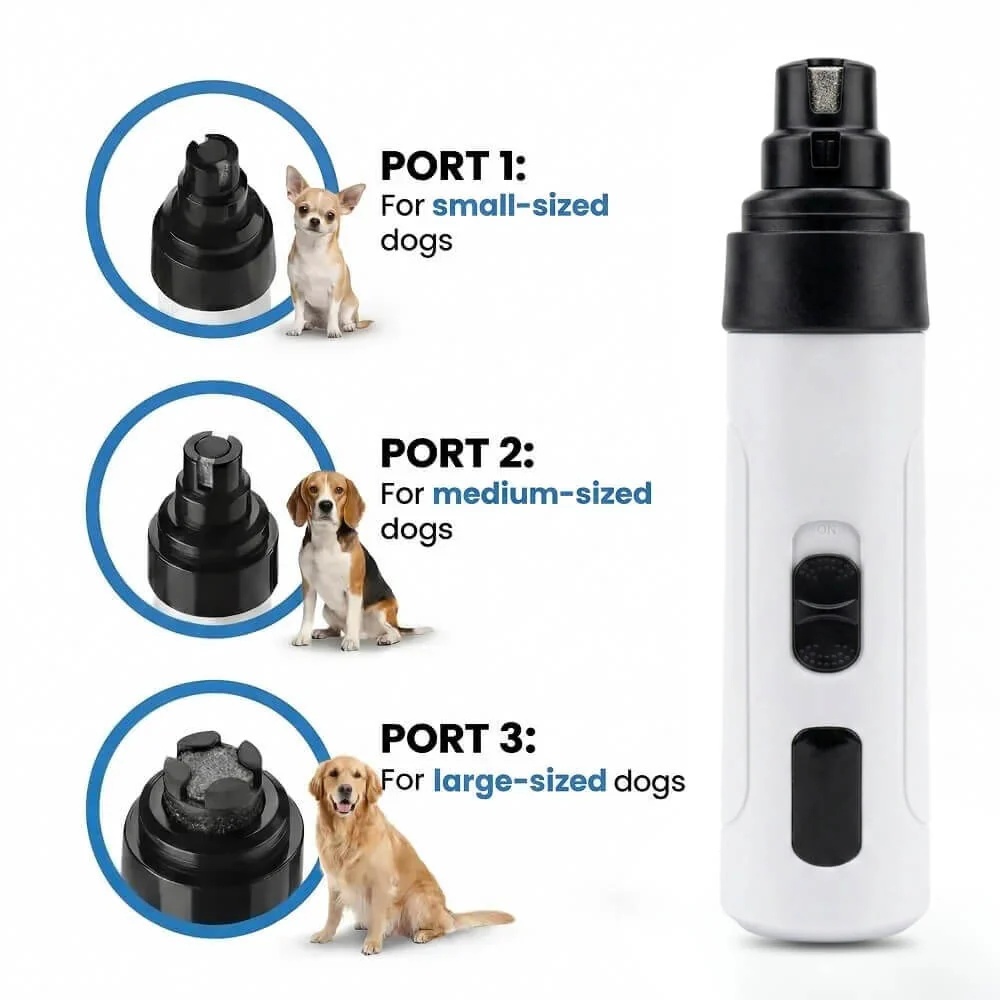
Select the appropriate port on your grinder based on your dog’s claw size and thickness.
For small breeds, the small or medium port openings are ideal for preventing accidental skin contact.
Hold the filing wheel at a precise forty-five-degree angle to the natural curve of the nail.
This angle matches the physiological shape of the claw and ensures a smooth, rounded finish.
Apply light, gentle pressure for no more than two to three seconds at a time per nail.
Holding the tool on a single spot for too long can generate uncomfortable friction heat.
By moving quickly between toes, you keep the grooming experience completely painless and stress-free.
Once you finish filing, reward your furry companion with enthusiastic praise and a delicious treat.
Over time, this simple routine will become a peaceful, rewarding bonding experience for both of you.
Overcoming Risks & Common Grooming Mistakes
Many well-meaning pet parents make critical mistakes that can lead to pain or nail infections.
One of the most common errors is using cheap, dull steel blades that violently squeeze the nail bed.
For larger or thicker claws, many owners mistakenly buy generic heavy duty dog nail trimmers without checking their sharpness.
These oversized tools can easily crush a small dog’s delicate claw structure and cause serious pain.
Rushing through the grooming process is another major hazard that often results in cutting the living quick.
Grooming should always be approached as a slow, deliberate art rather than a fast chore.
Another common pitfall is failing to research the safest dog nail products currently available on the market.
Many outdated products rely on sheer physical force instead of modern safety technology.
By choosing advanced, veterinarian-approved tools, you avoid these dangerous grooming risks easily.
A progressive filing tool allows you to work slowly, ensuring you never hurt your beloved companion.
It is always better to take your time and build a happy, cooperative partnership with your pet.
Frequently Asked Questions
Is the Zenpaw Grinder safe for large dogs?
Yes, the Zenpaw Maxpro Grinder is highly versatile and fully safe for dogs of all sizes.
It features three distinct ports designed to accommodate small, medium, and large breeds safely.
You simply rotate the protective safety cap to select the opening that matches your dog’s nail width.
Our powerful motor easily files down thick claws without slowing down or stalling under pressure.
This makes it an excellent choice for multi-pet households with both tiny and giant dogs.
How long does the battery last?
The Zenpaw Maxpro Grinder is equipped with a premium high-capacity lithium-ion battery.
On a single full charge, the device can operate continuously for up to seven hours.
This long-lasting performance means you only need to charge it once every few months of use.
It is easily rechargeable using a standard USB cable, making it highly convenient for travel.
The integrated battery level indicator lets you know exactly when it is time to plug it in.
Which speed is best for small breeds?
We recommend starting with our lowest speed setting when grooming small dogs or young puppies.
This gentle speed provides maximum control and allows your pet to adjust to the soft vibration.
Once your dog is completely relaxed, you can switch to the higher speed for faster results.
The dual-speed design gives you the flexibility to customize the grooming experience for each toe.
Always prioritize comfort and patience over speed when working with sensitive paws.
Does the grinding wheel get hot?
No, the Zenpaw Maxpro Grinder utilizes advanced low-heat technology to prevent burning.
Our high-quality diamond bit is engineered to dissipate friction heat quickly during active filing.
However, you should still avoid holding the wheel on a single spot for more than three seconds.
Gently pulsing the tool against the nail prevents any potential warmth from building up.
This simple technique ensures that the entire grooming session remains completely painless.
Transform Your Paw Care Routine Today
Ready to transform nail trimming from a battle into a breeze?
Explore the Zenpaw Maxpro 3-in-1 Grinder.
Call: 302-307-1000 — our team can help you advise on the best grooming practices and help with any product questions.
Note: Individual results may vary depending on individual dog breeds, nail thickness, and behavioral temperaments. This article is intended for general pet grooming reference purposes only and does not replace professional veterinary advice.