
As a groomer, I still remember the terror of accidentally cutting my own dog’s quick and seeing them whimper in pain. Many owners ask me, what are dog nails made of, hoping to understand how to prevent this trauma. At Team Zenpaw, we realized traditional clippers fail our pets, which is why we created a whisper-quiet, painless grooming solution to turn nail care into a peaceful bonding moment.
Maxpro 3-in-1 Grinder.
Stress-Free Nail Trimming.
Whisper-quiet DC motor (<40 dB) eliminates fear & discomfort. Features 3 ports, dual speeds, and 7-hour battery life. Safe, precise, and painless.
In This Article
- Understanding canine claw biology and the core role of keratin.
- Deep diving into canine nail anatomy and where to locate the quick safely.
- Step-by-step physical and behavioral guides to pain-free home grooming.
- How proper nutrition can strengthen brittle dog claws from within.
- Mitigating common grooming mistakes and risks associated with blunt tools.
What Are Dog Nails Made Of? The Science of Canine Claw Anatomy
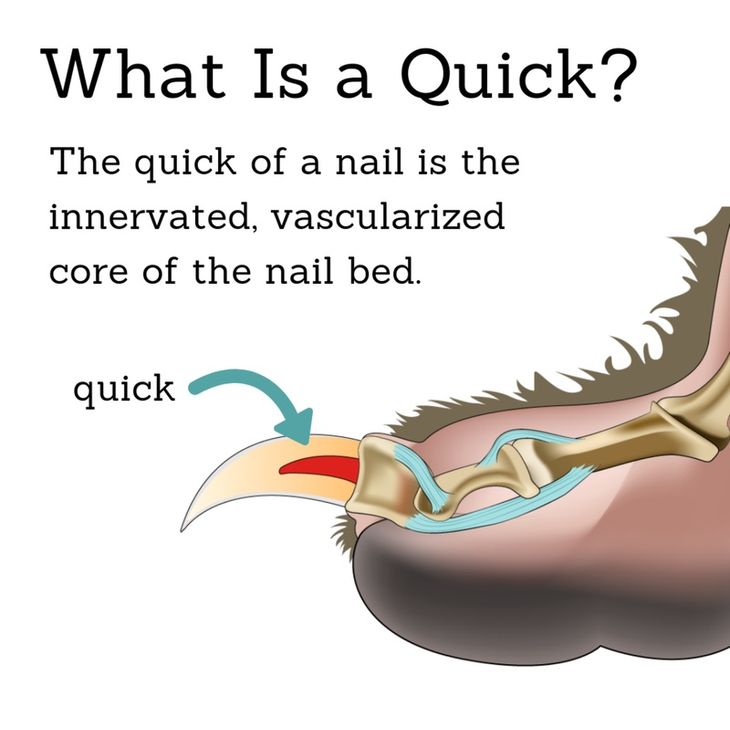
Canine claws are complex biological structures primarily constructed from a tough, fibrous protein called keratin, which is synthesized by specialized cells in the nail bed. This outer protective layer shields the highly sensitive inner anatomy, which includes the dog nail vein and active nerve endings known as the quick. Every dog grows these claws continuously to assist with traction, digging, and defense from the moment they are born. This evolutionary design ensures that the outer dead keratin cells protect the living, vascularized tissue underneath from infection and structural damage. When these claws become overgrown or brittle, it affects the dog’s posture and joint alignment, making proper maintenance a critical component of canine skeletal health. Understanding this cellular makeup explains why cutting too deep causes immediate pain and bleeding, as the tough outer shell acts as a living shield for the sensitive vascular core.
To keep these keratin shells strong and healthy, pet parents must implement a regular grooming routine that prevents overgrowth without damaging the sensitive inner structures. The safest method involves using modern rotary files instead of crushing tools, allowing you to gradually shave away the dead keratin at a precise 45-degree angle. By trimming small amounts every two to three weeks, the internal blood vessel will naturally recede, allowing you to maintain short, strong claws. If you want to handle this safely at home, the Zenpaw Maxpro Grinder provides painless, quiet filing — explore it here.
99-Day 100% Money-Back Guarantee
“Ever since we started using the Zenpaw Maxpro Grinder, it’s been such a peaceful experience. It’s very quiet, and my dog actually relaxes. It’s turned our stressful sessions into quick, quiet grooming times.”
— Sarah M. | ✔ Verified Customer
- ✓ Prevents Infection & Splitting
- ✓ Ideal for All Dog Sizes
- ✓ Low-Vibration Technology
- ✓ Fast 2-7 Days Delivery
Need Support? Call 302-307-1000
Understanding Canine Nail Anatomy: Where is the Quick?
To safely care for your dog’s paws, you must understand the dog nail anatomy composition.
Unlike human nails, which are flat and sit on top of the finger, a dog’s nail is circular and completely surrounds the toe bone.
The hard outer layer is composed of tough keratinized tissue that acts as a protective shield.
Inside this keratin shell lies the quick, which is a highly sensitive bundle of nerves and blood vessels.
This inner core is also referred to as the dog nail vein, and it supplies nutrients to the growing claw.
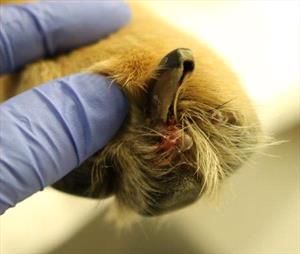
If you cut into this vascular area, it will cause sharp pain and significant bleeding.
For unexpected grooming accidents, keeping a specialized styptic agent like ppp nail safe styptic powder nearby is highly recommended by professional groomers.
Over time, neglected claws will allow the blood vessel to grow longer, making future trims much more difficult.
Regular maintenance with a gentle file encourages this internal vein to recede safely toward the paw.
Understanding these biological boundaries is the first step to successful home grooming.
The quick actually grows along with the outer keratin shell, adjusting to the length of the nail.
If the claws are left long, the quick will remain extended, making it difficult to achieve short claws in a single session.
Consistent filing is the only proven method to safely force the blood vessels to retreat over time.
The Keratin Structure of Pet Nails and How it Affects Shedding
The outer shell of a canine claw relies on the keratin structure of pet nails to maintain structural integrity.
Keratin is the same durable protein that makes up human hair, human nails, and animal horns.
In dogs, this protein is organized in dense, concentric layers that grow outward from the ungual crest of the toe bone.
As your dog walks on rough surfaces, the outer layers naturally wear down and shed to expose fresh, strong keratin underneath.
This natural shedding process can sometimes look like the nail is splitting or peeling.
However, if the underlying layers are weak, the claw can suffer from deep, painful cracks that reach the sensitive quick.
Brittle claws are often caused by environmental moisture, concrete friction, or nutritional deficiencies.
Recognizing the difference between healthy shedding and destructive splitting is key to maintaining paw health.
Using high-quality canine nail trimmers helps prevent structural cracks during grooming.
Properly filed nails have smooth edges that resist catching on carpets and split-inducing surfaces.
When keratin loses its natural moisture balance, the layers begin to separate and peel away.
This separation weakens the structural integrity of the entire claw, leaving it vulnerable to sudden breaks.
Regular filing seals the microscopic edge fibers, keeping the nail strong and unified.
Canine vs. Feline Claws: Structural and Functional Differences
Many pet owners mistakenly believe that dogs and cats have the exact same claw structure.
However, canine and feline claws serve vastly different biological purposes and are designed differently.
Cat claws are retractable and razor-sharp, designed primarily for catching prey and climbing trees.
Dog claws are non-retractable and serve as athletic cleats to provide traction and stability during movement.
While cats naturally shed their claw sheaths in complete outer layers, dogs must rely on physical wear or regular trimming.
Because dog nails are constantly exposed to the ground, their keratin structure of pet nails must be much thicker and more impact-resistant.
If a dog’s nails are allowed to grow too long, they can permanently alter the way the foot contacts the ground.
This functional difference makes routine filing even more critical for your canine companion than for a house cat.
Understanding these structural variations helps you appreciate the unique grooming needs of your dog.
While cats maintain their nails through vertical scratching behaviors, dogs rely entirely on external maintenance.
A dog’s nails are exposed to much higher mechanical loads due to their body weight and running patterns.
This constant stress requires a robust, thick biological structure that is highly resilient to splitting.
The Impact of Overgrown Keratin on Canine Posture and Joint Health
When a dog’s claws grow too long, the hard keratin pushes against the floor with every step.
This continuous upward pressure forces the toes to splay out or curl sideways to find relief.
As a result, the natural angle of the paw changes, which shifts the weight distribution across the entire leg.
This altered posture places unnatural strain on the ankles, knees, and hips.
Over time, this mechanical imbalance can lead to early-onset arthritis and severe joint pain.
In addition to joint issues, long claws make it difficult for your dog to walk on slippery surfaces without sliding.
Keeping the claws trimmed short ensures the paw pads can make proper contact with the ground.
Regular filing with a whisper-quiet tool prevents this progressive joint strain before it begins.
Protecting your dog’s posture is just as important as protecting them from the pain of a cut quick.
Many structural back issues in older dogs can be traced directly to years of neglected paw care.
By maintaining a natural foot angle, you allow your pet to run and play without spinal strain.
Short nails keep the skeletal system properly aligned and functioning exactly as nature intended.
Can Diet and Nutrition Strengthen Your Dog’s Brittle Claws?
Since claws are made of protein, your dog’s diet directly impacts their overall strength and quality.
If you notice dry, peeling, or easily broken nails, it may indicate a lack of essential nutrients in their diet.
Biotin, a vital B-vitamin, plays a massive role in supporting healthy keratin production within the body.
Omega-3 fatty acids, commonly found in high-quality fish oil, help maintain optimal moisture levels within the claw layers.
Zinc is another essential mineral that assists with cellular repair and prevents nail bed infections.
Adding high-quality proteins to your dog’s meals ensures they have the amino acids needed to build durable claws.
You should always consult your family veterinarian before introducing new supplements to your pet’s routine.
Based on grooming feedback from over 18,587+ Zenpaw users, nutritional support combined with low-impact filing yields the best results.
A holistic approach that addresses both diet and physical care is the ultimate key to strong, beautiful nails.
Nutritional deficiencies will often show up in the claws long before they affect your dog’s coat or skin.
Fueling your pet with proper nutrients provides the biological building blocks required for resilient keratin.
How to Safely Groom Your Dog’s Nails at Home Without Pain
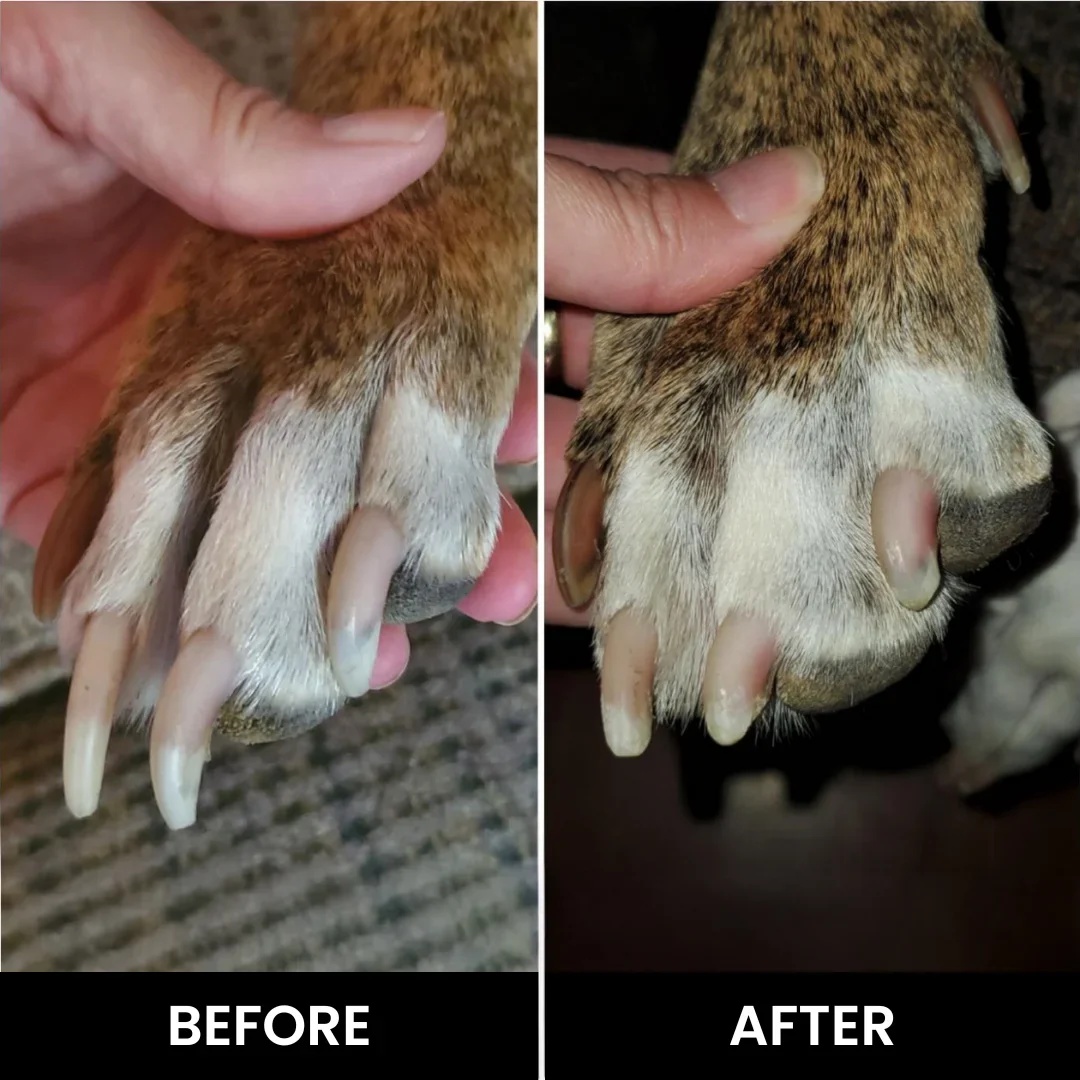
Trimming your dog’s claws does not have to be a stressful battle of wills.
The key to success is gradual desensitization and using the right equipment.
Traditional metal clippers can violently squeeze and shatter the delicate keratin layers.
Instead, transitioning to a rotary file like the Zenpaw Maxpro Grinder provides a much gentler experience.
Let’s look at the exact step-by-step process our team uses to introduce this tool to anxious dogs.
First, let your dog inspect the turned-off grinder while rewarding them with high-value treats.
Next, turn the device on so they can get used to the sound of our whisper-quiet motor, which operates under 40dB.
Once they are relaxed, gently touch the vibrating body of the grinder to their leg or paw without filing.
When they remain calm during this step, you can begin filing a single nail for just one to two seconds.
Always hold the grinder at a precise 45-degree angle to match the natural curve of the claw.
Work in short, sweeping motions rather than holding the file in one spot to prevent heat buildup.
Reward your dog after every single nail to build a positive association with paw care.
This gradual, systematic approach ensures your pet remains relaxed and cooperative throughout the session.
Over time, your dog will learn that grooming sessions mean delicious treats and gentle pampering.
You will save money on vet visits while building a deeper bond of trust with your pet.
Remember to keep sessions short in the beginning to avoid overwhelming your companion.
If your dog shows signs of stress, stop immediately and try again the following day.
Patience and consistency will always yield the best long-term results for both of you.
The Real Danger of Traditional Clippers Crushing the Quick
Many pet owners default to using standard dog clippers for nails because they are widely available.
However, these scissor-like tools apply immense pressure from both sides to cut through the hard keratin.
This blunt crushing force can easily splinter brittle nails and cause micro-fractures along the claw shaft.
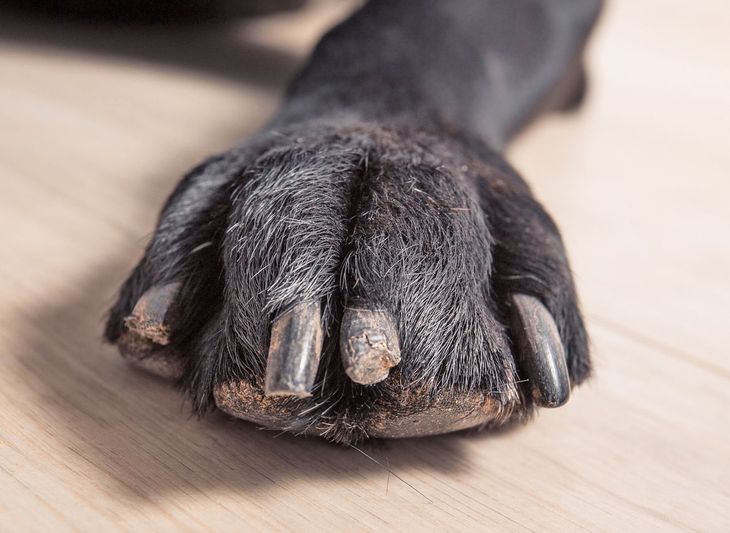
If your dog has dark claws, it is nearly impossible to see where the internal blood vessel begins.
A single slip can lead to a painful cut, creating a lasting fear of grooming in your dog’s mind.
Furthermore, a jagged or split nail edge can catch on carpets or blankets, leading to painful tears later.
You might wonder, is dog nail scratch dangerous to humans or other pets if the nails are left sharp?
Yes, rough, jagged nails can easily break human skin and introduce harmful bacteria, causing painful infections.
Grinding eliminates this risk by creating smooth, rounded tips that will not scratch your hardwood floors or your skin.
The Zenpaw Maxpro Grinder allows for micro-adjustments, ensuring you never accidentally clip the sensitive vein.
Taking your time and using a progressive filing method is the most responsible way to handle nail maintenance.
Your dog deserves a grooming experience that respects their anatomy and emotional well-being.
Using a blunt tool is simply not worth the risk of damaging your pet’s trust.
Smooth, ground claws also prevent your dog from accidentally scratching themselves during daily play.
Investing in proper care tools is a small price to pay for your companion’s safety and comfort.
Frequently Asked Questions About Dog Nail Health
Is the Zenpaw Grinder safe for large dogs?
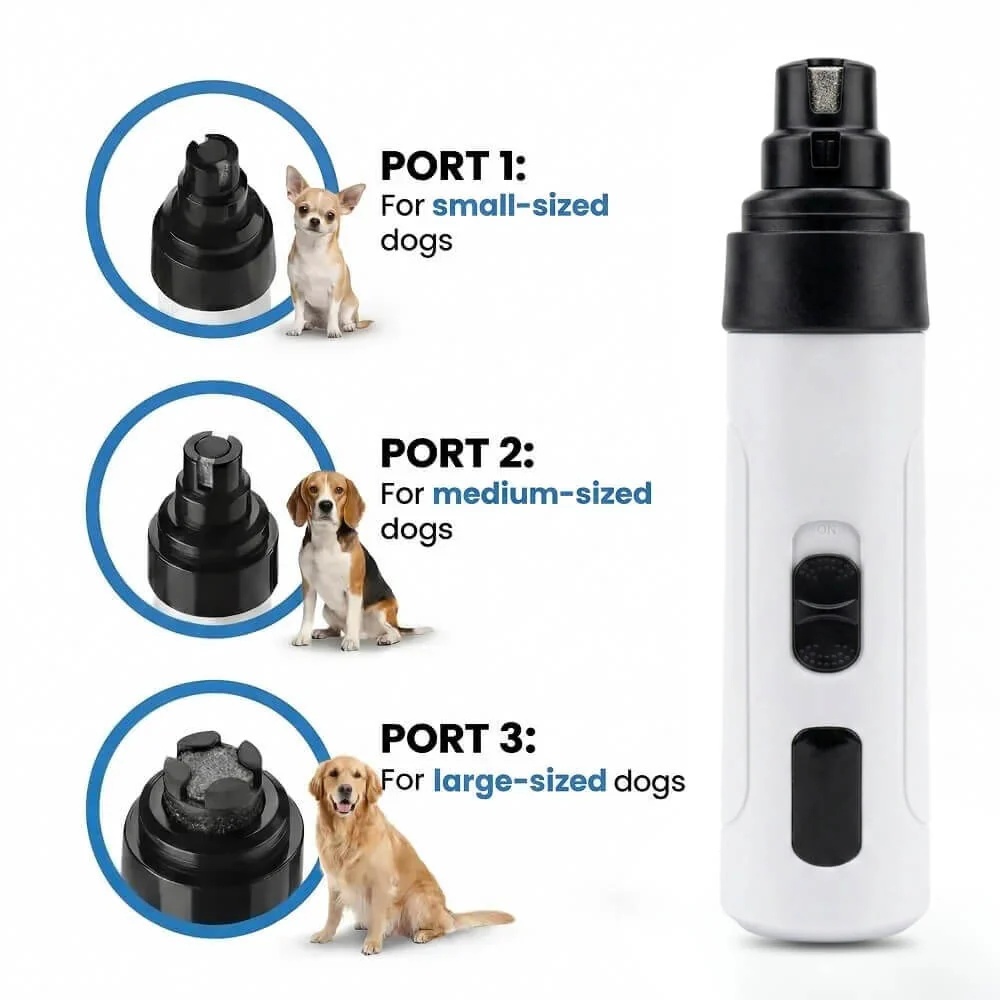
Yes, our advanced grinder features three custom ports designed to accommodate dogs of all sizes.
The small and medium ports are perfect for precision work on smaller breeds or puppies.
The wide-open port is engineered to handle thick, heavy claws on large breeds like Labradors or Great Danes.
How long does the grinder battery last on a single charge?
The Zenpaw Maxpro Grinder is equipped with a high-capacity rechargeable battery.
It provides up to 7 hours of continuous grooming power on a single charge.
This allows you to complete multiple grooming sessions without worrying about the device dying mid-trim.
Which speed setting is best for trimming thick canine claws?
We recommend starting on the low-speed setting to get your dog comfortable with the vibration.
Once your dog is relaxed, you can switch to the high-speed setting for faster filing on thick claws.
The dual-speed control allows you to customize the process to match your dog’s comfort levels.
Does the grinding head get hot during extended grooming sessions?
Traditional high-speed rotary tools can generate intense friction heat that burns the nail.
Our custom-engineered grinding wheels utilize advanced low-heat technology to minimize friction.
However, we still recommend moving from nail to nail to ensure the claw stays completely cool.
What should I do if I accidentally cause a nail to bleed?
First, try to remain completely calm so you do not transfer your anxiety to your pet.
Immediately apply a small amount of ppp nail safe styptic powder to the tip of the bleeding nail.
Apply gentle upward pressure for about thirty seconds until the bleeding stops completely.
Comfort your dog with gentle praise and high-value treats to help them recover from the startle.
Why do my dog’s nails look white inside when filing?
As you file down the nail, you will notice the dry, chalky white keratin layers on the outer edge.
When you get closer to the quick, the core will start to look darker, softer, or slightly pinkish.
This visual change is your cue to stop filing that particular nail to avoid hurting your dog.
How often should I grind my dog’s nails?
For most active dogs, a light grinding session every two to three weeks is ideal.
If your dog spends most of their time on soft indoor surfaces, they may require weekly touch-ups.
Regular maintenance ensures the sensitive quick stays retracted and the nails remain short and strong.
Conclusion: Your Stress-Free Grooming Journey Starts Here
Keeping claws strong and healthy starts with understanding their biological structure. Switched to our whisper-quiet grinder, you protect the sensitive quick while preventing painful splits. Ready to transform nail trimming from a battle into a breeze? Explore the Zenpaw Maxpro 3-in-1 Grinder. Call: 302-307-1000 — our team is here to help with grooming questions.
Note: Individual results may vary depending on individual dog breeds, nail thickness, and behavioral temperaments. This article is intended for general pet grooming reference purposes only and does not replace professional veterinary advice.