
I still remember the sheer panic of seeing my sweet retriever suddenly lose multiple claws without any warning or injury. I spent weeks trying to understand why her nails were dry, splitting, and falling off, feeling completely helpless as she whimpered in pain during every trim. It was this heartbreaking struggle with slo dog nails that led our team to develop a pain-free, calming alternative to traditional grooming tools, protecting sensitive paws when they need it most.
Maxpro 3-in-1 Grinder.
Stress-Free Nail Trimming.
Whisper-quiet DC motor (<40 dB) eliminates fear & discomfort. Features 3 ports, dual speeds, and 7-hour battery life. Safe, precise, and painless.
In This Article
- Demystifying SLO: Learn what causes symmetric lupoid onychodystrophy in dogs and how it targets the claws.
- Recognizing Critical Symptoms: Spot the early indicators before your dog loses multiple nails.
- Veterinary Diagnostics & Care: Explore medication regimens, nutritional therapies, and lifestyle modifications.
- Stress-Free Nail Grooming: Discover safe filing methods using the Zenpaw Maxpro Grinder to avoid painful nail splits.
What Is the Truth About SLO Dog Nails? Expert Insights and Essential Home Care
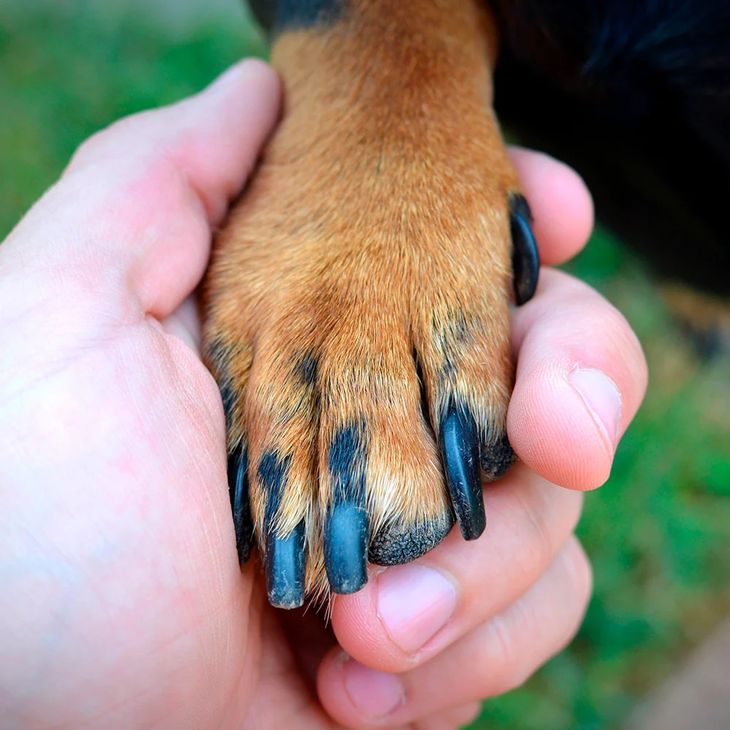
Symmetric Lupoid Onychodystrophy, or SLO, is a challenging autoimmune condition that selectively attacks a dog’s nail beds.
This disorder is primarily characterized by the sudden, painful loss of multiple claws across different paws without any clear physical trauma.
Veterinary researchers have found that the disease causes the dog’s immune system to mistakenly target the cells responsible for producing new claw material.
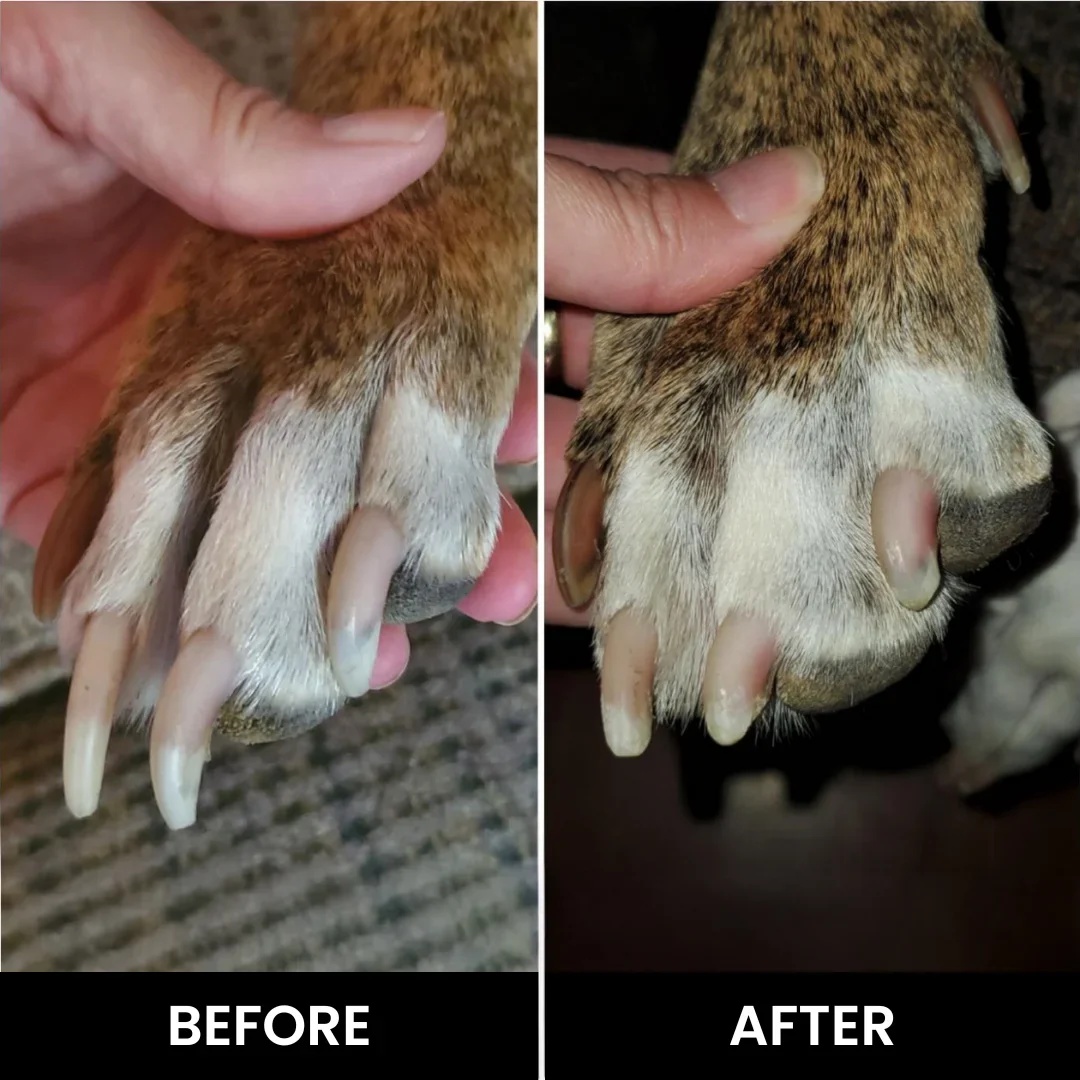
This autoimmune reaction leads to severe inflammation, causing the outer shell of the claw to separate from the sensitive underlying quick.
Young to middle-aged dogs are most frequently diagnosed with this condition, and breeds like German Shepherds, Gordon Setters, and Bearded Collies show a higher genetic predisposition.
Owners typically observe their pet licking their paws excessively, limping during walks, or crying out when their feet are touched.
Understanding these signs early is crucial because untreated claw disease can lead to chronic infections, permanent claw deformities, and severe behavioral stress.
To help your dog recover, you must combine professional veterinary treatments with a highly specialized, ultra-gentle home care routine.
A typical veterinary therapeutic plan incorporates high doses of essential fatty acids, niacinamide, and sometimes specific immunomodulatory antibiotics like tetracycline.
Additionally, you must maintain a pristine hygiene routine to ensure secondary bacterial or fungal infections do not invade the raw, exposed nail beds.
Trimming the remaining compromised nails requires extreme caution, as traditional pressure-style clippers can easily shatter brittle nails and cause intense pain.
Using a quiet, low-vibration filing tool allows you to safely smooth out sharp edges without putting traumatic pressure on the inflamed claw matrix.
If you want to handle this safely at home, the Zenpaw Maxpro Grinder provides painless, quiet filing — explore it here.
99-Day 100% Money-Back Guarantee
“Ever since we started using the Zenpaw Maxpro Grinder, it’s been such a peaceful experience. It’s very quiet, and my dog actually relaxes. It’s turned our stressful sessions into quick, quiet grooming times.”
— Sarah M. | ✔ Verified Customer
- ✓ Prevents Infection & Splitting
- ✓ Ideal for All Dog Sizes
- ✓ Low-Vibration Technology
- ✓ Fast 2-7 Days Delivery
Need Support? Call 302-307-1000
Understanding Canine Lupoid Onychodystrophy Symptoms and Nail Anatomy
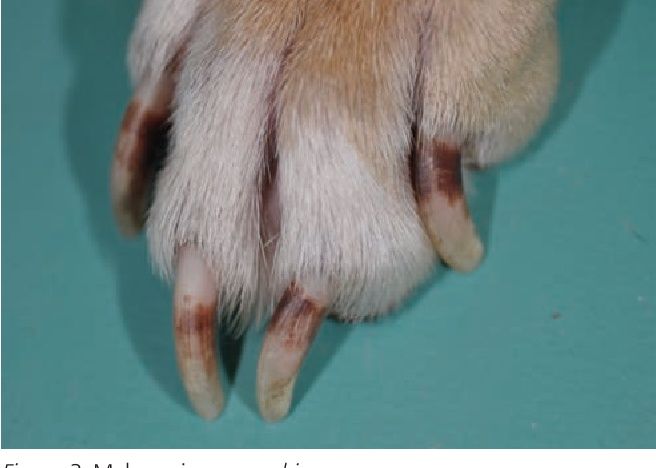
To truly understand how canine lupoid onychodystrophy symptoms develop, we must examine the unique anatomy of a dog’s claw.
The canine claw consists of an outer shell made of hard keratin, which surrounds and protects the sensitive inner quick.
The quick is highly vascularized, packed with nerves, and directly connected to the distal phalanx bone of the toe.
At the base of the claw lies the nail matrix, which is the specialized tissue responsible for producing keratin.
In a healthy dog, this matrix constantly generates new cells, dictating how fast do dog nails grow over time.
When SLO strikes, the immune system launches an inappropriate inflammatory attack directly against this delicate nail matrix.
This localized autoimmune reaction causes the keratin structure to weaken, warp, and detach from the tissue below.
As the bond between the keratin outer shell and the quick disintegrates, the nail begins to lift from the bed.
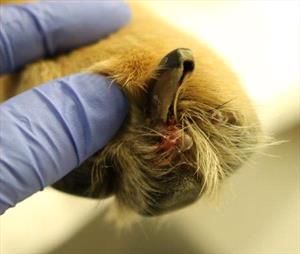
This separation is highly painful, as the nerve-rich quick is left raw, exposed, and vulnerable to external pressure.
As a result, even light contact with the ground can cause the compromised claw to split, bleed, or tear away completely.
The disease typically progresses symmetrically, meaning it eventually affects multiple claws on all four paws.
This systematic shedding of nails differentiates SLO from simple physical injuries or isolated localized infections.
Managing this anatomy requires a complete shift in how you handle regular paw care and hygiene.
You must completely avoid tools that squeeze or pinch the outer keratin wall, as this can cause the entire claw to collapse.
Our team at Zenpaw recommends using controlled, high-speed micro-abrasion to gently file down the dry, crumbling edges of the nail.
This technique prevents structural vibrations from traveling up the nail shaft, keeping your dog comfortable during grooming sessions.
The Scientific Diagnosis Behind Symmetric Lupoid Onychodystrophy Dogs
Diagnosing symmetric lupoid onychodystrophy dogs requires a methodical veterinary approach to rule out other common diseases.
Many conditions can mimic the early stages of SLO, including aggressive fungal infections, severe bacterial pododermatitis, and systemic allergies.
A veterinarian will start by examining your dog’s complete medical history to see if the claw loss is truly symmetrical.
They will typically perform skin scrapings and cytological tests to check for active yeast or bacterial overgrowth around the claw folds.
While these secondary infections are common in SLO patients, they are usually a consequence of the disease rather than the root cause.
The only definitive way to diagnose SLO is through a biopsy of an affected claw, which requires removing an entire toe joint under anesthesia.
Because this procedure is highly invasive, many veterinarians prefer to make a presumptive diagnosis based on physical symptoms and breed history.
If the dog shows symmetrical claw loss without other systemic skin lesions, vets will often initiate a trial treatment protocol immediately.
This trial therapy typically involves a combination of high-dose Omega-3 fatty acids, vitamin E, and immunosuppressive medications.
If the dog’s claw quality begins to improve over several months, it strongly confirms the presumptive diagnosis of SLO.
During this recovery period, the newly growing nails are incredibly fragile and require intensive protective care.
If your dog suffers a sudden tear during this delicate phase, you will need to apply a safe dog nail injury treatment at home to stop any bleeding.
Keeping a sterile styptic powder on hand and avoiding rough terrains can prevent these painful setbacks from occurring.
Additionally, you must adjust your home grooming frequency to keep the compromised nails as short and smooth as possible.
Shorter nails are far less likely to snag on household fabrics, preventing the traumatic leverage that rips the healing claw away.
Practical Care Guide: Stress-Free Paw Maintenance for SLO Nails
Caring for a dog with active SLO requires a highly structured, patient, and incredibly gentle approach to paw maintenance.
Because their nail beds are constantly inflamed, these dogs quickly develop severe grooming anxiety and foot sensitivity.
To overcome this fear, you must implement a gradual desensitization process before attempting any actual nail filing.
Start by simply sitting with your dog, gently touching their legs, and rewarding them with high-value treats for remaining calm.
Once they accept paw handling, introduce a high-quality silent dog nail grinder to the environment without touching it to their nails.
Allow them to listen to the quiet hum of the motor while enjoying rewards, helping them associate the sound with positive experiences.
The whisper-quiet operation of our Zenpaw Maxpro Grinder, running at under 40 decibels, is specifically designed to prevent triggering this fear response.
When your dog is completely relaxed, you can begin the physical filing process using a highly precise, low-impact technique.
Hold your dog’s paw securely but gently, isolating a single toe between your fingers to prevent excess movement.
Always hold the grinding head at a precise 45-degree angle relative to the natural growth curve of the nail.
Apply extremely light, brief touches of the grinder to the tip of the nail, lasting no more than one to two seconds per touch.
This pulsing technique prevents friction heat from building up, which could otherwise cause intense pain to the sensitive inner quick.
Focus entirely on smoothing away the sharp, ragged edges of the outer keratin shell to prevent snagging on carpets.
Never attempt to grind deeply into the nail structure, especially if the quick is already exposed or inflamed from disease.
By keeping the filing sessions short and positive, you can successfully maintain paw health without causing emotional or physical trauma.
Common Pitfalls in Managing Brittle and Diseased Dog Nails
One of the most dangerous mistakes an owner can make is using traditional, scissor-style clippers on a dog suffering from SLO.
Traditional clippers work by applying immense crushing force to the outer walls of the keratin nail shell until it cuts through.
On a healthy dog, this pressure is briefly uncomfortable, but on a brittle SLO nail, it can cause the entire structure to shatter.
This shattering action can split the nail vertically all the way up into the raw, infected nail bed, causing excruciating pain.
Furthermore, the sudden shockwave of pressure can trigger a severe panic response, destroying any trust you have built with your pet.
Another common mistake is neglecting regular nail maintenance due to a fear of hurting the dog during grooming sessions.
When diseased nails are allowed to grow too long, they begin to curve, putting constant upward pressure on the inflamed joint.
This makes walking incredibly painful and can lead to compensatory joint issues and permanent postural damage over time.
Some owners seek professional help but are shocked by the cumulative cost of frequent walk in dog nail trimming prices at specialized veterinary clinics.
Taking control of this process at home with the right tools not only saves money but also minimizes the stress of frequent clinic visits.
Additionally, some owners try to cosmetically mask dry or damaged claws using commercial dog nail polish pens to make the paws look healthier.
For dogs diagnosed with active SLO, applying chemical formulas to compromised claws is highly discouraged by veterinary experts.
These cosmetic products can trap moisture and harmful bacteria against the raw nail bed, severely worsening secondary infections.
Instead, focus entirely on medical hygiene, proper nutritional support, and gentle mechanical filing to restore the natural integrity of the paw.
The Zenpaw Maxpro Grinder allows you to make microscopic adjustments to the nail length safely, preventing splits before they can start.
Comparison: Traditional Clippers vs. Zenpaw Maxpro Grinder for Sensitive Paws
Choosing the correct tool is vital when dealing with compromised, brittle claws.
| Grooming Feature | Traditional Scissor Clippers | Zenpaw Maxpro 3-in-1 Grinder |
|---|---|---|
| Action Mechanism | Applies crushing force to cut through the keratin shell | Uses high-speed micro-abrasion to smoothly file down claws |
| Risk of Splitting Brittle Nails | Extremely high; often shatters dry or diseased claws | Virtually zero; gently rounds off rough edges |
| Noise and Vibration | Silent but produces a sudden, startling physical snap | Whisper-quiet (under 40dB) with minimal vibration |
| Quick Protection | Blind cut; very easy to accidentally clip the sensitive quick | Allows gradual, highly visible filing to avoid the quick |
Frequently Asked Questions (FAQ)
Is the Zenpaw Grinder safe for large dogs?
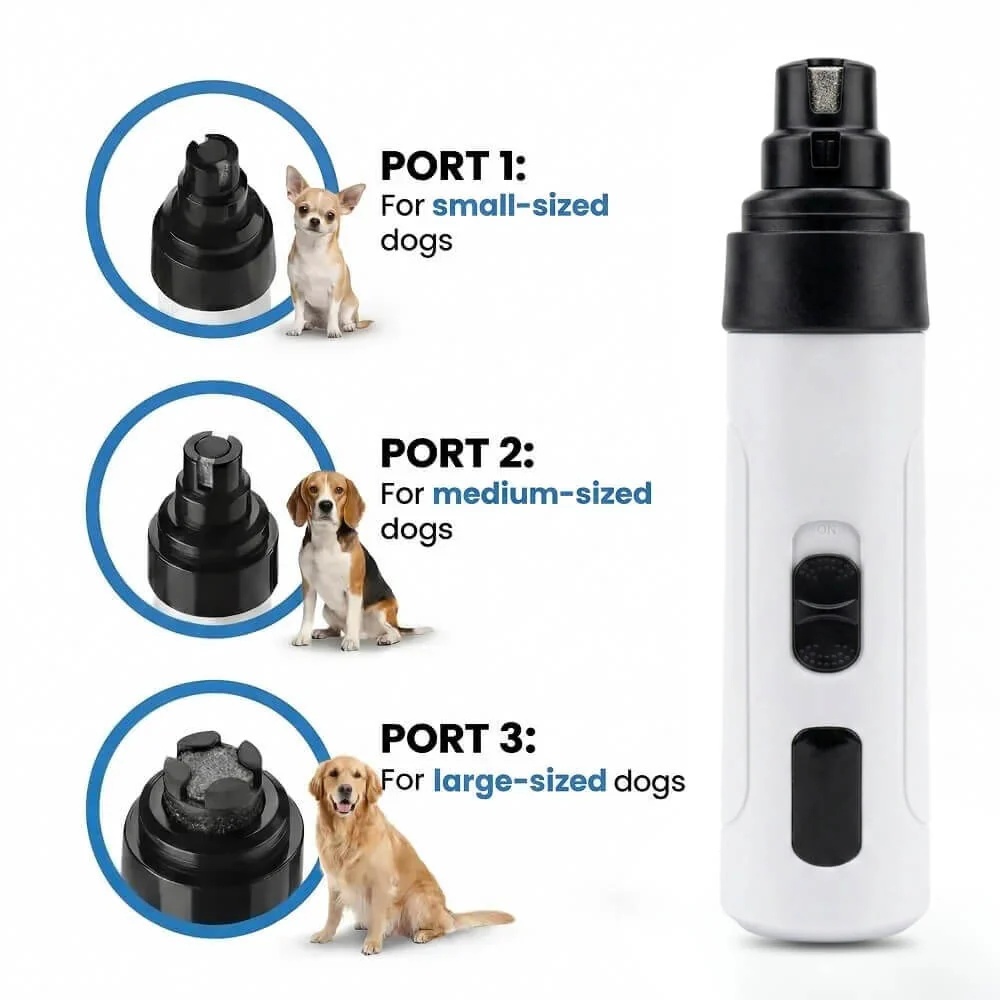
Yes, the Zenpaw Maxpro Grinder is fully equipped with three customized grinding ports to accommodate all dog sizes and breeds.
The small and medium ports are perfect for detailed work on delicate claws, while the wide-open port handles thick nails easily.
This versatility makes it an ideal tool for households with multiple dogs, ensuring safe and painless grooming for everyone.
How long does the battery last on a single charge?
The Zenpaw Maxpro features an advanced, rechargeable battery that delivers up to seven hours of continuous grooming power.
It charges conveniently via any standard USB port, allowing you to groom your pet anywhere without dealing with tangled cords.
This extended battery life ensures the tool is always ready when you need to perform quick, stress-free touch-ups.
Which speed setting is best for grooming sensitive paws?
We recommend starting on the low-speed setting when working with highly sensitive paws or anxious dogs.
The lower speed minimizes vibration and noise, helping your dog remain calm and cooperative throughout the process.
Once your dog is comfortable, you can switch to the high-speed setting for faster filing on thicker, healthy claws.
Does the grinding head get hot during operation?
The Zenpaw Maxpro utilizes advanced low-heat technology to prevent the grinding head from overheating during use.
However, we always recommend using brief, gentle touches of one to two seconds to prevent any localized friction heat.
This simple technique ensures the grooming experience remains completely comfortable and pain-free for your pet.
Conclusion
Nurturing a pet with delicate paw conditions requires patience, love, and the proper supportive tools.
By pairing professional veterinary advice with our gentle grooming methods, you can guide your dog back to pain-free adventures.
Ready to transform nail trimming from a battle into a breeze? Explore the Zenpaw Maxpro 3-in-1 Grinder. Call: 302-307-1000 — our team can help you advise on the best grooming practices and help with any product questions.
Note: Individual results may vary depending on individual dog breeds, nail thickness, and behavioral temperaments. This article is intended for general pet grooming reference purposes only and does not replace professional veterinary advice.