
For years, I dreaded Sunday afternoons because they meant wrestling with my golden retriever, Bailey, just to trim his rock-hard claws. I tried everything to avoid clipping his quick, even wondering if soaking dog nails before cutting would make the terrifying ordeal easier. That is when I discovered how proper hydration transforms tough keratin, and eventually, how pairing a gentle soak with the whisper-quiet Zenpaw Maxpro 3-in-1 Grinder turned our weekly battle into a calm, painless bonding experience.
Maxpro 3-in-1 Grinder.
Stress-Free Nail Trimming.
Whisper-quiet DC motor (<40 dB) eliminates fear & discomfort. Features 3 ports, dual speeds, and 7-hour battery life. Safe, precise, and painless.
In This Article
- The Hydration Method: Learn how soaking dog nails before cutting physically softens thick, brittle keratin fibers.
- Anatomical Benefits: Understand how water makes the quick more visible and reduces dangerous splitting risks.
- Step-by-Step Grooming: Master a safe, veterinarian-approved protocol for bathing and trimming anxious dogs.
- Stress-Free Tools: Discover why professional groomers are switching from loud clippers to whisper-quiet grinding files.
How to Soften and Trim Tough Dog Nails: A Step-by-Step Guide
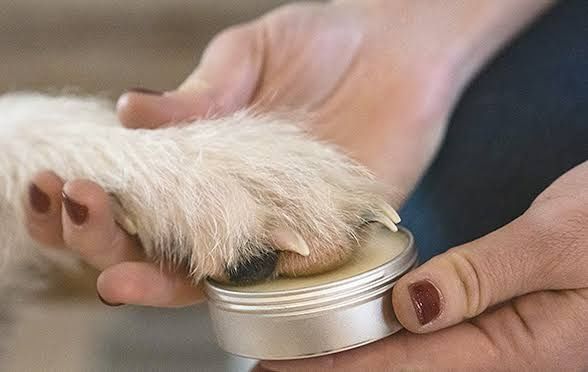
Prerequisites & Grooming Setup
To safely perform a paw soak, you must first gather a few essential supplies.
You will need a shallow plastic basin, warm tap water, clean micro-fiber towels, and high-value training rewards.
Most importantly, you need a high-quality, quiet filing tool to safely shorten the hydrated claws.
Having a safe styptic powder on hand is also recommended in case you accidentally nick the blood vessel.
-
Step 1: Prep the Warm Water Soak
Fill your shallow basin or bath tub with two to three inches of clean, lukewarm water.
Ensure the water temperature is comfortable and warm to the touch, but never hot.
Canine paw pads are highly sensitive and can easily burn if the water is too hot.
You may add a single drop of organic lavender dog shampoo to promote natural relaxation.
Place a non-slip rubber mat inside the basin to help your dog feel secure and stable.
-
Step 2: Gently Submerge the Paws
Guide your canine companion toward the water basin with a calm, reassuring voice.
Slowly lower their paws into the water, ensuring the liquid just covers the tops of the claws.
Allow the claws to absorb the moisture for exactly five to ten minutes.
This duration is the optimal window to fully soften dog nails before cutting without over-saturating the skin.
If your pet resists standing in water, wrap their paws in warm, dripping wet washcloths instead.
-
Step 3: Towel Dry and Inspect the Nails
Lift each paw from the warm basin one by one and wrap it in a dry microfiber towel.
Thoroughly pat the area dry, paying close attention to the spaces between the toe pads.
Leaving moisture trapped between the toes can create a breeding ground for yeast infections.
Inspect the nails carefully to feel how much the thick outer shell has softened.
The hydrated claws should now feel noticeably more flexible and significantly less brittle.
-
Step 4: Locate the Sensitive Inner Quick
Position your dog under strong, direct lighting to ensure maximum visibility of the paw anatomy.
For clear nails, locate the pinkish inner tube running down the center of the structure.
For dark or black nails, inspect the very tip to find a small, dark circular point.
Always keep your styptic agent close by, such as silver nitrate for cut dog nails, just in case of an accident.
Never rush this stage of inspection, as identifying the quick prevents painful grooming injuries.
-
Step 5: Trim or Grind the Softened Claw
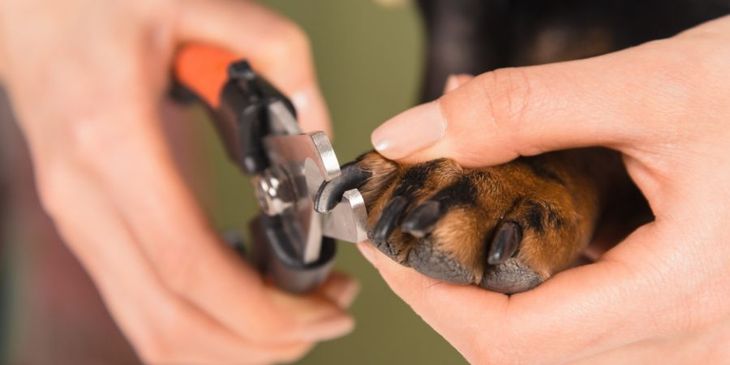
Hold the paw firmly but gently, separating the target toe from the rest of the foot.
Angle your grinding tool or clipper at a precise 45-degree angle to match the nail’s natural curve.
Filing in short, gentle bursts of two to three seconds prevents friction-induced heat from bothering your pet.
If you use a clipper and make a mistake, keep in mind that if a dog nail cut too short keeps bleeding, you must apply constant pressure.
Conclude the grooming session by applying a soothing, pet-safe moisturizing balm to the paw pads.
Enhancing Your Paw Care Routine
To make this physical softening process truly effortless, we recommend pairing the water soak with our specialized filing technology.
The Zenpaw Maxpro 3-in-1 Grinder utilizes a whisper-quiet motor that operates under 40 decibels to eliminate canine fear.
Our diamond-bit rotary head glides smoothly across hydrated nails, filing them down without the jarring crush of traditional metal clippers.
You can discover how simple home grooming can be by visiting the Zenpaw Maxpro 3-in-1 Grinder store page to upgrade your pet care kit today.
99-Day 100% Money-Back Guarantee
“Ever since we started using the Zenpaw Maxpro Grinder, it’s been such a peaceful experience. It’s very quiet, and my dog actually relaxes. It’s turned our stressful sessions into quick, quiet grooming times.”
— Sarah M. | ✔ Verified Customer
- ✓ Prevents Infection & Splitting
- ✓ Ideal for All Dog Sizes
- ✓ Low-Vibration Technology
- ✓ Fast 2-7 Days Delivery
Need Support? Call 302-307-1000
Understanding Canine Nail Anatomy: The Science of Soaking Dog Nails Before Cutting
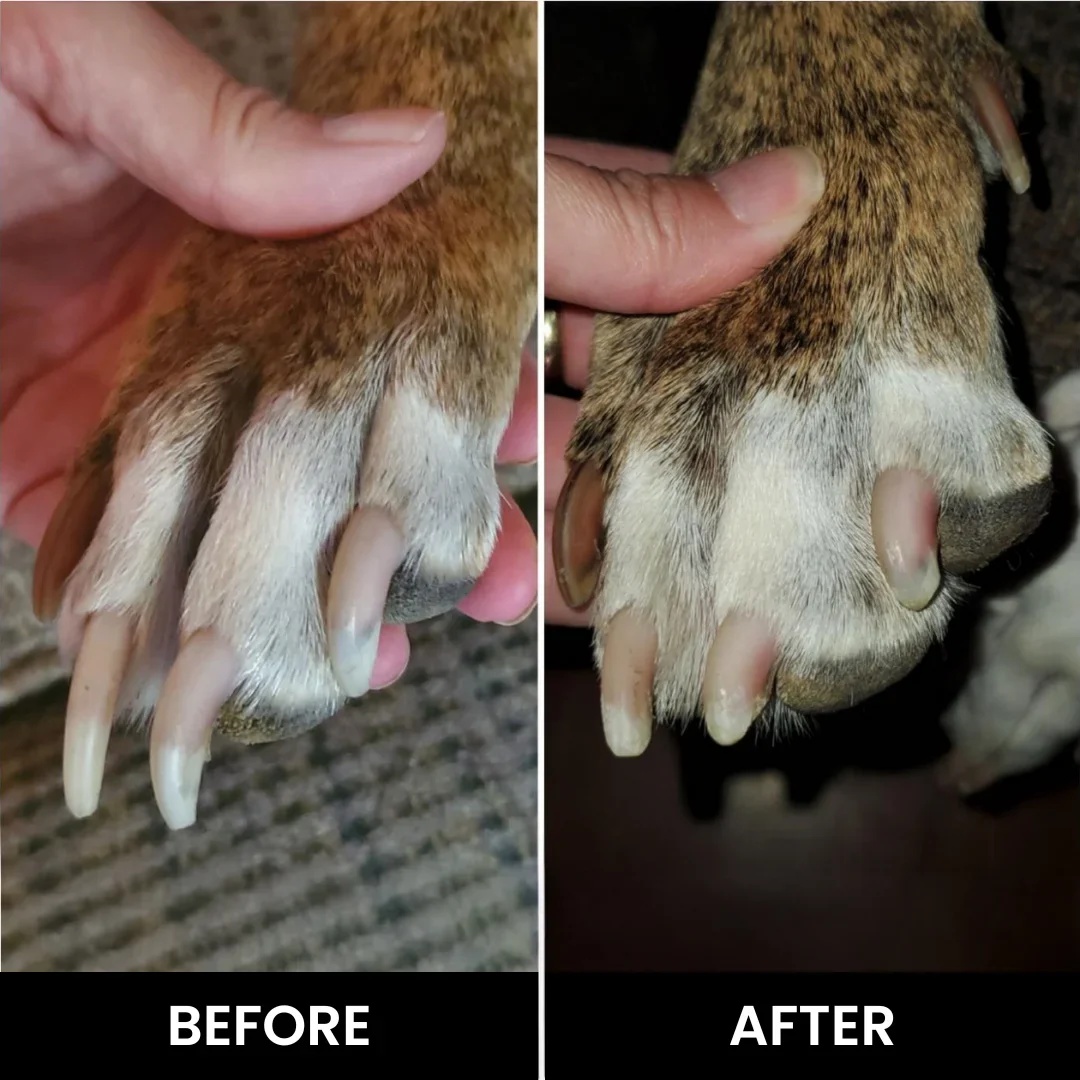
To grasp why water exposure makes nail grooming much easier, we must analyze the biological makeup of a canine claw.
A dog’s nail is composed of an outer structural layer consisting of dense, fibrous proteins called keratin.
This hard, protective shell shields the delicate living inner core, which houses active blood vessels and sensitive nerves.
When claws are dry, these tightly bound keratin structures are incredibly rigid and resistant to physical cutting forces.
Attempting to cut through dry, brittle claws with standard hand tools creates immense crushing pressure on the nailbed.
This pressure can squeeze the nerve-rich quick, causing intense discomfort before the blade even finishes slicing.
By soaking dog nails before cutting, you introduce vital moisture molecules deep into the porous keratin matrix.
The absorbed water naturally expands the microscopic spaces between the fibers, temporarily reducing their rigid hardness.
This hydration reaction results in a much softer, more pliable claw surface that yields easily to gentle filing.
Furthermore, hydrated nails are significantly more translucent, making it much easier to spot the pink quick inside.
Professional groomers frequently use this simple physical science trick to safely process overgrown claws on senior animals.
For highly active or working dogs, some pet owners also utilize a dog sandbox to file nails as a fun, physical alternative.
The Truth About Bath Time: Will Putting Your Dog in a Warm Bath Soften Nails to Cut?
A very common question among pet owners is: will putting dog in warm bath soften nails to cut?
The straightforward answer is yes, a standard bath is an excellent and natural way to prepare dry claws for trimming.
When a dog stands or bathes in warm soapy water, their feet remain fully submerged for a sustained period.
This continuous immersion naturally hydrates the thickest areas of the nail without requiring a separate soaking step.
Baths also help wash away stubborn dirt and debris, giving you a completely clean field of view for the trim.
Furthermore, the soothing heat of a bath naturally relaxes stiff joints and calms overall canine nervous system activity.
Once you dry your dog off, you have a golden window of roughly ten to fifteen minutes before the nails dry out again.
Always perform your trimming during this brief window while the keratin fibers remain highly saturated and soft.
Avoid applying harsh aesthetic chemicals to their paws prior to bathing, such as dog nail polish remover, which can strip protective moisture.
For specialized cases involving extreme medical anxiety, veterinary hospitals sometimes recommend advanced laser dog nail cutting techniques.
Practical Application: Stress-Free Desensitization and Painless Grinding
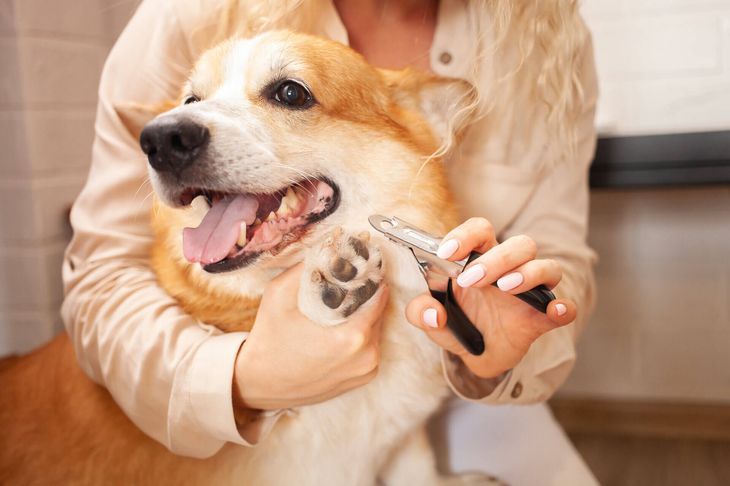
Even with perfectly softened nails, a fearful dog will still struggle and resist if they are afraid of the grooming process.
This is why our wellness experts emphasize the power of positive behavioral training and slow tool desensitization.
Begin by letting your dog sniff the filing tool while it is completely powered off, rewarding them with high-value treats.
Next, turn the device on at a safe distance so they can adjust to the low hum without feeling threatened.
Our whisper-quiet Zenpaw Maxpro 3-in-1 Grinder operates under 40 decibels, making this auditory adjustment incredibly easy.
Once your pet displays calm body language, gently press the vibrating body of the tool against their shoulder or leg.
When actually filing the claw, always hold the rotating head at a precise 45-degree angle to the nail tip.
This angle allows you to gently smooth away the rough outer edges while keeping a safe distance from the sensitive quick.
Work on each individual claw for no more than three seconds at a time to prevent friction heat from building up.
The low-vibration engineering of the Zenpaw Maxpro ensures your dog feels only a mild, tickling sensation rather than pain.
Overcoming Risks and Common Trimming Pitfalls
The single most dangerous grooming mistake is using old, dull clippers that crush rather than slice the nail.
Dull blades put intense lateral pressure on the claw, causing it to crack and split upward into the live tissue.
Even when you soak dog nails before cutting, a physical clipper can still tear through soft layers unevenly.
Switching to a high-precision rotary grinder completely eliminates the painful risk of splintering or crushing.
A professional grinder gently wears away the hydrated keratin micro-layer by micro-layer with absolute control.
This granular control allows you to monitor the nail tip closely and stop filing the instant the pale quick spot appears.
Another common pitfall is rushing through the process and ignore your dog’s subtle warning signs of stress.
Always take frequent breaks, offer fresh water, and allow your pet to dictate the overall pace of the grooming session.
Frequently Asked Questions (FAQ)
Explore the answers to the most common questions pet parents ask about using our advanced grooming systems.
Is the Zenpaw Grinder safe for large dogs?
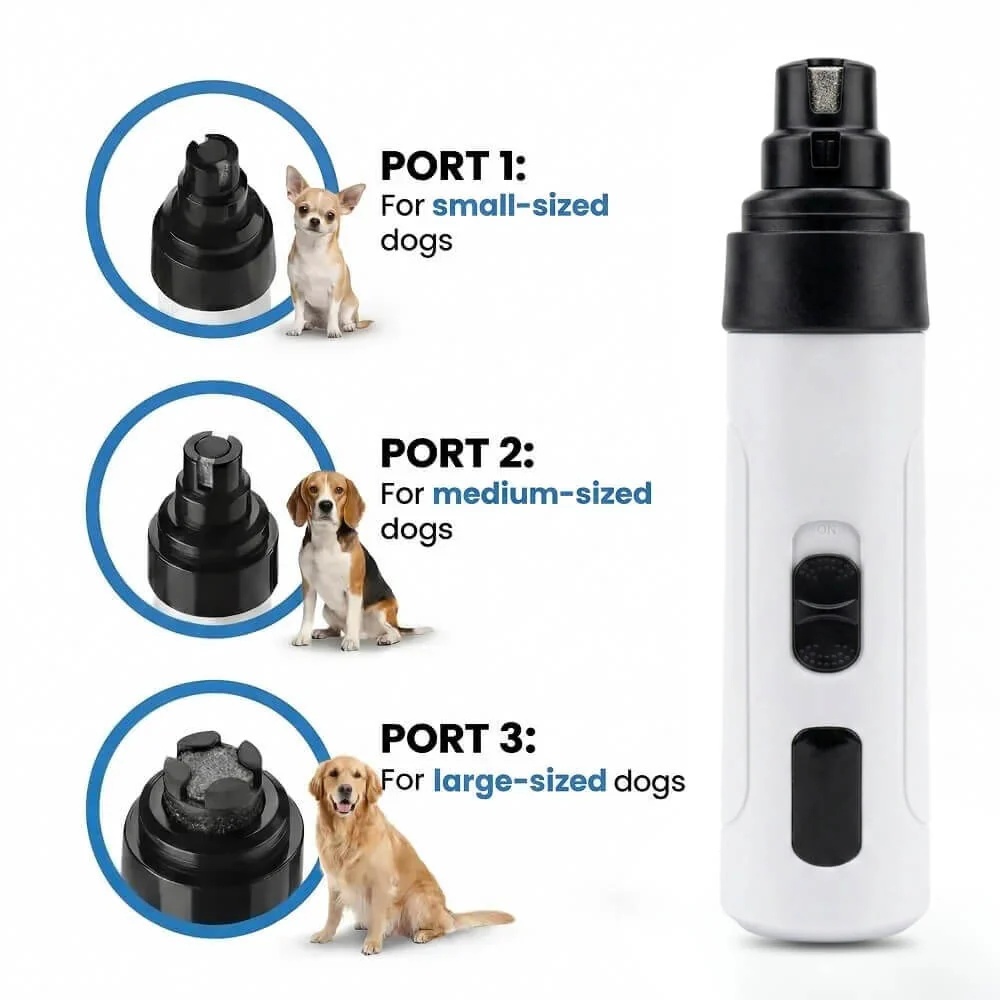
Yes, the Zenpaw Maxpro is engineered with a high-torque motor and three distinct port sizes to handle all breeds.
The smallest port is ideal for tiny puppies, while the wide-open port easily files down thick claws on giant breeds.
It provides more than enough rotary power to safely shape the toughest nails without stalling under light pressure.
How long does the battery last?
Our device features an upgraded lithium-ion battery that delivers up to seven hours of continuous run time on a single charge.
It is fully USB-rechargeable, making it highly convenient to charge using any standard phone block or laptop port.
This long-lasting power means you can easily perform dozens of calm grooming sessions before needing to plug it in again.
Which speed is best?
We highly recommend starting on our low-speed setting to let your dog adapt to the mild sound and vibration.
The low-speed setting is perfect for detailed shaping, smoothing rough edges, and working closely around the sensitive quick.
You can safely shift to the high-speed setting for rapidly shortening extremely long, dense claws on larger dogs.
Does it get hot?
No, the Zenpaw Maxpro utilizes advanced low-heat motor technology to keep the grinding head cool during operation.
Traditional high-friction files can heat up rapidly, causing a sharp burning sensation on your dog’s sensitive nailbed.
Our cool-running diamond bit ensures a completely painless, comfortable, and safe experience from start to finish.
Conclusion
Using a gentle water soak before trimming is a highly effective, scientifically sound way to soften hard, brittle canine claws.
Ready to transform nail trimming from a battle into a breeze? Explore the Zenpaw Maxpro 3-in-1 Grinder. Call: 302-307-1000 — our team can help you advise on the best grooming practices and help with any product questions.
Note: Individual results may vary depending on individual dog breeds, nail thickness, and behavioral temperaments. This article is intended for general pet grooming reference purposes only and does not replace professional veterinary advice.