
I still remember the clicking sound on my hardwood floors when my dog walked, a noise that filled me with guilt because I was too terrified of cutting her quick, leading me to search what happens if you dont cut dog nails. That paralyzing fear of hurting our furry family members is exactly why we created the Zenpaw Maxpro 3-in-1 Grinder to transform stressful grooming into a quiet, pain-free bonding ritual.
Maxpro 3-in-1 Grinder.
Stress-Free Nail Trimming.
Whisper-quiet DC motor (<40 dB) eliminates fear & discomfort. Features 3 ports, dual speeds, and 7-hour battery life. Safe, precise, and painless.
In This Article
- Learn how overgrown dog claws lead to permanent posture shifts and chronic joint wear.
- Understand the anatomy of the quick and how it elongates when grooming is neglected.
- Discover how to prevent deep paw pad punctures, bacterial infections, and yeast overgrowth.
- Master stress-free grooming techniques using safe, low-noise desensitization methods.
What Happens if You Don’t Cut Dog Nails? Here Is What Our Pet Experts Say
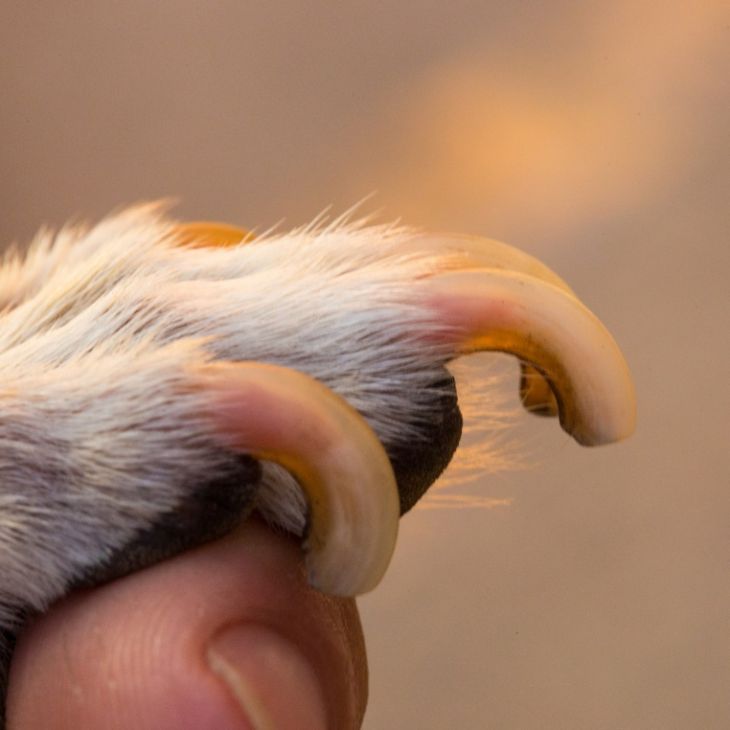
Neglecting your canine companion’s claw health initiates a progressive cycle of pain, discomfort, and long-term skeletal misalignment.
In the wild, canines walked across various rough terrains for hours each day, which naturally wore their claws down to a healthy length.
Today, our domestic dogs spend most of their time walking on soft carpets, grassy lawns, and smooth hardwood floors.
This comfortable indoor lifestyle means their nails do not experience enough friction to wear down naturally.
When a dog’s nails are left to grow unchecked, they continuously press into hard floors with every step, forcing the nail back up into the sensitive nail bed.
This constant force creates immediate pain, leading your pet to alter how they place their paws on the ground to find relief.
Over months, this abnormal weight distribution forces the toes to splay out and shifts the entire skeletal structure.
This dramatic change in biomechanics places immense strain on their ankles, knees, hips, and spine, often accelerating degenerative conditions like arthritis.
Senior dogs, large breeds, and active companions are particularly vulnerable to these postural compensations, which quickly rob them of their mobility.
Long, brittle nails are also highly susceptible to snagging, splitting, and tearing, which can expose the raw nerves of the quick.
When a nail splits open, it causes intense pain and creates a highly vulnerable site for deep bacterial infections to take root.
In severe cases of neglect, the claws will curl completely downward, resulting in a painful dog nail growing into pad.
This puncture creates a direct pathway for bacteria, turning a simple grooming oversight into an urgent veterinary emergency.
The constant discomfort of overgrown nails can also cause significant behavioral shifts, such as irritability, lethargy, or a reluctance to go for walks.
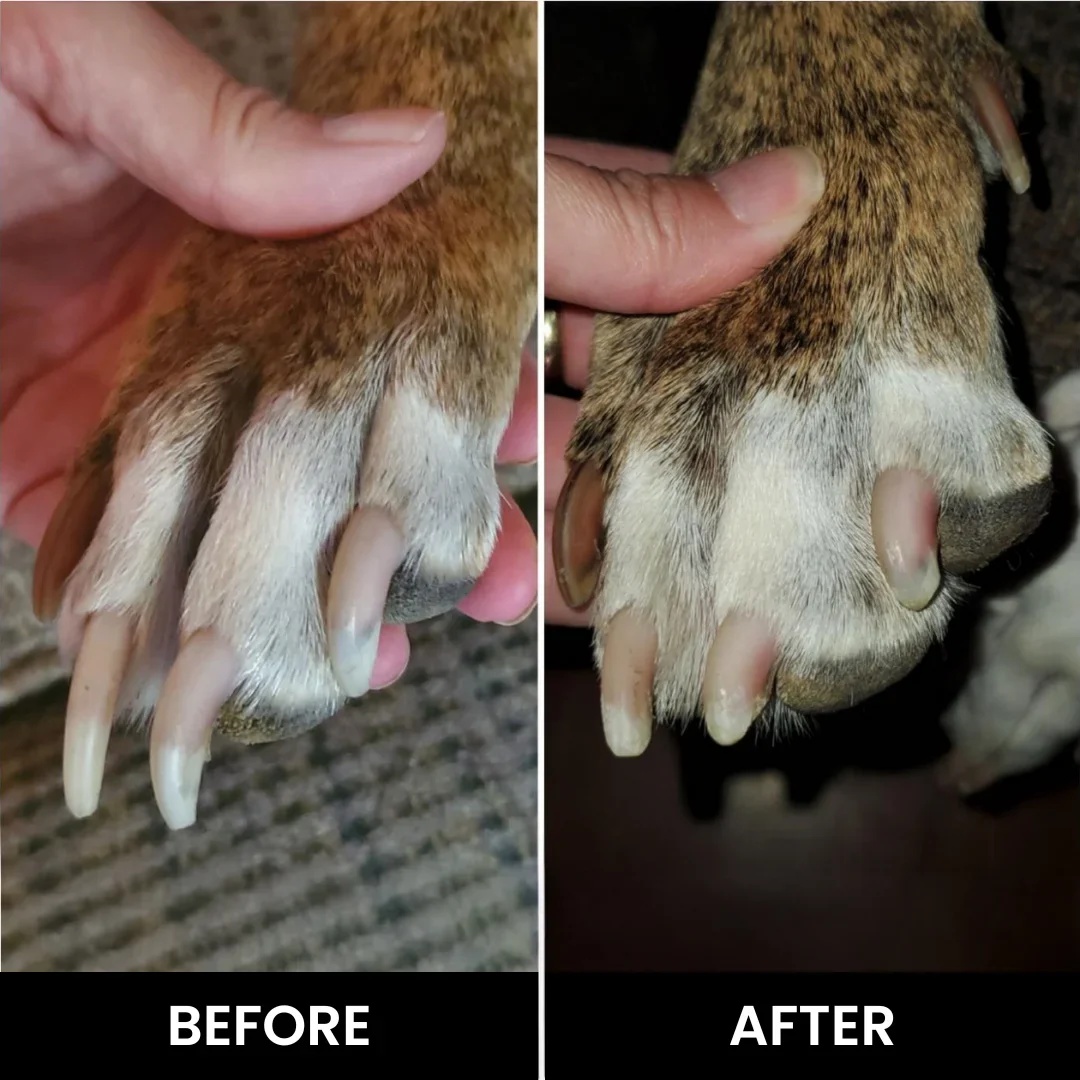
To safely address and resolve this issue, pet owners must establish a patient, consistent trimming routine that encourages the quick to recede over time.
You can achieve this by filing away thin, microscopic layers of the claw every week instead of cutting large sections with traditional clippers.
This gradual approach allows you to shorten the nail without risking pain, bleeding, or emotional trauma for your pet.
If you want to handle this safely at home, the Zenpaw Maxpro Grinder provides painless, quiet filing — explore it here.
99-Day 100% Money-Back Guarantee
“Ever since we started using the Zenpaw Maxpro Grinder, it’s been such a peaceful experience. It’s very quiet, and my dog actually relaxes. It’s turned our stressful sessions into quick, quiet grooming times.”
— Sarah M. | ✔ Verified Customer
- ✓ Prevents Infection & Splitting
- ✓ Ideal for All Dog Sizes
- ✓ Low-Vibration Technology
- ✓ Fast 2-7 Days Delivery
Need Support? Call 302-307-1000
Canine Nail Anatomy: The Hidden Hazard of the Quick
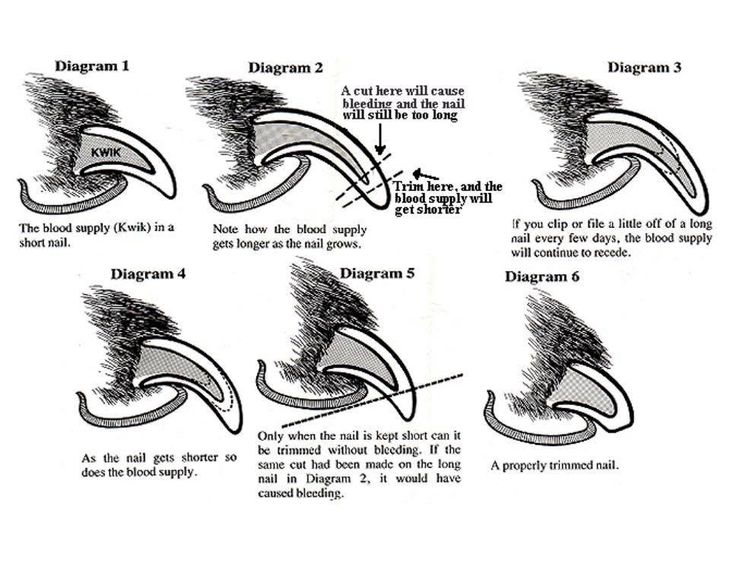
To truly understand the risk of not cutting dogs nails, we must explore the unique internal structure of canine claws.
Unlike human fingernails, which are flat and lack live tissue, a dog’s claw contains a complex vascular core known as the quick.
The quick is a highly sensitive bundle of blood vessels and active nerve endings that feed the outer keratin shell.
The outer shell of the claw is made of hard, dead keratin, which protects the delicate vascular quick inside.
When nails are regularly trimmed, this blood supply naturally retreats back toward the base of the toe.
However, when you never cut your dog’s nails, the blood vessels and nerves elongate alongside the outer claw shell.
The quick grows longer to keep up with the unmaintained keratin, making future trimming sessions much more complicated.
This overgrowth creates a challenging cycle, as the long quick makes it impossible to trim the nail short in a single session.
On light-colored claws, you can easily identify this live tissue as a distinct pink shadow running through the center.
On dark or black nails, the quick is completely hidden from view, making scissor-style clippers extremely dangerous to use.
Many pet owners accidentally cut into this hidden vascular zone, causing immediate, excruciating pain for their dog.
Accidentally severing this sensitive tissue causes intense, sudden pain and profuse bleeding, which can deeply traumatize your dog.
Over time, a bruised or injured quick can lead to noticeable dog nail discoloration, which indicates trauma within the claw structure.
Inspecting your dog’s claws regularly helps you identify any color changes or structural anomalies early.
Using a rotary grinder allows you to file down the claw incrementally, letting you see the dark spot signaling the quick before any damage occurs.
As you grind closer to the quick, the center of the nail will change from a dry, chalky powder to a soft, moist texture.
This visual and tactile feedback is the safest way to prevent accidental bleeding and keep your dog relaxed.
This micro-trimming technique gently stimulates the blood vessel to recede, allowing you to restore neglected paws to a healthy length over several weeks.
Based on feedback from professional groomers, this gradual method is the safest way to rehabilitate severely overgrown claws.
The Biomechanics of Neglect: How Long Claws Destabilize Joints
When a dog’s nails are allowed to grow too long, their entire physical framework is forced to compensate.
Healthy dogs stand with their paws flat on the ground, allowing their pads to absorb the natural shock of walking.
Long claws strike the ground first, tilting the toe bones upward and forcing the paw pads off their natural flat alignment.
This backward tilt shifts your dog’s center of gravity, placing an unnatural load on their hindquarters and lower back.
The dog’s brain senses this instability and automatically adjusts their posture to keep them upright.
To maintain balance, your dog must walk in a continuous, awkward squat, putting intense strain on their tendons and ligaments.
Walking in this constant squat forces the hocks and stifles to bend excessively, leading to chronic muscle fatigue.
Over time, this persistent structural strain can eventually lead to chronic joint inflammation, spinal misalignment, and early-onset arthritis.
Many pet owners assume does walking dog trim nails sufficiently on outdoor surfaces like concrete or asphalt.
While walking on rough concrete does provide a small amount of friction, it rarely wears the nails down evenly.
Concrete walking also cannot address the dewclaws, which never touch the ground and will continue to grow unchecked.
Furthermore, walking an untrained or anxious dog on hot concrete just to shorten their nails can burn their sensitive paw pads.
Relying solely on pavement walks often leads to uneven claw wear, which can worsen joint strain and postural imbalance.
The safest and most effective approach is to manage claw length in a controlled, stress-free home environment.
Regular, manual grooming remains the only reliable method to keep your dog’s skeletal system aligned and pain-free.
Severe Physical Risks: Punctures, Splitting, and Chronic Infection
The physical dangers of neglecting your dog’s paws extend far beyond simple joint discomfort.
As overgrown claws continue to lengthen, they naturally curve downward and inward toward the soft flesh of the paw pads.
Dewclaws, located higher up on the inside of the leg, are particularly notorious for curling into tight, painful circles.
This downward growth eventually results in the nail puncturing the sensitive pad, creating a deep and painful wound.
This open wound becomes a direct gateway for dirt, debris, and environmental bacteria to enter the paw.
Once bacteria enter the deep layers of the paw pad, it can cause severe swelling, heat, and pus formation.
The warm, tight spaces of a splayed paw also create an ideal environment for a painful dog nail bed yeast infection to develop.
Yeast thrives in moist, unventilated crevices, leading to intense itching, red skin, and a distinct sweet odor.
You will quickly notice this issue if your dog constantly licks, chews, or bites at their paws in distress.
Furthermore, long nails are highly prone to catching on household carpets, blankets, or outdoor roots and rocks.
When a long claw catches during play, it can easily tear completely away from the toe, causing agonizing pain and heavy bleeding.
A partially torn nail often leaves the highly sensitive quick completely exposed to the elements.
Managing a torn claw often requires emergency veterinary care, including sedation, surgical removal, and a course of antibiotics.
By keeping your pet’s nails short, you eliminate these severe physical risks and save your family from stressful emergency vet visits.
How to Safely Groom Your Dog’s Nails at Home
Helping your dog accept nail grooming requires patience, a calm environment, and a structured training approach.
Many pet owners fail because they try to trim all four paws on the very first day.
We recommend using a systematic desensitization process to help your pet overcome their natural fear of grooming tools.
Start by letting your dog sniff the turned-off grinder, immediately rewarding them with high-value treats to build a positive association.
Once they are comfortable, turn the device on at a safe distance so they can adjust to the sound without feeling threatened.
The ultra-quiet motor of the Zenpaw Maxpro runs under 40 decibels, making this auditory adjustment incredibly easy for sensitive dogs.
Next, gently touch the vibrating body of the turned-on tool to their leg, letting them experience the physical sensation without filing yet.
This step helps desensitize your dog to the subtle vibrations of the tool before it ever touches their claws.
When your dog is fully relaxed, hold their paw securely but gently, separating the toes to isolate one nail at a time.
Touch the rotating grinding head to the nail tip for just two to three seconds to prevent any friction heat from building up.
Always hold the grinding tool at a steady 45-degree angle, smoothly shaping the outer shell while keeping clear of the quick.
If your dog is extremely fearful and resists having their paws touched, you can introduce a dog nail scratch pad as a cooperative alternative.
This interactive board allows your dog to file down their own front claws through play, building confidence before you introduce the grinder.
By turning nail filing into a fun game, you can dramatically reduce your dog’s resistance to paw touch.
Consistently offering high-value rewards after every single nail session ensures your dog begins to look forward to grooming time.
Why Traditional Scissor Clippers Trigger Grooming Anxiety
Many pet parents struggle with grooming because traditional scissor-style clippers can cause sudden, sharp discomfort.
Scissor clippers work by violently crushing the thick, circular nail shaft before the blade can slice through it.
This intense crushing force can pinch the sensitive nerve endings inside the quick, even if you do not cut the tissue itself.
After experiencing this pinch, many dogs quickly learn to associate the sight of clippers with physical pain and fear.
This negative association is what leads to common behavioral struggles like growling, wriggling, or pulling the paw away.
Traditional clippers can also slip easily during a struggle, greatly increasing the risk of accidentally cutting the quick.
Scissor clippers are also highly prone to splitting the dry keratin fibers, leaving rough, jagged edges that catch easily on fabrics.
In contrast, a high-quality rotary grinder gently files away the nail structure molecule by molecule, eliminating the crushing sensation.
The smooth, controlled rotation gives you absolute precision, allowing you to stop filing the moment you see the pulp of the quick.
This level of control is especially critical when grooming dark nails, where the vascular core is completely invisible from the outside.
A good grinder also smooths the edges of the nail as it files, leaving a clean, rounded finish that will not scratch your floors.
By switching to a low-vibration tool like the Zenpaw Maxpro, you can erase past grooming trauma and build a peaceful new routine.
Frequently Asked Questions About Dog Nail Care
What happens if you don’t clip your dog’s nails for months?
Allowing your dog’s nails to grow unchecked for months can lead to structural damage to their feet and joints.
The long claws will continually push back into the toe joint with every step, causing chronic pain and postural shifts.
This neglect can also cause the sensitive quick to grow longer, making it highly difficult to shorten the nails in the future.
Over several months, your dog may also develop painful ingrown nails or experience joint inflammation that limits their movement.
Is the Zenpaw Maxpro Grinder safe and powerful enough for large dog breeds?
Yes, the Zenpaw Maxpro is engineered with a high-torque motor that easily handles dogs of all breeds and sizes.
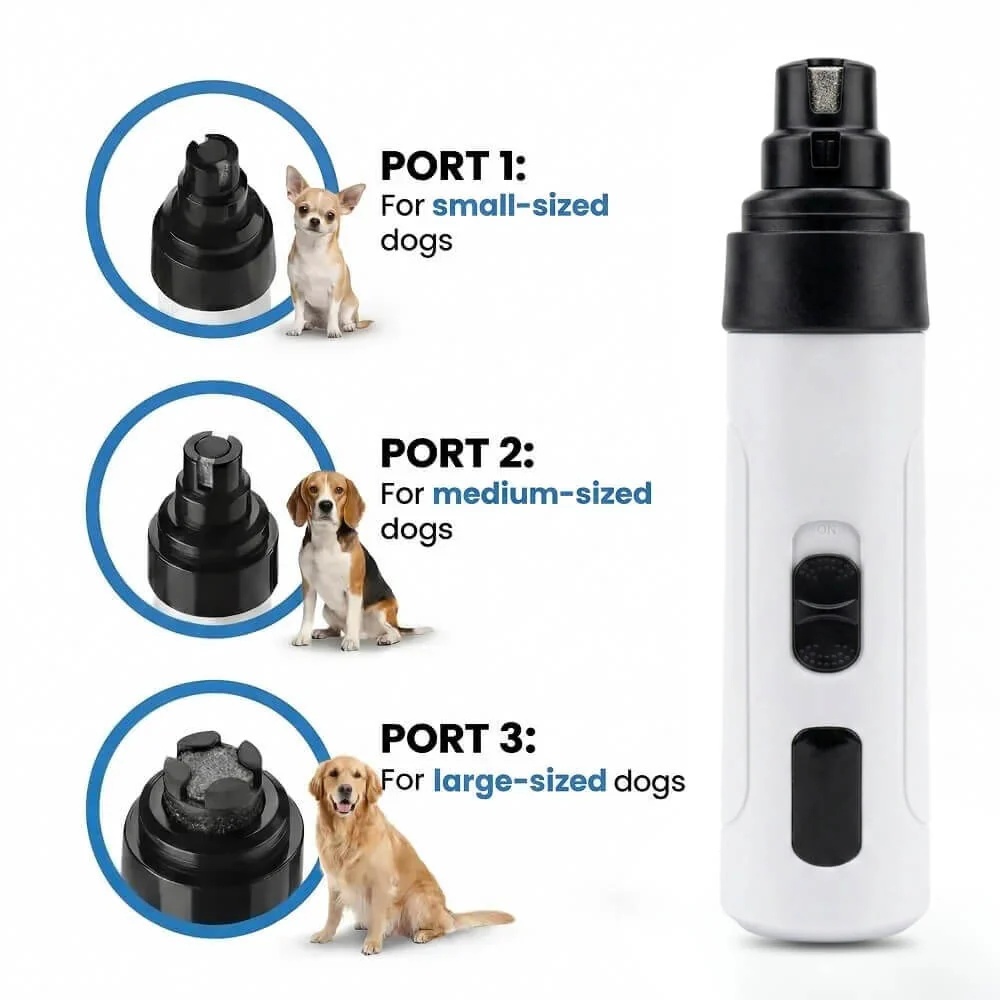
The protective cap features three distinct ports designed to safely accommodate small, medium, and large claws.
You can also adjust between dual speed settings to match the specific thickness and density of your dog’s nails.
This versatility makes it just as effective for thick, heavy Great Dane claws as it is for delicate Chihuahua nails.
How long does the battery of the Zenpaw Maxpro Grinder last on a single charge?
The Zenpaw Maxpro is equipped with a premium lithium-ion battery that provides up to seven hours of continuous use.
It is fully rechargeable using a standard USB cable, allowing you to charge it easily via a wall outlet, computer, or power bank.
This extended runtime ensures you can groom multiple pets or take your time during sessions without worrying about power loss.
A convenient battery indicator light lets you know exactly when it is time to plug the device back in.
Which speed setting is best when introducing the grinder to a sensitive dog?
We strongly recommend starting on the lowest speed setting when introducing the tool to an anxious or sensitive dog.
The low-speed setting produces minimal noise and vibration, helping your pet remain calm as they adjust to the physical sensation.
Once your companion is relaxed, you can easily switch to the high-speed setting to quickly file down thicker claws.
Taking things at your dog’s individual pace is the key to creating a stress-free grooming routine.
Does the grinding head get hot during a grooming session?
No, the Zenpaw Maxpro utilizes advanced low-heat technology to keep the grinding wheel cool during normal grooming.
However, leaving the grinding head on a single spot for too long can generate friction heat, which may startle your pet.
To prevent this, simply apply the grinder in brief, gentle strokes of two to three seconds before moving to the next toe.
Alternating between different nails allows each claw to cool down completely before receiving further filing.
What should I do if my dog is completely terrified of nail grooming?
If your dog exhibits extreme fear, it is vital to slow down and focus on rebuilding trust through positive reinforcement.
Try practicing touch desensitization by gently holding their paws and rewarding them with treats without using any tools.
You can also incorporate a cooperative training tool like a scratch board to help them file their own claws while building confidence.
Patience is your most valuable asset, and even filing just one nail per day is a wonderful step forward.
Conclusion: A Simpler Path to Happy Paws
Maintaining your dog’s claw health is essential for their long-term comfort and mobility.
Ready to transform nail trimming from a battle into a breeze? Explore the Zenpaw Maxpro 3-in-1 Grinder.
Call: 302-307-1000 — our team can help you advise on the best grooming practices and help with any product questions.