For years, my sweet golden retriever shook with absolute terror whenever the traditional nail clippers came out, leaving me deeply stressed and prone to putting off grooming until his nails grew dangerously brittle. If you have ever felt that gut-wrenching anxiety of accidentally cutting too deep or noticed your pet’s claws cracking, you know how hard it is to manage unhealthy dog nails. At Team Zenpaw, we wanted to end this emotional battle by creating a quiet, painless grooming experience that supports your dog’s long-term claw and paw health.
Maxpro 3-in-1 Grinder.
Stress-Free Nail Trimming.
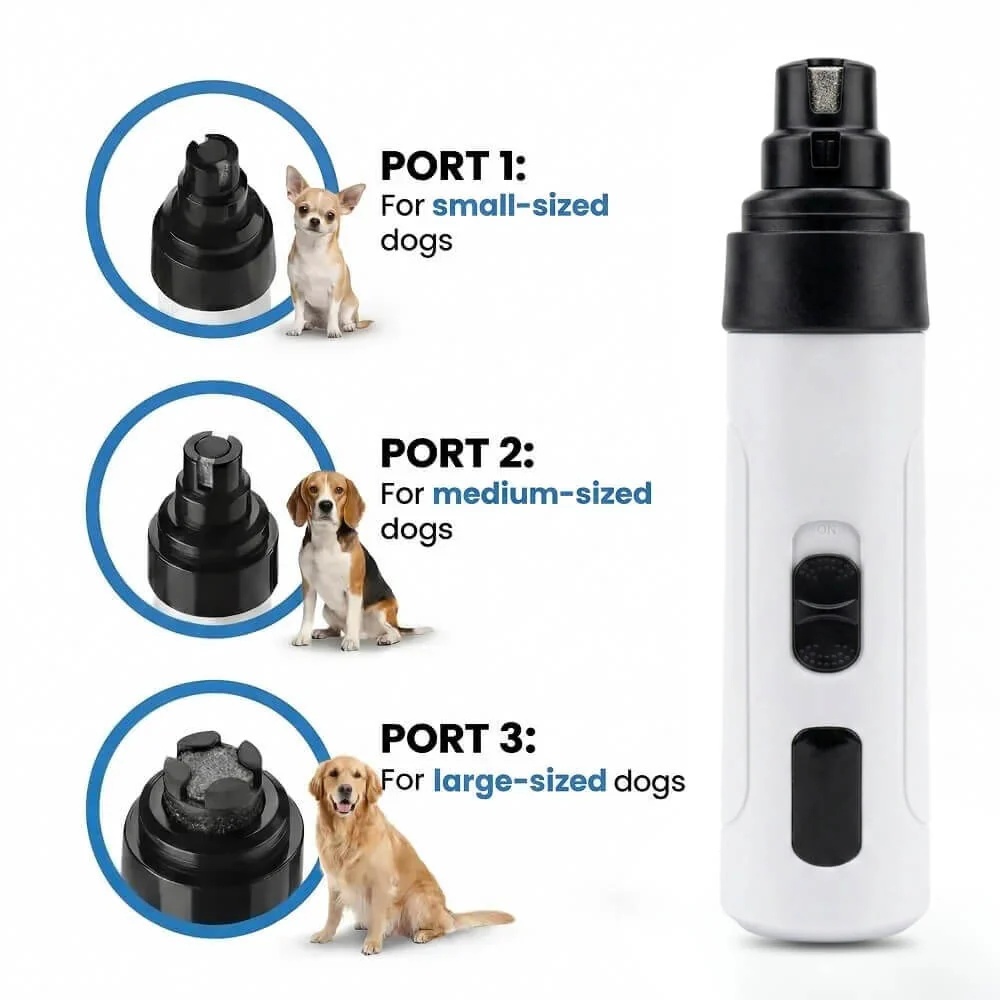
Whisper-quiet DC motor (<40 dB) eliminates fear & discomfort. Features 3 ports, dual speeds, and 7-hour battery life. Safe, precise, and painless.
In This Article
- Understand how to quickly identify and manage unhealthy dog nails before infections develop.
- Compare structural details using our clear healthy vs unhealthy dog nails visual guide.
- Recognize the clinical warning signs of unhealthy dog claws such as splits and discoloration.
- Learn professional desensitization protocols to handle grooming-anxious pets with complete confidence.
What Do Unhealthy Dog Nails Look Like and How Can You Safe-Groom Them?
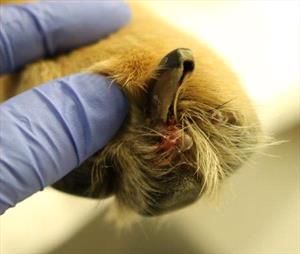
Unhealthy dog claws develop when physical neglect, underlying medical conditions, or stressful grooming tools prevent proper maintenance of the keratin nail plate.
This distressing issue affects dogs of every age, breed, and activity level, particularly senior companions who no longer walk enough to naturally wear down their claws.
You will typically observe these structural issues occurring over several months as the blood-vessel-rich quick overgrows alongside the extending outer shell.
The primary damage initiates at the distal tip of the nail plate before aggressively spreading upward toward the delicate nail bed and surrounding paw pads.
This deterioration happens because traditional crushing clippers fracture the nail fibers, creating micro-cracks where harmful environmental bacteria and moisture easily accumulate.
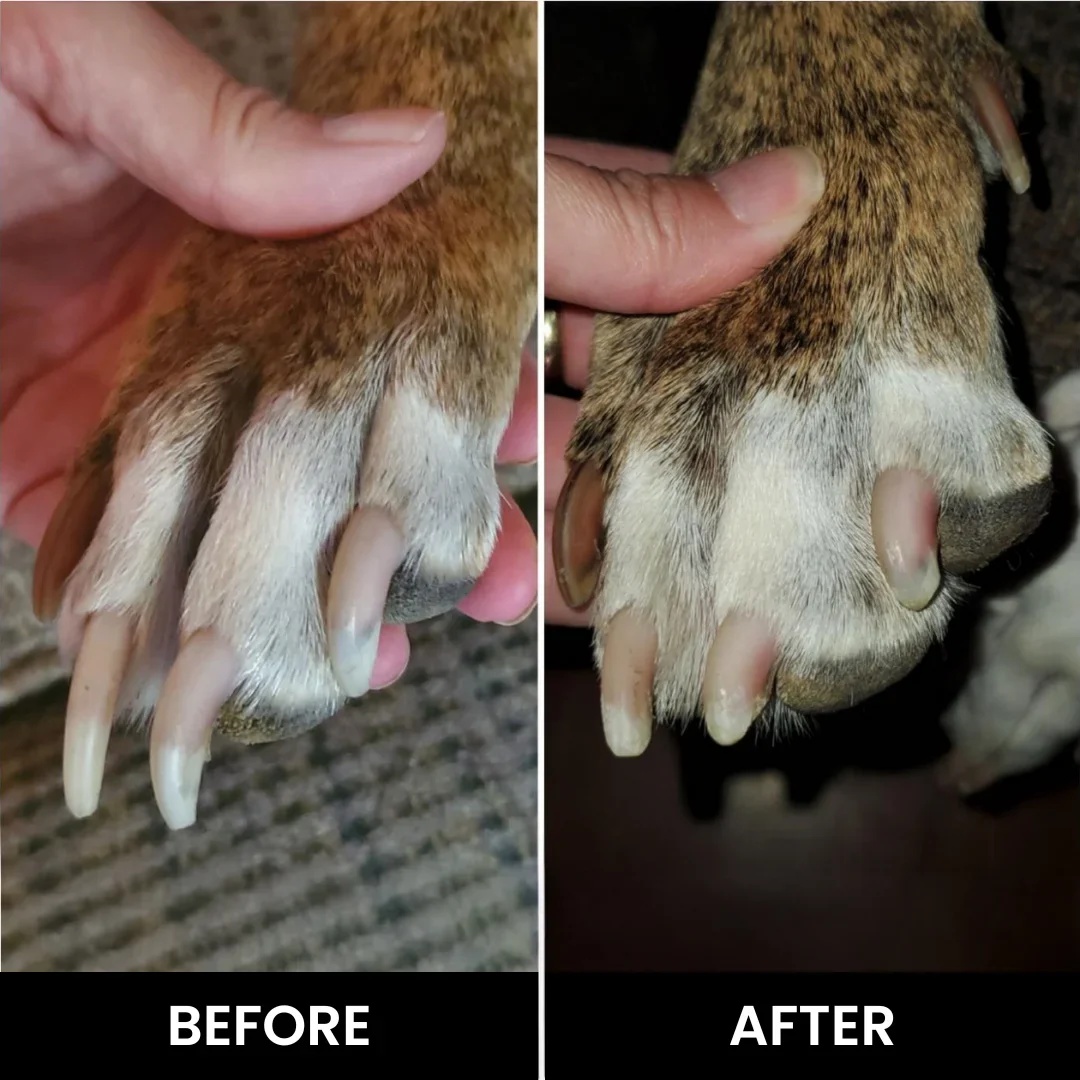
You can resolve this problem safely at home by switching from traumatic cutting tools to a controlled, low-heat rotary filing method.
Implementing a simple bi-weekly check minimizes the risk of severe infections while saving you hundreds of dollars in professional veterinary grooming fees.
If you want to handle this safely at home, the Zenpaw Maxpro Grinder provides painless, quiet filing — explore it here.
To successfully reverse nail damage at home, you must follow a methodical, multi-phase sanitizing and grooming routine.
First, clean the entire paw using a pet-safe antiseptic wash to clear out packed debris from the nail fold.
Next, inspect each claw under bright lighting to locate the pink shadow of the inner quick.
Gently secure your dog’s paw and file away any rough or split edges using a whisper-quiet, low-vibration rotary tool.
Always work in short, two-second bursts to prevent friction-induced heat buildup on the sensitive keratin surface.
Apply a nourishing, organic paw balm to hydrate dry cuticle areas and protect the newly filed edges.
Consistently repeat this gentle filing process every ten to fourteen days to naturally coax the overgrown quick to recede.
This systematic, stress-free approach helps restore damaged paws and ensures your dog remains happy, healthy, and comfortable on their feet.
99-Day 100% Money-Back Guarantee
“Ever since we started using the Zenpaw Maxpro Grinder, it’s been such a peaceful experience. It’s very quiet, and my dog actually relaxes. It’s turned our stressful sessions into quick, quiet grooming times.”
— Sarah M. | ✔ Verified Customer
- ✓ Prevents Infection & Splitting
- ✓ Ideal for All Dog Sizes
- ✓ Low-Vibration Technology
- ✓ Fast 2-7 Days Delivery
Need Support? Call 302-307-1000
Analyzing Healthy vs Unhealthy Dog Nails: Key Differences
To preserve your canine companion’s mobility, you must learn to distinguish between standard nail wear and active pathology.
Many pet parents overlook subtle structural changes until their dog begins limping or showing signs of visible distress during walks.
Our team at Zenpaw has compiled this comprehensive guide to help you identify the precise physical markers of nail deterioration.
Visual Markers of Strong, Balanced Canine Claws
Understanding the structural contrast between healthy dog nails vs unhealthy ones is critical for every dedicated pet parent.
Healthy canine claws are exceptionally strong, smooth, and unified in their physical composition.
They exhibit a gentle downward curve without any signs of severe flaking, split ends, or structural warping.
The color of a healthy claw should be consistent, whether it is solid white, deep black, or a natural combination of both.
When your dog walks across hard floors, their claws should ideally not click loudly or touch the ground directly while standing still.
The surrounding cuticle tissue should look clean, pale pink, and completely free of crust, swelling, or foul-smelling discharge.
Regular active wear naturally maintains the outer shell, but domesticated pets often require human intervention to preserve this perfect state.
Key Signs of Unhealthy Dog Claws
Recognizing the initial warning signs of unhealthy dog claws can prevent severe pain and costly medical treatments.
Unhealthy nails often appear dry, brittle, and remarkably prone to splitting or peeling in thin, papery layers.
You might notice a dog nail cracked right down the middle, which exposes the highly sensitive nerve endings within the quick.
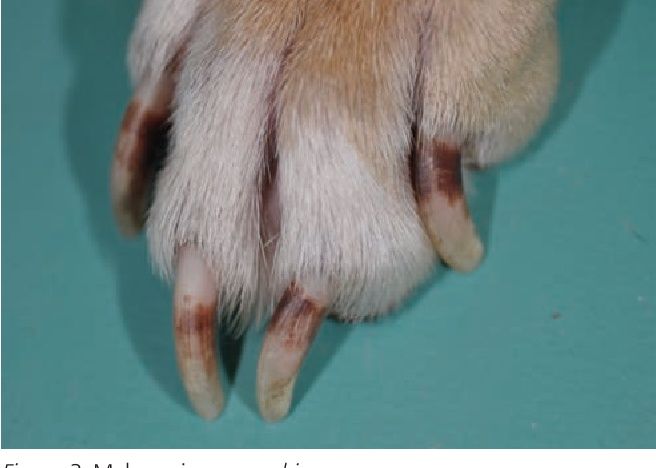
Discoloration is another major red flag, often presenting as dark brown, reddish, or yellowish staining near the base of the nail fold.
When a claw is structurally compromised, the slightest impact against a hard surface can cause a painful fracture.
If left unaddressed, a severe split can escalate quickly, resulting in a situation where a dog lost nail entirely due to physical trauma.
Furthermore, if your dog frequently licks or chews their paws, it strongly indicates that their claws are causing them persistent discomfort.
| Physical Feature | Healthy Dog Claws | Unhealthy Dog Claws |
|---|---|---|
| Structural Integrity | Smooth, solid surface without any cracks or peeling layers. | Shattered edges, dry splitting, and peeling keratin fibers. |
| Coloration Patterns | Uniform pigmentation with clear distinction near the quick. | Brownish or reddish stains, indicating yeast or bleeding. |
| Paw Bed Appearance | Dry, clean, and tight cuticle folds with no strong odor. | Swollen, red, moist skin with a sour, musty smell. |
| Gait and Posture | Balanced weight distribution with silent, easy movement. | Frequent limping, altered posture, and loud clicking noises. |
Canine Nail Diseases and Serious Pathological Infections
While many nail issues stem from physical wear, several clinical conditions require direct veterinary diagnostic evaluation.
Ignoring chronic symptoms can lead to systemic infections that compromise your dog’s entire immune system.
Bacterial and Fungal Nail Bed Infections (Paronychia)
Paronychia is a highly painful bacterial or fungal infection that develops right within the delicate tissues surrounding the nail bed.
Moisture is the primary catalyst for this condition, especially if your dog loves swimming or walking through wet grass.
When moisture becomes trapped in the tiny crevices of a broken or cracked claw, harmful pathogens begin to multiply rapidly.
You will easily recognize this infection by the presence of a localized, warm-to-the-touch swelling around a single claw.
The infected paw bed may secrete a thick, yellowish discharge and emit a distinctly musty, yeast-like odor.
Your dog will likely guard the affected paw aggressively, whining or pulling away if you attempt to inspect the area.
To prevent this agonizing condition, you must ensure that all nail cracks are filed down smoothly before bacteria can invade the inner layers.
Symmetrical Lupoid Onychodystrophy (SLO) Explained
Symmetrical Lupoid Onychodystrophy, commonly known as SLO, is a severe, immune-mediated disease that impacts canine claws.
This condition causes the body’s immune system to mistakenly attack the very keratin cells responsible for nail growth.
Unlike a typical physical injury, SLO usually affects multiple claws across all four paws simultaneously.
The most telling symptom is the sudden, seemingly random shedding of healthy claws without any history of physical trauma.
The remaining nails typically grow back incredibly weak, brittle, dry, and severely misshapen.
Dogs dealing with SLO experience intense, burning pain during the shedding phase, making walking or standing highly uncomfortable.
A definitive diagnosis requires a thorough veterinary examination, which often includes a biopsy of the affected tissue.
Treatment generally involves high doses of essential fatty acids, specific immune-modulating medications, and extremely gentle, non-traumatic nail maintenance.
The Step-by-Step Routine to Prevent Paw Infections
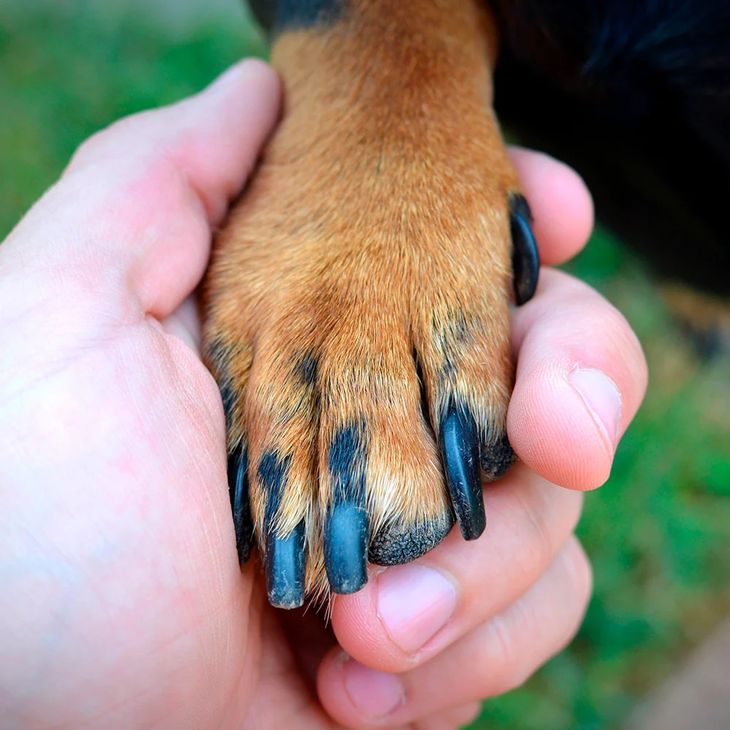
Transitioning your dog to a stress-free home nail routine is the ultimate way to maintain pristine paw health and prevent future infections.
This process requires patience, consistency, and the right low-stress tools designed with your pet’s physical comfort in mind.
Step 1: Desensitizing a Highly Anxious Pet
If you are struggling with what to do when dog wont let you cut nails, a slow desensitization protocol is vital.
Begin by simply placing your chosen grooming device on the floor next to your pet’s favorite high-value treats.
Allow them to sniff and explore the inactive tool at their own pace for several days without attempting any trimming.
Once they associate the physical presence of the tool with positive rewards, turn on the device to introduce its operating sound.
This is why choosing the quietest nail grinder for dogs is so incredibly critical for fearful pets.
A loud, high-pitched mechanical whine can instantly trigger a dog’s natural flight response, ruining your progress.
The Zenpaw Maxpro Grinder runs at a whisper-quiet level of under forty decibels, meaning most dogs barely notice its presence.
Gently touch the vibrating body of the quiet tool to their shoulder or leg to get them comfortable with the physical sensation.
Only progress to the actual nails once your pet displays calm, relaxed body language around the running device.
Step 2: Mastering the 45-Degree Grinding Angle
Holding your rotary tool at the correct physical angle is key to preventing accidental damage to the sensitive quick.
You must hold the file at a precise forty-five-degree angle relative to the natural growth slope of the nail plate.
Gently support your dog’s toe between your thumb and index finger, separating it slightly from the other digits.
Apply light, steady pressure with the rotary file, working from the bottom edge of the nail tip and sweeping upward.
Never hold the spinning filing wheel against a single spot for more than two consecutive seconds.
This short contact window prevents friction-induced heat from building up and causing sudden, sharp pain.
Instead, work in rapid, sweeping strokes, moving systematically from claw to claw to allow each nail to cool down.
This careful technique ensures a beautifully rounded, snag-free finish that will not catch on carpets or furniture.
Step 3: Safely Navigating Dark or Black Claws
Trimming solid black claws is notoriously stressful because the protective quick is completely invisible from the outside.
Traditional cutting blades require blind guesswork, which frequently leads to painful, bloody mistakes.
Safe rotary files remove this danger by allowing you to shave away the thick keratin shell in incredibly thin, controlled layers.
As you file, look directly at the exposed tip of the nail head-on after each brief sweep.
Initially, you will see a dry, powdery white or light grey surface across the center of the cut area.
As you get closer to the blood vessels, the center will transition to a dark, moist, circular spot.
This dark circle is the soft outer wall of the quick, signaling that you must immediately stop filing that specific claw.
By utilizing this cautious, incremental method, you can keep your pet completely safe from accidental bleeding and pain.
Why Crushing with Traditional Clippers Invites Infection
Many pet owners do not realize that standard scissor-style or guillotine style dog nail clippers can actually harm compromised claws.
These cutting tools work by applying massive, concentrated physical pressure from opposite sides to force their way through the hard keratin shell.
This powerful crushing action frequently causes brittle, dry, or unhealthy nails to splinter and shatter violently.
These micro-fractures run vertically up the nail plate, instantly exposing the inner layers to dirt and moisture.
Furthermore, the loud, snapping sound of a blade cutting through hard bone can terrify an already anxious dog.
A high-quality rotary file avoids this physical trauma entirely by gently shaving away the nail plate through micro-abrasions.
This smooth process leaves the structural integrity of the claw completely intact, sealing the edges and keeping bacteria out.
Transitioning to a smooth filing method is a simple step that drastically reduces the risk of painful splits and infections.
Frequently Asked Questions About Dog Nail Health
Ready to Transform Nail Trimming into a Peaceful Bonding Experience?
Taking proactive control of your dog’s nail health is one of the most loving decisions you can make as a pet parent.
By replacing stressful clippers with the quiet, safe, and precise Zenpaw Maxpro 3-in-1 Grinder, you can easily prevent painful cracks and serious paw infections.
Ready to transform nail trimming from a battle into a breeze? Explore the Zenpaw Maxpro 3-in-1 Grinder.
Call: 302-307-1000 — our team can help you advise on the best grooming practices and help with any product questions.