I remember the exact evening I realized my sweet golden retriever’s paws smelled like a bag of stale, moldy corn chips. That sharp, musty dog nail yeast infection smell was filling our living room every time he licked his feet, and it broke my heart to see him scratching and chewing at his painful, red claw beds. We finally resolved his discomfort by combining gentle home care with the whisper-quiet, painless filing of our Zenpaw Maxpro 3-in-1 Grinder.
Maxpro 3-in-1 Grinder.
Stress-Free Nail Trimming.
Whisper-quiet DC motor (<40 dB) eliminates fear & discomfort. Features 3 ports, dual speeds, and 7-hour battery life. Safe, precise, and painless.
In This Article
- Yeast Smell Identification: Discover the primary biological causes behind the pungent, musty corn-chip odor coming from your dog’s paws.
- Canine Claw Bed Anatomy: Understand how moisture, structural fold issues, and allergen buildup trigger fungal overgrowth.
- Proactive Antifungal Paw Care: Learn the essential steps to wash, dry, and clean infected nails safely at home.
- Stress-Free Nail Grinding: Master our step-by-step desensitization protocol to maintain short claws without causing pain.
Why Does My Dog’s Paw Have a Strong Frito Odor? Understanding the Dog Nail Yeast Infection Smell
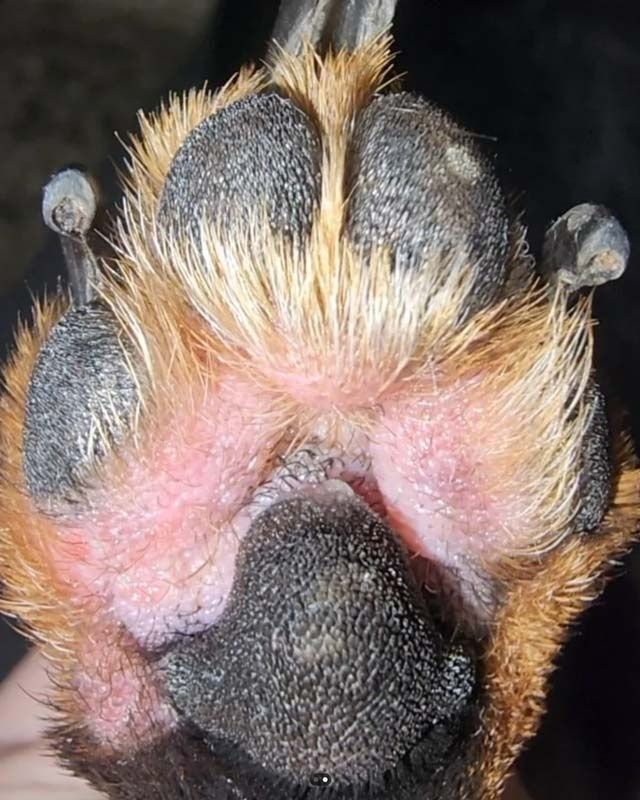
What exactly is that pungent, corn chip odor emanating from your canine companion’s paws?
This distinct dog nail yeast infection smell is primarily caused by an overpopulation of the single-celled fungal organism known as Malassezia pachydermatis.
While this yeast naturally lives on healthy canine skin in small numbers, it can quickly multiply out of control when environmental or physical conditions shift.
Dog owners frequently notice this musty paw odor dog nail yeast when their pets spend time in damp grass or lick their paws excessively.
The yeast thrive in warm, dark, and humid areas, making the tiny crevices of canine claw beds and the space between paw pads the perfect breeding ground.
Dogs with allergies, compromised immune systems, or structural paw fold abnormalities are the most frequent victims of this smelly fungal overgrowth.
You will often observe early-stage redness, swelling, and even a greasy, dark discharge around the cuticles when the overgrowth takes hold.
This condition can occur during any season, but it frequently peaks during hot, humid summer months when dogs swim or walk on wet grass.
If left unmanaged, the chronic irritation can lead to secondary bacterial complications, severe pain, and structural damage to the nail plate itself.
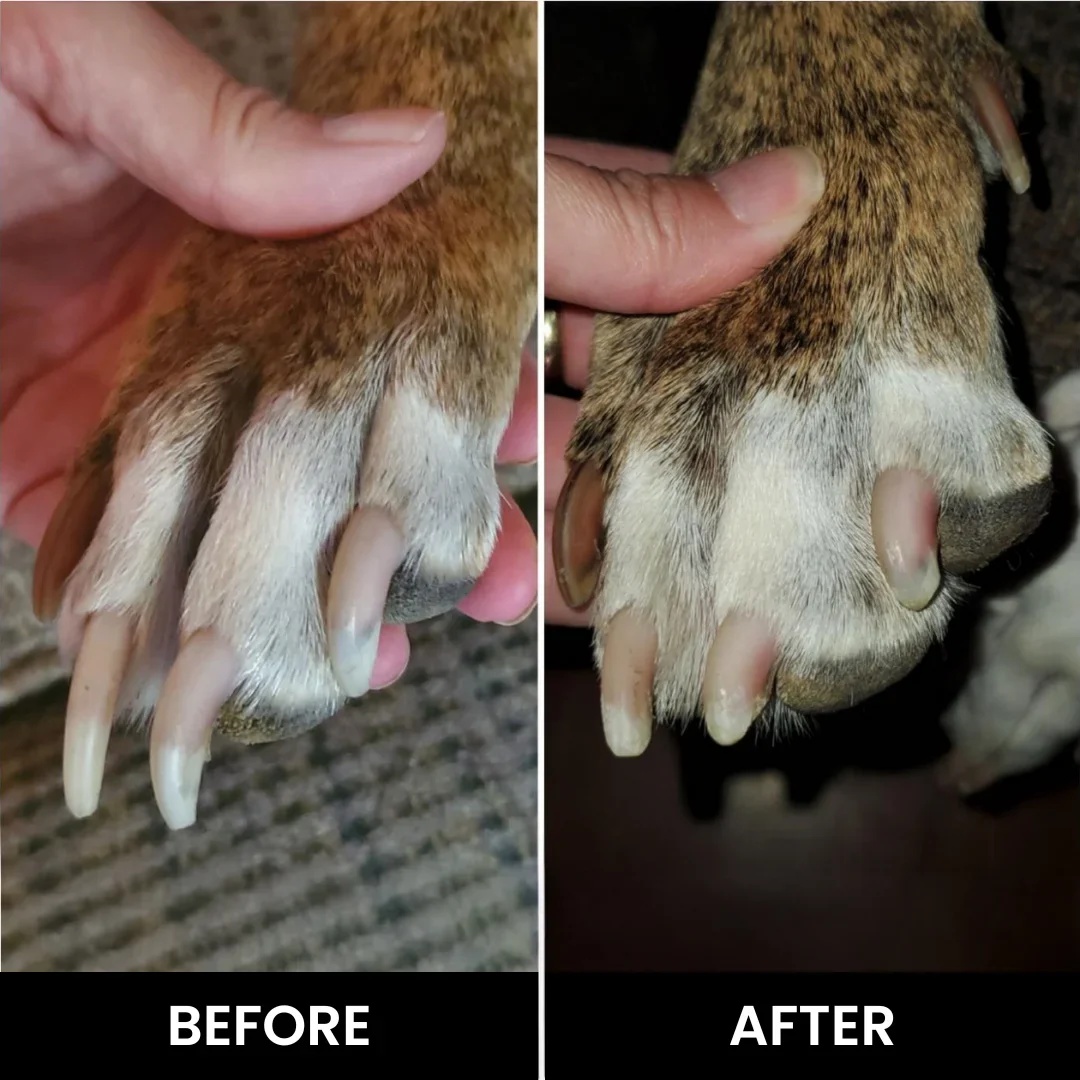
Grooming your pet’s nails regularly is an essential step in managing this condition, as overgrown claws trap more moisture and debris.
The continuous scratching and licking will only introduce more moisture, creating a self-reinforcing cycle of fungal replication.
Many pet owners mistake this strong odor for general outdoor dirt, delaying necessary care.
Over time, the nail structure can weaken, leading to painful splits and cracks.
Veterinary dermatologists emphasize that keeping paws dry and nails short is the first line of defense against fungal flare-ups.
If you want to handle this safely at home, the Zenpaw Maxpro Grinder provides painless, quiet filing — explore it here.
99-Day 100% Money-Back Guarantee
“Ever since we started using the Zenpaw Maxpro Grinder, it’s been such a peaceful experience. It’s very quiet, and my dog actually relaxes. It’s turned our stressful sessions into quick, quiet grooming times.”
— Sarah M. | ✔ Verified Customer
- ✓ Prevents Infection & Splitting
- ✓ Ideal for All Dog Sizes
- ✓ Low-Vibration Technology
- ✓ Fast 2-7 Days Delivery
Need Support? Call 302-307-1000
The Biological Mechanics of Fungal Overgrowth in Canine Claw Beds
The canine paw is a complex anatomical structure designed to handle intense physical activity.
However, the tight junctions around the claw beds easily trap sweat, environmental moisture, and allergen debris.
Unlike human nails, a dog’s claw has a deep cuticle fold where moisture can pool and stagnate.
This microenvironment creates an ideal incubator for fungal spores to colonize the area.
According to the American Kennel Club, underlying environmental or food allergies are the primary triggers for paw dermatitis.
When a dog experiences an allergic reaction, their skin barrier becomes inflamed and secretes excess sebum.
This oily substance serves as an abundant food source for the yeast organism.
As the yeast feeds and multiplies, it releases volatile organic compounds that produce the signature yeast infection dog nails smell.
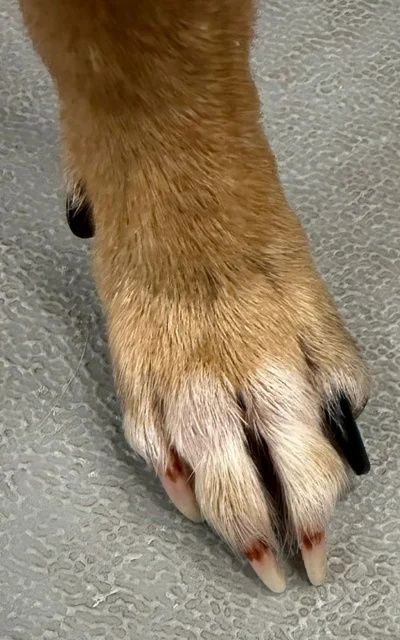
You can easily verify this overgrowth by checking for rusty red staining on the fur surrounding the nails.
This discoloration is caused by porphyrins, which are natural pigments found in the dog’s saliva when they repeatedly lick their itchy paws.
Over time, the chronic moisture from licking further accelerates the fungal cycle, making intervention critical.
Additionally, structural factors such as heavy skin folds or long hair between the toes can restrict airflow.
Without proper ventilation, the paw pads remain perpetually damp after walks or baths.
This lack of airflow prevents the skin from maintaining its natural, slightly acidic pH balance.
An altered pH level makes the claw beds highly vulnerable to opportunistic pathogens.
To maintain optimal paw hygiene, you must first understand how to tell when your dog needs their nails cut.
Long claws alter the natural angle of the paw, splaying the toes and exposing the sensitive nail beds to more dirt and dampness.
When a dog’s nails are too long, the constant pressure of the floor pushes the nail back into the joint, causing micro-tears in the surrounding tissue.
These tiny tears become entry points for fungal spores and environmental bacteria alike.
Keeping the claws trimmed short prevents this mechanical stress and allows the toes to remain in a natural, closed position.
Clinical Identification: Symptoms and Managing Smelly Yeast Dog Nails
Diagnosing a yeast overgrowth in dog nails starts with careful visual and olfactory observation.
You should routinely inspect your pet’s paws in a well-lit area to spot early-stage redness and swelling around claw beds.
A healthy paw bed should look clean, dry, and free of any discolored debris.
In contrast, a yeast-infected nail bed often exhibits a thick, waxy, or crusty dark discharge around dog cuticles.
This discharge can sometimes look like dried mud or wax, but it will have a distinct, unpleasant, sweet, or musty odor.
The dog will likely display signs of itchiness, such as constant chewing, biting, or rubbing their paws on the carpet.
If you touch the affected toes, your dog may flinch or pull away due to localized soreness and inflammation.
Veterinary dermatologists typically identify this condition using a simple tape lift or skin scraping technique.
The sample is stained and examined under a microscope to confirm the presence of peanut-shaped yeast cells.
Understanding these symptoms helps you differentiate a simple dirty paw from an active fungal claw infection.
Once confirmed, the focus must shift to systematic topical and environmental care.
If you are starting a grooming routine for a younger pet, learning when to start trimming dog nails can prevent many of these chronic issues from developing.
Early intervention is key, as chronic yeast overgrowth can lead to hyperpigmentation, where the skin turns thick and black.
The skin can also undergo lichenification, making it look leathery and deeply wrinkled.
These structural changes make the skin even harder to clean and support.
Furthermore, chronic inflammation can weaken the nail matrix, causing the claw to grow in a deformed, weak, or brittle state.
This makes the dog highly susceptible to painful nail breaks during normal play.
By catching the symptoms early, you can avoid these complex, painful complications.
Step-by-Step Anti Fungal Care and Safe Nail Grinding Protocol
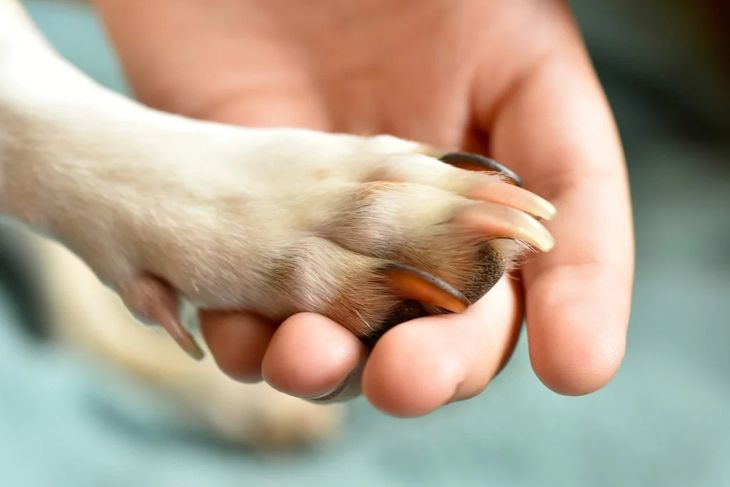
Managing smelly yeast dog nails requires a dual approach of therapeutic topical care and regular, low-stress nail maintenance.
Before you begin any physical grooming, you must address the active fungal overgrowth.
You can utilize a veterinarian-approved antifungal shampoo containing chlorhexidine and ketoconazole.
Wash the paws thoroughly, ensuring the medicated lather penetrates deep into the nail folds and under the pads.
Allow the shampoo to sit on the skin for at least ten minutes to effectively neutralize the fungal spores.
Rinse the paws completely with lukewarm water, as dried soap residue can cause further itching.
Dry the paws thoroughly using a clean, dry towel or a pet blow dryer on a cool setting.
Moisture is the ultimate enemy of fungal healing, so never leave the paws damp.
Once the paws are clean and dry, you can safely proceed with nail trimming.
Anxious dogs often react poorly to grooming because they associate it with painful clipping experiences.
You can ease this anxiety by gradually introducing the Zenpaw Maxpro Grinder over several days.
Start by letting your dog sniff the turned-off device while offering high-value treats.
Next, turn the grinder on its quietest setting, which operates under a whisper-quiet 40 decibels, and place it near them.
Reward your dog for remaining calm around the gentle hum of the motor.
Touch the body of the grinder to their paw without filing to help them get used to the minor vibrations.
Once they are comfortable, gently file a single nail at a 45-degree angle.
The 45-degree angle ensures you naturally avoid the sensitive inner quick while smoothing away rough edges.
Only hold the grinder against the nail for two to three seconds at a time to prevent any heat buildup.
If your dog prefers alternative filing methods, you might also consider comparing a dog nail scratching board with standard tools to see what suits their personality.
Always keep sessions positive, short, and packed with praise to build long-term trust.
You can also apply an antifungal topical wipe or spray to the claw beds after grinding is complete.
This extra step ensures that any freshly exposed nail folds remain protected against airborne spores.
Consistency is key to breaking the cycle of recurring overgrowths.
Aim to groom your dog’s nails every two weeks to maintain the perfect length and promote maximum airflow around the toes.
Common Mistakes to Avoid When Grooming Yeast-Prone Dog Nails
Many pet owners inadvertently worsen their dog’s paw discomfort by making critical grooming errors.
One major mistake is using traditional, dull scissor-style clippers.
These clippers violently crush the nail plate instead of cleanly cutting it.
This pressure can crack the weakened, yeast-infected nail, opening up deep fissures where bacteria can enter.
Additionally, crushing the nail causes immense pain, which reinforces your dog’s fear of grooming.
Rushing through the nail trimming process is another dangerous habit.
When you rush, you are far more likely to accidentally cut into the sensitive vascular structure called the quick.
Cutting the quick causes sudden, sharp pain and profuse bleeding.
If this unfortunate accident happens, you can apply a natural coagulant or even utilize black pepper for dog nail bleeding in an emergency.
However, avoiding the quick altogether is always the safest approach.
The Zenpaw Maxpro Grinder allows for gradual, painless filing, giving you absolute control over how much nail you remove.
Furthermore, never apply cosmetics like nail polish over a currently infected nail.
When comparing dog nail polish pens, remember that any coating can trap moisture and worsen an active fungal overgrowth.
Always wait until the yeast infection is fully resolved before attempting any cosmetic grooming.
Another mistake is neglecting to clean the grooming tools between sessions.
Using a dirty grinder or clipper can easily transfer fungal spores from an infected paw to a healthy one.
Always sanitize the grinding head with isopropyl alcohol after each use to maintain sterile grooming conditions.
Finally, do not ignore the dog’s behavioral cues during grooming.
If your dog whines, pulls away, or shows signs of high stress, take a break.
Forcing your way through a session only increases cortisol levels, which can suppress the immune system and make fighting off the yeast infection even harder.
Frequently Asked Questions About Dog Paw Yeast Infections and Grooming
Is the Zenpaw Maxpro Grinder safe for large dogs?
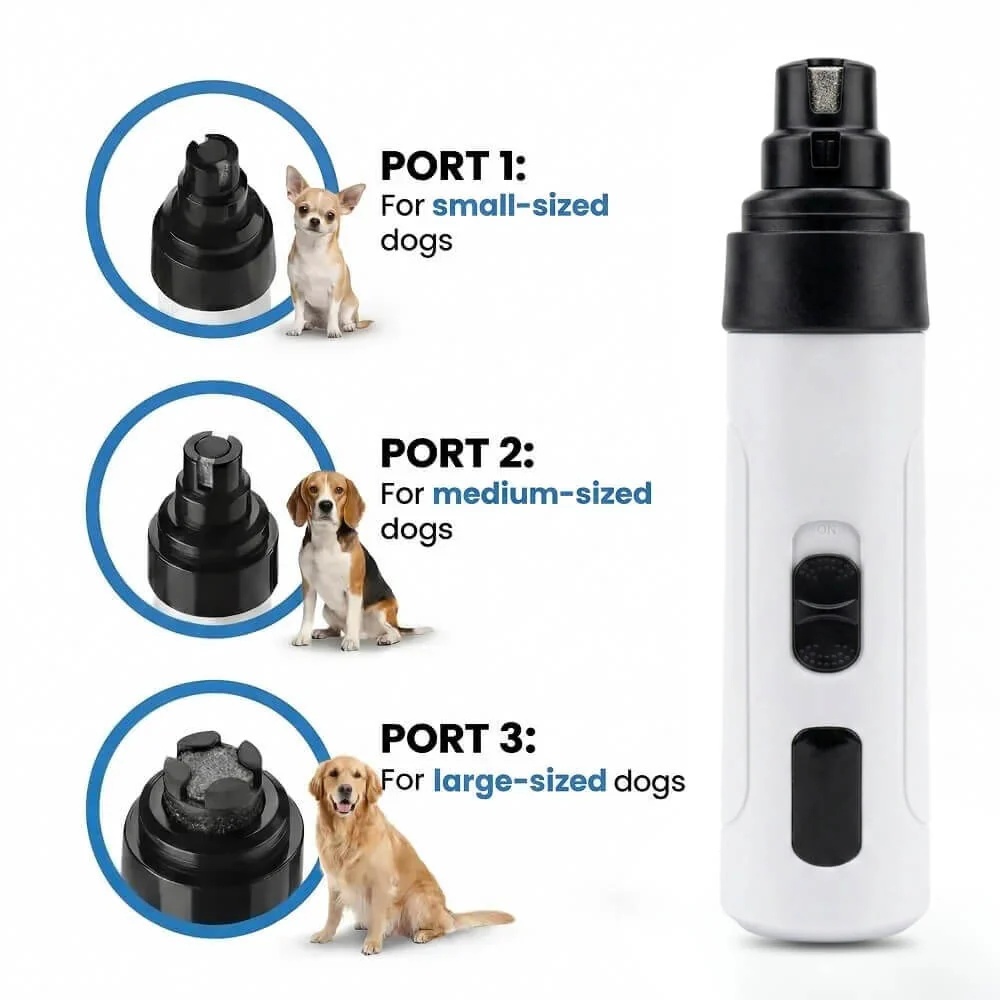
Yes, the Zenpaw Maxpro Grinder is fully optimized for dogs of all sizes.
It features three specialized grooming ports designed to accommodate small, medium, and large breeds safely.
You can use the wide, open port for thicker, larger nails to achieve efficient and painless filing.
Many large-breed owners worry that a quiet grinder will lack the torque necessary to file down thick, strong claws.
However, our high-power DC motor provides robust rotational speed without increasing the noise level.
The precision diamond bit is durable enough to handle even the toughest nails of mastiffs, great danes, and German shepherds.
It gently grinds away the nail material layer by layer, avoiding the splitting that often happens with heavy-duty clippers.
This gradual process gives you complete control over the length, ensuring you never accidentally nick the quick.
By utilizing the appropriate port, you can groom your large dog’s nails efficiently and maintain perfect paw health without any struggle.
How long does the grinder battery last on a single charge?
The device is equipped with a high-capacity, USB-rechargeable battery.
A single full charge provides up to seven hours of continuous, reliable grooming power.
This long battery life ensures you never have to rush through a session due to a dying motor.
For homes with multiple pets, this extended battery capacity is incredibly convenient.
You can easily groom several dogs in one afternoon without needing to stop and plug the device in.
The USB charging port allows you to charge the grinder using a standard phone charger, laptop, or power bank.
This portability makes it easy to maintain your dog’s nail routine even when traveling.
The battery also features an intelligent power-saving chip that prevents overcharging and extends the overall lifespan of the device.
This ensures consistent rotational speed from the first minute of use to the very last.
You will always have a reliable, high-performing tool ready whenever your pet needs a touch-up.
Which speed setting is best for grooming my dog’s nails?
The grinder features dual-speed controls to match your dog’s comfort and nail thickness.
We recommend starting on the low-speed setting to let your dog adapt to the sensation.
The low speed is perfect for fine-tuning the edges and working on sensitive or smaller claws.
You can easily switch to the high-speed setting for faster filing on thick, stubborn claws of larger breeds.
This flexibility allows you to customize the grooming experience based on your dog’s specific behavioral and physical needs.
Anxious dogs often do better when you start slow, as the vibrations are extremely minimal.
As they relax and realize the process is completely painless, you can safely increase the speed to finish the job quickly.
The physical switch is positioned for easy one-handed operation, letting you keep your other hand securely on your dog’s paw.
This seamless control minimizes handling time and keeps the entire experience smooth and efficient.
Does the grinding head get hot during operation?
The Zenpaw Maxpro utilizes advanced low-heat technology to protect your pet’s sensitive paws.
The precision diamond bit design prevents friction heat from building up during use.
Many low-quality grinders heat up rapidly, which can burn the nail and cause extreme discomfort for your pet.
Our engineered design dissipates heat efficiently, ensuring the grinding tip remains cool to the touch.
However, you should still alternate between claws to keep the experience completely comfortable for your pet.
We recommend touching the grinder to the nail for just two to three seconds before moving to the next toe.
This rotational method completely eliminates the risk of localized heat sensation.
Your dog will appreciate the gentle, cool touch, and it will prevent them from pulling their paw away.
The combination of low noise, low vibration, and low heat creates the ultimate stress-free grooming environment.
Can a yeast infection spread from one dog to another?
Yeast infections are generally not highly contagious between healthy pets.
The underlying yeast organism, Malassezia, is already naturally present on almost all dogs’ skin.
An overgrowth only occurs when an individual dog’s immune system, skin barrier, or systemic health is compromised.
For example, a dog with severe environmental allergies is far more likely to develop an infection than a healthy companion.
However, if multiple dogs in your household share the same damp environment, they may all develop similar symptoms.
Walking in the same muddy yard or wet grass can trigger fungal flare-ups in all your pets simultaneously.
It is also good hygiene to avoid sharing grooming tools between infected and healthy dogs without sanitizing them first.
Always clean your grinder or clipper thoroughly with an alcohol wipe after grooming an infected paw.
This simple precaution keeps your grooming routine sanitary and prevents the mechanical transfer of active fungal spores.
Conclusion
Resolving that stubborn musty paw odor takes a dedicated routine of clean, dry care and precise grooming. The Zenpaw Maxpro 3-in-1 Grinder makes home nail maintenance safe, painless, and completely stress-free. Ready to transform nail trimming from a battle into a breeze? Explore the Zenpaw Maxpro 3-in-1 Grinder. Call: **302-307-1000** — our team can help you advise on the best grooming practices and help with any product questions.
Note: Individual results may vary depending on individual dog breeds, nail thickness, and behavioral temperaments. This article is intended for general pet grooming reference purposes only and does not replace professional veterinary advice.