
I still remember the sheer panic of seeing my golden retriever limping, only to discover his dog nail bed swollen, raw, and oozing from a painful split claw. The guilt was overwhelming, knowing my old, crushing clippers had caused the microscopic hairline fractures that let the bacteria in. That terrifying moment drove our family to develop the Zenpaw Maxpro 3-in-1 Grinder, designed to keep paws perfectly shaped and safe without ever risking those painful, crushing injuries again.
Maxpro 3-in-1 Grinder.
Stress-Free Nail Trimming.
Whisper-quiet DC motor (<40 dB) eliminates fear & discomfort. Features 3 ports, dual speeds, and 7-hour battery life. Safe, precise, and painless.
In This Article
- Anatomy of Canine Claws: Learn to spot the primary causes of claw irritation and painful soreness.
- Home Paw Remedies: Understand how warm Epsom salt soaks reduce inflammation naturally.
- Supportive Recovery Steps: Step-by-step procedures for managing raw, inflamed cuticles safely.
- Stress-Free Nail Maintenance: Discover how to desensitize your dog using whisper-quiet technology.
Why Is My Dog’s Nail Bed Swollen? Real Answers from Pet Care Experts
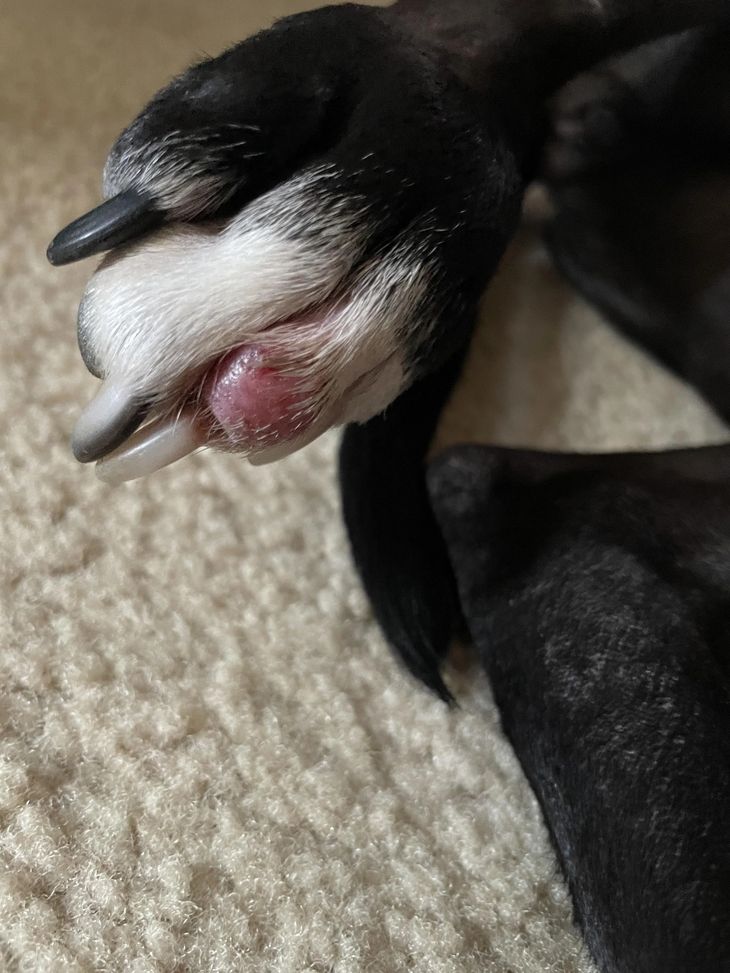
When you discover your dog nail bed swollen and painful, it is crucial to recognize that this localized swelling is typically a physical response to claw trauma, split nails, or micro-cracks in the outer protective shell.
According to clinical observations shared by the American Kennel Club, paw cuticle issues frequently arise when active dogs crack their nails on rough outdoor terrain or hard concrete surfaces during routine exercise.
This structural breakdown allows opportunistic bacteria or yeast to enter the surrounding tissue, creating a highly sensitive and painful dog nail sore.
Any canine can develop this condition, especially active outdoor breeds or dogs with long, unmaintained claws that constantly strike the ground and push the nail back into the joint.
The swelling usually peaks within twenty-four hours of the initial injury, presenting as red, inflamed skin at the base of the nail where it meets the skin fold.
Home care should begin immediately in a calm, stress-free environment to prevent the localized swelling from spreading deeper into the delicate toe bone structure.
Understanding how these minor injuries happen helps you react swiftly and with compassion, ensuring your pet does not suffer from ongoing paw discomfort.
To manage this issue safely at home, start by preparing a warm, shallow paw bath filled with dissolved magnesium sulfate, commonly known as Epsom salt.
Submerge the irritated paw gently for ten minutes to naturally draw out impurities, reduce fluid buildup, and soothe the raw, throbbing tissues.
Once the soak is complete, pat the paw completely dry with a clean, lint-free microfiber towel to ensure no moisture remains between the toes.
Apply a gentle, non-stinging antiseptic spray formulated specifically for canines to neutralize any lingering surface bacteria or yeast spores.
Secure the area with a light, breathable dog nail bandage to keep outdoor debris out and prevent constant, obsessive licking.
If you want to handle your pet’s nail maintenance safely at home to prevent these cracks from forming, the Zenpaw Maxpro Grinder provides painless, quiet filing — explore it here.
99-Day 100% Money-Back Guarantee
“Ever since we started using the Zenpaw Maxpro Grinder, it’s been such a peaceful experience. It’s very quiet, and my dog actually relaxes. It’s turned our stressful sessions into quick, quiet grooming times.”
— Sarah M. | ✔ Verified Customer
- ✓ Prevents Infection & Splitting
- ✓ Ideal for All Dog Sizes
- ✓ Low-Vibration Technology
- ✓ Fast 2-7 Days Delivery
Need Support? Call 302-307-1000
Understanding Canine Nail Anatomy: Where Is the Quick?
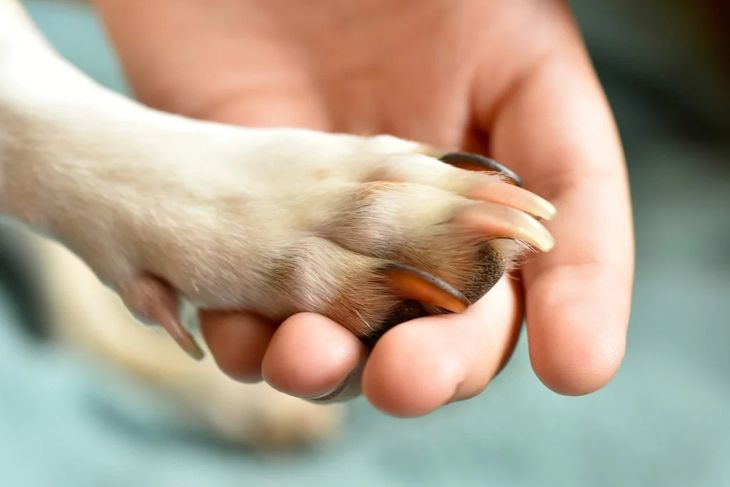
Canine claw anatomy is vastly different from human fingernails, featuring a highly vascularized core known as the quick.
The quick contains highly sensitive nerve endings and a direct blood vessel supply that feeds the hard outer keratin shell.
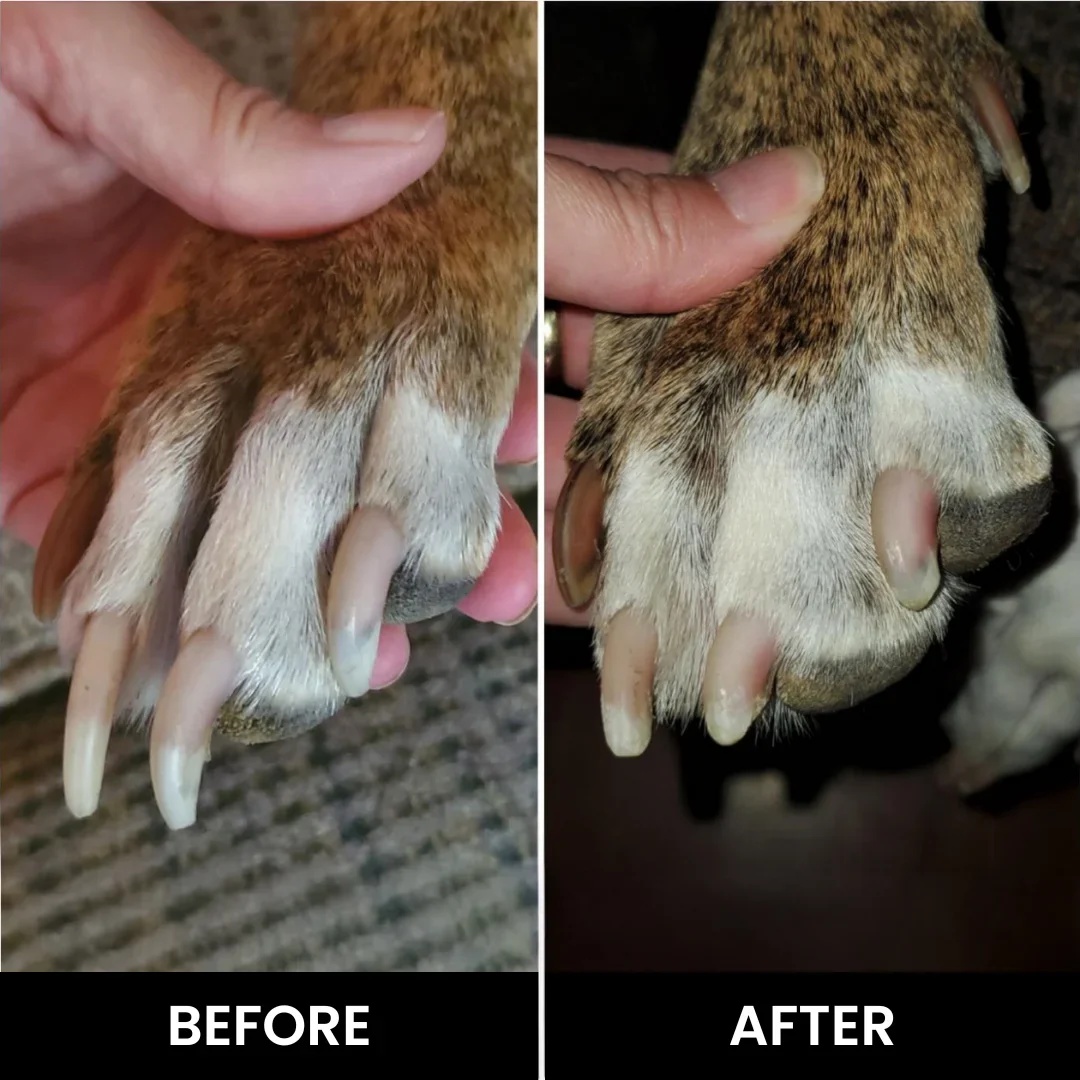
When a dog’s nail strikes hard pavement, a dull set of traditional metal clippers can violently crush this delicate structure.
This heavy crushing force creates microscopic hairline fractures along the keratin sheath that often go unnoticed by owners.
Over time, dirt, moisture, and yeast seep into these cracks, leading to a painful dog nail sore.
The surrounding skin fold, called the paronychial border, quickly becomes red, warm to the touch, and visibly swollen.
This painful condition is known as canine paronychia, which refers to localized inflammation of the claw’s skin border.
Many owners panic when they accidentally clip too close to this vascular core during high-stress grooming sessions.
While a torn or over-cut nail is highly painful and bleeds profusely, many wonder, can a dog bleed out from a nail injury?
The short answer is no, a healthy dog will not bleed out from a standard claw injury because their natural clotting mechanisms will eventually halt the flow.
However, the raw, open wound left behind is incredibly vulnerable to secondary bacterial invaders that cause swollen claw cuticles.
This is why keeping the claw short and smooth is a vital part of preventative health care.
By using a controlled, non-crushing tool like the Zenpaw Maxpro Grinder, you eliminate the violent jarring force that splits nails open.
Swollen Paw Cuticle Home Remedies: The Science of Epsom Salt Paw Soaks
Epsom salt, chemically known as magnesium sulfate, is an exceptional mineral compound with a long history of supportive paw care.
When dissolved in warm water, it creates an osmotic gradient that gently draws out inflammatory fluids and reduces swelling in the tissue.
The magnesium ions are absorbed transdermally, helping to soothe localized discomfort and relax tight paw muscles.
This natural process makes it one of the most effective swollen paw cuticle home remedies available to pet parents.
Regular warm soaks also help loosen stubborn dirt, debris, and microscopic yeast spores trapped deep within the claw fold.
However, Epsom salt must never be applied to open, actively bleeding wounds, as this can cause intense stinging and delay natural clotting.
It is also crucial to prevent your pet from drinking the soak water, as magnesium sulfate acts as a strong laxative in canines.
Always supervise your dog closely during the soak, keeping their head elevated and offering high-value treats to build a positive association.
After soaking, rinsing the paw with fresh, clean water is a smart practice to remove any lingering salty residue.
Thorough drying is the final, non-negotiable step because moisture is the primary breeding ground for fungal infections.
Keeping claws short through stress-free maintenance prevents them from curving back and pressing into the sensitive paw pad.
Paw Cuticle Inflammation Treatment: Safe Antiseptic Care and Protective Measures
When seeking an effective paw cuticle inflammation treatment, cleanliness is your first line of defense.
Veterinary professionals frequently recommend using a diluted chlorhexidine wash to clean the affected area twice daily.
Chlorhexidine is highly effective against both bacterial pathogens and yeast, making it an invaluable addition to your home first-aid kit.
If you do not have chlorhexidine, a highly diluted povidone-iodine solution, mixed until it resembles the color of weak tea, works beautifully.
Avoid using harsh household chemicals, rubbing alcohol, or hydrogen peroxide on inflamed skin, as these substances damage healthy cells and prolong recovery.
During the healing phase, you should completely avoid using cosmetic products like decorative dog nail polish on your pet’s claws.
These cosmetic formulas can trap harmful moisture and chemicals against the healing cuticle, leading to further irritation.
Keep your dog’s exercise limited to short, leash-controlled walks on clean, dry grass to prevent dirt from entering the healing cuticle.
If your dog is highly energetic and resists regular nail trimming, you might have experimented with a dog sandbox to file nails as an alternative solution.
While sandbox scratch boards can help file down the front claws, they do not provide the precision required to avoid tearing a vulnerable, healing nail bed.
To achieve maximum safety and surgical precision, a whisper-quiet electric grinder allows you to sculpt the nail roundly and smoothly without touching the inflamed cuticle.
If you notice any foul-smelling discharge, extreme lethargy, or if your dog refuses to put any weight on the leg, please consult a veterinary clinic immediately.
How to Safely Grind and Soak Your Dog’s Nails at Home

Performing a therapeutic paw soak and nail trimming session requires patience, preparation, and the right tools.
To prepare an effective Epsom salt bath, mix two tablespoons of pure, unscented Epsom salt into a quart of lukewarm water.
Fill a shallow tub or basin just deep enough to cover the top of your dog’s paw claws.
If your dog is highly anxious or wriggly, you can use a comfortable towel or blanket to gently swaddle dog to cut nails or perform the paw soak.
Swaddling provides a secure, calming sensation that reduces the natural struggle reflex during sensitive claw care sessions.
Once the paw is thoroughly soaked, dried, and healed, you must establish a stress-free maintenance routine to prevent future issues.
Introducing an electric nail grinder to an anxious dog should always be a gradual, reward-based process.
Start by letting your dog sniff the turned-off grinder while feeding them their favorite high-value treats.
Next, turn the device on to let them hear its low, gentle hum without actually touching their paws.
The Zenpaw Maxpro 3-in-1 Grinder operates with a whisper-quiet motor that stays under forty decibels, making this step incredibly easy.
Unlike loud, vibrating hardware-store tools, our premium motor will not startle or trigger your pet’s acute flight response.
When grinding the nail, always hold the device at a precise forty-five-degree angle relative to the natural slope of the claw.
Work in brief, gentle two-to-three-second bursts on each individual claw to prevent friction heat from building up.
Friction heat can cause pain in the sensitive inner quick, even if you are nowhere near the blood vessels.
By moving steadily from nail to nail, you allow the keratin to cool down, ensuring a painless experience throughout the session.
Avoiding Critical Grooming Mistakes That Lead to Nail Bed Swelling
One of the most common mistakes pet owners make is using old, dull scissor-style clippers on thick canine claws.
Dull metal blades do not slice through the nail cleanly; instead, they crush the circular structure under immense pressure.
This intense compression causes the outer keratin layers to splinter and separate from the living tissue inside.
These tiny structural cracks serve as direct highways for dirt, fecal matter, and wet grass microbes to invade the nail bed.
Another frequent error is rushing through a nail grooming session out of sheer frustration or anxiety.
When you rush, you are highly likely to cut too deep, causing severe pain and bleeding that damages your dog’s trust.
A single traumatic grooming experience can create a lifetime of fear, aggression, and avoidance behaviors in your pet.
Transitioning to the Zenpaw Maxpro 3-in-1 Grinder allows for incredibly gradual, millimeter-by-millimeter filing control.
You can slowly file away the sharp edges, shaping the claw into a perfect, smooth dome that will not snag on carpets.
This smooth finish prevents the claw from splitting when your dog runs, leaps, or plays outdoors.
By replacing high-pressure clipping with gentle, controlled grinding, you actively protect your pet from painful cuticle infections.
Frequently Asked Questions About Dog Nail Bed Health
Is the Zenpaw Grinder safe for large, thick dog claws?
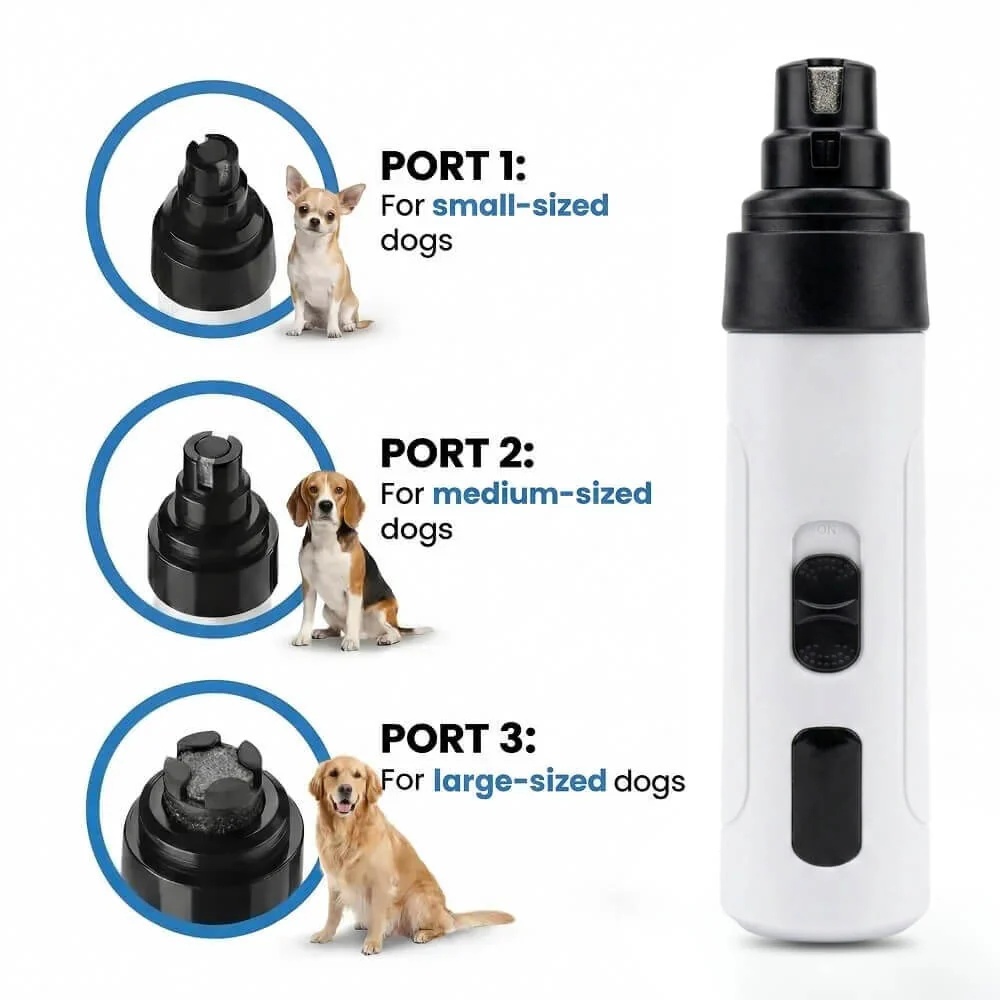
Yes, the Zenpaw Maxpro Grinder is specifically designed with three distinct ports to safely accommodate small, medium, and large dog breeds.
The wide-open port allows you to easily file down even the thickest, toughest canine claws without bogging down the heavy-duty motor.
The diamond-bit grinding wheel provides ample abrasive power to smoothly shape dense nails with ease.
How long does the battery last on a single charge?
Our advanced lithium-ion battery provides up to seven continuous hours of operating life on a single charge.
The device is fully rechargeable via a universal USB cable, allowing you to charge it using your phone block, laptop, or car port.
This long battery life ensures you never have to stop midway through a grooming session due to a dead battery.
Which speed setting is best for grooming an anxious dog?
We highly recommend starting on the low-speed setting when introducing the grinder to a sensitive or highly anxious dog.
The low speed offers maximum control and minimal vibration, allowing your dog to adjust to the sensation of the rotating wheel.
Once your dog feels completely relaxed, you can easily toggle to the high-speed setting for faster, more efficient shaping.
Does the grinding wheel get hot during extended use?
The Zenpaw Maxpro uses specialized low-heat technology to prevent friction heat from building up on the grinding tip.
Unlike cheap plastic alternatives that heat up rapidly, our high-quality brass shaft keeps the grinding head cool.
However, we still advise moving the grinder from nail to nail to ensure your pet remains comfortable throughout the process.
How can I identify if my dog’s swollen claw cuticle requires veterinary diagnostics?
If you notice thick, green discharge oozing from the cuticle or if the toe is hot to the touch, immediate veterinary support is required.
Other warning signs include extreme lethargy, persistent limping, or a complete loss of appetite.
A veterinary team can perform a physical assessment and provide appropriate prescription antibiotic care to quickly settle the issue.
Keeping your dog’s paws healthy and free of painful swelling requires constant care and safe grooming tools.
Team Zenpaw is here to help you transform stressful nail trims into quiet, bonding moments of comfort.
Ready to transition from stressful trims to a gentle breeze?
Try the Zenpaw Maxpro 3-in-1 Grinder risk-free today.
Call us at 302-307-1000 for personalized support.