I still remember the absolute panic of hearing my sweet dog yelp after a walk, only to find a claw split to the bleeding quick. Our stressful journey with slo dog nails began that afternoon, turning routine grooming into a battle of fear and painful clippers. That was before we discovered whisper-quiet grooming, which restored peace and painless care to his highly sensitive, healing paws.
Maxpro 3-in-1 Grinder.
Stress-Free Nail Trimming.
Whisper-quiet DC motor (<40 dB) eliminates fear & discomfort. Features 3 ports, dual speeds, and 7-hour battery life. Safe, precise, and painless.
In This Article
- Understanding SLO Dog Nails: Learn how autoimmune claw disease affects your dog’s paws.
- Symptom Identification: Spot the early signs of lupoid onychodystrophy before claws shed.
- Veterinary & Care Protocols: Discover effective dietary and management strategies.
- Stress-Free Paw Maintenance: Master safe, pain-free nail filing for compromised canine claws.
Understanding SLO Dog Nails: What Pet Parents Need to Know About Autoimmune Claw Disease
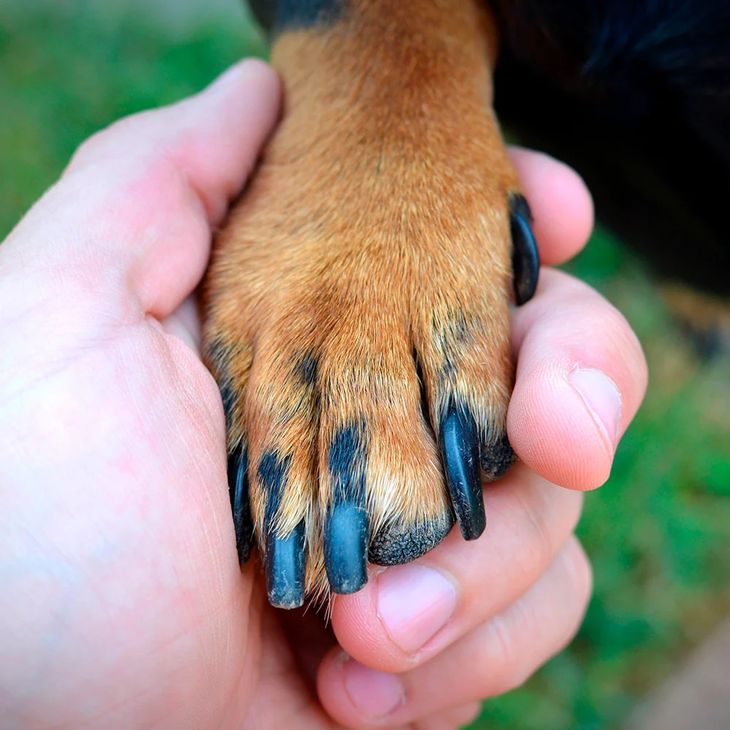
Symmetric Lupoid Onychodystrophy, commonly known as SLO, is a challenging inflammatory condition that targets the claw beds of domestic canines.
This disorder causes the immune system to mistakenly attack the soft tissues surrounding the nail matrix, leading to rapid degradation of the outer shell.
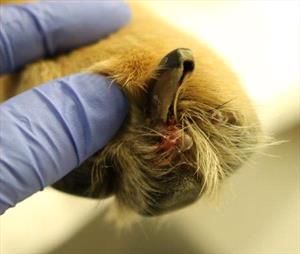
If you have noticed your companion’s claws lifting, peeling, or splitting without clear physical trauma, they may be experiencing lupoid onychodystrophy in dogs.
Unlike simple injuries that affect only a single toe, SLO is highly symmetric and typically manifests across multiple paws simultaneously.
This disease is widely recognized as one of the most severe dog nail disorders seen by veterinary dermatologists today.
It regularly transforms smooth, sturdy protective structures into painful, splintered fragments that crumble under normal walking pressure.
Pet parents often mistake the initial phases of this condition for active outdoor play injuries or simple environmental wear.
However, when you observe brittle dog nails beginning to crack on multiple digits, a systemic issue is almost certainly at play.
As the disease progresses, it completely disrupts the normal keratinization process, causing the claw to lose its structural integrity.
Understanding the underlying mechanism of this condition is the first crucial step toward restoring your canine companion’s comfort and mobility.
Our team at Zenpaw wants to reassure you that while this condition requires ongoing vigilance, it can be managed effectively with gentle care.
By shifting your grooming routine toward low-impact, stress-free filing methods, you can prevent unnecessary physical trauma to these highly sensitive structures.
The Zenpaw Maxpro 3-in-1 Grinder provides the exact touch-sensitive, low-vibration control required to smooth ragged edges without sending painful shockwaves up the compromised limb.
99-Day 100% Money-Back Guarantee
“Ever since we started using the Zenpaw Maxpro Grinder, it’s been such a peaceful experience. It’s very quiet, and my dog actually relaxes. It’s turned our stressful sessions into quick, quiet grooming times.”
— Sarah M. | ✔ Verified Customer
- ✓ Prevents Infection & Splitting
- ✓ Ideal for All Dog Sizes
- ✓ Low-Vibration Technology
- ✓ Fast 2-7 Days Delivery
Need Support? Call 302-307-1000
Recognizing Lupoid Onychodystrophy in Dogs Symptoms Early
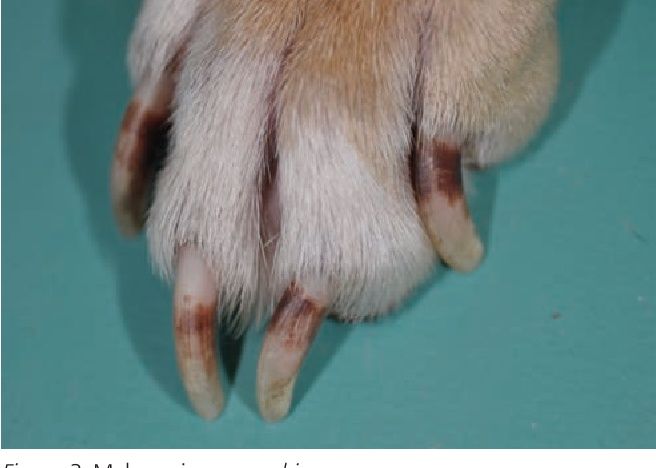
Identifying lupoid onychodystrophy in dogs symptoms in their infancy can prevent weeks of hidden discomfort for your pet.
The earliest clinical sign is often a sudden change in how your dog walks, indicating localized foot pain.
You may observe them repeatedly licking their paws, focusing intensely on the nail beds where the initial inflammation develops.
Within days, you will notice the outer claw casing beginning to dry out, lose its natural luster, and separate from the skin line.
This separation inevitably leads to a dog nail falling off, which exposes the highly sensitive, vascular quick beneath.
Many pet owners panic when they find a dog toenail fell off on the carpet or during a light run in the yard.
If this occurs on multiple paws without a clear blunt-force injury, it strongly points to the classic presentation of SLO.
Once one claw drops, others usually follow in rapid succession over the next few weeks.
An exposed quick is incredibly tender and becomes a prime gateway for dirt, debris, and environmental pathogens.
Without prompt intervention and clean grooming practices, a secondary, highly painful dog nail infection can easily develop.
This infection will cause the toe to swell, redden, and exude a foul-smelling discharge, increasing your dog’s distress.
Seeing your beloved companion limp is heartbreaking, especially when multiple limbs are affected by this autoimmune response.
Managing the surrounding tissue with extreme gentleness is paramount during these delicate recovery phases.
Anatomical Breakdown of SLO Progression
To help you visualize how this condition develops, here is a breakdown of the physical progression of SLO inside the paw tissue:
| Stage | Physical Signs on Paw | Recommended Care Protocol |
|---|---|---|
| Early Phase | Licking, mild swelling, redness around skin line. | Begin gentle foot baths and avoid traditional clippers. |
| Separation Phase | Claw casing lifts, cracks, and begins shedding. | Keep the area clean; use low-vibration filing on loose edges. |
| Regrowth Phase | New, severely deformed, or misshapen nails emerge. | Shape nails gently at a 45-degree angle to prevent snagging. |
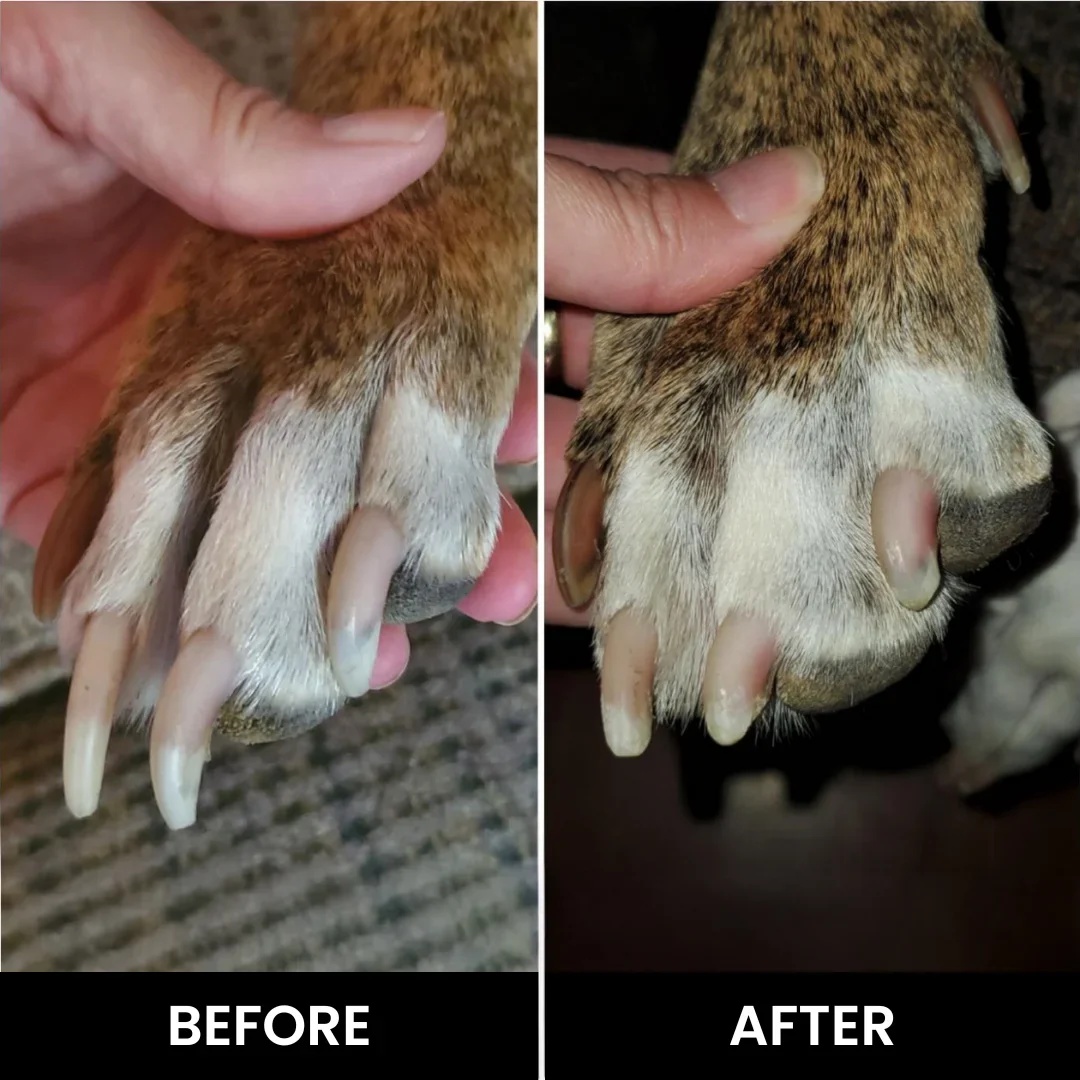
During the regrowth phase, the newly emerging claws are often soft, highly irregular, and prone to immediate splitting.
They lack the strong, protective keratin structure of healthy claws and must be maintained with meticulous care.
If you leave these misshapen nails long, they will catch on carpets, grass, or blankets, resulting in a painful dog lost toenail incident.
Navigating Brittle Claws and Dietary Support
Supporting your canine companion through an autoimmune claw issue requires both systemic care and localized maintenance.
Since the immune system is actively attacking the nail bed, veterinary teams often recommend high-dose fatty acid supplements.
Omega-3 and Omega-6 fatty acids serve as natural anti-inflammatory agents that help calm the localized immune response.
Additionally, adding Biotin to your dog’s daily routine can provide the necessary structural building blocks to strengthen unhealthy dog nails.
While these dietary adjustments work from the inside out, you must also manage the external condition of the claws.
A brittle nail is highly vulnerable to longitudinal splitting, which can run straight up into the live tissue of the quick.
Traditional guillotine clippers apply tremendous crushing force across the diameter of the nail, which frequently shatters brittle casings.
Using a high-quality grinder allows you to gently sand down the edges, removing the tension without cracking the delicate shell.
The statistical realities of canine claw health illustrate just how common these structural issues are:
This data highlights the critical importance of patience and consistency when managing compromised canine paws.
By protecting the healing claw bed from mechanical stress, you allow the interior supplements to do their work undisturbed.
Gentle Paw Care and Stress-Free Grooming for Sensitive Claws
When your dog is dealing with the extreme sensitivity of SLO, grooming can quickly become a terrifying ordeal for them.
The mere sight of nail tools can trigger severe anxiety, causing them to pull away, whine, or hide.
To break this cycle of fear, you must introduce a grooming tool that operates with minimal noise and physical vibration.
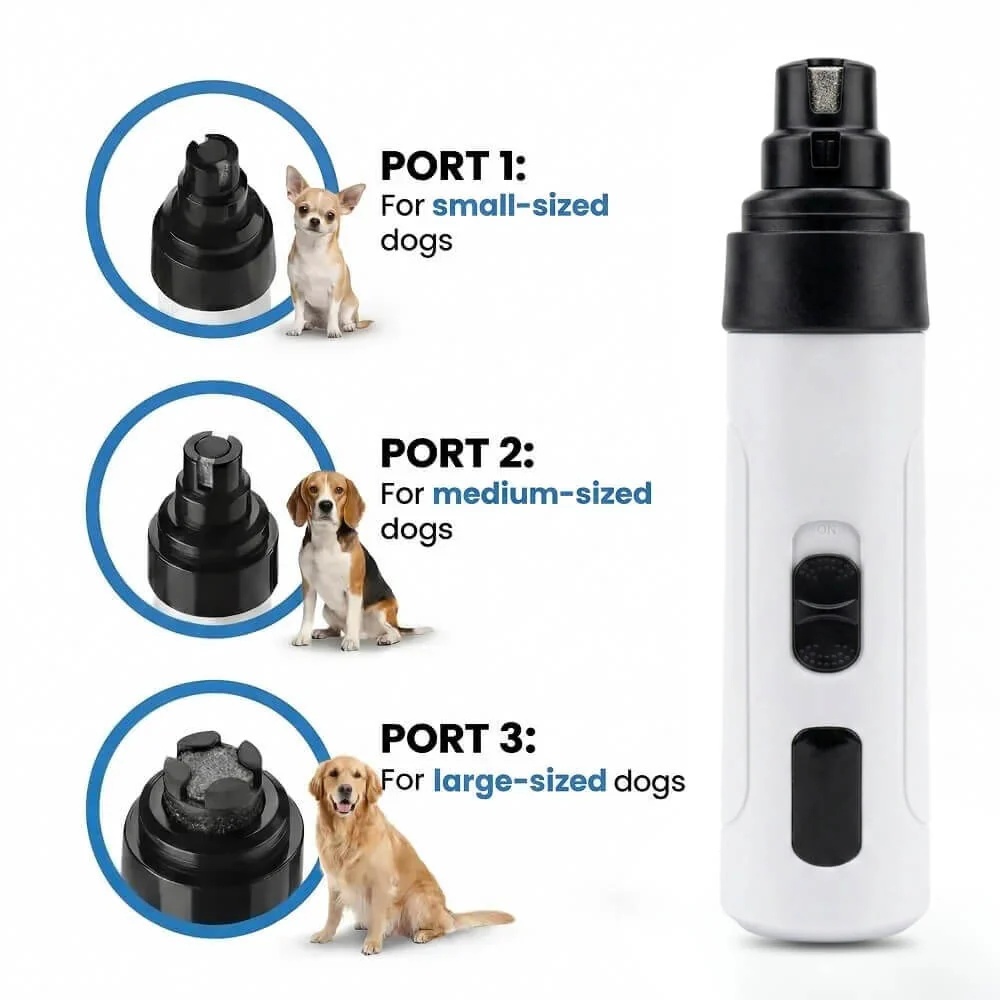
The Zenpaw Maxpro 3-in-1 Grinder features an advanced DC motor that runs at a whisper-quiet level of under 40 decibels.
This ultra-quiet operation ensures your dog does not associate nail maintenance with startling, high-pitched mechanical sounds.
To begin the recovery grooming process, work in a calm, well-lit space where your pet feels completely secure.
Hold their paw gently but firmly, supporting the individual toe to minimize any lateral movement or joint strain.
Touch the grinder to the very tip of the nail for only one to two seconds at a time to prevent any localized heat buildup.
Always hold the grinding wheel at a precise 45-degree angle relative to the natural growth curve of the claw.
This angle allows you to create a smooth, rounded edge that is highly resistant to snagging on household surfaces.
If you encounter a nail that has already begun to split, work from the top of the split downward to prevent further tearing.
Take your time, offer high-value treats, and celebrate small victories to keep the entire experience positive and bonding.
The Step-by-Step Desensitization Protocol
If your dog has developed severe anxiety from previous painful clipping experiences, follow this gradual desensitization plan:
- The Sound Introduction: Turn on the Zenpaw Maxpro Grinder on its lowest speed while sitting several feet away from your dog, offering their favorite treats. Do this for two minutes daily until they show zero signs of concern.
- The Tactile Touch: With the grinder turned off, gently touch the plastic casing of the tool to your dog’s paw pad, immediately rewarding them with praise. Repeat this step until they comfortably allow you to handle their paws with the tool present.
- The Gentle Contact: Turn the grinder on its lowest speed and touch the vibrating handle—not the stone—to your dog’s leg to get them used to the physical sensation. Once they remain relaxed, proceed to file a single nail tip for one second, gradually building up over several sessions.
This slow, systematic approach builds lasting trust and ensures your dog remains calm during essential wellness maintenance.
Avoiding Grooming Pitfalls That Exacerbate Claw Damage
Many well-meaning pet parents accidentally worsen their dog’s claw pain by using the wrong tools or rushing the process.
The absolute most common mistake is continuing to use dull, traditional clippers on structurally weakened nail shells.
When clippers squeeze a brittle claw, the pressure causes microscopic fractures to shoot upward toward the sensitive root.
This mechanical trauma can cause a partially attached claw to tear away prematurely, leading to intense pain and heavy bleeding.
Another frequent pitfall is holding a rotary tool in one spot for too long, which creates rapid friction heat.
The nerve endings inside an inflamed claw bed are highly sensitive to heat, and even mild warmth can cause a sharp pain response.
To avoid this, use a rhythmic “tap-and-release” motion to allow the nail surface to cool between touchpoints.
Additionally, never pull or yank on loose claw casings that are still partially attached at the base skin line.
If a casing is hanging loosely, gently file down the rough edges to prevent it from snagging, but allow it to shed naturally.
Rushing through a grooming session when your dog is showing clear signs of stress will only solidify their fear of paw handling.
The Zenpaw Maxpro’s dual-speed control allows you to start on a very gentle setting, keeping the process slow, predictable, and completely safe.
Frequently Asked Questions About SLO and Paw Care
Conclusion: Supporting Your Companion’s Paw Journey
Managing the daily discomfort of SLO requires a highly empathetic approach, protective care, and the absolute gentlest grooming tools available.
Ready to transform nail trimming from a battle into a breeze? Explore the Zenpaw Maxpro 3-in-1 Grinder. Call: 302-307-1000 — our team can help you advise on the best grooming practices and help with any product questions.
Note: Individual results may vary depending on individual dog breeds, nail thickness, and behavioral temperaments. This article is intended for general pet grooming reference purposes only and does not replace professional veterinary advice.