I still remember when my Golden Retriever hid his paws, and a sour dog nail yeast infection smell filled the room. It broke my heart to see him lick his red, irritated claw beds while traditional clippers terrified him. Finding a stress-free routine with the Zenpaw Maxpro 3-in-1 Grinder kept his nails short and clean, saving his paws from painful moisture build-up.
Maxpro 3-in-1 Grinder.
Stress-Free Nail Trimming.
Whisper-quiet DC motor (<40 dB) eliminates fear & discomfort. Features 3 ports, dual speeds, and 7-hour battery life. Safe, precise, and painless.
In This Article
- Unmasking the Odor: Why dog claws smell like corn chips, cheese, or vinegar.
- The Biological Culprit: How Malassezia overgrowth attacks the delicate ungual fold.
- Visual Diagnosis: How to spot early signs of fungal infection and cuticle inflammation.
- Anti-Fungal Solutions: Practical home washes and safe, stress-free grooming protocols.
Why Your Dog’s Paws Smell: Unmasking the Yeast Infection Odor
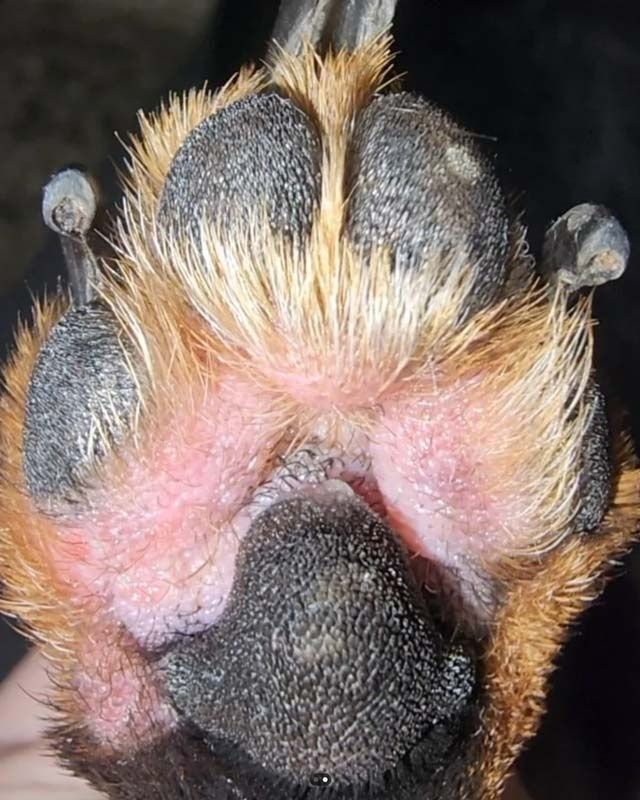
Have you noticed a strong, corn-chip aroma coming from your pet’s paws?
This is a highly common issue for many dog parents.
A healthy dog’s paw should have almost no scent at all.
However, a distinct dog paws smell like cheese or musty vinegar is not normal.
This smell is often the first warning sign of a fungal overgrowth.
You are likely dealing with a primary dog nail yeast infection smell.
Dogs naturally carry microscopic fungi on their skin and claw beds.
Under normal conditions, their immune system keeps these microbes in perfect balance.
But when moisture, dirt, and warmth get trapped under the claw, yeast multiplies rapidly.
This uncontrolled growth creates a deep, pungent odor that does not wash away easily.
The exact yeast strain responsible for this is called Malassezia pachydermatis.
It thrives in dark, humid crevices like the space between the paw pad and the nail cuticle.
If your dog constantly licks their feet, they are adding warm saliva to the mix.
This saliva creates the ultimate breeding ground for fungal spores.
Soon, the odor intensifies into a strong yeast infection dog nails smell.
Ignoring this odor can lead to deeper skin issues and severe discomfort.
As a caring pet parent, identifying this smell early is key to protecting your dog’s mobility.
Regular grooming and keeping nails short can significantly reduce the damp spaces where yeast loves to hide.
The Science Behind Fungal Overgrowth in Canine Claw Beds
To understand how to defeat this problem, we must look closely at canine anatomy.
The area where the nail meets the skin is called the ungual fold.
This is a highly sensitive pocket of tissue that protects the nail root.
Because it is deep and narrow, it easily traps water after walks, baths, or swims.
When your dog walks on wet grass, moisture collects inside this tiny fold.
If the nails are too long, they push the toes upward and spread the pads.
This structural change allows even more debris and dampness to settle into the nail bed.
This trapped moisture triggers an aggressive inflammatory response.
The canine body tries to fight off the moisture, but the skin barrier weakens.
Once the barrier is compromised, a dog nail bed yeast infection takes hold.
This condition causes intense itching, leading to obsessive chewing and licking.
The more the dog licks, the more the skin swells and traps more yeast.
It becomes a painful, endless cycle of itching, licking, and smelling.
This specific process produces the heavy musty paw odor dog nail yeast that owners complain about.
Over time, the chronic moisture leads to a secondary bacterial or dog nail infection.
Veterinary dermatologists note that allergies also play a massive role in this condition.
Food allergies or environmental pollen can cause your dog’s skin to produce excess oils.
Yeast feeds directly on these natural skin lipids, fueling even faster reproduction.
By maintaining short, smooth nails, you eliminate the debris traps that start this chain reaction.
99-Day 100% Money-Back Guarantee
“Ever since we started using the Zenpaw Maxpro Grinder, it’s been such a peaceful experience. It’s very quiet, and my dog actually relaxes. It’s turned our stressful sessions into quick, quiet grooming times.”
— Sarah M. | ✔ Verified Customer
- ✓ Prevents Infection & Splitting
- ✓ Ideal for All Dog Sizes
- ✓ Low-Vibration Technology
- ✓ Fast 2-7 Days Delivery
Need Support? Call 302-307-1000
How to Recognize Yeast Infections in Dog Paws and Nails
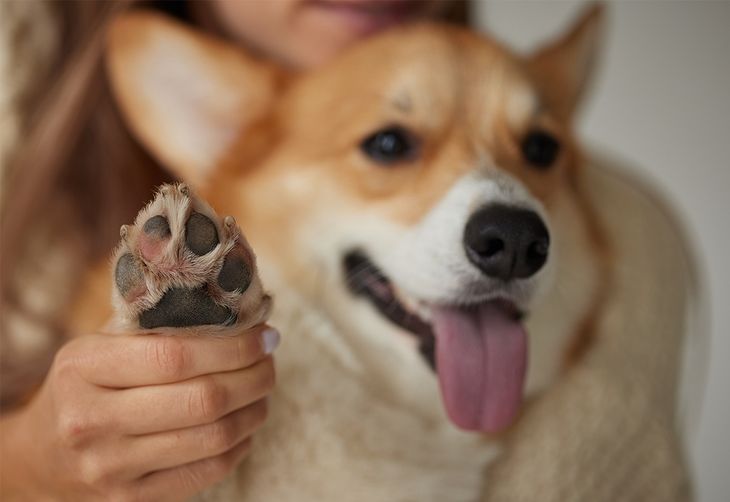
Identifying a yeast infection in its early stages can save your pet from days of pain.
The most reliable way to start is to identify yeast infections in dog paws using visual signs.
First, gently lift your dog’s paw and look closely at the base of each claw.
You want to spot early-stage redness and swelling around claw beds before it spreads.
Healthy claw beds should have pink or black skin that is completely dry and clean.
In contrast, infected claw beds will look inflamed, shiny, or intensely red.
Another clear sign is a rusty brown or orange-red staining on the fur surrounding the nail.
This discoloration is caused by porphyrins, which are natural pigments found in dog saliva.
When a dog licks their paws constantly to soothe the itch, the fur stains dark brown.
To truly protect your pet, you must understand common symptoms of canine nail yeast infections.
These symptoms include limping, sensitivity to touch, and frequent shaking of the paws.
Your dog might also resist having their paws handled during routine cuddle times.
You must also look for any physical buildup around the cuticle area.
An active fungal colony will often produce a thick, waxy, or greasy residue.
We must work to prevent crusty or dark discharge around dog cuticles from hardening.
This crusty buildup acts like a shield, protecting the yeast from topical treatments.
If you see dry, flaky debris around the nail root, the infection has likely been present for weeks.
It helps to compare fungal claw symptoms with healthy pet paws to see the difference clearly.
Healthy paws are odorless, dry, flexible, and free of any discoloration or crust.
If you see any of these warning signs, review some dog nail bed yeast infection pictures to confirm your suspicions.
These visual guides can help you determine if a veterinary visit is necessary.
Knowing the visual symptoms helps you take fast action before the yeast causes deep tissue damage.
Comparison: Healthy Paws vs. Fungal Paw Yeast Infections
| Visual & Physical Marker | Healthy Pet Paws | Fungal Claw Symptoms |
|---|---|---|
| Odour Profile | No smell, or very light earthy scent | Strong Fritos, cheese, or vinegar odor |
| Skin & Cuticle Color | Natural pink or black pigment | Vivid red, angry pink, or rusty brown stains |
| Discharge & Debris | Completely clean and dry | Greasy, crusty, or dark waxy discharge |
| Grooming Comfort | Calm during safe nail grinding | High sensitivity, pulling away, or whining |
Complete Anti-Fungal Paw Care: Treating Smelly Yeast Dog Nails
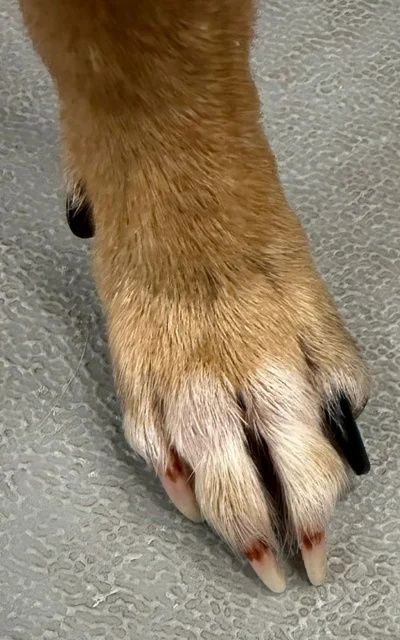
Once you confirm the issue, it is time to start treating smelly yeast dog nails with a targeted routine.
Fungal infections require consistent, daily care to fully clear up.
The first step in your care plan should be a soothing, therapeutic paw bath.
Many owners look for effective home remedies for dog nail bed infection to start.
A warm water soak mixed with organic apple cider vinegar is an excellent choice.
Apple cider vinegar naturally alters the pH level of the skin, making it highly inhospitable to yeast.
Mix equal parts of warm water and unfiltered apple cider vinegar in a shallow tub.
Soak your dog’s paws in this solution for five to ten minutes daily.
Be sure to dry the paws thoroughly with a clean, microfiber towel afterward.
Never leave the paws damp, as any remaining moisture will feed the surviving yeast.
For advanced cases, you may need a medicated anti-fungal shampoo containing ketoconazole or chlorhexidine.
Lather the shampoo deeply into the spaces between the toes and around the cuticles.
Let the medicated lather sit on the skin for a full ten minutes before rinsing.
This contact time is crucial for the active ingredients to kill the fungal spores.
During the healing process, you must also address the strength of the nail itself.
A weak or splitting nail is highly vulnerable to a deeper dog nail fungus.
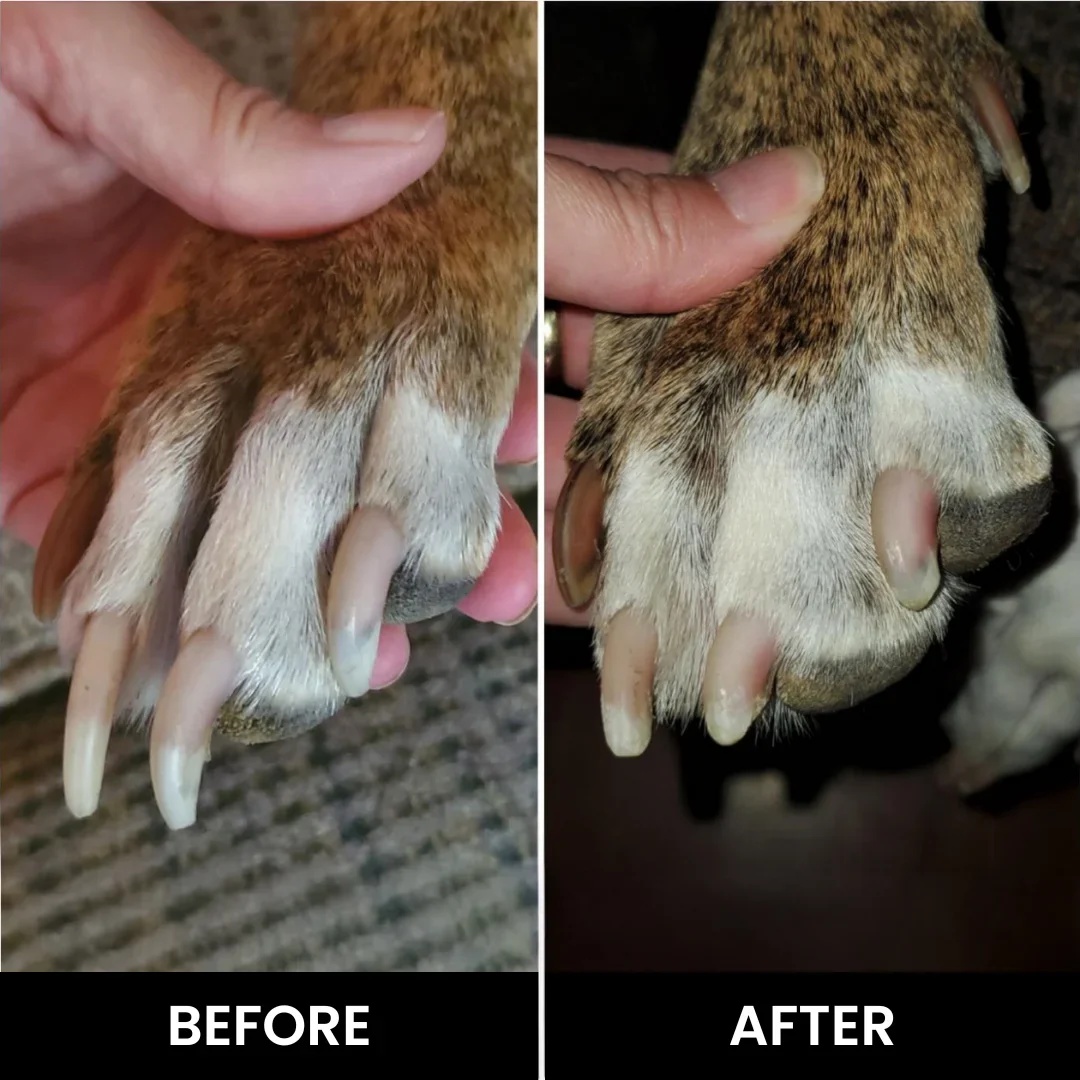
Keep the nails trimmed short so they do not trap dirt and moisture against the skin.
We recommend using a gentle grinder instead of sharp clippers to avoid cracking the dry, infected nail.
By combining anti-fungal washes with proper nail maintenance, you will eliminate the root causes of the odor.
The Crucial Role of Safe Nail Trimming in Fungal Prevention
Long nails are more than just an aesthetic issue for your dog.
When nails grow too long, they alter how your dog’s foot contacts the ground.
The toes are forced to splay outward, which opens up the deep pockets between the pads.
These open spaces collect dirt, moisture, and yeast spores much faster.
Furthermore, long nails curl under and trap moist debris directly against the sensitive nail bed.
This constant contact allows a persistent dog nail yeast infection symptoms to develop.
Trimming the nails regularly keeps the toes tight and aligned.
This natural alignment protects the ungual fold from being exposed to ground moisture.
However, trimming infected nails with traditional metal clippers can be incredibly painful.
Traditional clippers apply intense, crushing pressure directly to the dry, sensitive nail.
This pressure can crack the nail, creating micro-fissures where yeast can hide and breed.
This is why professional groomers recommend switching to a high-quality nail grinder.
A grinder gently files away the nail tissue molecule by molecule.
This process eliminates the painful pinching and cracking associated with old-fashioned clippers.
By grinding the nails weekly, you keep the quick short and prevent yeast from nesting in cracked edges.
Step-by-Step Grooming Guide with the Zenpaw Maxpro Grinder
Using the right tool makes all the difference when dealing with sensitive, yeast-prone paws.
The Zenpaw Maxpro 3-in-1 Grinder was designed specifically for anxious dogs and delicate paws.
Its whisper-quiet motor operates at under 40 decibels to prevent triggering your dog’s flight response.
To begin, you must properly introduce the grinder to your pet.
Do not turn the grinder on immediately when you first unbox it.
Let your dog sniff the turned-off device while offering high-value treats.
Once they associate the physical tool with treats, turn the motor on its lowest speed.
Hold the vibrating grinder a few feet away from your dog while continuing to reward them.
Slowly bring the quiet tool closer to their paws over several short training sessions.
Touch the body of the grinder to their leg so they get used to the gentle vibration.
When your dog is completely relaxed, you can begin the actual filing process.
Gently hold the paw and isolate a single nail between your fingers.
Always hold the grinder wheel at a precise 45-degree angle against the tip of the nail.
This specific angle ensures a smooth, rounded finish that resists splitting and cracking.
Apply the grinder to the nail for only two to three seconds at a time.
This brief contact prevents heat from building up on the sensitive nail tip.
Move smoothly from nail to nail, rewarding your dog after each successful paw.
The built-in safety port protects the quick from being cut, giving you total peace of mind.
With a little patience, this quiet routine will become a relaxing bonding experience for both of you.
Overcoming Risks and Avoiding Common Grooming Mistakes
Many pet owners make simple mistakes that inadvertently prolong paw yeast infections.
The most common mistake is rushing the grooming process out of frustration.
Rushing often leads to accidentally cutting the quick, which is the live blood vessel inside the nail.
Cutting the quick causes sudden pain, bleeding, and intense panic for your dog.
An open, bleeding nail wound is highly susceptible to invading fungal spores.
Another frequent error is using dull, rusty traditional clippers.
Dull blades do not cut cleanly; instead, they crush and splinter the nail shaft.
These splinters create perfect micro-environments for yeast to colonize.
Using the Zenpaw Maxpro allows you to file the nail down gradually and painlessly.
You can see the healthy nail tissue clearly as you work, preventing any sudden injuries.
It is also a mistake to groom your dog in a humid environment, like a damp bathroom.
Always perform your grooming sessions in a well-ventilated, dry room.
Ensure you clean the grinder’s diamond bit wheel after every use to prevent spreading fungal spores.
A simple wipe down with rubbing alcohol will keep the grinding head completely sanitary.
Avoid applying heavy oils or waxes to the paws immediately after grinding if an active infection is present.
These heavy products can trap moisture against the freshly filed nail beds, feeding the yeast.
By avoiding these common pitfalls, you ensure a safe, clean, and highly effective grooming routine.
Frequently Asked Questions (FAQ)
Is the Zenpaw Grinder safe for large dogs?
Yes, the Zenpaw Maxpro Grinder is completely safe and effective for dogs of all sizes.
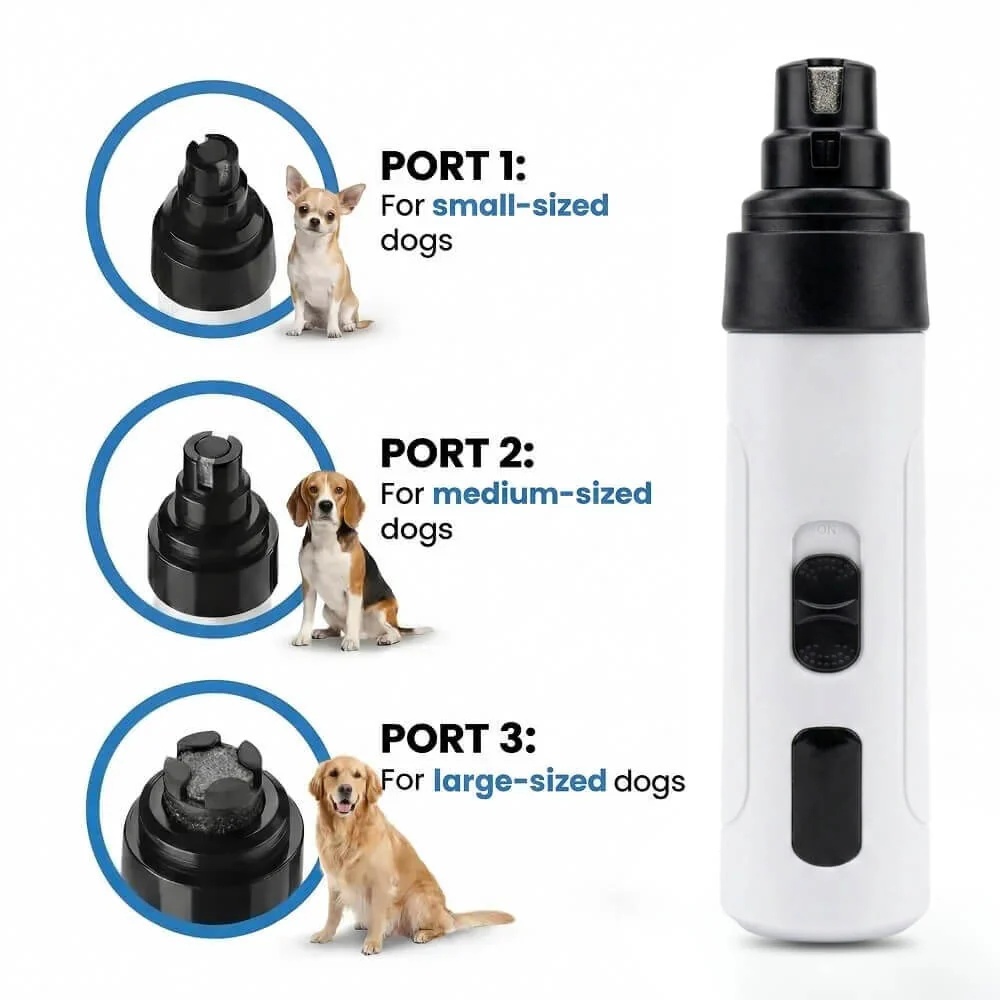
The protective cap features three distinct ports designed to accommodate different nail shapes and thicknesses.
The small port is perfect for tiny toy breeds and delicate puppy nails.
The medium port fits medium-sized dogs comfortably and safely.
For large breeds with thick, heavy claws, you can remove the protective cap entirely to expose the full grinding wheel.
This versatility ensures that every dog in your home receives a safe, customized trim.
How long does the battery last?
The Zenpaw Maxpro features an industry-leading lithium-ion battery that lasts up to seven hours on a single charge.
This extended battery life means you rarely have to worry about the device dying mid-groom.
You can easily complete multiple full grooming sessions before needing to plug it in.
The convenient USB rechargeable design allows you to charge it using your phone charger, laptop, or power bank.
This long-lasting battery makes it the perfect travel companion for pet parents on the go.
Which speed is best?
The grinder offers two adjustable speed settings so you can match the power to your dog’s comfort level.
The low-speed setting is ideal for delicate finishing work and for highly anxious or sensitive pets.
It provides an ultra-gentle, whisper-quiet experience that minimizes any tickling sensations on the paw.
The high-speed setting delivers maximum grinding power for thick, tough claws on larger breeds.
We recommend starting on the low speed to desensitize your dog before moving to the higher speed.
Does it get hot?
No, the Zenpaw Maxpro is engineered with advanced low-heat technology to prevent friction burns.
Standard rotary tools can heat up rapidly, causing painful burning sensations on your dog’s nail.
Our specialized diamond bit grinding wheel disperses heat efficiently to keep the nail cool.
To guarantee complete safety, always avoid holding the grinder on a single spot for more than three seconds.
Tapping the nail in short, gentle bursts ensures the claw remains completely cool and comfortable.
Conclusion: Your Path to Odor-Free, Healthy Paws
Do not let a smelly yeast infection ruin your dog’s comfort.
Keeping nails short, clean, and dry is key to odor-free paws.
Ready to transform nail trimming from a battle into a breeze?
Explore the Zenpaw Maxpro 3-in-1 Grinder.
Call 302-307-1000 for expert grooming advice or product questions today.