
For years, I dreaded Sunday afternoons because wrestling with my golden retriever, Max, to clip his dark nails left us both stressed, shaking, and terrified of hitting the quick. That heartbreaking struggle drove me to research how wolves keep their claws perfectly manicured in the wild, which inspired Team Zenpaw to develop the whisper-quiet Maxpro 3-in-1 Grinder. Let me share how nature handles wild canine nail maintenance so you can easily replicate this stress-free process at home.
Maxpro 3-in-1 Grinder.
Stress-Free Nail Trimming.
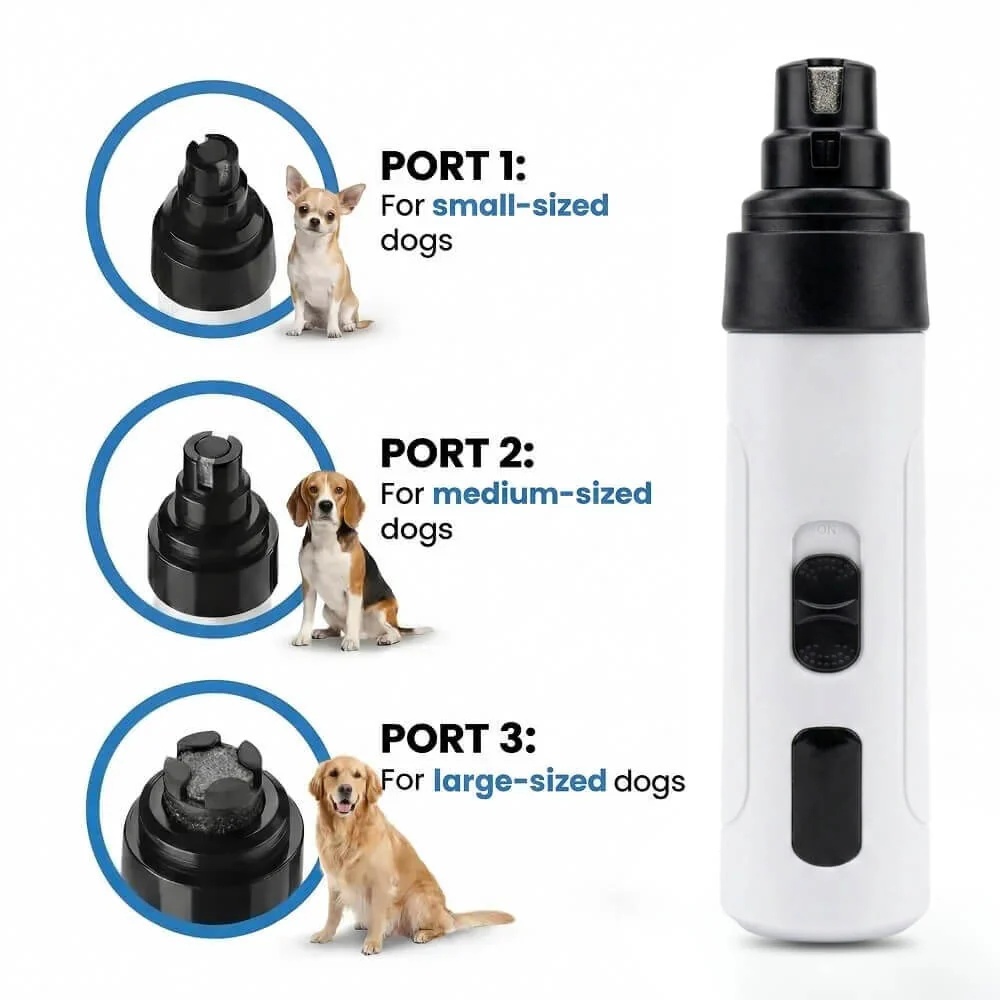
Whisper-quiet DC motor (<40 dB) eliminates fear & discomfort. Features 3 ports, dual speeds, and 7-hour battery life. Safe, precise, and painless.
In This Article
- Discover the biological mechanisms and environmental factors of wild canine nail maintenance.
- Examine how rugged terrain, constant travel, and instinctual digging wear down claws.
- Compare the stark structural differences between wild wolf claws and domestic dog nails.
- Learn how to safely replicate natural filing at home using quiet, low-vibration grinders.
- Address common misconceptions and professional pet-parent anxiety about grooming tools.
How Wild Canines Maintain Claws: The Secret Behind Wild Canine Nail Maintenance
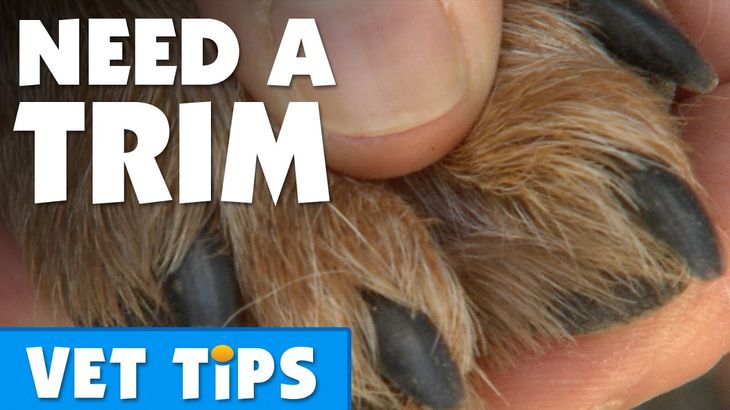
To understand the health of our domestic companions, we must first look closely at their wild ancestors.
Wolves and wild dogs travel vast distances over incredibly harsh, abrasive landscapes every single day.
In the wild, a typical gray wolf will easily log between fifteen and thirty miles per day while hunting.
This endless movement across jagged granite, frozen tundra, coarse gravel, and hard packed soil acts like a heavy duty emery board.
This biological reality explains how do wild dogs trim their nails without human intervention.
As the wild canine runs, the weight of its entire body forces the tip of the claw into the ground.
This intense downward force creates high friction against the abrasive earth.
This friction gradually files down the tough keratin sheath of each claw.
This continuous abrasive contact is the cornerstone of wild canine nail maintenance.
Unlike our pampered domestic pets, wild canines never walk on plush rugs or soft hardwood floors.
Their daily survival demands relentless physical activity over natural sandpaper.
This friction does not just shorten the nails; it actively shapes them into strong, rounded points.
These rounded claws provide exceptional traction during high speed pursuits.
They also prevent the claw from splitting or catching on roots and rocks.
For a wild wolf, proper nail wear is not about cosmetic appearance; it is a life-or-death survival requirement.
A single broken claw or infected toe can compromise a wolf’s speed and cause a hunt to fail.
Over thousands of years, evolution has perfectly tuned this cycle of natural wear and tear.
To bring this same stress-free, natural wear pattern to your living room, we developed the Zenpaw Maxpro 3-in-1 Grinder.
Our goal at Team Zenpaw was to build a tool that safely replicates this exact natural abrasion process without the scary crushing pressure of traditional clippers.
99-Day 100% Money-Back Guarantee
“Ever since we started using the Zenpaw Maxpro Grinder, it’s been such a peaceful experience. It’s very quiet, and my dog actually relaxes. It’s turned our stressful sessions into quick, quiet grooming times.”
— Sarah M. | ✔ Verified Customer
- ✓ Prevents Infection & Splitting
- ✓ Ideal for All Dog Sizes
- ✓ Low-Vibration Technology
- ✓ Fast 2-7 Days Delivery
Need Support? Call 302-307-1000
The Science of Wild Canine Nail Wear: Anatomy of the Wolf’s Paw
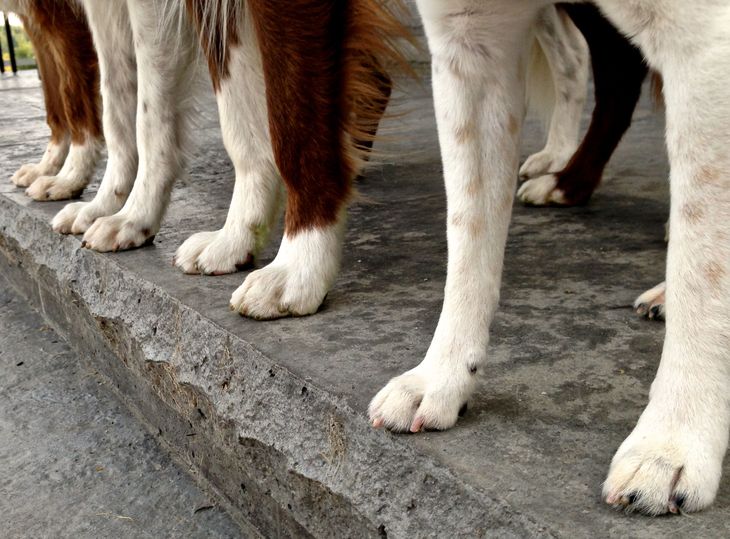
To grasp the efficiency of wild canine nail wear, we must analyze the internal anatomy of the paw.
Inside every dog claw lies the “quick,” a highly sensitive core containing blood vessels and nerve endings.
When a dog owner asks, does walking dog trim nails, the anatomical answer depends heavily on surface resistance.
In wolves, the continuous pressure of walking on abrasive earth triggers a biological response within the nail bed.
As the hard outer keratin wears away, the quick naturally recedes deeper into the claw.
This physiological phenomenon is known as “quick recession.”
Because the quick recedes, wild wolves can maintain extremely short, strong claws without ever bleeding.
Furthermore, many pet parents wonder, does walking a dog help trim nails when they transition from soft grass to hard asphalt.
Walking on hard pavement certainly helps, but it rarely matches the sheer volume of wear experienced by a wild canine.
A wolf’s claw is composed of two primary layers: the hard outer unguis and the softer subunguis underneath.
As the wolf walks, the softer subunguis wears away faster than the hard unguis.
This differential wear pattern creates a self-sharpening claw that curves naturally downward.
This curve ensures that the quick is always protected behind a shield of tough, dead keratin.
This natural anatomy prevents the painful splitting that often plagues domestic dogs who walk mostly on carpet.
By mimicking this natural differential wear with a high quality grinder, we can encourage our domestic dogs’ quicks to recede safely.
This makes future grooming sessions significantly safer and completely pain-free.
Why Indoor Life Causes Canine Nail Overgrowth: Wild vs. Domestic Comparison
Domestic dogs have inherited the exact same claw anatomy as their wild wolf ancestors.
However, their modern lifestyles are vastly different from the active lives of wild packs.
Most domestic dogs spend their days on smooth hardwood, vinyl floors, or soft carpets.
These comfortable, man-made surfaces offer virtually zero frictional resistance to the claws.
Instead of wearing down naturally, domestic dog nails grow continuously without restriction.
Over time, this lack of natural wild dog claw wear leads to severe overgrowth.
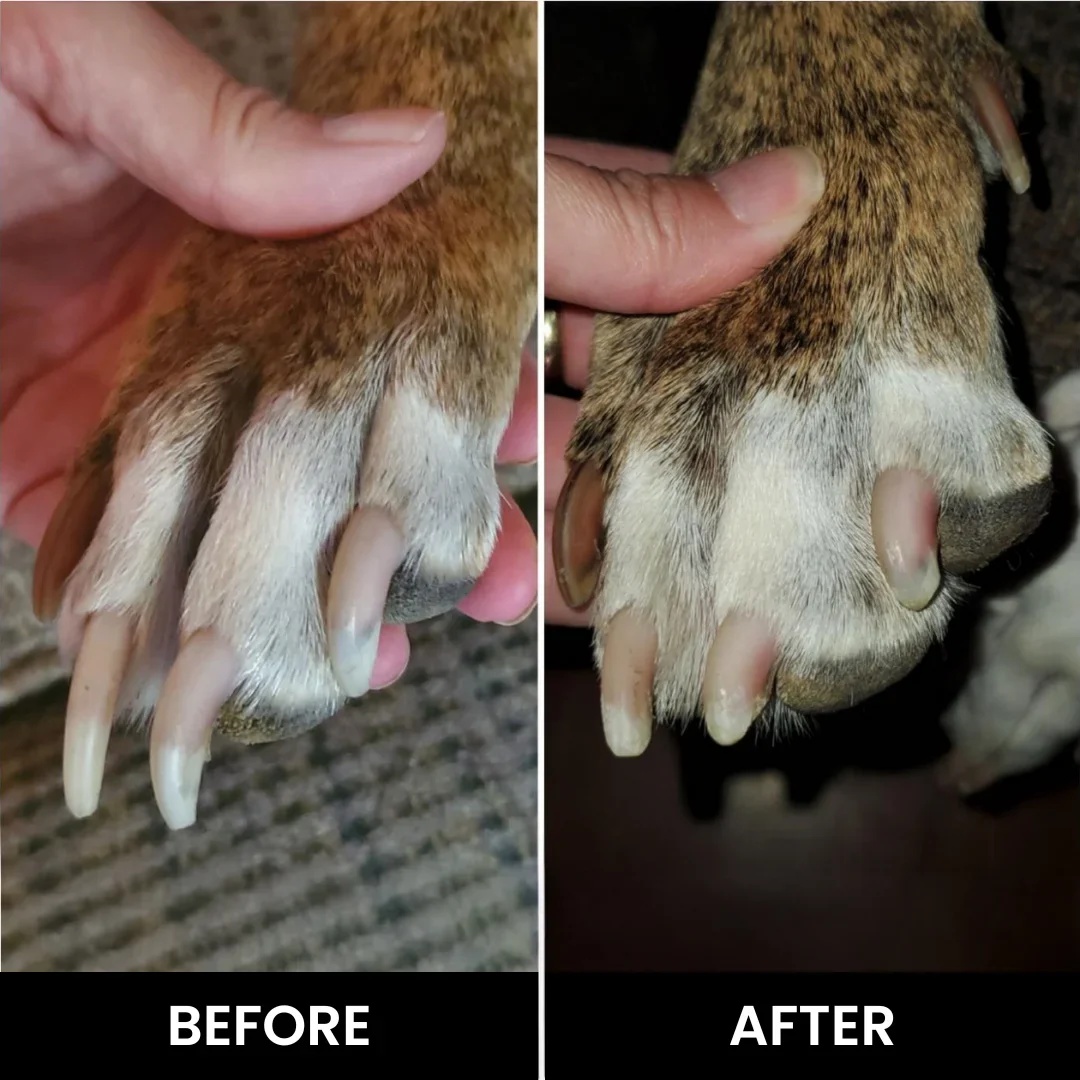
When nails grow too long, they push the toes upward, altering the dog’s natural skeletal alignment.
This structural misalignment puts immense pressure on the joints, potentially leading to early arthritis.
Let us look at the fundamental differences between wild wolves and modern domestic dogs:
| Grooming Aspect | Wild Wolves & Canines | Domestic Indoor Dogs |
|---|---|---|
| Daily Travel Distance | 15 to 30 miles per day | 1 to 3 miles per day |
| Walking Terrain | Granite, gravel, rock, frozen soil | Carpet, hardwood, smooth tile, grass |
| Nail wear mechanism | Constant natural abrasion (sandpaper effect) | Requires artificial clipping or grinding |
| Quick Recession Rate | High; quick is naturally kept very short | Low; quick grows long inside untrimmed claws |
| Injury Risk | Low; nails are naturally strong and rounded | High; long nails split, crack, or snag easily |
This comparison shows why domestic dogs require active assistance to maintain proper paw health.
Without regular trimming, the internal quick will grow longer and longer alongside the outer nail.
This makes future trimming extremely difficult, as even a small cut can sever the long quick and cause intense pain.
Replicating this natural wear through safe, regular grooming is the best way to keep your dog’s paws healthy.
Replicating Nature at Home: Safe and Stress-Free Grooming Guide
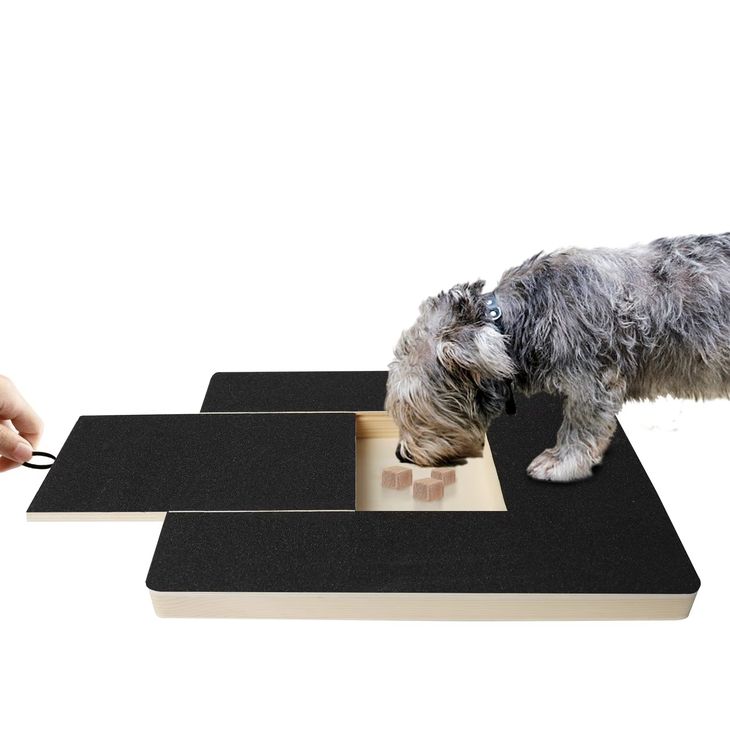
Many concerned dog owners find themselves asking: can dogs file their own nails naturally?
In a typical home environment, dogs cannot easily file their own nails without our deliberate help.
Some clever pet parents build a specialized dog sandbox to file nails as an interactive behavior.
Others purchase an abrasive dog nail file toy to encourage self-filing through play.
While these creative solutions help with the front paws, they rarely trim the rear dewclaws or provide even wear.
Additionally, you might wonder: is walking on cement enough to trim dog’s nails effectively?
For most indoor dogs, brief walks on concrete are simply not frequent enough to replace regular grooming.
This is where a high quality nail grinder becomes an essential, life-changing tool for your pet’s wellness routine.
To safely replicate nature at home, you must introduce the grinder through a gentle step-by-step desensitization process.
First, place the turned-off Zenpaw Maxpro Grinder near your dog and reward them with their favorite high-value treat.
Once your dog associates the physical device with a positive reward, turn the motor on at its lowest speed setting.
Our whisper-quiet motor runs at under 40 decibels, ensuring your dog will not be startled by loud, vibrating noises.
Let your dog listen to this soft hum from a comfortable distance while you feed them continuous treats.
Next, gently touch the vibrating body of the grinder to your dog’s leg to get them used to the mild sensation.
When your dog remains completely relaxed, you can begin the actual nail filing process.
Hold your dog’s paw securely but gently, separating a single toe from the rest of the foot.
Hold the Zenpaw Maxpro Grinder at a precise 45-degree angle relative to the natural slope of the claw.
Apply light, gentle pressure for no more than two to three seconds per nail to avoid heat buildup.
Always work in short, repetitive increments to replicate the natural, gradual wear of a wild canine.
With patience and positive reinforcement, your dog will quickly learn to relax completely during grooming sessions.
The Danger of Traditional Clippers: Why Grinding Replicates Natural Wear Best
Many pet owners struggle with old-fashioned, heavy-duty guillotine or scissor-style clippers.
These traditional metal clippers work by violently crushing the hard nail shaft until it snaps apart.
This sudden crushing pressure is highly uncomfortable and can easily crack or split the sensitive claw.
Even worse, clippers make it incredibly easy to accidentally cut the hidden, sensitive quick.
This traumatic experience causes sudden, sharp pain and heavy bleeding, leaving lasting emotional scars on your pet.
Once a dog has had their quick cut, they often develop a severe, long-term fear of any grooming tools.
Thankfully, you can easily keep dog nails short without clipping ever again.
A precision grinder works by gently filing away the nail structure atom by atom, mimicking natural erosion.
This gradual filing method allows you to see the exact structural changes in the nail tip as you work.
As you grind down the outer shell, you will notice a small, dark dot appearing in the very center of the nail.
This dark circle is the protective boundary of the quick, warning you exactly when to stop grinding.
This visual indicator completely eliminates the guesswork and stress of trimming dark or black nails.
Furthermore, our Zenpaw Maxpro features specialized low-heat technology to prevent friction-based burning.
This ensures your pet’s sensitive paw pad remains cool, comfortable, and completely safe throughout the session.
Frequently Asked Questions About Canine Nail Care
Conclusion
Ready to transform nail trimming from a battle into a breeze? Explore the Zenpaw Maxpro 3-in-1 Grinder. Call: 302-307-1000 — our team can help you advise on the best grooming practices and help with any product questions.