
My heart used to sink every time I brought out the heavy metal nail clippers, watching my golden retriever, Bella, tremble and scramble to hide under the dining table. I felt like a monster trying to find the hidden quick on her dark claws, terrified of causing her pain. That was until I discovered the debate around a dog scratch mat vs board, which completely transformed our stressful grooming routine into a game.
Maxpro 3-in-1 Grinder.
Stress-Free Nail Trimming.
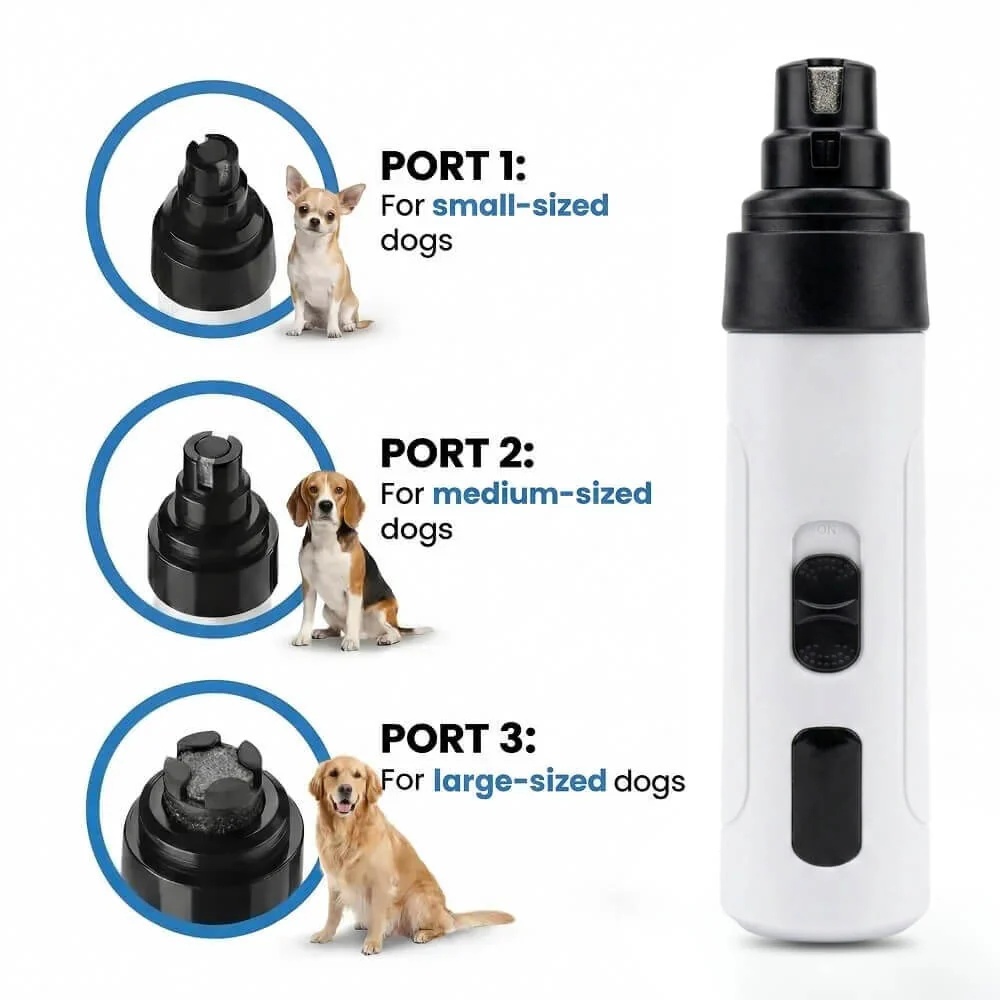
Whisper-quiet DC motor (<40 dB) eliminates fear & discomfort. Features 3 ports, dual speeds, and 7-hour battery life. Safe, precise, and painless.
In This Article
- Understanding the Core Differences: How scratch mats and solid boards function to file nails.
- Canine Anatomy Explained: The role of friction in preventing painful quick injuries.
- The Selection Guide: Determining which tool fits your dog’s temperament and physical size.
- Step-by-Step Training: Transforming nail filing into a reward-based cooperative game.
- The Ultimate Solution: Combining scratch tools with precision whisper-quiet grinding.
Dog Scratch Mat vs Board: The Ultimate Dilemma for Pet Parents
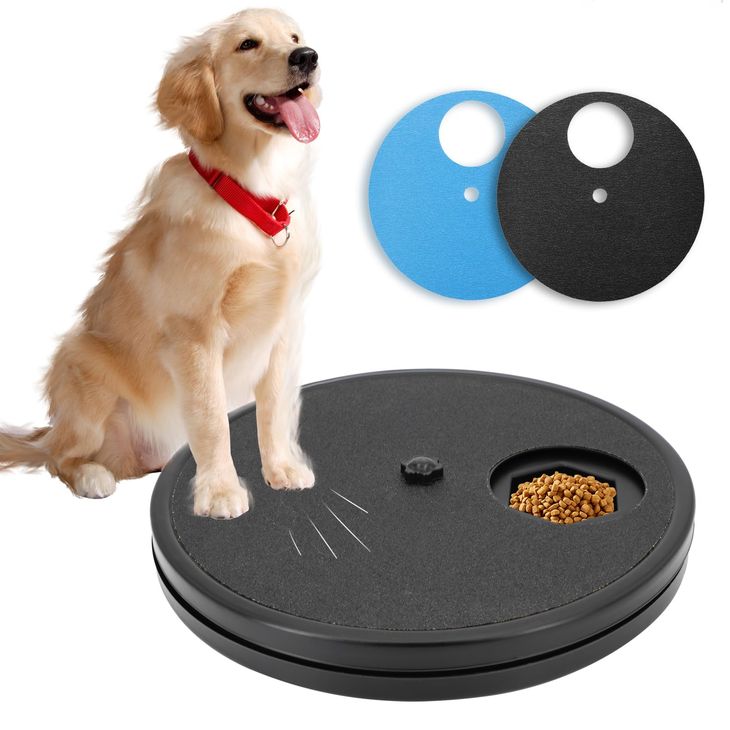
Choosing the correct nail maintenance tool can feel incredibly overwhelming for dedicated dog owners.
Traditional metal clippers often cause significant stress because they violently squeeze and crush the sensitive claw.
This pressure can lead to painful splintering and can accidentally sever the vascular nerve bed known as the quick.
Friction filing has emerged as a widely celebrated, low-stress alternative to traditional clipping methods.
By using a dedicated dog nail scratching board, you encourage your dog to shorten their own nails through natural scratching motions.
However, many pet parents quickly run into a confusing choice: should they buy a flexible scratch mat or a solid scratch board?
A scratch mat is typically crafted from flexible, non-slip silicone or heavy-duty fabric backed by coarse abrasive sandpaper.
These mats are designed to lie completely flat on the floor or wrap around curved surfaces to accommodate varied scratching angles.
In contrast, a rigid board is usually built from solid hardwood, heavy plastic, or density fiberboard.
This rigid construction allows you to prop the board up at an angle against a couch, wall, or your own legs.
Understanding the unique physical properties of each option is the first step toward stress-free nail care.
At Team Zenpaw, we recognize that every dog possesses a distinct personality and physical structure.
What works beautifully for an adventurous, food-motivated Labrador might completely terrify a sensitive, sound-avoidant Toy Poodle.
By examining the differences between these two tools, you can match the perfect device to your dog’s unique behaviors.
We believe that grooming should never feel like an exhausting battle of physical strength.
Our goal is to help you build a peaceful, cooperative care routine that respects your dog’s personal comfort boundaries.
Let us explore the core differences in construction, durability, and usability to find your ideal fit.
Key Differences: Material, Durability, and Dog Preference
When evaluating these tools, you must compare their physical structure, longevity, and overall ease of training.
A high-quality best dog nail scratch board provides a stable, unyielding surface that handles intense friction.
Large, powerful breeds exert massive force when they dig their paws downward against a surface.
A rigid wooden board absorbs this downward physical energy without bending, sliding, or bunching up under their paws.
This structural stability helps build immediate confidence in anxious dogs who dislike unstable surfaces.
On the other hand, flexible scratch mats are highly valued for their lightweight portability and versatile placement options.
You can easily roll a mat up to pack inside a travel bag or storage drawer.
You can also wrap a flexible mat around a step or a bolster to change the angle of scratch contact.
However, lightweight mats can sometimes slide across slick tile or hardwood floors if they lack a high-quality rubber backing.
This unexpected movement can startle a nervous dog and set your training progress back by several weeks.
To help you visualize these differences clearly, we have compiled a detailed comparison table below.
| Feature Component | Flexible Scratch Mat | Rigid Scratch Board |
|---|---|---|
| Primary Base Material | Flexible silicone, heavy canvas, or rubber backing | Solid hardwood, plywood, or reinforced plastic |
| Abrasive Surface Type | Adhesive emery cloth, light sandpaper, or textured silicone | Heavy-duty replaceable grip tape or coarse sandpaper grit |
| Optimal Usage Angle | Lies completely flat (0 degrees) or wraps around curves | Propped at an angle (30 to 45 degrees) or laid flat |
| Target Breed Size | Best for small to medium breeds with lighter scratching force | Ideal for large, heavy, or highly athletic dog breeds |
| Portability & Storage | Highly rollable, extremely lightweight, and space-saving | Requires a dedicated storage spot; rigid and non-foldable |
| Nail Contact Area | Primarily files the center tips of the front claws | Files claws at an ergonomic angle to mimic natural wear |
As you review these physical attributes, ask yourself: how does my dog naturally scratch?
Many owners wonder, can dogs file their own nails effectively on these surfaces?
The answer is a resounding yes, provided you select the tool that matches their natural scratching posture.
If your dog prefers to scratch while standing up and reaching forward, a rigid board propped at an angle is highly effective.
The angle ensures that the tips of the nails meet the abrasive grit head-on, filing them down safely.
If your dog prefers to dig while lying down on their belly, a flat scratch mat on the floor is much more intuitive.
Our veterinary advisory team notes that utilizing these natural postures is the best way to keep dog nails short without clipping.
By removing the scary cutting sensation, you help your pet build positive psychological associations with paw maintenance.
99-Day 100% Money-Back Guarantee
“Ever since we started using the Zenpaw Maxpro Grinder, it’s been such a peaceful experience. It’s very quiet, and my dog actually relaxes. It’s turned our stressful sessions into quick, quiet grooming times.”
— Sarah M. | ✔ Verified Customer
- ✓ Prevents Infection & Splitting
- ✓ Ideal for All Dog Sizes
- ✓ Low-Vibration Technology
- ✓ Fast 2-7 Days Delivery
Need Support? Call 302-307-1000
Understanding Canine Nail Anatomy: Why Friction Filing Works
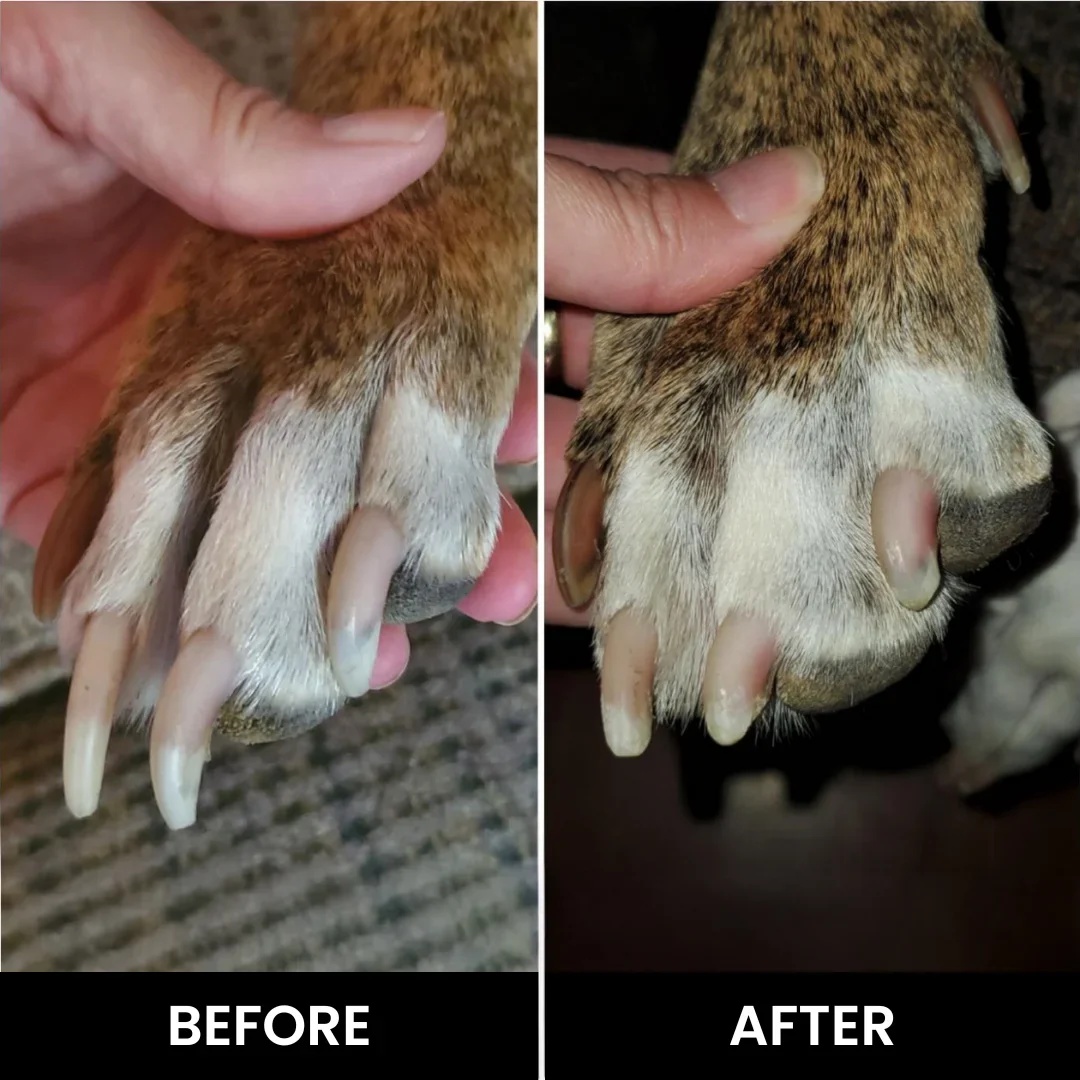
To truly appreciate the health benefits of scratch tools, you must understand the basic anatomy of a dog’s claw.
Unlike human fingernails, which are flat and grow on top of the skin, a dog’s nail is a complex, three-dimensional structure.
It consists of a hard outer shell made of keratin, which wraps around a sensitive inner core called the quick.
The quick contains live blood vessels and highly sensitive nerve endings that connect directly to the digit’s bone.
When you use traditional clippers, the pressure can squeeze the outer keratin shell inward, causing micro-fractures.
If you cut even a millimeter too close to the quick, it can result in sharp, sudden pain and profuse bleeding.
This painful experience is the primary reason so many dogs develop a severe, long-lasting phobia of nail care.
Using a dog nail file board completely avoids this crushing mechanism.
Friction filing wears away the hard keratin outer shell in extremely thin, microscopic layers.
This slow, gradual reduction allows you to stop the moment you see the darker, softer tissue of the quick beginning to appear.
Furthermore, regular friction filing actually encourages the blood vessels within the quick to slowly recede over time.
As the tip of the nail is gently filed back, the body naturally shortens the vascular bed to protect the nerve endings.
This anatomical adaptation means that even dogs with severely overgrown claws can safely achieve shorter, healthier nails.
Keeping the claws short is not just an aesthetic preference; it is a critical health requirement.
When a dog’s claws grow too long, they hit the ground with every step they take.
This continuous upward pressure forces the toes to splay outward and alters the natural alignment of the entire leg.
Over time, this unnatural posture puts immense, painful stress on the wrist, elbow, shoulder, and spinal joints.
This chronic skeletal misalignment can accelerate the development of painful osteoarthritis in senior dogs.
By utilizing scratch boards and mats, you protect your dog’s joint health and help them maintain an active, pain-free life.
How to Choose: Mat or Board for Your Dog’s Specific Needs
Selecting the perfect tool requires a careful evaluation of your dog’s physical size, weight, and temperament.
If you share your home with a small breed like a Chihuahua or a Yorkie, a flexible scratch mat is often the perfect starting point.
These petite dogs do not exert enough downward force to wear down their nails on exceptionally rigid, steep boards.
A soft, textured silicone or light emery mat provides just enough gentle friction to shorten their tiny, delicate claws.
Additionally, you can easily place a flat mat on your lap to create a safe, cozy space for your small dog to scratch.
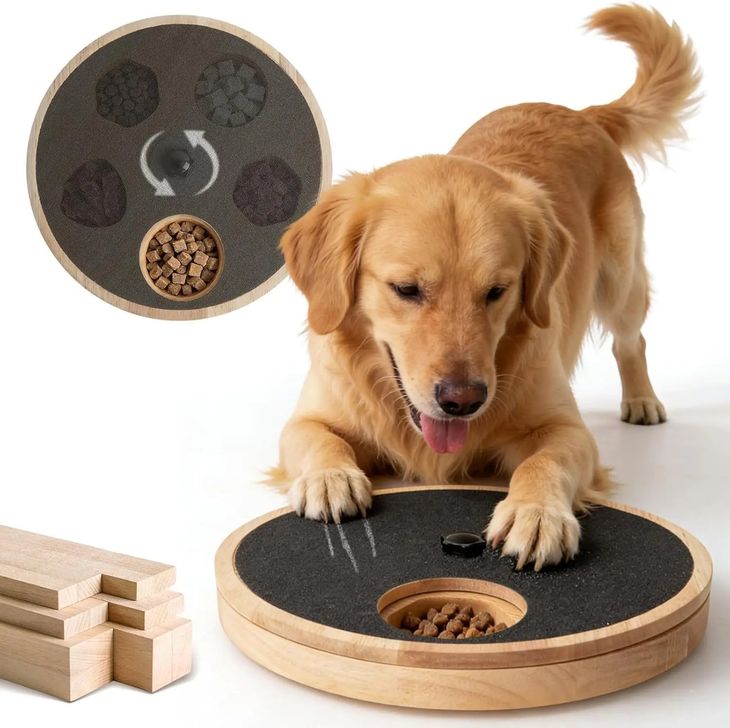
Conversely, larger breeds like Golden Retrievers or Great Danes require the heavy-duty stability of a wooden board.
A large dog scratching a flimsy, unanchored mat will simply drag the mat across the floor, causing frustration.
Many pet parents look into a diy dog nail file board to customize the size and grit to their large dog’s needs.
Building a home-made board allows you to choose an extra-wide wooden base and attach extremely coarse, heavy-duty skateboard grip tape.
However, you must be incredibly cautious when choosing the abrasive grit level for your dog’s board.
Grit that is too coarse can easily scrape the sensitive skin of your dog’s paw pads, leading to painful abrasions.
Grit that is too fine will fail to file down thick, strong claws, making the training sessions unnecessarily long.
You must also consider your home’s flooring when choosing between these two popular options.
Rigid wooden boards can occasionally scratch or scuff delicate hardwood floors if they do not feature protective rubber feet.
Flexible rubber-backed mats, in contrast, provide built-in floor protection while staying firmly in place during use.
Ultimately, your decision should align with your dog’s comfort level with novel items and physical manipulation.
If your dog is highly sensitive to the sound of scratching on wood, a softer mat can help ease them into the routine.
By choosing the tool that best fits your dog’s personality, you set them up for absolute success.
Step-by-Step Guide: Teaching Your Dog to Use a Scratch Board with Treats
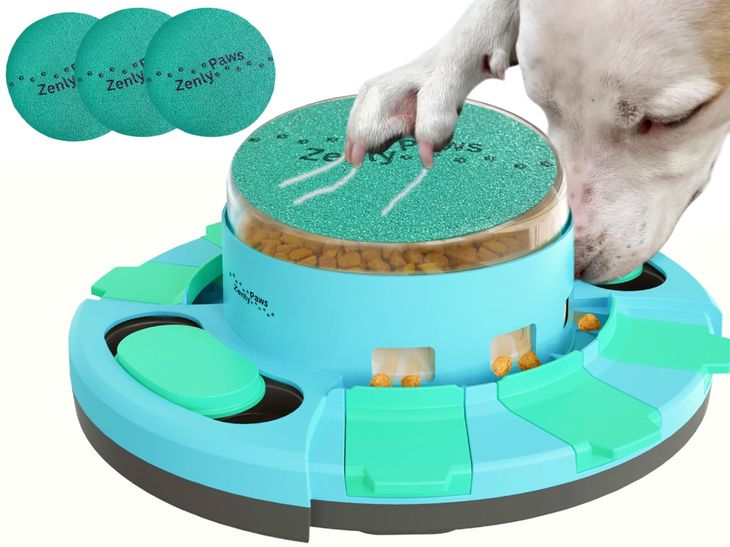
Teaching your dog to use a scratch board is an incredibly rewarding process rooted in the science of cooperative care.
You should never force your dog’s paws onto the abrasive surface, as this will immediately trigger fear and resistance.
Instead, you will use positive reinforcement to shape the scratching behavior step-by-step.
Using a specialized dog nail scratch board with treats is one of the easiest ways to accelerate this learning process.
These innovative boards feature a built-in sliding compartment or lid that conceals high-value, aromatic treats.
To help you train your dog safely, we have outlined the exact steps used by professional canine behaviorists.
-
Introduce the Board Scent:
Place the board flat on the ground with the treat compartment wide open so your dog can easily eat the rewards. -
Build Positive Associations:
Feed your dog high-value treats directly on top of the unhidden board to show them that this new object brings wonderful things. -
Close the Compartment Lid:
Place aromatic treats inside the slot and close the wooden cover slightly so your dog can smell the food but cannot reach it. -
Mark the First Paw Touch:
The moment your dog naturally paws at the board to get the food, say “Yes!” in an excited voice and slide the lid open to reward them. -
Shape the Scratching Motion:
Gradually close the lid tighter, requiring your dog to make a more vigorous, downward scratching motion before you open it. -
Transition to Verbal Commands:
Introduce a cue like “Scratch!” right as their paw makes contact with the board, rewarding them instantly with every successful motion.
Remember to keep your initial training sessions incredibly short, lasting no more than two to three minutes at a time.
Frequent, positive micro-sessions are far more effective than long, exhausting sessions that frustrate your dog.
Always inspect your dog’s paw pads after every session to ensure they are not getting irritated by the grit.
If you notice any redness, pause the training immediately and let the paws rest for several days.
With patience and consistent rewards, your dog will soon view nail care as a fun, stimulating game.
Overcoming Risks: Why Scratch Tools Alone Aren’t Enough
While scratch mats and boards are phenomenal training aids, they possess a few inherent limitations that you must address.
The most significant limitation is that scratch boards almost exclusively file down the front claws.
Dogs naturally use their front paws to dig, but they rarely use their rear paws in the same repetitive manner.
This means your dog’s rear nails will likely remain unfiled, still requiring a safe, alternative shortening method.
Additionally, flat scratch boards cannot reach the dewclaws, which sit higher up on the inside of the front legs.
If left unmanaged, these dewclaws can grow in a complete circle and painfully pierce your dog’s skin.
Relying solely on scratch boards can also lead to uneven nail wear if your dog scratches at an awkward angle.
To achieve perfectly rounded, safe nails on all four paws, you need a highly precise grooming partner.
This is where the Zenpaw Maxpro 3-in-1 Grinder becomes an indispensable addition to your pet care routine.
Our premium grinder features a whisper-quiet motor operating under 40 decibels, completely eliminating the terrifying noise of standard tools.
Equipped with low-vibration technology, the Maxpro gently rounds off sharp edges and easily reaches those tricky dewclaws and rear paws.
By combining the active play of a scratch board with the gentle precision of the Zenpaw Maxpro, you create a complete, stress-free grooming system.
This hybrid approach ensures that nail care remains safe, pain-free, and perfectly balanced for your beloved companion.
Frequently Asked Questions (FAQ)
Yes, the Zenpaw Maxpro is fully equipped to handle all dog sizes and nail thicknesses safely.
The device features three specialized ports designed to accommodate small, medium, and large breeds with ease.
For extra-thick claws, you can use the wide-open port coupled with our high-speed setting for efficient filing.
This versatility ensures a smooth, rapid grooming session without any painful tugging or stalling.
The Zenpaw Maxpro Grinder offers an impressive battery life of up to seven hours on a single charge.
It is fully USB rechargeable, allowing you to charge it conveniently using your laptop, wall adapter, or power bank.
This long-lasting battery life ensures you never run out of power mid-grooming, even with multiple pets.
You can easily take it on road trips or outdoor adventures without worrying about hunting for electrical outlets.
We highly recommend starting on our low-speed setting when introducing the grinder to a sensitive or anxious pet.
The low setting minimizes vibration and keeps the noise at its absolute quietest, whisper-like level.
Once your dog feels relaxed and comfortable, you can safely transition to the higher speed for faster nail removal.
This gradual progression helps prevent sensory overload and keeps the experience entirely positive for your dog.
No, the Zenpaw Maxpro utilizes advanced low-heat technology to prevent friction-induced burning.
Unlike cheap rotary tools that heat up rapidly, our brass-backed grinding wheel dissipates heat quickly and safely.
However, as a professional grooming best practice, you should never hold the grinder on a single nail for more than three consecutive seconds.
Instead, work in brief, gentle taps across all the nails to keep the temperature completely comfortable.
While it is technically possible to train back paw scratching, it is significantly more difficult than front paw training.
Dogs are much less anatomically coordinated when trying to push their rear legs backward on an abrasive surface.
For this reason, most pet owners prefer to use the Zenpaw Maxpro Grinder for the rear paws and dewclaws.
This combined approach saves you hours of frustrating training time while ensuring all four paws receive proper care.
Conclusion: A Safer Way Forward for Paw Wellness
Maintaining short claws is absolutely essential for your dog’s physical comfort and long-term skeletal health.
Whether you choose a flexible mat or a rigid board, you are choosing a much gentler, friction-based alternative to scary clippers.
Ready to transform nail trimming from a battle into a breeze?
Explore the Zenpaw Maxpro 3-in-1 Grinder today.
Call: 302-307-1000 — our team can help you advise on the best grooming practices and help with any product questions.