
My heart completely skipped a beat when I heard my sweet golden retriever, Bella, let out a sharp cry after catching her foot on our wooden deck, only to discover a painful dog toenail split that was starting to bleed. I used to panic and rush straight to the emergency vet, but I discovered that keeping their paws healthy starts with stress-free maintenance using our whisper-quiet Zenpaw Maxpro 3-in-1 Grinder to safely prevent cracks before they start.
Maxpro 3-in-1 Grinder.
Stress-Free Nail Trimming.
Whisper-quiet DC motor (<40 dB) eliminates fear & discomfort. Features 3 ports, dual speeds, and 7-hour battery life. Safe, precise, and painless.
In This Article
- Understanding canine nail anatomy and how a split affects the highly sensitive quick.
- A comprehensive, expert-approved home care guide to stabilize the claw and stop bleeding.
- Practical desensitization techniques for stress-free maintenance using quiet rotary tools.
- Essential tips on identifying secondary infections and when to consult a veterinarian.
What Should You Do When a Dog Toenail Split Occurs? Expert Safe Care Steps
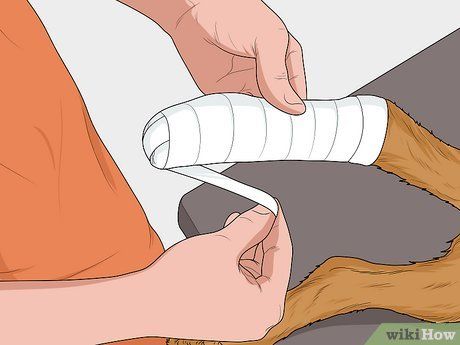
When you first notice a dog toenail split, it is absolutely vital to understand exactly who, what, when, where, and why this injury requires your immediate but calm attention. As dedicated pet parents and experienced groomers at Team Zenpaw, we know that active dogs running on rough concrete or snagging their feet on thick carpets are the primary victims of these sudden, painful claw fractures. The injury typically happens right at the weak point of the claw where the hard outer shell meets the highly sensitive inner tissue known as the quick. You must act the very moment you observe limping, constant licking, or visible drops of blood on your floorboards because an open nailbed is a direct highway for dangerous environmental bacteria. Treating this at home safely requires a clean workspace, a calm demeanor, and the right tools to ensure your dog does not suffer further stress. If your dog has a dog ripped out toenail, the entire structure may be compromised, meaning you must protect the raw tissue immediately to prevent a deep bone infection. By understanding that a split claw is an urgent comfort issue rather than a minor cosmetic flaw, you can confidently take charge of your dog’s recovery journey and prevent long-term paw sensitivity.
To resolve this issue immediately without causing your pet further distress, you should follow this streamlined, professional grooming sequence to stabilize the injured nail right in your living room. First, gently secure your dog in a well-lit area and comfort them with low-value treats before inspecting the damage to see if the split is vertical, horizontal, or completely detached. Next, apply gentle pressure with a clean cloth or utilize a specialized styptic powder to stop any active bleeding from the exposed quick. Once the bleeding subsides, wash the entire paw thoroughly with lukewarm water and a mild, pet-safe antiseptic soap to clear away dirt, debris, and potential pathogens. Carefully evaluate whether a loose piece of the nail shell is hanging off, as you may need to trim this dangling section away using the best pet nail clippers to prevent it from snagging again. Wrap the clean paw in a light, breathable protective bandage, making sure it is not too tight, and check it daily for any signs of swelling, discharge, or foul odors. If you want to handle this safely at home and maintain healthy claw edges to prevent future cracking, the Zenpaw Maxpro Grinder provides painless, quiet filing — explore it here.
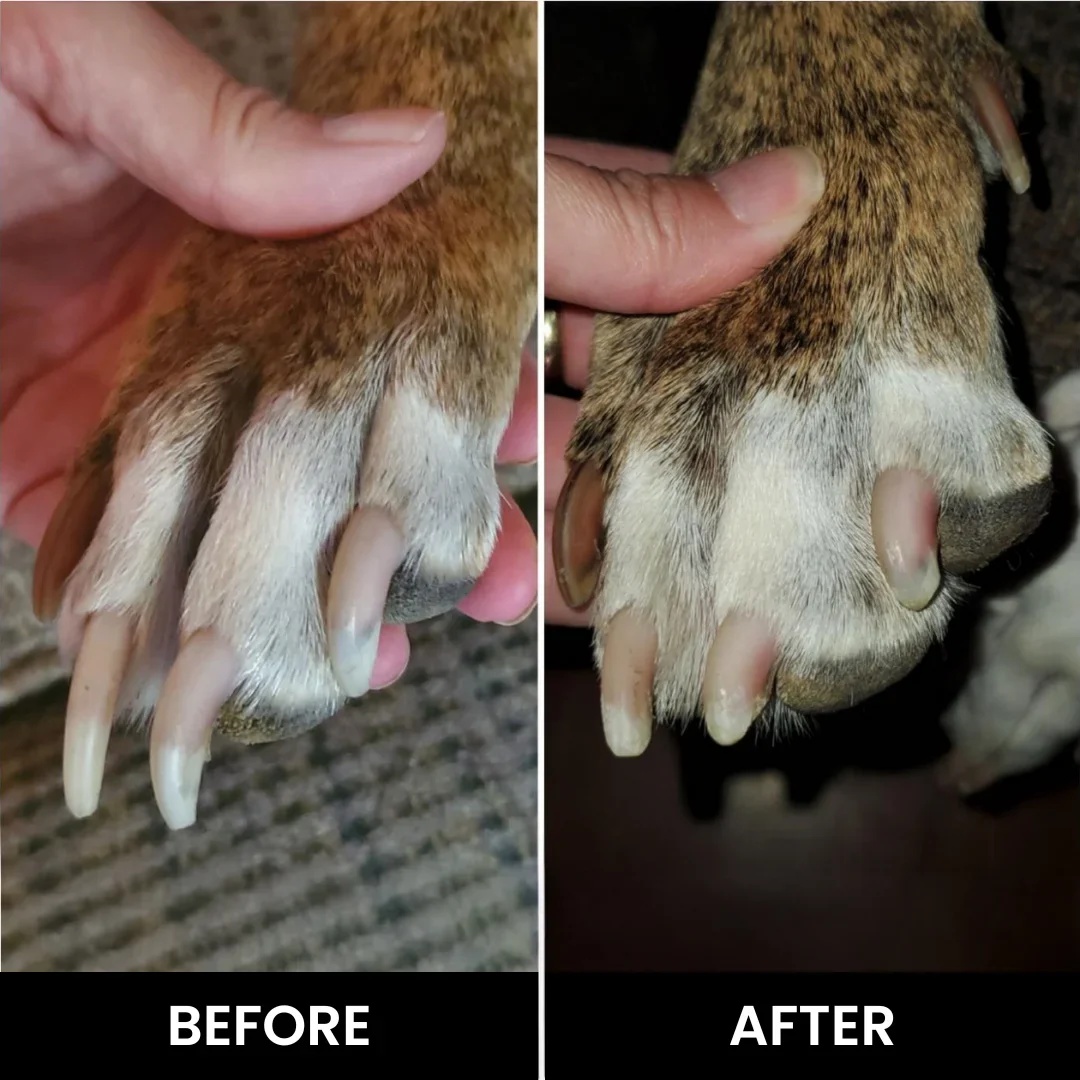
99-Day 100% Money-Back Guarantee
“Ever since we started using the Zenpaw Maxpro Grinder, it’s been such a peaceful experience. It’s very quiet, and my dog actually relaxes. It’s turned our stressful sessions into quick, quiet grooming times.”
— Sarah M. | ✔ Verified Customer
- ✓ Prevents Infection & Splitting
- ✓ Ideal for All Dog Sizes
- ✓ Low-Vibration Technology
- ✓ Fast 2-7 Days Delivery
Need Support? Call 302-307-1000
Understanding Canine Nail Anatomy: How a Dog Split Nail Impacts the Sensitive Quick
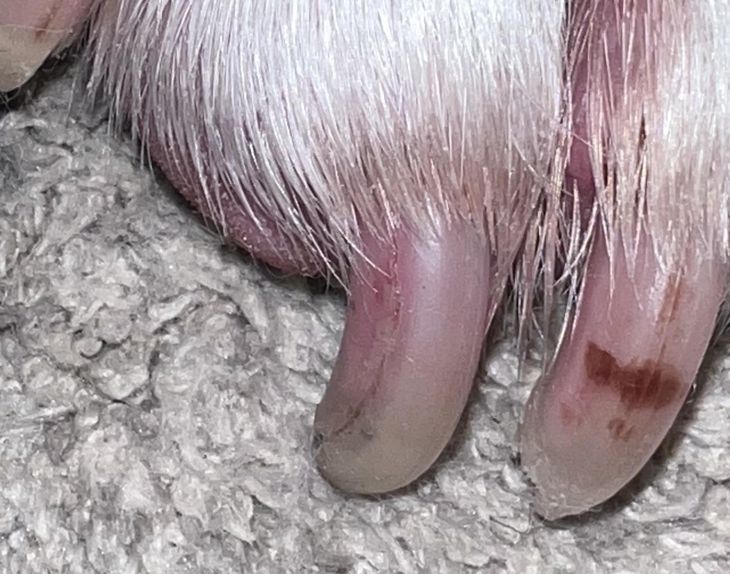
Every dog claw consists of a tough, outer layer of keratin designed to protect the foot during movement.
This outer shell acts as a shield for the living tissue beneath it.
Inside this protective keratin shell lies a highly sensitive vascular core called the quick.
The quick contains active blood vessels and an intricate network of nerve endings.
According to veterinary experts, any injury to this area can cause immediate and intense pain for your pet.
When a dog split nail exposes this raw tissue, the pain can trigger sudden behavioral changes.
Your usually gentle dog might pull away, whine, or refuse to let you examine their paw.
This protective reaction is entirely natural because the exposed nerve endings are highly vulnerable to touch.
Even a microscopic hairline crack can act as a direct pathway for harmful environmental bacteria.
If your pet has a dog tore nail off, the entire sensitive nailbed is left completely unprotected.
Without immediate care, this exposure can lead to a painful localized infection.
The infection can quickly travel up the toe, potentially reaching the underlying bone structure.
Veterinary experts warn that bone infections in the toe can require aggressive medical intervention.
Understanding this basic anatomy helps you realize why gentle handling is absolutely critical during home care.
Keeping the outer keratin smooth and intact is the primary goal of professional paw maintenance.
Regular maintenance ensures that your dog can run, play, and jump without suffering painful nail structural failures.
Why Do Dog Split Toenails Happen? Root Causes and Preventive Paw Care
Many pet owners are surprised when a seemingly healthy claw suddenly fractures or splinters during standard play.
The most common cause of a dog split toenail is excessive length.
When claws grow too long, they constantly strike the ground as your dog walks.
This continuous upward pressure bends the nail upward, weakening the structural integrity of the keratin.
Over time, micro-fractures develop along the side walls of the claw.
Eventually, a simple sprint across the lawn or a snag on the carpet will cause the weakened nail to split.
Environmental factors also play a huge role in the drying out of canine claws.
Walking on hot summer asphalt or freezing winter pavement strips natural moisture from the paws.
Brittle, dehydrated nails are highly prone to chipping, cracking, and severe splitting.
Dietary deficiencies can also contribute to weak, flaky keratin structures over time.
Dogs require essential fatty acids and biotin to grow strong, resilient claws.
Using dull, crushing clippers during home grooming sessions can also create hidden structural damage.
Knowing how to stop a dogs nail from bleeding at home is vital if a crack spreads during a trim.
Preventive maintenance is always much easier than dealing with an active, painful claw injury.
Regularly filing the claws keeps them short, healthy, and structurally sound.
A consistent schedule helps the quick naturally recede, allowing you to maintain shorter claws safely.
The Threat of Infection: Identifying Signs of a Split Dog Claw Complication
An untreated split dog claw can quickly escalate into a serious health concern.
Because dogs spend their days walking on dirt, grass, and household floors, their paws encounter millions of microbes.
An open wound in the nailbed is the perfect breeding ground for opportunistic bacteria.
You must monitor the injured paw daily for early signs of secondary infection.
Look closely for persistent swelling, localized redness, or a toe that feels unusually hot to the touch.
If your dog constantly licks or chews at the injured digit, they are trying to soothe deep throbbing pain.
Any yellow or greenish discharge oozing from the nail base is a clear indicator of bacterial colonization.
A strong, unpleasant odor emanating from the paw is another warning sign that requires professional attention.
In severe cases, the infection can cause your dog to become lethargic or lose their appetite.
They may begin limping heavily or refuse to put any weight on the affected limb.
If you observe any of these systemic symptoms, you must consult a licensed veterinarian immediately.
They may need to prescribe oral antibiotics or pain management medications to ensure proper healing.
Never attempt to perform complex medical procedures or deep tissue trims at home.
Our mission at Team Zenpaw is to empower you to handle minor grooming steps safely while respecting professional limits.
A clean, protective environment combined with gentle home filing is the safest path to a full recovery.
How to Safely Manage a Split Dog Claw Using Whisper-Quiet Grinding Techniques

Treating a split dog claw requires a highly structured, calm approach to avoid stress.
You must prepare your dog’s mind before you bring any grooming tools near their injured paw.
We highly recommend practicing desensitization steps over several short sessions.
Start by showing your dog the Zenpaw Maxpro 3-in-1 Grinder while it is completely turned off.
Place a tasty reward near the device to create an instant positive association.
Once they are comfortable, turn on the whisper-quiet motor on its lowest speed setting.
The quiet motor hums gently at under 40 decibels, which will not startle sensitive ears.
Hold the vibrating handle against your dog’s leg so they can get used to the physical sensation.
When your pet remains calm and relaxed, you can begin the actual filing process.
Gently but firmly hold the affected toe, making sure to stabilize the split nail structure.
Position the diamond bit grinding wheel at a precise 45-degree angle against the rough edge.
This specific angle allows you to smooth away the sharp split without putting pressure on the quick.
Apply the grinding wheel in very short, gentle bursts of no more than two seconds at a time.
Filing in quick intervals prevents heat from building up on the sensitive keratin surface.
Gently smooth down any jagged edges that could catch on blankets or outdoor brush.
If the split nail is actively bleeding, stop grinding immediately and focus on wound care.
Knowing how to handle a cut dog’s toenails bleeding event will keep both you and your pet calm.
Always work slowly, removing only tiny microscopic layers of the nail shell at a time.
This slow, gradual process is the secret to keeping the entire experience stress-free and painless.
Finish every single session with immense praise and their absolute favorite high-value treat.
The Danger of Dull Clippers: Why Traditional Trimming Crushes Damaged Nails
Using traditional, low-quality clippers on a damaged claw is one of the most common grooming mistakes.
Traditional scissor clippers operate by squeezing the thick nail shell between two sharp metal blades.
This physical action applies massive lateral pressure to the already weakened keratin structure.
If the claw is already compromised, this crushing force can shatter the nail wall entirely.
What started as a tiny hairline crack can instantly turn into a severe, painful vertical split.
The sudden pinch also squeezes the sensitive nerves inside the quick, causing immediate pain.
This painful pinching is the primary reason many dogs develop intense grooming anxiety over time.
They learn to associate the sight of clippers with sudden, sharp discomfort.
Rushing through a nail trim with cheap tools also increases the risk of slicing directly into the blood vessel.
Our pet wellness team at Team Zenpaw strongly advises against using these forceful crushing methods.
The Zenpaw Maxpro Grinder offers a far safer, progressive solution for home nail care.
The high-speed rotating diamond wheel acts like a fine file, shaving away keratin millimeter by millimeter.
There is absolutely no lateral pressure applied to the delicate, cracked nail shell.
This controlled approach allows you to work right up to the edge of the split without causing pain.
By choosing a grinder, you eliminate the risk of cracking, splintering, or crushing sensitive paws.
It transforms a stressful, risky chore into a gentle, predictable bonding experience for you both.
Your dog will appreciate the smooth, vibrating filing action over the sudden shock of a blade.
Frequently Asked Questions About Dog Toenail Split Recovery
Is the Zenpaw Grinder safe to use on large, thick claws?
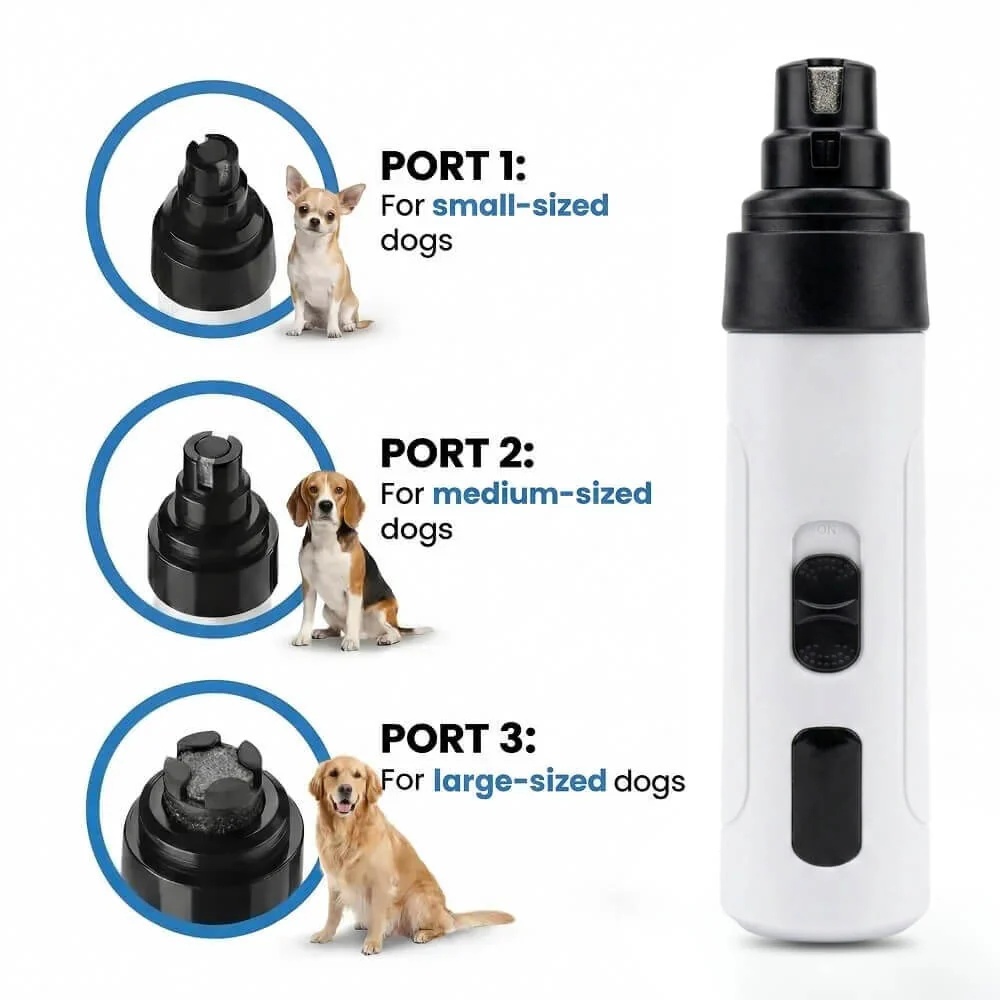
Yes, the Zenpaw Maxpro is engineered with three specialized safety ports to handle dogs of all breeds.
The small and medium ports are perfect for young puppies and smaller toy breeds with delicate feet.
For giant breeds with thick, stubborn claws, you can easily slide off the protective cap.
The high-torque motor maintains its speed and power, filing down heavy keratin effortlessly without stalling.
How long does the battery last on a single full charge?
The Zenpaw Maxpro is equipped with an advanced, high-capacity lithium-ion battery.
It provides up to seven hours of continuous, reliable runtime on a single charge.
This long life ensures you never have to rush through a delicate grooming session due to a dying battery.
The unit recharge is quick and simple using any standard USB port or wall adapter.
Which speed setting should I use for a split nail?
We strongly recommend starting on the low-speed setting to carefully assess the crack.
The gentle low speed gives you maximum tactical feedback as you work near the delicate split.
Once you smooth away the dangerous, hanging pieces of keratin, you can increase the speed.
The higher speed setting is perfect for shaping the rest of the nail and rounding the edges.
Does the grinding wheel get hot during extended use?
No, the Zenpaw Maxpro features state-of-the-art low-heat technology designed to keep your pet comfortable.
The premium diamond bit wheel minimizes friction, preventing painful heat transfer to the toe.
We still advise moving the grinder between nails rather than holding it in one spot for too long.
This simple technique guarantees a cool, pain-free grooming experience from start to finish.
What should I do if the split extends all the way into the paw pad?
If the split extends deeply into the living skin or paw pad, you must stop home treatment immediately.
Deep tissue splits are highly painful and require professional veterinary assessment to prevent deep infections.
Gently wrap the paw in a clean bandage to protect it from dirt during the trip to the clinic.
A licensed veterinarian may need to sedate your pet to safely remove the damaged nail segment.
How often should I grind my dog’s nails to prevent future splits?
We recommend a quick, gentle grinding session once every one to two weeks.
Regular maintenance keeps the claw length short and encourages the sensitive quick to naturally recede.
It also prevents the claws from developing microscopic cracks that eventually split under physical stress.
Frequent short sessions also help keep your dog relaxed and fully accustomed to the grooming routine.
Conclusion
Ready to transform nail trimming from a battle into a breeze? Explore the Zenpaw Maxpro 3-in-1 Grinder. Call: 302-307-1000 — our team can help you advise on the best grooming practices and help with any product questions.
Note: Individual results may vary depending on individual dog breeds, nail thickness, and behavioral temperaments. This article is intended for general pet grooming reference purposes only and does not replace professional veterinary advice.