
As a professional pet care writer and lifelong dog lover, I still remember the absolute terror of hearing my golden retriever slip on our hardwood floors, knowing his claws were desperately long but feeling too paralyzed by fear to trim them because a past slip of the clippers had left his paw bleeding and his trust completely shattered. That painful memory is exactly why our team at Zenpaw created a gentle path forward, helping you implement a stress-free dog nail quick recede schedule that turns an anxious monthly battle into a peaceful, painless bonding routine using our whisper-quiet Zenpaw Maxpro 3-in-1 Grinder.
Maxpro 3-in-1 Grinder.
Stress-Free Nail Trimming.
Whisper-quiet DC motor (<40 dB) eliminates fear & discomfort. Features 3 ports, dual speeds, and 7-hour battery life. Safe, precise, and painless.
In This Article
- The Perfect Trimming Schedule: Exactly how long to wait between dog nail trimming sessions.
- Anatomy of the Quick: Understanding how blood vessels recede naturally over time.
- Black Nail Strategy: Safe techniques to manage dark claws without causing pain or bleeding.
- Stress-Free Grinding: A step-by-step framework to desensitize anxious pets.
A Proven Dog Nail Quick Recede Schedule to Safely Shorten Overgrown Claws

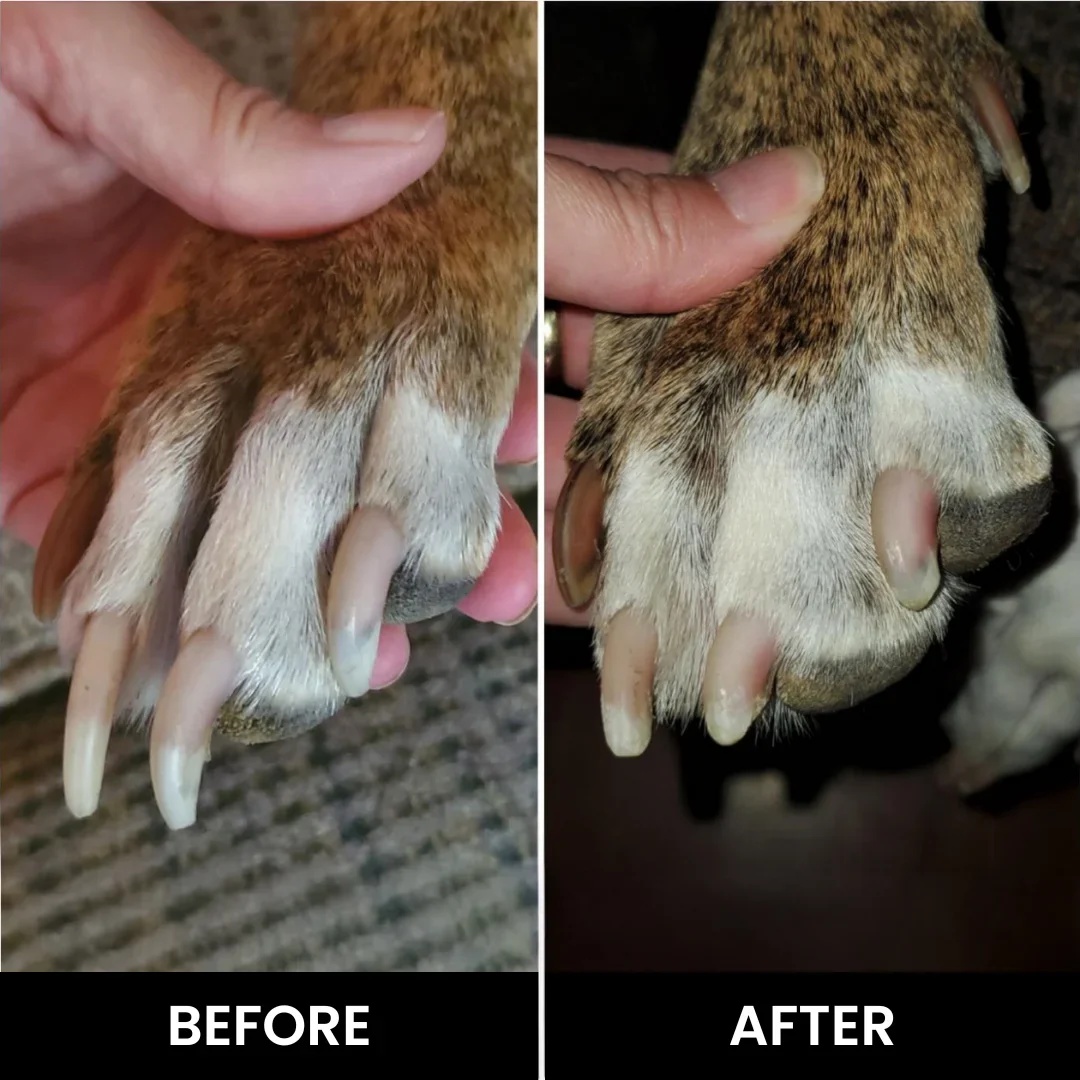
Neglecting your canine companion’s paws can easily lead to severely overgrown dog nails.
When claws are left unmaintained, the sensitive blood vessel inside also stretches outward.
This internal vessel is scientifically known as the quick.
To safely restore your dog’s paws to a healthy shape, you must adopt a methodical, structured timeline.
You cannot simply cut a long claw back to its ideal length in a single session.
Doing so will sever the blood supply, causing immense physical pain and heavy bleeding.
The secret lies in a consistent, repetitive cycle of micro-trimming.
Our team recommends a highly structured seven-day to ten-day routine.
By filing away just a tiny fraction of the outer hard horn of the claw, you expose the tip of the quick to open air.
This exposure signals the blood vessel to naturally dry up and retreat back toward the paw.
Over the course of several weeks, this calculated routine results in shorter, healthier claws.
The table below outlines the precise progression of a professional-grade reclamation program.
| Phase & Timeline | Expected Biometric Progress | Safe Grooming Action Plan |
|---|---|---|
| Weeks 1 to 2: Initial Phase | The outer hard horn is filed down; the quick remains extended. | Grind the tips of the claws gently every 7 days to initiate recession. |
| Weeks 3 to 6: Active Retreat | The blood vessel begins drying up at the tip, receding by 1-2 millimeters. | Continue weekly micro-grinding at a precise 45-degree angle. |
| Weeks 7 to 10: Consolidation | Claws reach a normal length; the dog walks comfortably without tapping. | Transition to a maintenance routine of grinding every 10 to 14 days. |
Consistently following this timeline prevents the claw matrix from splitting or cracking.
It also slowly relieves the painful pressure exerted on your dog’s toe joints.
When long claws continuously press against hard floors, they force the entire foot out of alignment.
A structured filing routine using a whisper-quiet motor allows you to bypass the crushing trauma of traditional clippers.
Using the Zenpaw Maxpro Grinder ensures you can file away microscopic layers with absolute precision.
This patient approach builds deep, lasting trust between you and your pet.
99-Day 100% Money-Back Guarantee
“Ever since we started using the Zenpaw Maxpro Grinder, it’s been such a peaceful experience. It’s very quiet, and my dog actually relaxes. It’s turned our stressful sessions into quick, quiet grooming times.”
— Sarah M. | ✔ Verified Customer
- ✓ Prevents Infection & Splitting
- ✓ Ideal for All Dog Sizes
- ✓ Low-Vibration Technology
- ✓ Fast 2-7 Days Delivery
Need Support? Call 302-307-1000
The Biological Reality of Canine Nail Anatomy: Forcing the Quick to Recede
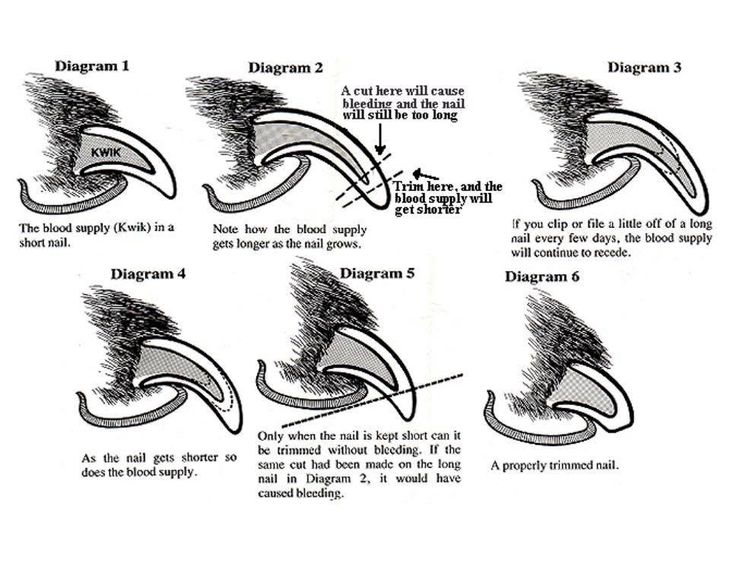
To successfully shorten overgrown claws, you must thoroughly understand basic dog nail anatomy.
The canine claw consists of a hard, outer keratin shell that protects a soft inner core.
This core contains a highly sensitive dog nail vein and specialized nerve endings.
When clippers squeeze this region, they cause direct pressure on these highly sensitive nerves.
This pressure is often what makes dogs pull their paws away in panic.
By shifting to a grinder, you utilize high-speed abrasive friction rather than blunt force.
This friction gently sands down the dead keratin shell, allowing you to stop just before touching the live tissue.
According to veterinary behaviorists, forcing the quick to recede relies on continuous mechanical signaling.
When the protective keratin wall surrounding the blood vessel is thinned, the blood vessel is forced to adjust to the new, localized exposure.
The body responds by slowly absorbing the forward-most capillaries, retreating deeper into the toe.
This biological remodeling takes time and absolute consistency.
You cannot speed up this process by filing aggressively in a single day.
If you grind too close, you will generate friction heat that can cause intense pain to the underlying live tissue.
Using the Zenpaw Maxpro’s low-vibration brass motor ensures the grinding head stays cool throughout the session.
This advanced engineering eliminates the burning sensation that cheap, loud plastic grinders frequently cause.
Managing Black Nails: How Often to Trim to Prevent Bleeding
Managing a black dog nail quick recede is one of the most intimidating challenges for pet parents.
Unlike clear or white claws, dark claws totally obscure the pink blood vessel inside.
This makes it incredibly difficult to know how short to cut dog nails without causing severe pain.
When utilizing traditional scissor clippers on dark nails, you are essentially flying blind.
This blind clipping often leads to painful accidents, reinforcing your dog’s grooming phobias.
The solution is to use a high-precision grinding wheel to slowly shave away microscopic layers.
When working on dark nails, you must look at the cut surface head-on after every brief pass.
Initially, you will see a dry, chalky, light-colored material in the center of the dark nail.
As you grind deeper, this chalky material will transition into a soft, dark, homogeneous circle.
This dark, fleshy circle is your warning sign that you are approaching the living tissue.
Once this circle appears, you must immediately stop filing to prevent painful bleeding.
Learning how to cut dog nails with quick safety in mind requires patience and the right tools.
By filing the claw in a circular motion around this central point, you can create a smooth, rounded edge.
This rounded edge keeps the claw elevated off the floor, preventing uncomfortable pressure on the toe joints.
This technique slowly coaxes the vascular bundle to retreat safely over the coming weeks.
Step-by-Step Practical Application: Mastering the 45-Degree Grinding Angle
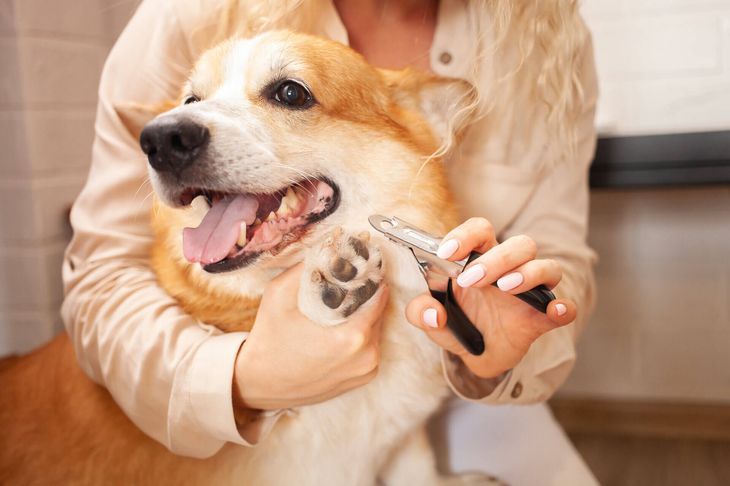
Before you touch the grinder to your dog’s paws, you must understand how often to cut dog nails to shorten quick safely.
We highly recommend a structured, multi-step desensitization process to ease your dog’s anxiety.
Do not rush this process; instead, let your dog set the pace over a period of several days.
Follow our proven, step-by-step framework to ensure a stress-free grooming session:
- Introduce the Device: Place the turned-off Zenpaw Maxpro Grinder on the floor and let your dog sniff it, rewarding them with high-value treats.
- Familiarize with Sound: Turn the grinder on its lowest speed setting while keeping it several feet away from your pet, pairing the quiet hum with positive reinforcement.
- Introduce Vibration: Touch the handle of the vibrating grinder gently to your dog’s shoulder or leg to let them feel the subtle vibration without touching their claws.
- Perform First Micro-Trim: Gently hold a single toe, isolate the claw, and apply the grinding wheel to the tip for no more than two seconds at a time.
When applying the grinding wheel to the claw, you must maintain a steady 45-degree angle.
This angle mirrors the natural wear pattern of a dog walking on rough concrete.
It allows you to safely remove the hard tip while keeping the sensitive blood vessel protected.
Do not hold the grinder continuously against the claw for more than three seconds, as friction can create localized heat.
Instead, work in short, pulsing sweeps across all four paws to keep the claws cool.
This pulsing technique is highly effective for maintaining an overgrown quick receding schedule without causing discomfort.
Using the Zenpaw Maxpro’s whisper-quiet motor under 40 decibels keeps your dog relaxed throughout the session.
This low-frequency sound prevents the fight-or-flight response triggered by loud, vibrating hardware store tools.
Avoiding Common Pitfalls: Why Traditional Clippers Stall Your Progress
Many well-meaning pet parents inadvertently halt their progress by using dull, heavy-duty scissor clippers.
These traditional clippers rely on a crushing force that forcefully pinches the sensitive nerve endings inside the nail bed.
This intense pinch is often highly uncomfortable for your dog, even if you do not cut the quick directly.
The resulting panic makes future grooming sessions significantly more difficult.
Furthermore, clippers often fracture the dry, brittle keratin shell of overgrown claws.
This splintering can leave sharp, jagged edges that easily snag on carpets or outdoor brush.
These snags can rip the claw directly from the toe joint, requiring urgent veterinary attention.
Using a premium diamond-bit grinder completely eliminates these structural risks.
The high-speed rotational file gently sands away the claw, leaving a smooth, perfectly rounded finish.
This rounded finish prevents painful snags and keeps your hardwood floors free from unsightly scratches.
Another common mistake is rushing the overall timeline in an attempt to get instant results.
You cannot force a blood vessel that has grown out over several months to recede in just a couple of days.
Trying to do so will almost always result in painful bleeding and a major setback in your dog’s behavioral training.
By utilizing our gradual, weekly micro-filing protocol, you prioritize your dog’s long-term comfort and psychological well-being.
Frequently Asked Questions
Is the Zenpaw Grinder safe for large dog breeds with thick claws?
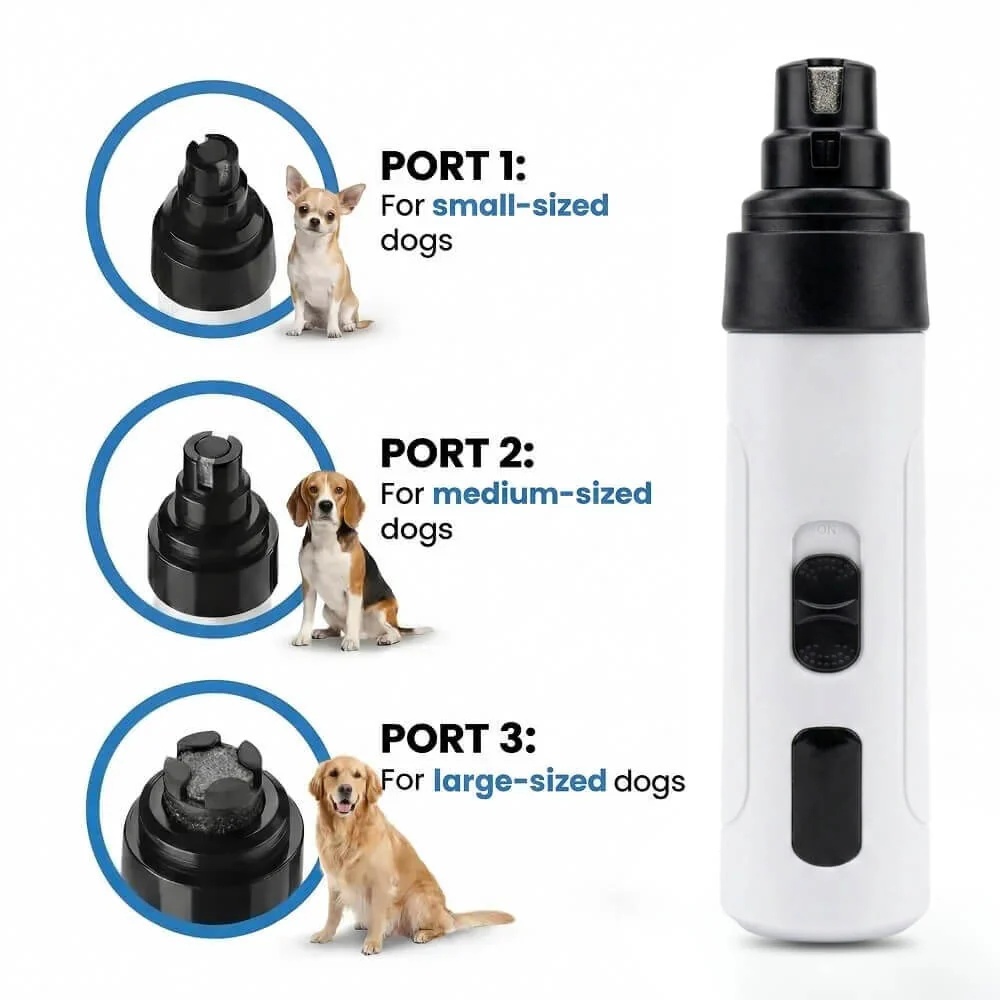
Yes, the Zenpaw Maxpro Grinder is specifically engineered with three distinct grooming ports to safely accommodate small, medium, and large breeds.
The powerful, dual-speed brass motor provides ample rotational force to easily file down even the thickest, most stubborn canine claws without stalling.
How long does the battery last on a single charge?
The Zenpaw Maxpro is equipped with a high-capacity lithium-ion battery that provides up to 7 hours of continuous run time on a single USB charge.
This ensures you can comfortably complete multiple stress-free grooming sessions without worrying about the device running out of power mid-trim.
Which speed setting is best for nervous pets?
We strongly recommend starting on the lowest speed setting to allow your dog to get fully accustomed to the gentle vibration and whisper-quiet hum.
Once your pet is completely relaxed, you can easily switch to the high-speed setting for more efficient, faster claw shaping.
Does the grinding wheel get hot during extended use?
No, the Zenpaw Maxpro utilizes advanced low-heat technology and a premium diamond-bit wheel to prevent heat buildup during use.
However, we still recommend working in short, pulsing sweeps across multiple claws to ensure your pet remains perfectly comfortable.
How many weeks does it take to see a noticeable change in my dog’s quick?
Most pet parents see a highly visible recession of the internal blood vessel within four to six weeks of consistent, weekly micro-filing.
This gradual retreat allows the claws to become significantly shorter, safer, and much more comfortable for daily movement.
Embrace Stress-Free Paw Care
Ready to transform nail trimming from a battle into a breeze? Explore the Zenpaw Maxpro 3-in-1 Grinder. Call: 302-307-1000 — our team can help you advise on the best grooming practices and help with any product questions.
Note: Individual results may vary depending on individual dog breeds, nail thickness, and behavioral temperaments. This article is intended for general pet grooming reference purposes only and does not replace professional veterinary advice.