
As a pet parent, I still remember the sharp sting of my golden retriever’s excited greeting, leaving me wondering is dog nail scratch dangerous when a red welt bloomed on my arm. That moment of anxiety led me to realize how easily sharp dog claws can breach our skin’s defenses and introduce harmful bacteria. At Team Zenpaw, we wanted to eliminate this worry by designing a whisper-quiet tool that keeps claws perfectly smooth and safe.
Maxpro 3-in-1 Grinder.
Stress-Free Nail Trimming.
Whisper-quiet DC motor (<40 dB) eliminates fear & discomfort. Features 3 ports, dual speeds, and 7-hour battery life. Safe, precise, and painless.
In This Article
- Assessing the Real Danger: Understanding why a canine claw scratch poses unexpected health risks.
- Pathogens Under the Microscope: Unveiling the microscopic bacteria living on your dog’s paws.
- Anatomy of the Claw: Why rough, split nails act as micro-traps for infectious dirt.
- First Aid Protocol: A step-by-step home guide to cleaning and disinfecting scratches.
- Prevention through Grooming: Transitioning from traditional tools to stress-free filing.
Is a Dog Nail Scratch Dangerous? Here’s What the Experts Say
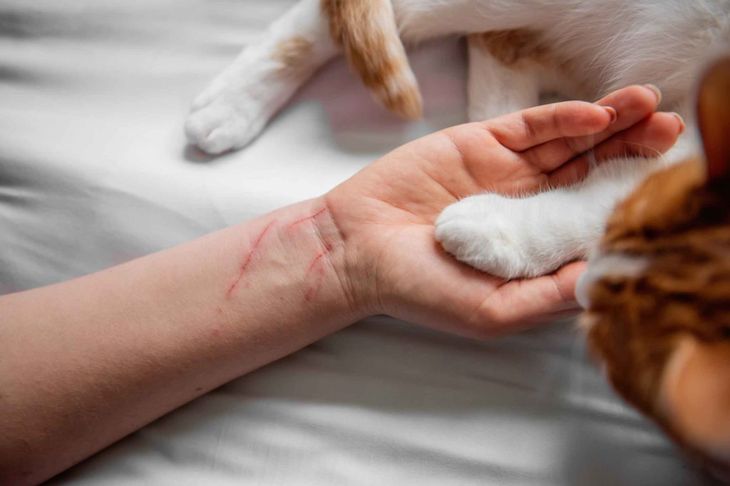
Many pet parents wonder if a sudden swipe from an excited canine claw is something to worry about or just a minor skin irritation.
A dog’s nail scratch can indeed be dangerous if the broken skin is exposed to pathogenic bacteria living on the paw pads.
These incidents usually occur when dogs jump up to greet you or scratch during active play sessions.
Your skin serves as a protective barrier, but any scratch that breaks this surface allows micro-organisms to enter your body immediately.
The danger arises because dogs walk on diverse outdoor surfaces, tracking organic debris, fecal matter, and soil under their nails.
You must evaluate the depth of the scratch, the presence of blood, and your own immune health to determine the severity of the situation.
By acting quickly within the first few minutes, you can drastically reduce the risk of a severe bacterial infection.
To solve this issue at home, you should immediately wash the scratched skin with warm water and antibacterial soap for at least five minutes.
Gently pat the wound dry with a clean, lint-free towel and apply a thin layer of over-the-counter antibiotic ointment.
Cover the area with a sterile bandage to prevent dirt and external bacteria from entering the wound site.
Monitor the scratch daily for signs of infection like increased redness, swelling, warmth, throbbing pain, or pus.
If you want to handle this safely at home, the Zenpaw Maxpro Grinder provides painless, quiet filing — explore it here.
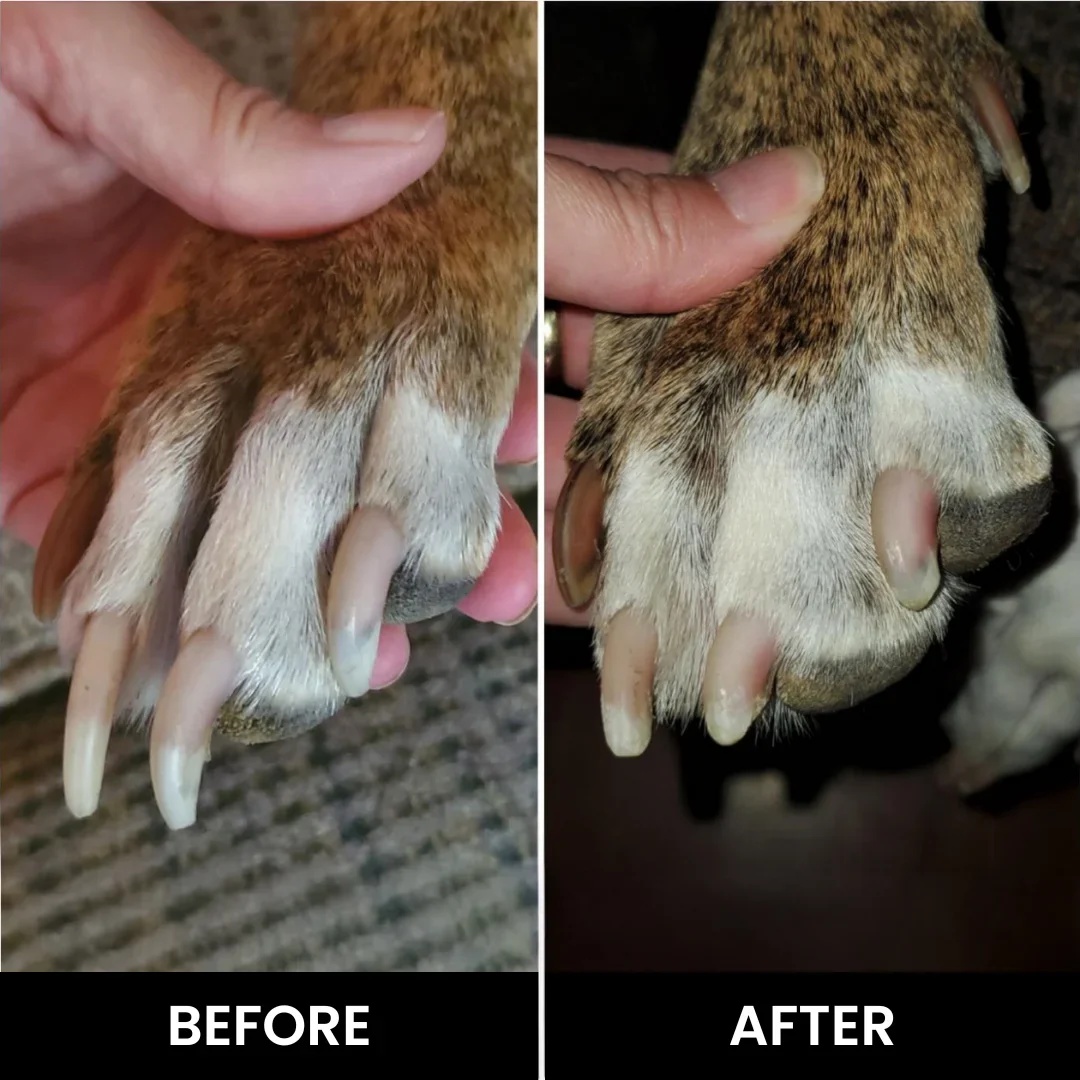
99-Day 100% Money-Back Guarantee
“Ever since we started using the Zenpaw Maxpro Grinder, it’s been such a peaceful experience. It’s very quiet, and my dog actually relaxes. It’s turned our stressful sessions into quick, quiet grooming times.”
— Sarah M. | ✔ Verified Customer
- ✓ Prevents Infection & Splitting
- ✓ Ideal for All Dog Sizes
- ✓ Low-Vibration Technology
- ✓ Fast 2-7 Days Delivery
Need Support? Call 302-307-1000
Pathogens in the Paw: The Hidden Pet Scratch Infection Risks Under the Microscope
To fully grasp the dog nail scratch danger, we must look at the microscopic world living on your dog’s paws.
Dogs are natural explorers who walk through dirt, grass, puddles, and sometimes urine or feces.
This exposure makes their paws and nails a breeding ground for various biological agents and pathogens.
One of the most notable bacteria found in canine saliva and paws is Capnocytophaga canimorsus.
While harmless to dogs, this bacterium can enter human skin through scratches and cause severe systemic complications.
Immunocompromised individuals are particularly vulnerable to rapid-onset sepsis from this specific pathogen.
Another common pathogen involved in pet scratch infection risks is Pasteurella multocida.
This aggressive organism can cause rapid swelling, pain, and localized skin infections within twenty-four hours of exposure.
In addition to these specialized germs, common skin-dwelling bacteria like Staphylococcus and Streptococcus are often pushed deep into the skin during a scratch.
If you are wondering what happens if dog nail scratches you with blood, the risk of infection escalates dramatically.
Bleeding indicates that the scratch has broken past the epidermis and reached the vascular dermis layer.
When pathogens bypass this top skin barrier and touch blood vessels, they can enter the lymphatic system.
This deep penetration makes rapid wound sterilization an absolute necessity for all bleeding injuries.
Overgrowth of claws exacerbates this problem by creating more surface area for organic matter to collect.
When claws are not maintained, they split and form microscopic grooves that trap dirt perfectly.
This trapped dirt is then pushed directly into your skin when a scratching event occurs.
Analyzing the Anatomy of Canine Claws and Why Overgrowth Multiplies the Scratch Hazard
Understanding canine claw anatomy is key to realizing why overgrown claws are so dangerous to human skin.
A dog’s claw is composed of a hard outer keratin shell designed to protect the delicate inner structures.
Inside this protective shell lies the dog nail vein, commonly known by pet owners as the quick.
This inner region is packed with active blood vessels and highly sensitive nerve endings.
When claws grow too long, they lose their natural structure and begin to curve downward.
This curvature forces the dog to walk with an unnatural gait, which puts pressure on their joints and paws.
Overgrown nails are also highly prone to cracking, splitting, and fraying during normal activity.
These frayed edges act like biological saw blades, easily catching and tearing human skin upon light contact.
Traditional tools like dog clippers for nails often make these structural issues worse.
Clippers apply immense crushing force to squeeze the nail until it snaps off.
This violent pressure often leaves behind micro-fractures and razor-sharp, jagged edges on the remaining claw.
These freshly clipped claws are actually sharper and more dangerous to human skin than unclipped, naturally worn nails.
To prevent these sharp edges, professional groomers recommend using a diamond bit grinder to round the claw tip.
Grinding smooths away the sharp keratin corners, turning a potential weapon into a blunt, safe edge.
By keeping the claw tip rounded, you eliminate the risk of accidental skin punctures during playful moments.
Smooth claws also collect less dirt, keeping the paw area significantly cleaner over time.
Step-by-Step First Aid Protocol for Safe Dog Scratch Wound Recovery

If you or a family member receives a scratch, executing immediate first aid is the best way to prevent infections.
Do not wait for redness or irritation to develop before starting your wound care routine.
First, immediately place the scratched area under warm, running tap water.
Apply a generous amount of mild antibacterial soap directly to the wound.
Gently but thoroughly scrub the area for a full five minutes to flush out any hidden paw debris.
If the scratch is bleeding, let it flow for a few seconds, as this helps naturally expel contaminants from the tissue.
Next, apply direct, firm pressure with a clean, sterile gauze pad to stop any active bleeding.
Once the bleeding slows down, disinfect the site with an antiseptic solution like hydrogen peroxide or rubbing alcohol.
Be aware that these chemicals can damage delicate tissues, so a simple soap-and-water wash is often preferred by medical professionals.
Apply a thin, even coat of triple-antibiotic ointment to keep the wound moist and speed up healing.
Cover the scratch with a sterile, breathable adhesive bandage to protect it from dirt and friction.
Change the bandage at least once a day, or sooner if it becomes wet or dirty.
You must monitor the wound over the next seventy-two hours for any signs of infection.
Watch for spreading redness, increased swelling, warm skin, throbbing pain, or red streaks traveling up your limb.
Seek medical care immediately if you develop a fever, body aches, swollen lymph nodes, or chills.
These systemic indicators suggest that bacteria may have bypassed your local defenses and entered your bloodstream.
Preventative Claw Management: How to Smooth Sharp Edges and Eliminate Scratch Hazards
The absolute best way to handle the threat of dangerous scratches is to prevent them from occurring in the first place.
Regular maintenance ensures that your dog’s claws remain short, blunt, and completely incapable of breaking human skin.
However, many pet parents struggle with this routine because using traditional canine nail trimmers causes intense anxiety for both the dog and the owner.
The fear of cutting the quick and causing severe pain makes clipping pet nails a highly stressful experience.
To eliminate this stress, Team Zenpaw developed the Maxpro 3-in-1 Grinder as a safe, peaceful solution.
Our grinder uses a whisper-quiet motor operating under forty decibels to keep your dog completely calm during grooming.
To introduce the grinder to your pet, start by letting them sniff the powered-off device while offering high-value treats.
Once they are comfortable, turn the grinder on its lowest speed just to let them get used to the quiet sound.
Gently touch the vibrating handle of the device to their paw pads for a few seconds to desensitize them to the vibration.
When your dog remains relaxed, you can begin to grind the very tip of each nail at a precise forty-five-degree angle.
Only apply the grinding wheel to a single nail for two to three seconds at a time to prevent heat buildup from friction.
Work on one paw per session if your dog is highly anxious, gradually building up their tolerance over time.
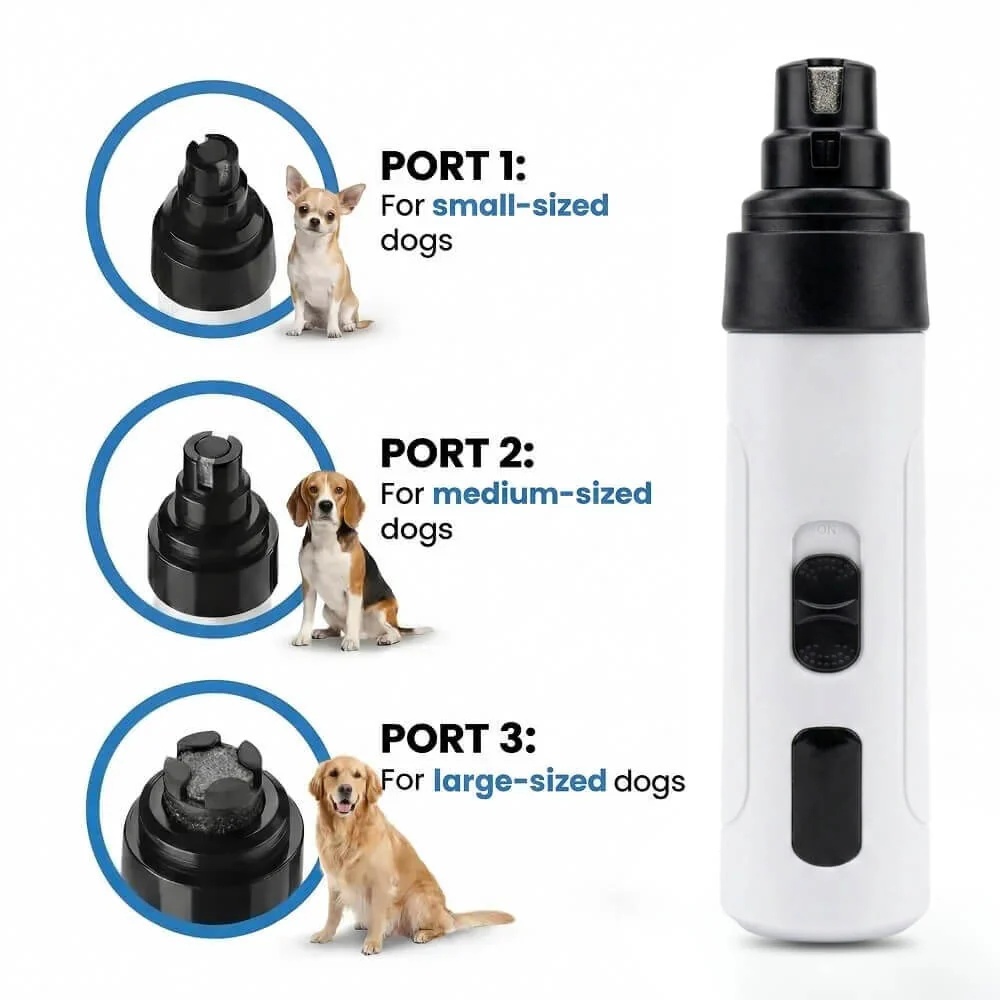
The Zenpaw Maxpro features three specialized ports and dual speed settings to handle dogs of all breeds and sizes safely.
By using this tool weekly, you will gradually recede the inner quick, allowing you to achieve shorter, safer nails over time.
This regular maintenance routine completely rounds off the sharp keratin edges that cause painful scratches.
Common Pitfalls in Home Nail Care That Lead to Razor-Sharp Canine Claws
Many well-meaning dog owners make simple mistakes that accidentally increase the danger of sharp claws.
Using dull clippers is one of the most common errors seen in home grooming.
Dull blades crush and shatter the nail structure instead of slicing cleanly through the keratin.
This structural damage leaves behind jagged edges that act like tiny saws against human skin.
Another major mistake is rushing through the grooming process due to a dog’s resistance or anxiety.
Rushing often leads to accidental cuts into the quick, causing intense pain and sudden bleeding.
If you accidentally nick the quick, having ppp nail safe styptic powder on hand is essential to stop the bleeding instantly.
However, avoiding this trauma altogether is always the preferred path for stress-free care.
The Zenpaw Maxpro Grinder allows you to file the nails down gradually, minimizing the risk of hitting the quick.
Filing also prevents the microscopic splits that collect bacteria, keeping the paw area much cleaner.
By taking a slow, steady approach, you protect your dog from pain and protect your family from painful scratches.
Frequently Asked Questions About Dog Scratches and Claw Maintenance
Is the Zenpaw Grinder safe for very large dog breeds?
Yes, the Zenpaw Maxpro features three different grooming ports designed to accommodate dogs of all sizes.
The largest port is open, allowing you to easily file thick, heavy claws on breeds like Great Danes and Mastiffs.
Our powerful dual-speed motor ensures that even the toughest keratin is ground down smoothly and quickly.
How long does the battery last on a single charge?
The Zenpaw Maxpro Grinder is equipped with a high-capacity, USB-rechargeable lithium-ion battery.
It provides up to seven hours of continuous, reliable runtime on a single full charge.
This long battery life means you can perform multiple stress-free grooming sessions without worrying about power loss.
Which speed setting should I use for an anxious dog?
We recommend starting on the lowest speed setting to keep noise and vibration to an absolute minimum.
This gentle setting helps your anxious dog build confidence and get used to the sensation of nail grooming.
Once your pet is relaxed, you can switch to the high-speed setting for faster and more efficient filing.
Does the grinding wheel get hot during use?
All rotating files generate some friction heat, but our advanced low-heat technology minimizes this temperature rise.
To ensure perfect safety, you should only touch the grinder to each nail for two to three seconds at a time.
This simple technique prevents heat buildup and guarantees a completely painless, comfortable experience for your dog.
What should I do if a dog scratch starts to swell and turn red?
If you notice spreading redness, swelling, or warmth around a dog scratch, you should consult a doctor immediately.
These symptoms are classic signs of a developing bacterial skin infection that may require prescription antibiotics.
Delaying treatment can allow common paw pathogens to spread deeper into your tissues or bloodstream.
How often should I grind my dog’s nails to prevent scratching?
For optimal safety and comfort, we recommend grinding your dog’s nails once every one to two weeks.
This regular maintenance schedule prevents claws from becoming overgrown, split, or sharp.
Consistent grooming also keeps the sensitive inner quick receded, allowing for safer, shorter nails over time.
Conclusion: Keep Playtime Safe with Rounded, Smooth Claws
Ready to transform nail trimming from a battle into a breeze? Explore the Zenpaw Maxpro 3-in-1 Grinder. Call: 302-307-1000 — our team can help you advise on the best grooming practices and help with any product questions.