
I still remember the sudden, sharp yelp that shattered our quiet afternoon when my golden retriever, Max, snagged his claw on the living room rug. Looking down, my heart sank as I saw a painful dog split nail slowly beginning to bead with dark blood. It was in that moment of pure panic and guilt that our team at Zenpaw realized we needed to design a truly gentle, stress-free grooming solution to protect our beloved companions.
Maxpro 3-in-1 Grinder.
Stress-Free Nail Trimming.
Whisper-quiet DC motor (<40 dB) eliminates fear & discomfort. Features 3 ports, dual speeds, and 7-hour battery life. Safe, precise, and painless.
In This Article
- Immediate Emergency Steps: Learn how to stop active bleeding and safely disinfect a freshly split claw.
- Anatomy of the Quick: Understand the delicate structural layers of your dog’s nail to prevent future pain.
- Vertical vs. Horizontal Fractures: Master the specific techniques required to manage different types of splits.
- Desensitization Guide: Discover how to use whisper-quiet grinding to eliminate nail-trimming anxiety forever.
Emergency First Aid for a Dog Toe Nail Split
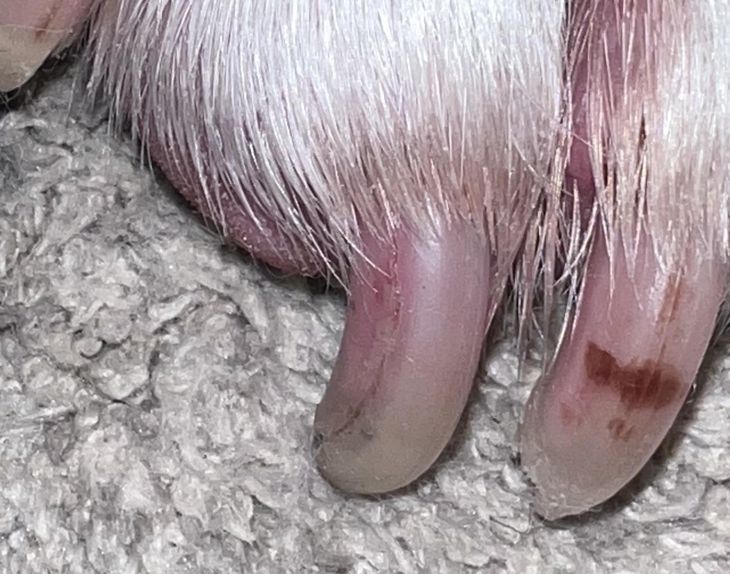
Discovering a sudden dog toenail split can be an incredibly frightening experience for any dedicated pet parent.
Your dog might suddenly begin limping, whimpering, or licking their paw obsessively after an unexpected outdoor run.
The first and most critical rule of canine first aid is to remain completely calm during the evaluation.
Dogs are incredibly intuitive creatures that immediately mirror our own stress levels and nervous energy.
If you panic, your dog’s heart rate will rise, which can actually cause any active bleeding to increase.
Begin by carefully securing your dog in a comfortable, well-lit area of your home.
It is often helpful to have a partner gently hold your dog and offer high-value training rewards.
Do not attempt to squeeze or roughly inspect the injured claw right away.
Instead, gently lift the leg to assess the level of damage to the outer keratin shell.
If there is active bleeding, you must address it immediately using styptic powder or clean cornstarch.
Gently press a clean paper towel coated in styptic powder directly against the bleeding tip of the nail.
Apply firm but gentle pressure for at least two full minutes without letting go to allow clotting.
If you do not have styptic powder on hand, a thick paste of cornstarch and cold water works beautifully.
Once the bleeding has completely stopped, you must gently clean the paw to prevent dangerous bacterial infections.
Rinse the affected toe with lukewarm water or a mild, veterinary-approved antiseptic wash.
Avoid using harsh rubbing alcohol or hydrogen peroxide, as these chemicals will cause intense burning pain.
After cleansing, carefully examine the nail structure to determine how far the crack extends.
If a portion of the nail shell is hanging loosely, it can easily catch on furniture and tear further.
You may need to trim away the loose piece if it is safe to do so without touching the sensitive inner quick.
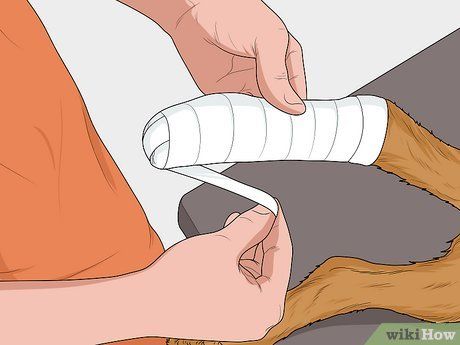
However, if the split extends deep into the nailbed, you should wrap the paw in a clean bandage and consult a professional.
99-Day 100% Money-Back Guarantee
“Ever since we started using the Zenpaw Maxpro Grinder, it’s been such a peaceful experience. It’s very quiet, and my dog actually relaxes. It’s turned our stressful sessions into quick, quiet grooming times.”
— Sarah M. | ✔ Verified Customer
- ✓ Prevents Infection & Splitting
- ✓ Ideal for All Dog Sizes
- ✓ Low-Vibration Technology
- ✓ Fast 2-7 Days Delivery
Need Support? Call 302-307-1000
Understanding Canine Nail Anatomy and Why Splits Happen
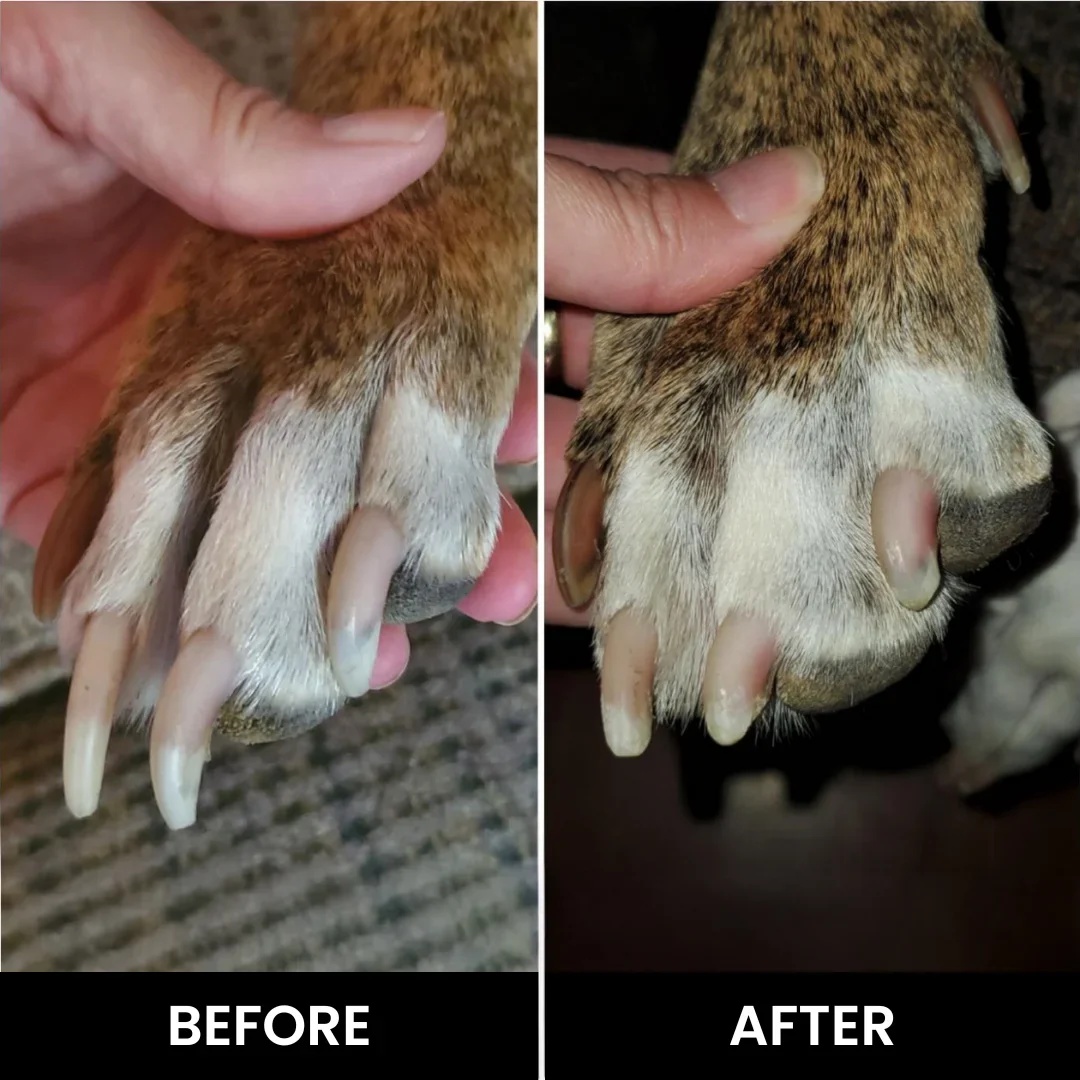
To effectively protect your dog’s paws, we must first understand the unique anatomical structure of a canine claw.
Unlike human nails, which are flat and soft, a dog’s nail is a complex, three-dimensional structure.
The outer layer consists of a hard, protective sheath made of highly dense proteins called keratin.
This tough keratin shell is designed to shield the highly sensitive inner core known as the quick.
The quick contains a rich supply of active blood vessels and highly sensitive nerve endings.
When a dog nail cracked injury occurs, it often exposes this raw, nerve-rich tissue to the open air.
This exposure causes immediate, throbbing pain that makes your dog highly protective of their paw.
Traditional guillotine-style clippers are one of the most common, unsuspected causes of these painful splits.
These clippers work by applying immense, crushing physical force from opposite sides of the nail sheath.
If the blade is even slightly dull, it forces the brittle keratin layers to bend and fracture under pressure.
This sudden physical trauma often leaves micro-cracks along the nail shaft that slowly widen over time.
Eventually, a simple run on concrete or grass can cause these micro-cracks to snap into a painful split.
In contrast, progressive grooming tools like high-speed nail grinders bypass this destructive crushing force entirely.
Grinders use smooth, rapid rotation to gently shave away thin, microscopically precise layers of the nail.
This advanced technique leaves the remaining nail edge perfectly smooth, rounded, and highly resistant to catching.
Understanding this difference is the key to transitioning away from stressful, painful grooming sessions.
Based on grooming feedback from over 18,587+ Zenpaw users, switching to a high-precision grinder virtually eliminates grooming fractures.
By keeping the nails short and rounded, you reduce the leverage physical forces have to bend and snap the claw.
It is also important to note that dietary factors and nutritional deficiencies can lead to brittle nails.
A lack of essential fatty acids or zinc in your dog’s diet can weaken the structural integrity of the keratin.
Vertical vs. Horizontal Splits: How to Address Different Nail Fractures
Not all nail splits are created equal, and each type requires a slightly different care approach.
The most challenging and painful variation is when a dog nail split vertically from the tip all the way to the cuticle.
Vertical splits are highly unstable because every step your dog takes forces the two halves of the nail to spread apart.
This constant movement repeatedly pinches and tears the sensitive quick hiding underneath.
If you find a dog cracked nail no bleeding, it is still a serious issue that requires protective care.
Even without bleeding, a vertical crack provides an open pathway for bacteria to enter the sterile nailbed.
To address a vertical split, you must first stabilize the nail to prevent the fracture from traveling further upward.
You should never try to superglue a dog’s nail at home, as commercial glues contain harsh chemicals that irritate open flesh.
Instead, gently wrap the affected paw in self-adherent vet wrap to hold the nail halves together.
You will want to research what to do for a dog’s split nail to ensure you do not make common stabilizer mistakes.
In many cases of deep vertical splits, a veterinarian will need to remove the damaged section under safe sedation.
On the other hand, horizontal splits typically occur near the tip of the nail and are much easier to manage.
A horizontal split often leaves a small flap of nail hanging off to the side.
If the split is far from the quick, you can safely use a precise grinder to smooth away the loose flap.
Filing the edge down completely prevents the nail from snagging on carpets or outdoor terrain.
Always monitor the nail daily for any signs of swelling, foul odor, or persistent discharge.
These symptoms indicate a localized infection that requires professional veterinary antibiotics.
Let’s look at a detailed comparison of how these split types behave to help you identify your dog’s specific situation.
| Feature | Vertical Nail Split | Horizontal Nail Split |
|---|---|---|
| Pain Level | High to severe (due to constant movement) | Moderate to low (unless quick is exposed) |
| Infection Risk | High (deep exposure to nailbed) | Low to moderate (typically superficial) |
| Home Management | Stabilization wrap & vet evaluation | Gently grinding down loose edges |
| Healing Time | Several weeks (requires new nail growth) | A few days to a week |
Practical Application Guide & Behavioral Tips

Preventing a split nail starts with establishing a safe, regular, and stress-free grooming routine.
If your dog has had a bad experience with clippers, they will likely show extreme anxiety around grooming tools.
The secret to overcoming this fear is a systematic desensitization process using positive reinforcement.
Start by placing the Zenpaw Maxpro Grinder on the floor turned completely off.
Place high-value treats around the grinder and let your dog explore the device at their own pace.
Once they associate the sight of the tool with delicious treats, you can turn the whisper-quiet motor on.
Our grinder operates under forty decibels, which is quieter than a soft library whisper.
This low-frequency sound is specifically designed not to trigger a dog’s sensitive acoustic startle reflex.
Hold the humming grinder a few feet away from your dog while feeding them rewards.
Slowly bring the vibrating tool closer to their paw over several short sessions.
Touch the plastic body of the grinder to their leg so they get used to the gentle vibration sensation.
When they are completely relaxed, you can begin learning dog split toenail treatment techniques by trimming a single nail.
Hold your dog’s paw securely but gently in your hand, isolating the specific toe you wish to trim.
Always hold the grinding wheel at a precise forty-five-degree angle relative to the nail.
This specific angle aligns perfectly with the natural slope of the quick.
Touch the rotating grinding wheel to the nail tip for no more than two to three seconds at a time.
This rapid touch technique prevents friction heat from building up and causing unnecessary discomfort.
Alternate between different nails to allow each claw to cool down between short touches.
Regularly check the tip of the nail for a small, dark circle appearing in the center.
With patience, you can master how to treat a split dog nail safely and comfortably in your own living room.
Overcoming Risks and Common Grooming Mistakes
Many well-meaning dog owners accidentally cause nail damage by making a few common grooming mistakes.
The single biggest mistake is using traditional metal clippers that are dull or rusty.
A dull blade does not cut smoothly; instead, it aggressively crushes the delicate structure of the nail.
This blunt-force trauma causes microscopic fractures that weaken the entire nail shell.
Another serious mistake is rushing through the trimming process out of frustration.
When you rush, the risk of accidentally cutting into the live quick increases dramatically.
A single painful clip can ruin months of positive training and make your dog terrified of future grooming.
Additionally, ignoring the dewclaws is a very common oversight for many pet parents.
The dewclaw is located higher up on the inside of the leg and does not touch the ground during walks.
Because it never naturally wears down on concrete, the dewclaw can curl around and split easily.
Regularly inspecting and filing these hidden claws is vital to preventing painful, deep splits.
The Zenpaw Maxpro Grinder allows for gradual, microscopically precise filing that eliminates these risks.
You can slowly shape the nail edge into a smooth, polished dome that never catches on fabric.
This level of control ensures you always stay a safe distance away from the sensitive nerves.
By replacing forceful clipping with calming, progressive grinding, you protect your dog’s long-term paw health.
Frequently Asked Questions (FAQ)
Is the Zenpaw Grinder safe for large dogs?
Yes, our premium grinder is fully optimized to trim nails of all shapes, sizes, and thicknesses.
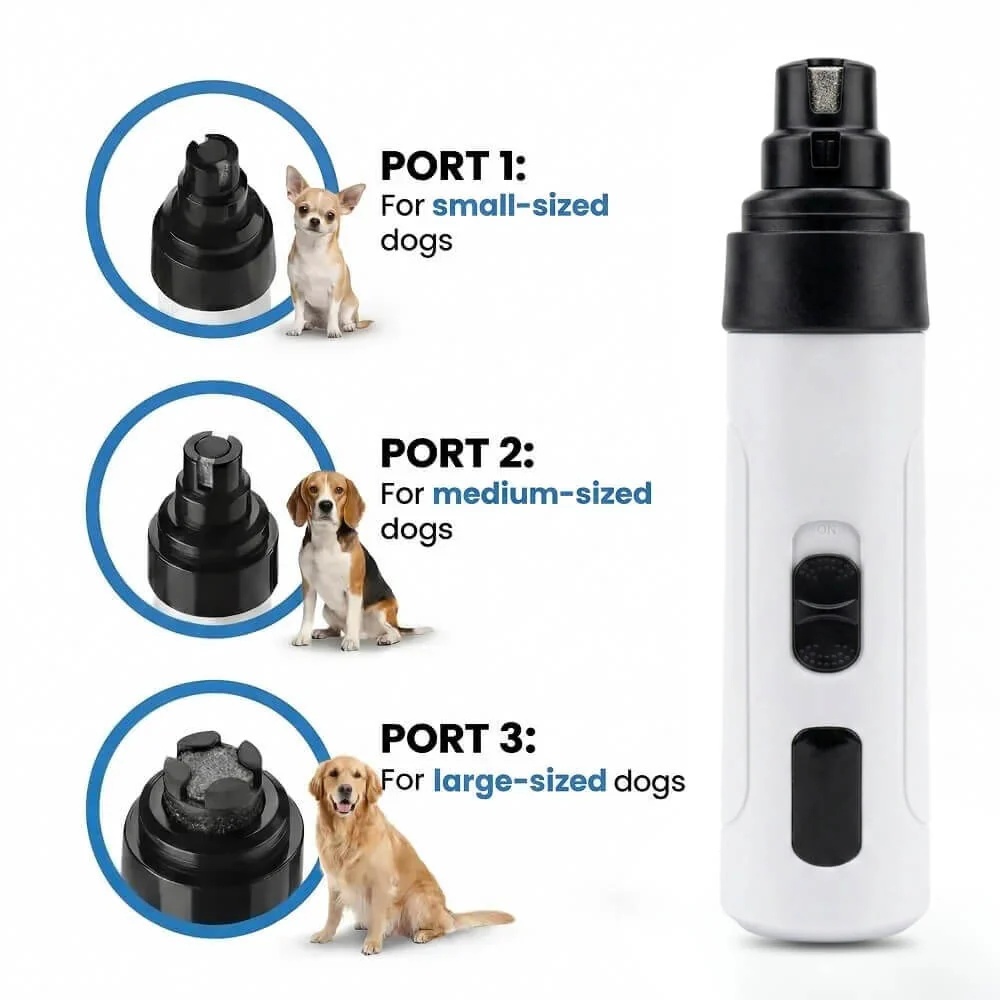
It is designed with three separate grooming ports that perfectly match the claws of small, medium, and large breeds.
The high-torque brass motor provides constant rotating power without bogging down on heavy, dense nails.
You can easily use the open-cap setting for large breeds to file down thick claws quickly.
Many owners of large breeds like German Shepherds and Great Danes rely on our tool for weekly maintenance.
The diamond bit grinding wheel is incredibly durable and designed to last for years of continuous use.
It shaves away dense keratin without the violent popping sound associated with heavy-duty clippers.
Your large dog will no longer feel the painful pressure of metal blades crushing their toes.
This makes the entire grooming process significantly more comfortable for both you and your gentle giant.
We always recommend starting on the high-speed setting for larger, thicker claws to ensure a rapid trim.
Always check the nail frequently during the process to monitor your progress toward the quick.
How long does the battery last on a single charge?
The Zenpaw Maxpro Grinder is powered by a high-capacity lithium-ion battery designed for maximum longevity.
You can enjoy up to seven full hours of continuous grooming runtime on a single charge.
This exceptional battery life means you can complete multiple grooming sessions without needing to recharge.
The device charges quickly using a universal USB cable that connects to any standard power adapter.
An intuitive indicator light on the body of the grinder clearly displays the current battery status.
You will never have to worry about the motor slowing down or losing torque as the battery depletes.
The advanced power management system maintains consistent grinding speed until the battery is empty.
This reliability is essential when working with highly anxious dogs that require quick, efficient sessions.
A reliable battery ensures you can focus entirely on your dog’s comfort rather than racing against a timer.
We recommend charging the unit fully before your first session to ensure optimal power delivery.
Keep the charging cord safely stored away from curious puppies who love to chew on electronics.
Which speed setting is best for an anxious pet?
Our advanced grinder is engineered with dual speed settings to customize the experience for your dog.
For highly anxious dogs, we always recommend starting on the low-speed setting during training.
The low-speed setting produces the absolute minimum amount of sound and vibration possible.
This gentle operation allows your pet to slowly adapt to the unique sensation of nail filing.
As your dog becomes more confident, you can safely transition to the high-speed setting.
The high-speed setting is highly efficient and perfect for trimming down thick, overgrown nails rapidly.
You can easily toggle between the two speeds using a single, ergonomic slide switch on the handle.
This fluid control allows you to slow down when working near sensitive areas like the dewclaws.
Finding the perfect balance between speed and quietness is the key to a stress-free session.
Always reward your pet with high-value treats whenever you switch between speed modes.
This positive association helps them view the change in motor tone as a rewarding experience.
Does the grinding wheel get hot during a trimming session?
Our engineering team has integrated advanced low-heat technology into the diamond grinding wheel.
This specialized design prevents rapid temperature buildup even during extended grooming sessions.
However, continuous physical friction against any surface will naturally generate mild warmth over time.
To prevent your dog from feeling this heat, you must change your grinding technique slightly.
Never hold the rotating wheel against a single nail for longer than two consecutive seconds.
Instead, apply light, pulsing touches and move constantly between different toes.
This rotating method allows each individual claw to cool down before you apply the grinder again.
It also prevents you from accidentally grinding too deep into the sensitive inner quick.
If you notice your dog pulling their paw away, check the nail temperature with your finger.
Taking short breaks to cuddle and reassure your pet is a great way to let the wheel cool.
By keeping the process cool and comfortable, you ensure your dog remains relaxed and cooperative.
What should I do if my dog’s split nail begins to swell?
Any swelling, warmth, or redness around the base of the nail is a major warning sign.
These physical symptoms strongly suggest that bacteria have entered the raw, exposed nailbed.
An untreated nailbed infection can quickly spread to the surrounding tissue and joints of the paw.
This condition is highly painful and will cause your dog to limp heavily or stop walking.
You must immediately schedule a visit with your trusted family veterinarian for an evaluation.
Never attempt to squeeze, drain, or treat a suspected infection with human medications at home.
Your veterinarian will likely prescribe a safe course of oral antibiotics to target the bacteria.
They may also recommend therapeutic warm foot soaks to help soothe the inflamed tissue safely.
Keep the affected paw completely clean and dry between veterinary appointments to prevent further irritation.
Protecting your dog’s paws from mud, dirt, and wet grass is crucial during the active healing phase.
Prompt professional care is the best way to guarantee a fast, complete recovery for your companion.
Conclusion
Ready to transform nail trimming from a battle into a breeze? Explore the Zenpaw Maxpro 3-in-1 Grinder. Call: **302-307-1000** — our team can help you advise on the best grooming practices and help with any product questions.