
I still remember the sudden, sharp yelp that echoed through my living room when my golden retriever caught his paw on the sliding door track, leaving me staring in absolute panic at my poor dog with split toenail. Watching him limp and lick at the blood was heartbreaking, and my anxiety spiked as I realized how terrified we both were of traditional, loud clippers that could crush his nail further. That painful afternoon led our team to develop a better way, combining gentle care with our whisper-quiet Zenpaw Maxpro 3-in-1 Grinder to turn grooming from a scary battle into a safe, painless bonding moment.
Maxpro 3-in-1 Grinder.
Stress-Free Nail Trimming.
Whisper-quiet DC motor (<40 dB) eliminates fear & discomfort. Features 3 ports, dual speeds, and 7-hour battery life. Safe, precise, and painless.
In This Article
- First Aid Protocols: How to safely stop bleeding and disinfect a split claw at home.
- Anatomy Insights: Understanding the quick to avoid further pain and injury.
- Preventative Maintenance: Using quiet grinding tools to stop splits before they start.
- Grooming Education: Expert tips for training anxious dogs to tolerate paw handling.
First Aid for a Dog with Split Toenail: Emergency Home Care
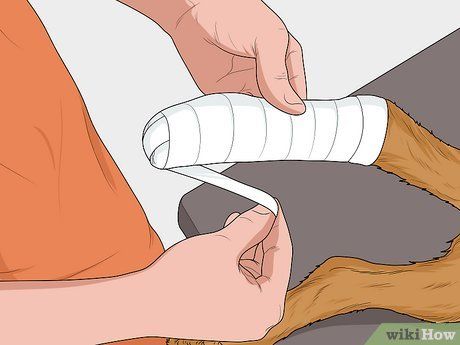
An unexpected split nail can turn a peaceful afternoon into a stressful emergency.
Your immediate priority is to remain calm so your pet does not feed off your anxiety.
When a dog split nail occurs, it is often painful and may bleed heavily.
This bleeding happens because the nail contains a highly sensitive blood vessel called the quick.
Before you touch the paw, secure your dog gently to prevent them from accidentally biting out of pain.
Apply gentle pressure with a clean cloth or sterile gauze to the injured nail to slow down the blood flow.
If the bleeding does not stop within a few minutes, apply styptic powder directly to the wound.
You can also use cornstarch or baking flour if you do not have styptic powder in your home medicine cabinet.
Press the powder firmly against the tip of the nail for up to sixty seconds until a solid clot forms.
Once the bleeding is controlled, carefully rinse the paw with lukewarm water to remove dirt and debris.
Avoid using harsh chemicals or alcohol-based solutions that will cause intense stinging.
A gentle, diluted chlorhexidine solution or mild antiseptic soap is ideal for cleaning the delicate area.
Carefully pat the paw dry using a lint-free towel to avoid catching loose fibers on the jagged edges.
Take a close look at the injury to determine if the split extends all the way into the skin of the paw.
If you notice a dog toenail split that is completely loose, do not pull it forcefully.
Yanking on a partially attached nail shell can tear the delicate nail bed and cause extreme pain.
Instead, wrap the paw loosely in a clean, breathable bandage to protect it from dirt.
Keep your dog on clean, dry surfaces inside your house while the claw begins its healing process.
Preventing your dog from licking the area is critical to avoid introducing harmful oral bacteria into the open wound.
You may need to use a protective collar or a temporary dog bootie to keep the paw clean and dry.
99-Day 100% Money-Back Guarantee
“Ever since we started using the Zenpaw Maxpro Grinder, it’s been such a peaceful experience. It’s very quiet, and my dog actually relaxes. It’s turned our stressful sessions into quick, quiet grooming times.”
— Sarah M. | ✔ Verified Customer
- ✓ Prevents Infection & Splitting
- ✓ Ideal for All Dog Sizes
- ✓ Low-Vibration Technology
- ✓ Fast 2-7 Days Delivery
Need Support? Call 302-307-1000
Understanding Canine Nail Anatomy: Where is the Quick?
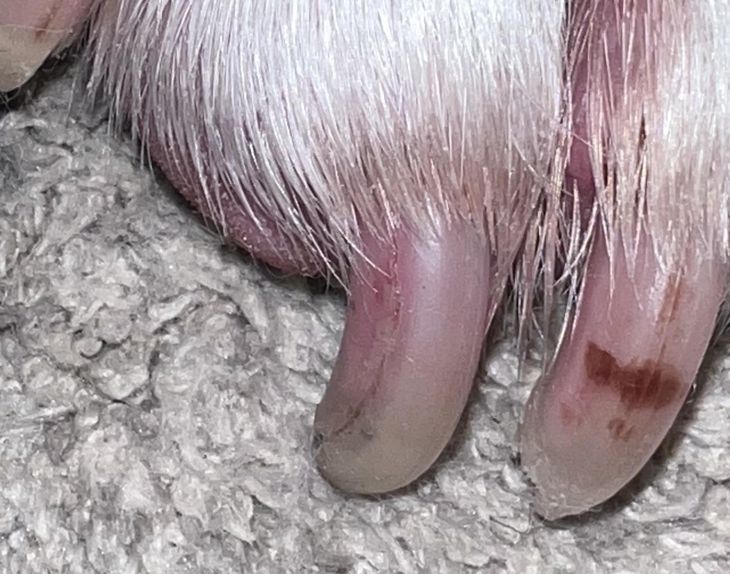
To provide proper dog nail injury treatment, you must understand the underlying anatomy.
A dog’s claw consists of a hard outer shell made of keratin and a soft living center.
This living center is known as the quick and is packed with sensitive nerves and blood vessels.
When you look at a light-colored dog nail, the quick is easily visible as a soft pink zone inside.
However, dark or black nails obscure the quick entirely, making traditional clipping a guessing game.
Traditional scissor-style clippers exert massive squeezing pressure on the hard keratin outer wall.
This crushing action can create tiny micro-fractures along the dry edges of the nail.
Over time, these micro-fractures expand under weight-bearing pressure and lead to a painful dog nail bed injury.
When the quick is exposed by a deep split, it acts as an open doorway for environmental pathogens.
Bacteria from soil, grass, and household floors can quickly travel up the nail shaft into the bone.
This can lead to a severe infection of the distal phalanx, which requires heavy antibiotic treatment.
Understanding this anatomy helps you realize why gentle, progressive wear is far superior to blunt cutting.
Using a specialized grinder allows you to smooth down the keratin layer-by-layer without crushing the structure.
This technique is highly recommended by professional groomers to keep the quick safe and healthy.
Deciding what to do for a dog’s split nail: Home Care vs. Vet Visits
Not every split claw requires an emergency trip to the veterinary hospital.
If you discover a dog cracked nail no bleeding, you can likely manage it at home.
A crack that does not reach the quick simply needs to be carefully smoothed down to prevent catching.
You can use a quiet grooming tool to file away the rough edges before they snag on rugs or grass.
However, a deep split that bleeds continuously or exposes raw tissue requires professional veterinary attention.
If your dog is limping, whining, or guarding the paw aggressively, they are in significant pain.
A veterinarian can safely administer local anesthesia to trim away the damaged section of the nail.
They can also prescribe appropriate pain relief medications and medical-grade antibiotics to prevent deep tissue infection.
Attempting to clip a deeply split nail at home without pain control can ruin your dog’s trust in grooming.
It is always better to err on the side of caution when dealing with nerve-rich paw structures.
Types of Nail Fractures: Detailed Diagnostic Table
Different types of nail damage require specific treatment pathways.
Some splits occur horizontally near the tip, while others run vertically straight into the hair follicle.
Understanding the exact nature of the break helps you apply the correct care.
Our team has compiled a helpful guide to help you identify and manage different claw issues.
| Injury Type | Severity Level | Recommended Action Plan |
|---|---|---|
| Horizontal Tip Crack | Mild | Carefully file down the rough edges using a quiet grinder to prevent further snagging. |
| Vertical Split (No Bleeding) | Moderate | Apply protective antiseptic wrap and file edges down once the nail grows out slightly. |
| Exposed Quick (Active Bleeding) | Severe | Stop bleeding immediately with styptic powder, clean the area, and seek vet assistance. |
By using this table as a starting reference, you can make informed decisions for your pet.
Remember that even minor cracks can quickly escalate if they catch on coarse outdoor surfaces.
Consistent, gentle maintenance is the absolute best way to ensure strong nail structures over time.
Practical Application Guide: Preventing Splits with Safe Grinding

Transitioning your pet to a stress-free grooming routine is the key to preventing future splits.
Many dogs develop severe paw-handling phobias due to past traumatic experiences with heavy metal clippers.
To rebuild their confidence, you must introduce new tools slowly using positive reinforcement.
The Zenpaw Maxpro 3-in-1 Grinder is specifically designed with an ultra-quiet motor operating under forty decibels.
This whisper-quiet sound profile prevents the startle reflex that loud, vibrating tools usually trigger.
Start by letting your dog sniff the turned-off device while offering high-value treats like chicken or peanut butter.
Once they associate the physical grinder with delicious rewards, turn the motor on without touching their paws.
Hold the quiet device nearby and continue feeding them treats so they get used to the gentle hum.
Slowly progress to touching the vibrating body of the tool against their leg for just one second.
Always reward calm behavior instantly with praise and a tasty treat.
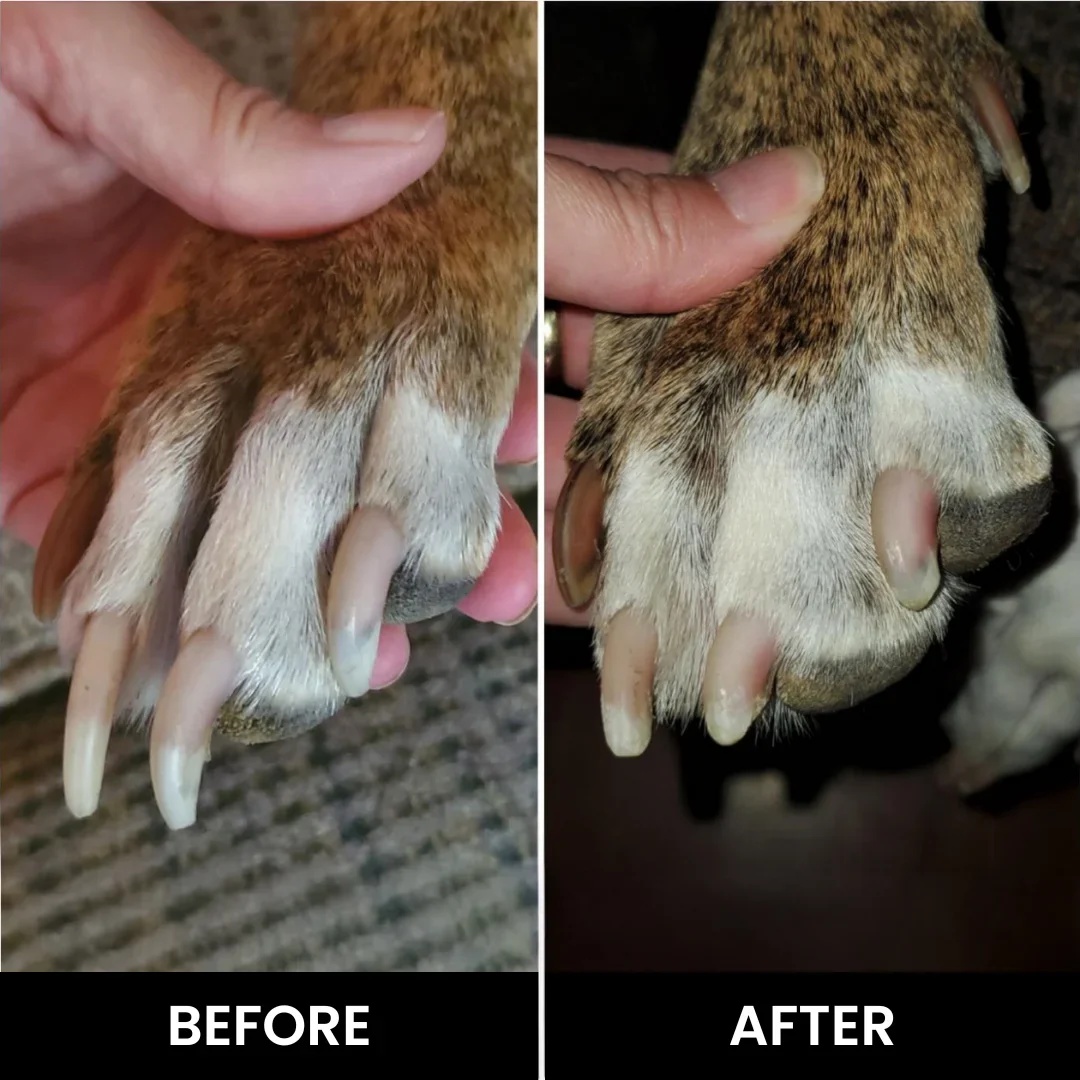
When your dog is completely relaxed, you can begin learning how to treat a split dog nail by gently rounding the edges.
Hold the grinder at a precise forty-five-degree angle relative to the nail shaft.
Apply very light, brief pressure for no more than two to three seconds at a time per nail.
This brief contact prevents frictional heat from building up and causing discomfort to the internal quick.
Work on one nail per day if your dog is highly sensitive to paw touch.
By breaking the process down into tiny, positive steps, you remove the fear entirely.
This systematic desensitization method is widely approved by veterinary behaviorists worldwide.
The Ultimate Step-by-Step dog split toenail treatment Protocol
When you are forced to manage a split nail at home, follow this systematic procedure to ensure safety.
Gather all your supplies beforehand including clean gauze, styptic powder, antiseptic solution, and your quiet grinder.
Find a brightly lit room where you can clearly see the details of the damaged claw.
Have a helpful assistant hold your dog gently and distract them with a continuous stream of tasty treats.
Carefully trim away any hair surrounding the injured claw to gain a clear, unobstructed view of the split.
Apply a small amount of antiseptic solution to clean the entire toe and remove any dried blood.
If there is a small, loose hanging piece of nail, check if it can be snipped off without touching the quick.
If the split runs deep, do not attempt to cut it yourself as you will cause excruciating pain.
Instead, use the finest port on your Zenpaw Maxpro to smooth the sharp, jagged edges of the split keratin.
Filing the rough edges prevents the nail from snagging on blankets or grass and tearing even further.
Apply a thin layer of pet-safe antiseptic ointment directly to the exposed nail bed.
Cover the paw with a clean, non-stick gauze pad and wrap it securely with self-adhering bandage tape.
Ensure the wrap is snug but not overly tight to avoid cutting off healthy blood circulation.
Inspect the bandage twice daily for any signs of moisture, foul odor, or increased swelling.
Change the bandage daily to keep the healing tissue clean and free of dangerous environmental bacteria.
Most minor nail splits will heal successfully within two to three weeks of consistent home care.
Overcoming Risks and Common Grooming Mistakes
One of the biggest mistakes pet parents make is using dull, outdated scissor-style clippers.
These blunt metal blades violently pinch the curved nail wall rather than cutting cleanly through it.
This pinching pressure causes micro-cracks to run up the nail shaft, setting the stage for future splits.
Another frequent error is rushing through the grooming session and cutting too close to the sensitive quick.
When you clip the quick, the intense pain can make your dog terrified of nail care for the rest of their life.
Using a low-vibration grinder allows you to gently file down the nail with millimeter precision.
You can easily stop as soon as you see the pale, moist circle that indicates you are approaching the quick.
This gradual method eliminates the risk of painful accidents and keeps your dog’s tail wagging.
Additionally, many owners neglect the dewclaws located higher up on the inside of the front paws.
Since dewclaws never touch the ground, they do not wear down naturally and can easily curl into the skin.
Make sure to inspect and trim these hidden claws regularly to prevent painful ingrown nail infections.
Investing a few minutes each week in gentle maintenance will save you from expensive veterinary visits down the road.
Frequently Asked Questions About Dog Nail Splitting
We understand that caring for your pet’s paws can bring up many questions and concerns.
Our team has answered the most common questions from pet parents to help you groom with absolute confidence.
Is the Zenpaw Grinder safe for very large dog breeds?
Yes, our device is designed to handle nails of all sizes.
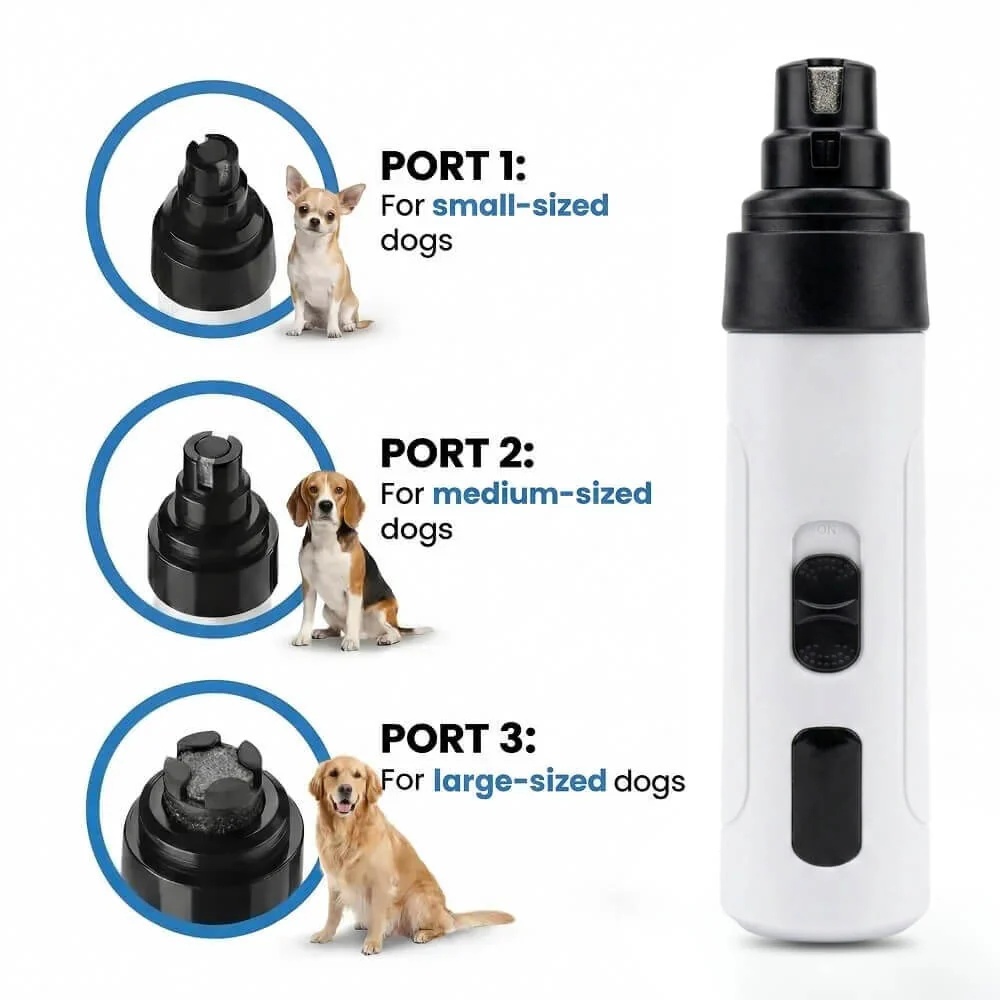
It features three specialized ports to accommodate small, medium, and heavy-duty claws.
The high-torque motor easily files down thick, tough nails on large breeds without stalling or slowing.
You can use the open port to quickly round off the thickest claws with ease.
How long does the battery last on a single charge?
The Zenpaw Maxpro features a long-lasting lithium-ion battery that runs for up to seven hours.
This extended battery life means you do not have to worry about the device dying mid-session.
It is fully USB rechargeable, allowing you to charge it using any standard adapter or computer.
A convenient power indicator light lets you know when it is time to plug it back in.
Which speed setting should I use for a split nail?
We recommend starting on the lowest speed setting when working near a sensitive split nail.
The low speed gives you maximum control and minimizes any tickling vibration on the paw.
Once your dog is comfortable and the edges are smooth, you can switch to the higher speed.
The high speed is perfect for quickly shortening healthy, thick nails during regular maintenance.
Does the grinding tip get hot during extended use?
Our grinder uses advanced low-heat technology to keep the brass bit cool during use.
However, holding any grinding tool on a single spot for too long can cause friction warmth.
To prevent this, always use brief, sweeping strokes rather than steady, heavy pressure.
Move between different nails to allow each claw to stay perfectly cool and comfortable.
How often should I trim my dog’s nails to prevent splitting?
Most dogs benefit from a quick touch-up session every two to three weeks.
Regular maintenance keeps the quick short and prevents the nails from touching the hard floor.
If you can hear your dog’s nails clicking on tile or wood floors, they are too long.
Keeping them short reduces the leverage forces that cause nails to split when playing outside.
Conclusion: Your Stress-Free Grooming Partnership
Maintaining your dog’s paw health does not have to be a source of stress and fear.
With correct techniques and quiet tools, you can protect them from painful split nails easily.
Ready to transform nail trimming from a battle into a breeze?
Explore the Zenpaw Maxpro 3-in-1 Grinder.
Call: 302-307-1000 — our team can help you advise on the best grooming practices and help with any product questions.