My heart stopped the afternoon my golden retriever, Max, let out a sharp, agonizing yelp and I saw bright red blood pooling on the clean kitchen tile. In that chaotic moment, trying to apply a safe and secure dog nail bandage felt completely overwhelming as he squirmed in sheer panic. This painful event drove our team at Zenpaw to design painless, stress-free grooming tools so that no pet parent has to experience that terrifying panic ever again.
Maxpro 3-in-1 Grinder.
Stress-Free Nail Trimming.
Whisper-quiet DC motor (<40 dB) eliminates fear & discomfort. Features 3 ports, dual speeds, and 7-hour battery life. Safe, precise, and painless.
In This Article
- Immediate Treatment Protocol: Step-by-step cleaning, bleeding control, and bandaging.
- Canine Nail Anatomy: Understanding the delicate structure of the quick and nail bed.
- Preventative Solutions: How to avoid painful splits using high-quality grooming tools.
- Risk Mitigation: Overcoming common bandaging errors to protect your pet.
Immediate Emergency Steps: How to Clean, Dress, and Secure a Dog Nail Bandage

An injured dog claw can bleed heavily and create sudden panic for both you and your pet.
The first critical step is to remain completely calm so that your dog does not feed off your nervous energy.
You must safely restrain your dog using a soft towel or have a partner gently hold their head to prevent sudden movements.
Before applying a dog nail bandage, you must stop the active bleeding from the damaged quick.
Apply gentle, steady pressure directly to the injured claw using a clean piece of sterile gauze.
If you have styptic powder on hand, press a generous amount directly onto the exposed bleeding tip.
You can also use natural household alternatives like cornstarch or baking flour if styptic powder is unavailable.
Hold the pressure firmly for at least two full minutes without lifting the gauze to check the wound.
Once the active bleeding has slowed or stopped, you need to initiate a proper dog nail injury treatment by cleaning the area.
Gently flush the injured paw with lukewarm water to remove any loose dirt, dried blood, or outdoor debris.
Avoid using harsh household chemicals like hydrogen peroxide or rubbing alcohol as these substances will cause intense pain and destroy delicate healing tissue.
Pat the paw completely dry using a clean, lint-free microfiber towel.
Apply a thin, protective layer of veterinarian-approved antiseptic ointment directly onto the exposed claw bed.
Now you are ready to begin wrapping a damaged dog claw to prevent dirt from entering the open wound.
Place small, soft pieces of sterile cotton padding directly between your dog’s individual toes.
This padding prevents moisture buildup and stops the toes from rubbing painfully against one another inside the wrap.
Take a roll of sterile, non-stick gauze wrap and begin winding it gently around the injured claw and the entire paw.
Work your way up from the bottom of the paw to just above the wrist joint to ensure the wrap does not easily slip off.
Apply a final protective layer of self-adhesive elastic bandage wrap, ensuring you do not pull it too tight.
You should always be able to easily slip two fingers under the edge of the finished wrap to guarantee healthy blood circulation.
Secure the very top of the wrap with medical tape to keep the structure completely stable.
We recommend tracking how your dog responds over the next few hours to make sure they do not chew or scratch at the dressing.
Knowing how to stop dog nail bleeding quickly is the foundation of excellent emergency pet care.
A properly applied wrap keeps your home clean while shielding the raw tissue from painful friction.
Always keep a well-stocked pet first-aid kit nearby so you can address a dog nail broke bleeding event immediately.
99-Day 100% Money-Back Guarantee
“Ever since we started using the Zenpaw Maxpro Grinder, it’s been such a peaceful experience. It’s very quiet, and my dog actually relaxes. It’s turned our stressful sessions into quick, quiet grooming times.”
— Sarah M. | ✔ Verified Customer
- ✓ Prevents Infection & Splitting
- ✓ Ideal for All Dog Sizes
- ✓ Low-Vibration Technology
- ✓ Fast 2-7 Days Delivery
Need Support? Call 302-307-1000
Understanding Canine Nail Anatomy: The Hidden Vulnerability of the Quick

To provide exceptional care for your pet’s paws, you must first understand the unique anatomical design of a dog’s claw.
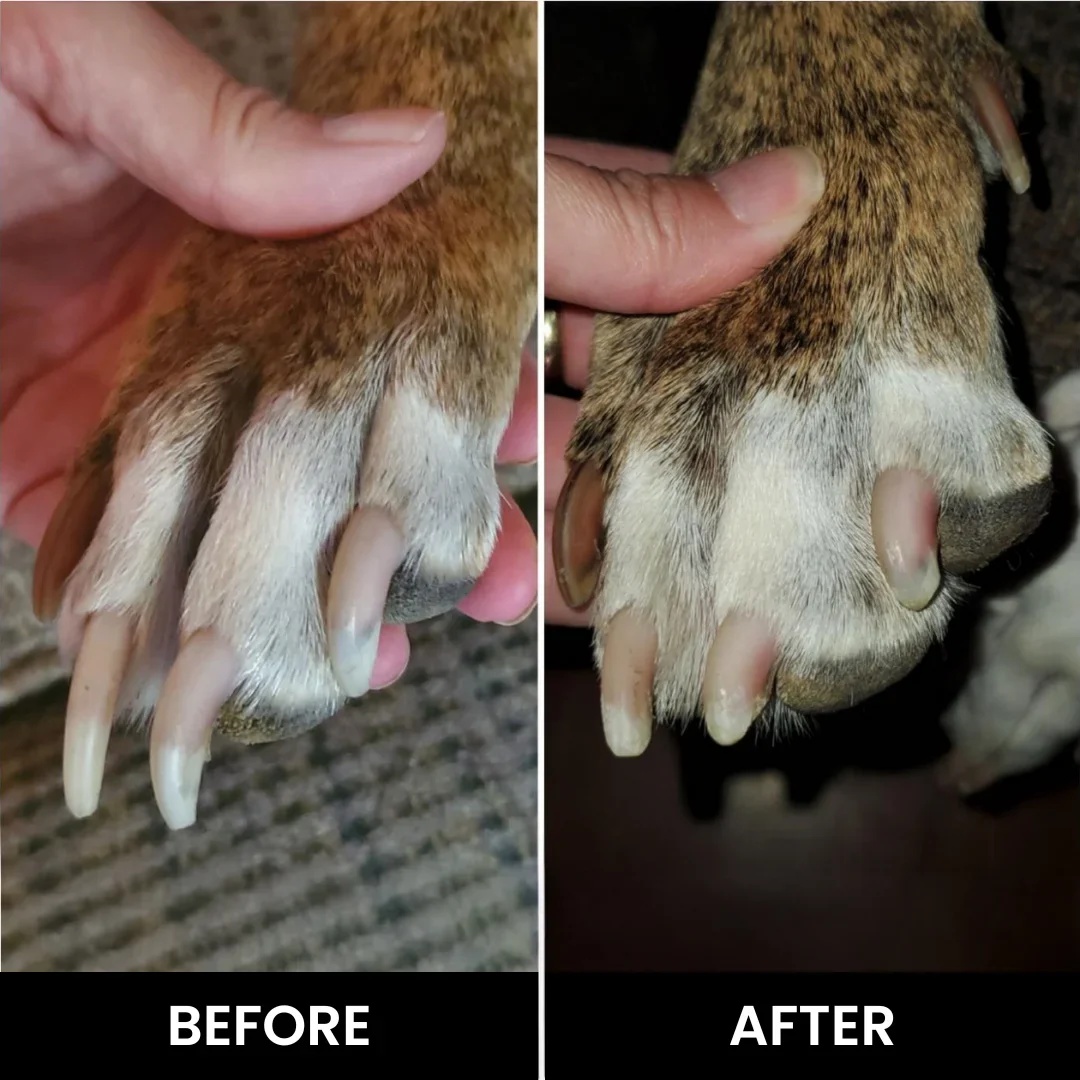
The canine claw consists of a hard, outer keratin shell that shields an inner, highly sensitive core called the quick.
This inner core is packed with blood vessels and extremely sensitive nerve endings that connect directly to the toe bone.
When a claw breaks, splits, or cracks, these delicate structures are left completely unprotected and exposed to the environment.
A deep crack can easily result in a painful dog split nail that requires immediate attention.
Even worse, an impact can lead to a severe dog nail bed injury that impacts your pet’s long-term mobility.
When the delicate quick is bruised or torn, it causes intense pain every single time your dog takes a step.
Because the claw is structurally joined to the digit bone, infections can travel deep into the skeletal system if left untreated.
This is why understanding how to bandage dog paw for broken nail situations is so critical for protective home care.
The outer keratin shell has no blood supply, but the vascular quick relies on constant circulation to stay healthy.
If the nail bed is damaged, the nail growth plate can produce permanently deformed, weak claws that are highly prone to splitting.
Using improper, aggressive tools like heavy traditional clippers can put crushing pressure on this delicate anatomy.
Traditional metal clippers squeeze the entire nail structure together before cutting, which can crack the outer shell.
This violent pinching action is the primary reason why dogs develop a deep fear of nail care routines.
Our team at Zenpaw advocates for the use of a gentle, whisper-quiet grinder to bypass this crushing force completely.
By filing the keratin layer away gradually, you can comfortably shape the tip without disturbing the sensitive quick.
The Threat of Neglect: When Minor Trauma Leads to Bone Infections
Leaving an exposed or damaged claw untreated is a recipe for serious medical complications.
A raw, bleeding nail bed acts as an open gateway for bacteria from the soil, grass, and floor surfaces.
If bacteria migrate deep into the claw, they can cause a severe infection known as paronychia.
Over time, this localized infection can spread into the nearby toe joint and even cause osteomyelitis, a dangerous bone infection.
If your dog has a dog ripped toenail completely off, the entire raw tissue bed is vulnerable.
You must keep the area clean and well-protected to avoid a permanent loss of the claw structure.
Sometimes you might notice that your pet has a dog lost toenail after a vigorous run in the backyard.
Do not assume the area will heal safely on its own without clean, protective intervention.
In other scenarios, a dog toenail fell off due to an underlying inflammatory condition or a structural weakness.
A protective wrap acts as a physical barrier that keeps environmental pathogens away from the raw vascular tissue.
It also prevents your pet from licking the wound constantly, which introduces harmful oral bacteria.
Our professional grooming advice is to inspect your dog’s paws daily for subtle signs of cracks, splits, or swelling.
Early identification of a weak nail allows you to file it down safely before a painful emergency occurs.
Practical Application: Healing Paw Wraps and Stress-Free Nail Maintenance
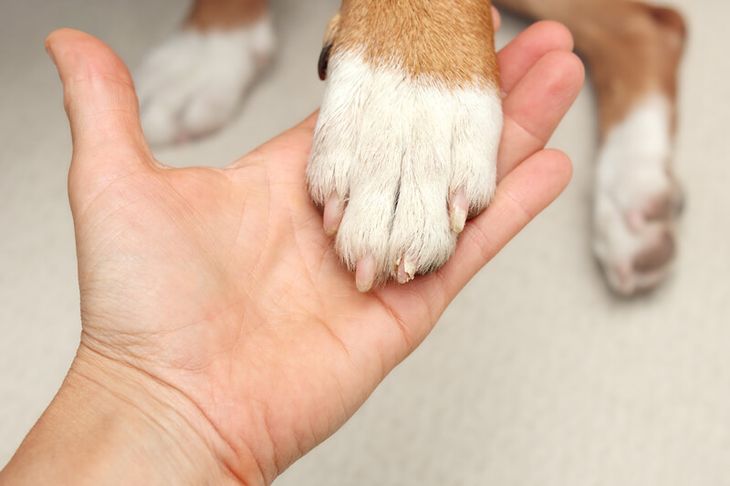
Applying protective wraps for torn nails is an essential skill that helps manage the physical recovery process.
However, the absolute best way to protect your dog’s paws is to prevent these traumatic structural breaks from ever happening.
Consistently short, smooth claws are far less likely to catch on carpets, deck boards, or outdoor tree roots.
The Zenpaw Maxpro 3-in-1 Grinder is specifically designed to make regular maintenance completely painless and stress-free.
We recommend introducing the grinder to your dog slowly using positive reinforcement and gentle desensitization techniques.
Start by letting your pet sniff the turned-off device while offering their favorite high-value treats.
Turn the device on to its lowest speed so they can get used to the whisper-quiet, low-vibration sound.
Our advanced motor operates at under 40 decibels, which is quieter than a soft, reassuring whisper.
Once your dog is relaxed, gently touch the rotating filing head to a single nail for just one to two seconds.
Hold the grinder comfortably at a 45-degree angle to create a smooth, naturally rounded tip.
This angle helps push the living quick back over time, allowing for safer and shorter trims in future sessions.
Work on one paw at a time, keeping sessions short and rewarding your pet with praise throughout the process.
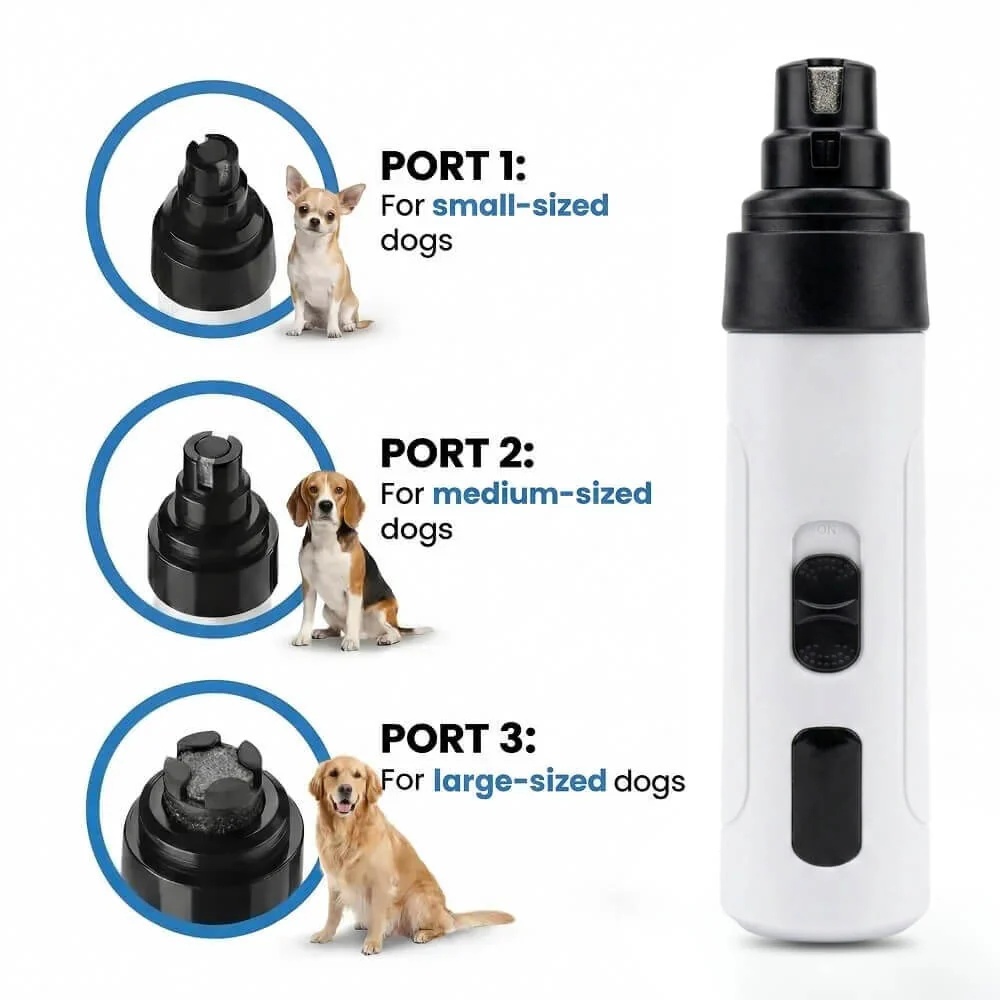
By using the safe ports of the Zenpaw Maxpro, you can easily manage small, medium, or thick claws without risking injury.
This gentle method completely replaces the painful, sudden pinch of traditional metal clippers.
Your dog will learn to relax, turning a once-stressful chore into a quiet bonding routine.
Common Bandaging Mistakes: What Vet Experts Warn Against
While wrapping a paw seems straightforward, there are several common mistakes that can delay healing.
The most frequent error is wrapping the adhesive layer far too tightly around the limb.
This restricts natural blood circulation, which can cause severe swelling, skin tissue death, and intense discomfort.
Always check the temperature of your dog’s toes after applying a bandage; they should feel warm to the touch.
Another common mistake is leaving a wet or damp wrap on the paw for more than a few hours.
Moisture trapped inside a warm wrap creates a perfect breeding ground for fungal and bacterial infections.
If your dog steps in water or goes outside on wet grass, you must change the entire bandage immediately.
Avoid using human-focused adhesive band-aids directly on your dog’s fur, as pulling them off causes painful skin tears.
Always use a self-adhesive wrap that sticks only to itself rather than sticking to your pet’s delicate coat.
Finally, never leave a wrap on for more than twenty-four hours without performing a thorough visual inspection.
Remove the bandage daily to check for signs of fresh bleeding, discharge, or unpleasant odors.
Our team at Zenpaw believes that proper education is key to keeping your pet healthy, active, and safe.
Standard First-Aid Kit vs. Canine Wrap Materials
Having the right tools ready makes a massive difference during an unexpected emergency.
Refer to the table below to understand the essential differences between basic home supplies and safe canine wrapping materials.
| Bandage Material | Pet-Safe Performance | Key Purpose for Paw Injuries |
|---|---|---|
| Self-Adherent cohesive wrap | Excellent (Will not stick to fur) | Provides even compression without painful pulling |
| Sterile cotton padding | Excellent (Absorbs moisture) | Placed between toes to prevent friction and chafing |
| Standard human band-aids | Poor (Sticks to fur, tears skin) | Not recommended for active, moving pet paws |
| Styptic powder | Excellent (Stops bleeding fast) | Coagulates blood inside the exposed quick instantly |
Frequently Asked Questions (FAQ)
Is the Zenpaw Grinder safe for large dogs with thick nails?
Yes, the Zenpaw Maxpro Grinder features three distinct ports and dual-speed controls to accommodate all breeds.
The large port is perfectly designed to handle the thickest claws of large breeds like German Shepherds and Labradors.
The high-power brass motor provides consistent torque to file down tough keratin without stalling or catching.
How long does the battery last on a single charge?
The Zenpaw Maxpro Grinder is equipped with a high-capacity, rechargeable lithium-ion battery.
It provides up to seven hours of continuous, reliable performance on a single USB charge.
This allows you to complete multiple grooming sessions without worrying about the device running out of power.
Which speed setting is best for an anxious dog?
We recommend starting on the low-speed setting to introduce your dog to the whisper-quiet sound and light vibration.
The low setting is ideal for delicate, slow detailing work near the sensitive quick.
Once your dog feels secure, you can switch to the high-speed setting for faster shaping on thick claws.
Does the grinding head get hot during use?
Our grinder uses advanced cool-running diamond bit technology that keeps heat buildup to an absolute minimum.
However, we always recommend working in short, brief intervals of two to three seconds per claw.
This simple technique prevents heat from transferring to the sensitive nerves inside the quick.
Conclusion
Taking excellent care of your dog’s claws is vital for their happiness and long-term health.
Ready to transform nail trimming from a battle into a breeze?
Explore the Zenpaw Maxpro 3-in-1 Grinder today.
Call 302-307-1000 — our team can help advise on the best grooming practices and answer any product questions.
*Note: Individual results may vary depending on individual dog breeds, nail thickness, and behavioral temperaments. This article is intended for general pet grooming reference purposes only and does not replace professional veterinary advice.*