I still remember the sudden, sharp panic that rushed through me when my golden retriever let out a heartbreaking yelp, and I realized my dogs nail fell off right onto the living room rug. Seeing that raw, bleeding paw made me feel incredibly helpless, but it also started our journey toward finding a stress-free, pain-free way to protect his delicate claws with Team Zenpaw’s whisper-quiet grooming solutions.
Maxpro 3-in-1 Grinder.
Stress-Free Nail Trimming.
Whisper-quiet DC motor (<40 dB) eliminates fear & discomfort. Features 3 ports, dual speeds, and 7-hour battery life. Safe, precise, and painless.
In This Article
- Immediate First Aid: Learn the exact steps to stop bleeding and protect the raw toe.
- Canine Anatomy Deep-Dive: Discover what the quick is and why nails split.
- Infection Warnings: Know the critical signs that mean you must visit a clinic.
- Prevention Strategies: Master painless grinding techniques to prevent future tears.
What to Do Immediately When Your Dog’s Nail Falls Off
Seeing your dog in pain can make your heart stop instantly.
A torn or missing claw is one of the most common household pet injuries.
If your dog toenail fell off, your primary objective is to stay calm.
Dogs can easily sense your anxiety, which can cause their heart rate to spike.
First, secure your dog safely so they do not thrash or accidentally bite you in pain.
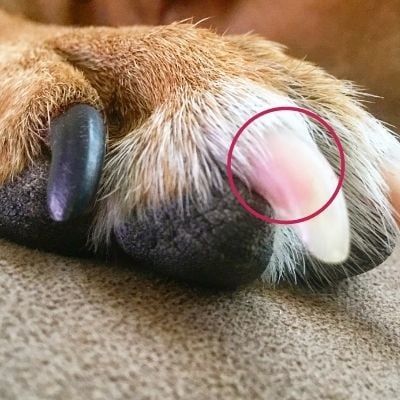
Gently examine the affected paw to assess if the dog ripped toenail completely off.
The quick of the nail contains highly sensitive blood vessels and nerves.
It will likely bleed heavily if the nail was torn away recently.
Grab a clean cloth or sterile gauze pad and apply gentle, direct pressure to the wound.
Hold the pressure consistently for at least five to ten minutes without lifting the cloth to check.
You can apply styptic powder, cornstarch, or baking flour to the area to help clot the blood.
Avoid using harsh chemicals like rubbing alcohol or hydrogen peroxide on the raw tissue.
These substances will cause intense stinging and increase your pet’s distress.
Once the bleeding has slowed down, wash the area gently with lukewarm water.
Pat the paw completely dry with a clean, lint-free towel.
Apply a small dab of pet-safe antiseptic ointment to protect the exposed nail bed.
Wrap the paw loosely in a clean bandage to prevent dirt and bacteria from entering.
Do not wrap the bandage too tightly, as this can restrict blood circulation.
Check the bandage regularly to make sure it remains dry and intact.
Keep your dog in a quiet, confined space to discourage them from running or jumping.
Limit outdoor access to quick bathroom breaks on a leash.
Walking on wet grass or dirty soil can quickly introduce dangerous contaminants to the raw wound.
Managing a dog lost nail requires patience and careful observation over several days.
We recommend using a protective dog bootie during outdoor trips to keep the bandage clean.
If your dog keeps chewing or licking at the bandage, consider using a protective recovery collar.
Persistent licking introduces harmful oral bacteria directly to the vulnerable injury site.
Many owners panic when they see the initial volume of blood.
Remember that nail injuries look dramatic, but they are highly manageable with the right steps.
By keeping your cool, you help your canine companion feel safe and secure.
Safe long-term management of your dog’s paws is the ultimate goal.
99-Day 100% Money-Back Guarantee
“Ever since we started using the Zenpaw Maxpro Grinder, it’s been such a peaceful experience. It’s very quiet, and my dog actually relaxes. It’s turned our stressful sessions into quick, quiet grooming times.”
— Sarah M. | ✔ Verified Customer
- ✓ Prevents Infection & Splitting
- ✓ Ideal for All Dog Sizes
- ✓ Low-Vibration Technology
- ✓ Fast 2-7 Days Delivery
Need Support? Call 302-307-1000
Understanding Canine Nail Anatomy: The Quick, the Nailbed, and Why Nails Fall Off

To prevent future paw injuries, we must first look closely at canine nail structure.
A dog’s claw is not like a human fingernail.
It consists of a hard outer shell made of keratin and a soft inner core called the quick.
The quick is fully alive, packed with sensitive nerves and blood vessels.
The outer keratin shell protects this delicate core from the harsh ground.
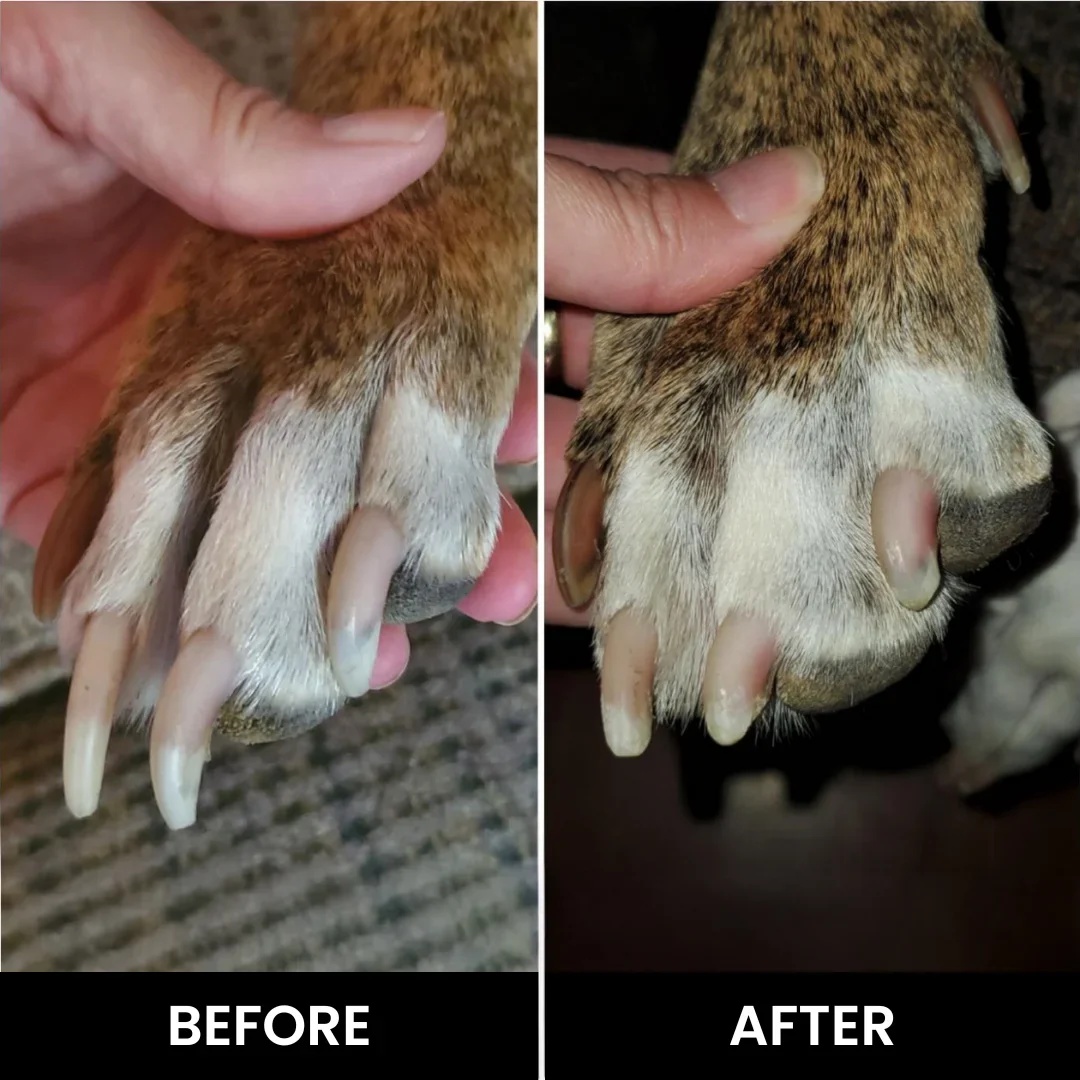
When a dog’s nails are allowed to grow too long, they become extremely brittle.
Long nails strike the ground with every step, pushing the nail up into the joint.
This constant pressure weakens the nail structure over time.
A weak nail can easily snag on carpets, floor grates, or outdoor brush.
When the dog pulls away quickly, the compromised dog toenail fell off under the sudden force.
Sometimes, a minor crack can develop into a split that goes all the way to the base.
If you notice your dog nail falling off slowly, it might be due to an underlying health condition.
Conditions like Symmetrical Lupoid Onychodystrophy (SLO) can cause multiple claws to detach.
SLO is an autoimmune disorder that specifically targets the nail matrix.
Regular inspection of your dog’s paws can help you spot early signs of splitting.
If you hear a clicking sound when your dog walks on hard floors, their nails are too long.
Keeping the claws trimmed short keeps the quick safely recessed.
It also prevents the leverage effect that causes painful tearing.
Traditional clippers often squeeze the sensitive nail, causing micro-fractures.
These tiny fractures make the outer shell split easily during daily play.
Our team at Zenpaw advocates for gentle filing over aggressive clipping to preserve structural integrity.
Regular maintenance is the single best defense against painful paw trauma.
Recognizing Signs of Infection and Knowing When to Call the Vet
An exposed nail bed is an open doorway for environmental pathogens.
Understanding the difference between normal healing and infection is critical.
A healing wound should gradually look drier and less red over forty-eight hours.
If your dog lost toenail, monitor the area daily for swelling.
Moderate swelling that spreads up the toe is a common sign of bacterial infection.
Watch for any yellow, green, or cloudy discharge oozing from the nail bed.
A healthy recovering toe should not have a foul or sweet odor.
If your dog whines, pulls away, or growls when you gently touch the foot, they are in pain.
While mild tenderness is normal, severe pain that worsens over time is not.
Watch your dog’s gait to see if they continue to limp heavily after forty-eight hours.
A persistent limp suggests deep tissue inflammation or a remaining nail fragment.
Sometimes, the outer shell falls off but a small sliver of dead nail remains lodged inside.
This sharp fragment can repeatedly stab the raw quick with every step.
A veterinarian must safely extract these hidden fragments to allow clean healing.
If your dog develops a fever or becomes lethargic, seek professional care immediately.
These systemic symptoms indicate that the infection may be entering the bloodstream.
Bone infections, known as osteomyelitis, can occur if local toe infections are ignored.
Your vet can prescribe appropriate oral antibiotics and anti-inflammatory medications.
Never administer human pain relievers to your dog, as many are highly toxic to canines.
Professional guidance ensures your pet recovers without long-term joint or paw damage.
Do Dog Toenails Grow Back? Timeline and Growth Factors
Many anxious owners ask our team, do dogs toenails grow back after a complete loss?
The short answer is yes, in the vast majority of cases, the claw will regrow.
However, the speed and quality of regrowth depend heavily on the damage to the nail matrix.
The nail matrix is the tissue base located deep beneath the skin of the toe.
If the matrix is fully intact, a new claw will slowly start to emerge within a few weeks.
It typically takes several months for a canine nail to grow back completely to its original length.
During the first few weeks, the newly forming nail is incredibly soft and vulnerable.
It looks like a small, pink bud of tissue pushing out from the skin.
You must keep this delicate new growth protected from rough surfaces.
If the nail matrix was severely crushed or destroyed during the initial trauma, regrowth may be abnormal.
The new claw might grow back crooked, split, or unusually thin.
A misshapen nail requires extra care, as it is more prone to snagging again.
Feeding your dog a high-quality diet rich in biotin and essential fatty acids supports keratin production.
Keep the surrounding skin clean and moisturized with pet-safe paw balms.
Regular, gentle maintenance of the other claws prevents compensatory injuries on healthy paws.
If your dog tore nail off completely, track the regrowth monthly using your smartphone camera.
Comparing photos helps you identify any abnormal growth angles early on.
Your patience and consistent monitoring are key during this long recovery window.
Step-by-Step Guide to Stress-Free Nail Maintenance
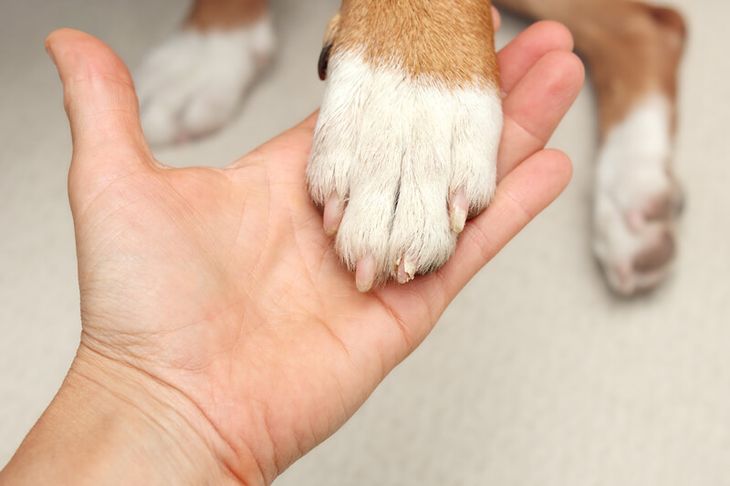
Preventing nail injuries starts with building a positive grooming routine.
If your dog is terrified of nail care, they will struggle, increasing the risk of accidents.
Traditional clippers make a loud, sudden popping sound that triggers a dog’s flight response.
The Zenpaw Maxpro 3-in-1 Grinder uses a whisper-quiet motor operating under forty decibels.
This incredibly low noise level prevents the panic associated with standard noisy tools.
To introduce the grinder, start by placing it on the floor turned off.
Let your dog sniff the device and reward them with high-value treats.
Next, turn the grinder on its lowest speed while holding it a few feet away.
Feed your dog treats to create a positive association with the gentle hum.
Gradually bring the humming grinder closer to their paws over several short sessions.
Once your dog is relaxed, gently touch the vibrating handle to their leg.
This helps them get used to the physical sensation of the vibrations.
When you are ready to trim, hold the paw firmly but gently in your hand.
Gently separate the toes to expose the target nail clearly.
Hold the Zenpaw Maxpro at a precise forty-five-degree angle to the nail tip.
Apply the grinding wheel to the nail for only two to three seconds at a time.
This short duration prevents heat from building up on the sensitive nail tissue.
Work on one small section of the nail at a time, moving in a curved motion.
Look for the small dark dot in the center of the nail, which indicates you are approaching the quick.
Stop grinding immediately once you see this indicator.
Repeat this process across all claws, rewarding your dog after each successful paw.
This gradual, painless method ensures your dog remains calm throughout the entire experience.
The Hidden Dangers of Traditional Dog Nail Clippers
Many pet parents rely on old-fashioned guillotine-style clippers out of habit.
However, these traditional tools exert immense pressure on the sides of the claw.
This crushing force can cause the nail to crack, split, or shatter unexpectedly.
A shattered nail is highly prone to catching on furniture and tearing off completely.
Furthermore, traditional clippers make it incredibly easy to accidentally cut the quick.
Cutting the quick causes sudden, intense pain and immediate, heavy bleeding.
This single negative experience can destroy weeks of positive training.
Your dog may become highly aggressive or fearful during future grooming sessions.
The Zenpaw Maxpro Grinder eliminates this risk by shaving the nail down slowly and smoothly.
This allows you to monitor your progress millimetre by millimetre.
The integrated safety guard prevents you from grinding too deeply.
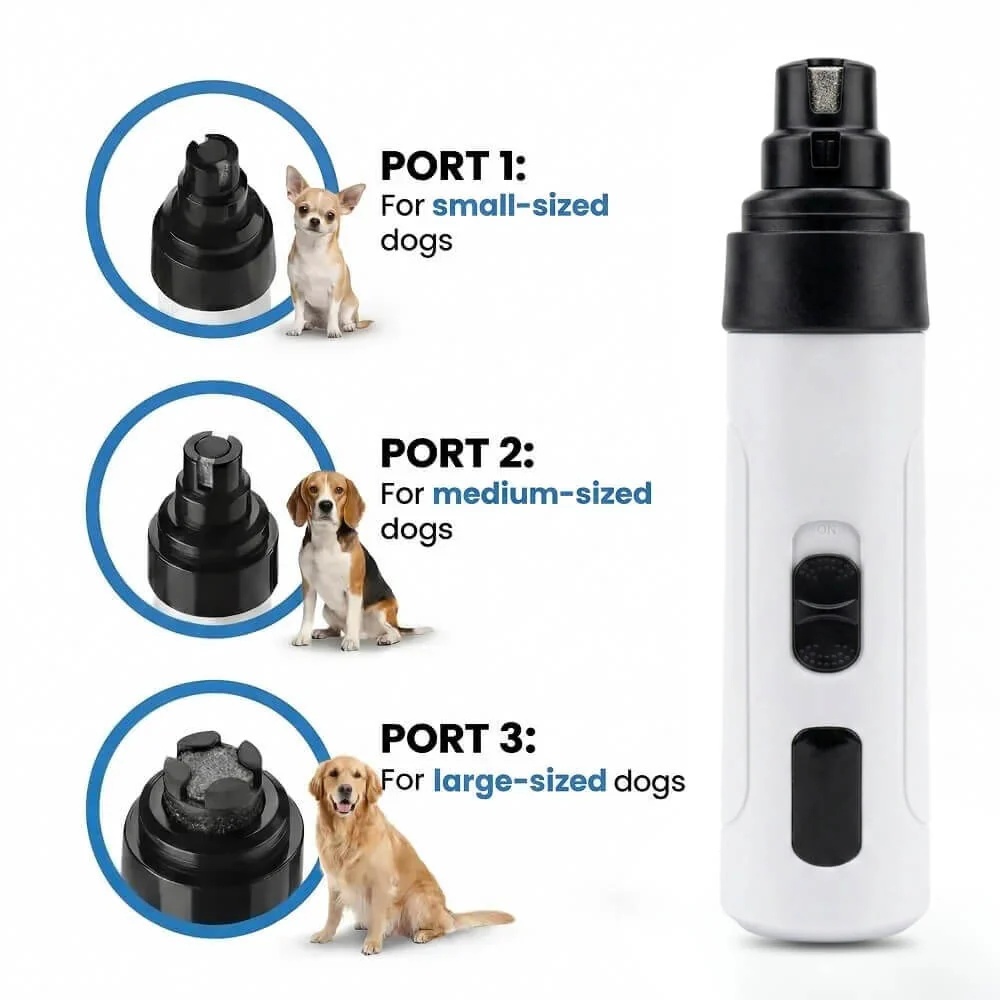
It also features three distinct ports designed for different pet sizes.
This design ensures maximum control and safety for both tiny puppies and large breeds.
Transitioning to a high-quality grinder protects your dog from painful clipping trauma.
It transforms a stressful chore into a peaceful, bonding experience for you both.
Comparing Zenpaw Maxpro vs. Traditional Tools
Choosing the right tool is critical for your dog’s long-term paw health.
Here is how the Zenpaw Maxpro compares to alternative grooming options.
| Feature | Zenpaw Maxpro 3-in-1 Grinder | Traditional Clippers | Cheap Generic Grinders |
|---|---|---|---|
| Noise Level | Whisper-Quiet (<40dB) | Loud popping sound | Loud buzz (>60dB) |
| Splitting Risk | Zero (gentle micro-shaving) | High (crushes nail structure) | Medium (high vibrations) |
| Safety Guard | Yes (3 adjustable ports) | No | Poorly designed plastic |
| Battery Life | 7 Hours (USB Rechargeable) | Manual only | 1-2 Hours (cheap battery) |
Frequently Asked Questions About Dog Nail Injuries and Grooming
Conclusion
Taking care of your dog’s nails does not have to be a stressful battle.
By maintaining a gentle, consistent routine, you can protect them from painful tears and splits.
Ready to transform nail trimming from a battle into a breeze? Explore the Zenpaw Maxpro 3-in-1 Grinder. Call: 302-307-1000 — our team can help you advise on the best grooming practices and help with any product questions.